Quick Answer
Focus on material durability, coverage, and packability when choosing an emergency poncho. For most outdoor and emergency uses, a lightweight waterproof poncho that packs small and covers your gear is the best balance of cost and function.
emergency poncho
When you're caught in an unexpected downpour during a hike, camping trip, or commute, an emergency poncho can be a lifesaver. But not all ponchos are created equal. This buying guide breaks down the key features to consider so you can choose the right one for your needs.
We'll cover material options, sizing, coverage, and packability, plus practical decision rules to help you compare products. Whether you're building a survival kit or just want a reliable rain layer, these pointers will keep you dry without overpaying.
Material: Plastic vs. Nylon
The material of an emergency poncho determines its weight, durability, and breathability. Plastic (often polyethylene) ponchos are lightweight and cheap, making them ideal for single-use emergencies. They pack down very small but tear easily and don't breathe, so you may feel clammy inside.
Nylon ponchos are more durable and often coated with a waterproof layer. They resist punctures and can be used repeatedly, but they cost more and weigh a bit more. For frequent outdoor use, nylon is worth the investment. For a 'just in case' item in your car or backpack, plastic may be sufficient.
- Consider how often you'll use the poncho. Frequent use favors nylon; rare emergencies can get by with plastic.
Coverage and Sizing
A good emergency poncho should cover more than just your torso. Look for a length that reaches at least mid-thigh to keep your pants dry when sitting or kneeling. An attached hood with a drawstring helps seal out rain, and snap or button closures at the sides allow you to adjust coverage for your gear or backpack.
Sizing varies by brand, so check the product description for measurements. Some ponchos are one-size-fits-most, while others offer specific sizes. If you plan to wear it over a bulky jacket or backpack, consider a larger size or a poncho with extra room.
- Measure your torso and consider the layers you'll wear underneath before choosing a size.
Packability and Weight
An emergency poncho should be easy to stash. Look for one that folds into a small pouch or comes with a stuff sack. Weight matters too—lighter ponchos are easier to carry but may be less durable. For hiking or travel, a poncho that weighs under 200 grams (about 7 ounces) is a good target.
Some ponchos are designed to be worn as a pack cover as well, which adds versatility. If you're short on space, prioritize packability over extra features.
- Check the packed size and weight before buying; aim for a poncho that fits in a pocket or small pouch.
Durability and Reusability
If you plan to use your poncho more than once, durability is key. Reinforced seams, grommets, and high-quality zippers or snaps add to longevity. Nylon ponchos with taped seams are more waterproof and last longer than plastic ones.
Consider the environment you'll be in. Thorns, branches, and rough surfaces can tear a flimsy poncho. If you're heading into dense woods or rocky terrain, a sturdier material is a wise choice.
- For repeated use, inspect the poncho for signs of wear and reapply waterproofing if needed.
Decision Rules for Choosing an Emergency Poncho
- Material: Choose plastic for budget single-use emergencies; choose nylon for durability and repeated use. If you'll use it more than once, go nylon.
- Coverage: Look for a poncho that reaches at least mid-thigh and has a hood. Side snaps allow gear coverage. Ensure it covers your backpack if needed.
- Packability: Check packed size and weight. A stuff sack or foldable design is essential for portability. Aim for a poncho that packs down small.
Product Facts
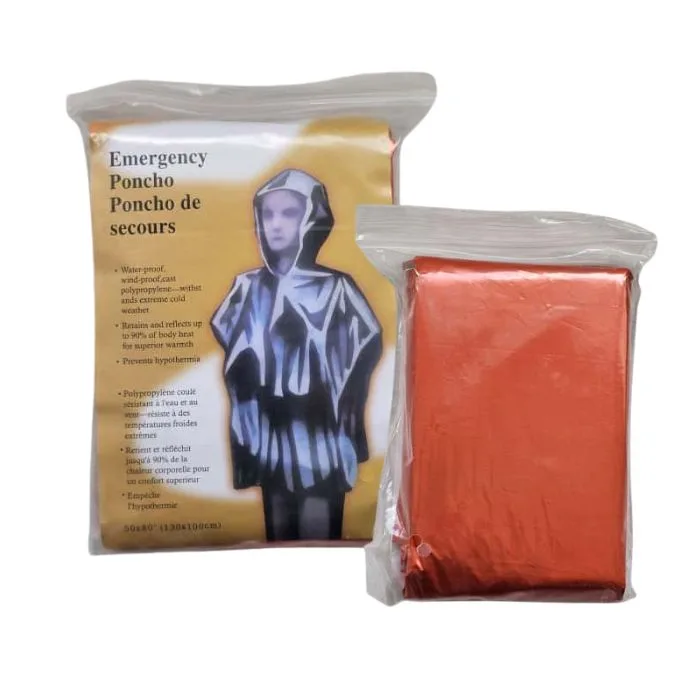
- Emergency Poncho: Waterproof emergency poncho. Lightweight, reusable, and easy to carry—perfect for camping, hiking, travel, or unexpected rain. This poncho balances lightweight portability with reusability, making it a practical choice for both planned trips and emergency situations.
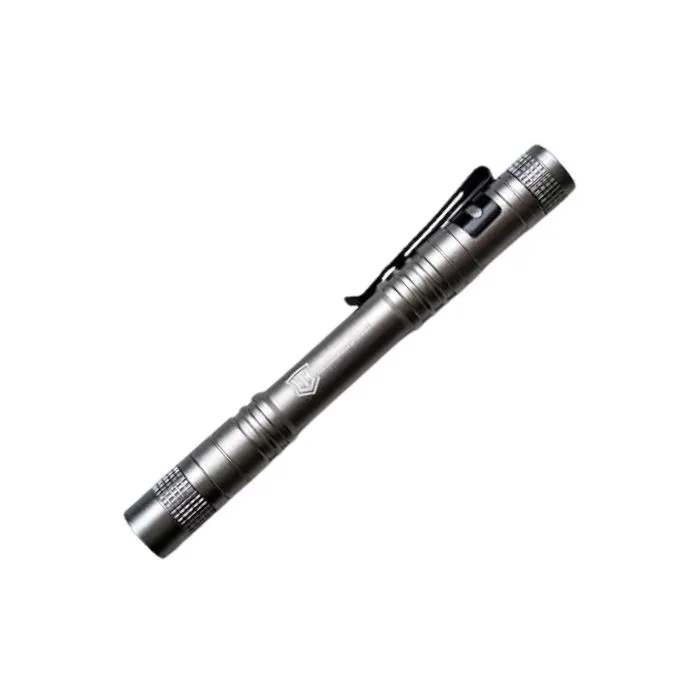
- Tactical Flashlight: Crafted from high-grade aluminum alloy, this flashlight delivers ultra-bright illumination while remaining lightweight and easy to carry. Perfect for camping, hiking, emergencies, and everyday carry (EDC). Pairing a poncho with a reliable flashlight ensures you're prepared for low-light conditions during unexpected weather or emergencies.
Is an Emergency Poncho Right for You?
Best for
- Hikers and campers who want a lightweight rain layer for emergencies
- Travelers who need a compact backup for unexpected showers
- Anyone building a car or survival kit on a budget
Not for
- Heavy-duty outdoor work where a rugged rain jacket or parka is needed
- Extreme cold weather where insulation and full waterproofing are critical
Choosing the right emergency poncho comes down to how you'll use it. For most people, a lightweight, waterproof, and packable poncho offers the best balance of cost and function. Keep the decision rules in mind, and you'll stay dry without carrying unnecessary weight.