An emergency poncho is a lightweight, compact item that many outdoor enthusiasts and preppers carry in their packs. While its primary purpose is to keep you dry in sudden rain, its true versatility shines when you repurpose it as a ground sheet or tarp. This guide will show you how to maximize the utility of this simple piece of gear, turning it into a multi-functional tool for camping, hiking, and survival situations.
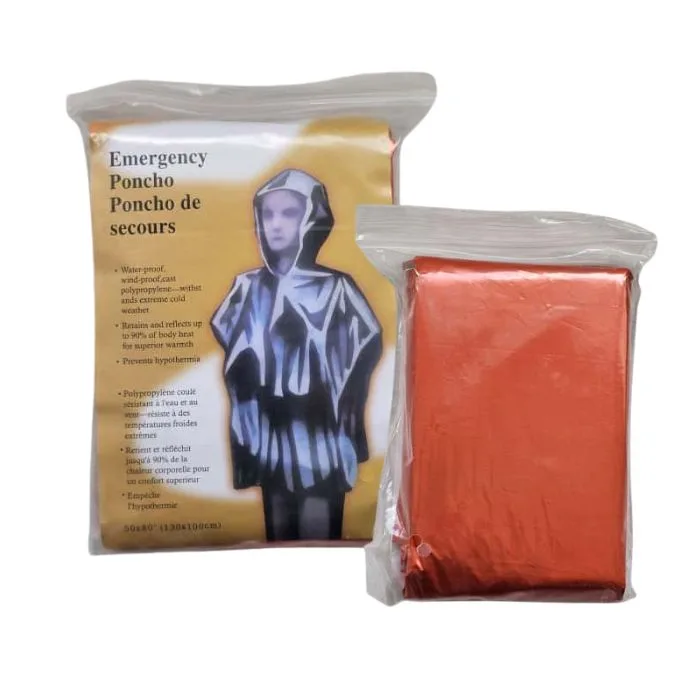
emergency poncho
Whether you're setting up a temporary shelter, protecting your gear from moisture, or creating a clean workspace, an emergency poncho can do it all. By learning a few techniques, you can transform this affordable item into an essential part of your outdoor kit. Let's explore the practical ways to use an emergency poncho as a ground sheet or tarp.
Why Use an Emergency Poncho as a Tarp?
Emergency ponchos are typically made from waterproof polyethylene or similar materials, making them excellent barriers against moisture. When used as a tarp, they can provide overhead protection from rain, sun, or debris. Their lightweight design means you can carry one without adding significant weight to your pack, and they are inexpensive enough to have multiple on hand for various uses.
Unlike heavier tarps, an emergency poncho can be easily deployed in minutes. You can use it to create a lean-to shelter, a simple A-frame, or even a ground cover to keep your sleeping bag dry. This versatility makes it a favorite among ultralight backpackers and emergency preparedness enthusiasts.
- Weighs only a few ounces, so it's easy to carry as a backup.
- Provides instant waterproofing for gear and ground.
- Can be used in multiple configurations for shelter.
Setting Up a Poncho Tarp Shelter
To create a basic tarp shelter, you'll need your emergency poncho, some cordage (paracord or bank line), and a few stakes or natural anchors like trees or rocks. Start by identifying a suitable location away from low spots and overhead hazards. If you have a poncho with grommets or tie-out points, use them to secure the corners. If not, you can place small rocks or pebbles in the corners and tie cordage around them to create anchor points.
For a lean-to configuration, tie one side of the poncho between two trees at shoulder height, then stake the opposite side to the ground at a 45-degree angle. This creates a slanted roof that deflects rain and provides a dry area underneath. Alternatively, you can set up an A-frame by draping the poncho over a ridgeline and staking the corners to form a tent-like structure. These simple setups can be lifesavers in unexpected weather.
- Carry a few small stakes or use natural materials like sticks.
- Practice setting up your poncho tarp at home before heading out.
- Always angle the tarp to allow water runoff away from your sleeping area.
Using a Poncho as a Ground Sheet
One of the most practical uses of an emergency poncho is as a ground sheet. Placing it under your sleeping bag or tent footprint adds a layer of protection against ground moisture, sharp objects, and cold. Simply spread the poncho flat on the ground and place your sleeping pad or tent on top. The waterproof material will keep dampness from seeping through, ensuring a drier and more comfortable night's sleep.
You can also use a poncho as a ground sheet for gear staging or as a clean surface for cooking or changing clothes. In a pinch, it can serve as a makeshift stretcher or a barrier between you and contaminated ground. These extra uses make the emergency poncho a must-have in your survival kit.
- Fold the poncho to fit your sleeping area for better insulation.
- Use it under your tent to protect the tent floor from tears.
- Keep one dedicated as a ground sheet to avoid punctures from debris.
Creative Multi-Use Applications
Beyond shelter and ground protection, an emergency poncho can be used in many creative ways. It can be fashioned into a water collection device by creating a depression and lining it with the poncho to catch rainwater. It can also serve as a signal marker if you choose a brightly colored poncho, or as a protective cover for your backpack or other gear during a downpour.
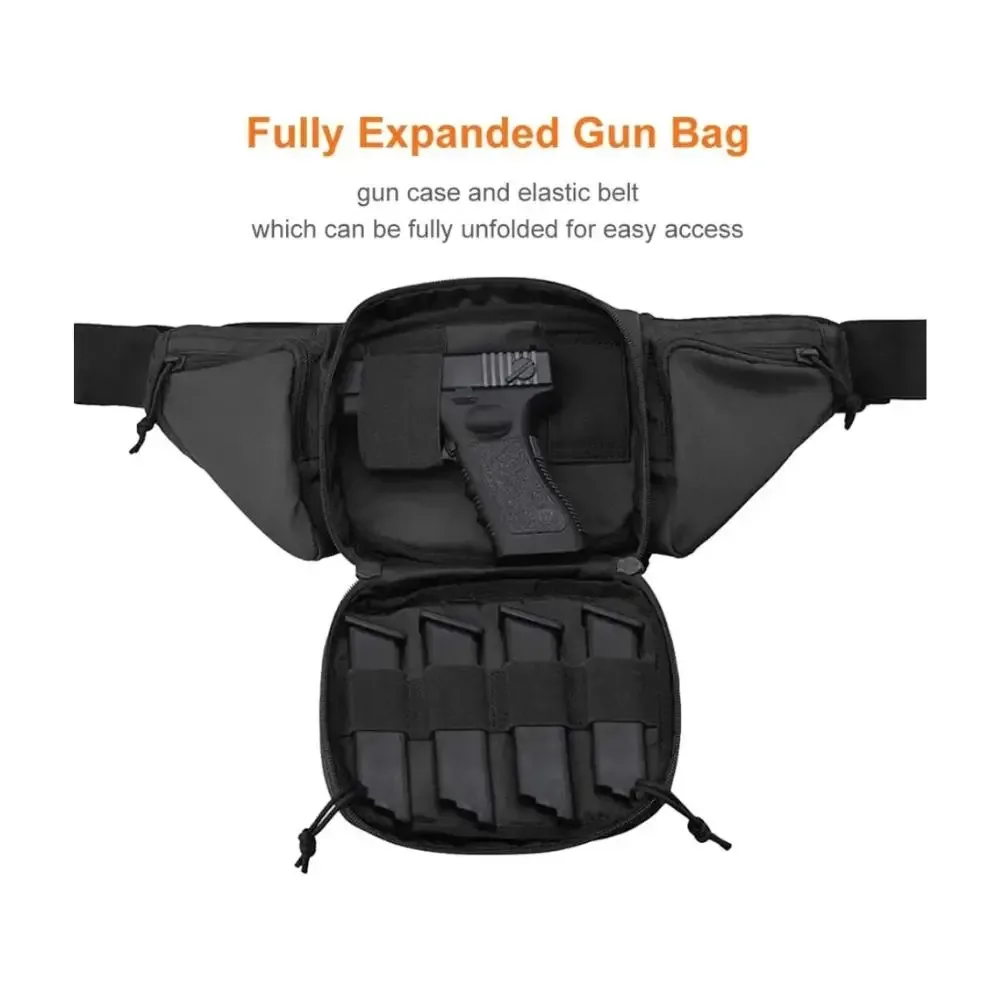
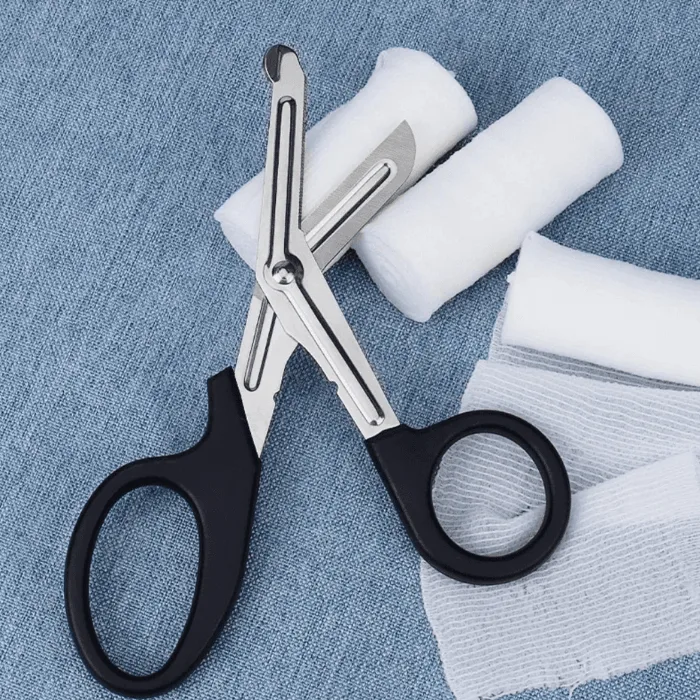
For those who carry a tactical cross body bag or a tactical fanny pack, adding a compact emergency poncho to your EDC ensures you're prepared for sudden weather changes. Pair it with other essentials like emergency shears for cutting cordage or opening packages, and you'll have a versatile kit ready for any situation.
- Use a poncho as a waterproof cover for your backpack or gear.
- Create a simple water catchment by lining a hole with the poncho.
- Bright-colored ponchos can double as emergency signaling devices.
An emergency poncho is more than just rain protection; it's a versatile tool that can serve as a tarp, ground sheet, and much more. By mastering these techniques, you'll be better prepared for outdoor adventures and emergencies. To ensure you always have this essential gear on hand, consider adding a high-quality emergency poncho to your kit today.