When you're building an emergency kit or preparing for outdoor adventures, a poncho is a lightweight, versatile piece of gear that can keep you dry in a downpour. But not all ponchos are created equal. The material it's made from—typically plastic or nylon—affects everything from weight and packability to durability and breathability.
In this buying guide, we'll compare plastic and nylon ponchos across key factors like cost, weight, durability, and intended use. By the end, you'll know exactly which material fits your needs, whether you're a hiker, commuter, or prepper.
Plastic Ponchos: Lightweight and Budget-Friendly
Plastic ponchos, often made from polyethylene or PVC, are the most common type you'll find in emergency kits and at outdoor stores. They're incredibly affordable, often costing just a few dollars, and they pack down to almost nothing. A plastic poncho can be stuffed into a small pocket or a corner of your backpack, making it a convenient backup for unexpected rain.
However, plastic ponchos have significant drawbacks. They are not breathable, which means you'll likely get sweaty inside, especially during physical activity. They also tend to tear easily—a snag on a branch or a sharp edge can rip the material. For one-time or occasional use, plastic is hard to beat, but for repeated use or rugged conditions, you may want something sturdier.
- Pros: Very cheap, ultralight, compact, disposable after heavy use.
- Cons: Not breathable, low tear resistance, can degrade in sunlight.
Nylon Ponchos: Durable and Reusable
Nylon ponchos are a step up in quality and price. Made from woven nylon fabric, often coated with a waterproof layer like polyurethane or silicone, these ponchos are designed to withstand repeated use and harsher conditions. They're more tear-resistant, more breathable (depending on the coating), and they typically last for years with proper care.
The main downside is cost—nylon ponchos can cost several times more than plastic ones. They're also slightly heavier and bulkier, though many still pack down reasonably small. If you're looking for a poncho to keep in your car or bug-out bag for emergencies, a nylon option is a smart investment that won't let you down when you need it most.
- Pros: Superior durability, breathability, and reusability; better protection in wind and rain.
- Cons: Higher cost, heavier, bulkier than plastic.
Key Differences at a Glance
To help you decide, here's a quick comparison of the most important factors between plastic and nylon ponchos. Keep in mind that specific products may vary, but these are general trends.
- Cost: Plastic ($1–$10) vs. Nylon ($20–$100+)
- Weight: Plastic (3–6 oz) vs. Nylon (8–16 oz)
- Durability: Plastic (low) vs. Nylon (high)
- Breathability: Plastic (none) vs. Nylon (moderate, depends on coating)
- Packability: Plastic (excellent) vs. Nylon (good, but larger)
- Best for: Plastic (emergency backup, one-time use) vs. Nylon (repeated outdoor use, survival kits)
How to Choose the Right Poncho for Your Needs
Consider your primary use case. If you're a hiker who wants an ultralight emergency layer that you'll rarely use, a plastic poncho is a smart choice. It's cheap enough to replace and won't weigh you down. On the other hand, if you're a prepper building a go-bag, or you spend a lot of time outdoors in wet climates, a nylon poncho is worth the extra cost for its durability and comfort.
Also think about how often you'll use it. If you expect to wear the poncho for hours at a time, breathability becomes crucial—nylon is the better option. For short, unexpected showers, plastic will suffice. And if you're looking for a poncho to double as a ground sheet or shelter, nylon's tear resistance is a major advantage.
- For ultralight backpacking, choose a plastic poncho to save weight.
- For tactical or survival use, choose a nylon poncho for rugged reliability.
- If you're on a budget, buy a plastic poncho now and upgrade later if needed.
In the end, the best emergency poncho material depends on your priorities. If you want maximum portability and minimal cost, go with plastic. If you need durability and comfort for repeated use, choose nylon. Whichever you pick, make sure to test it before you rely on it in an emergency. For a versatile and reliable option, consider a tactical cross body bag to keep your poncho and other essentials organized and within reach.
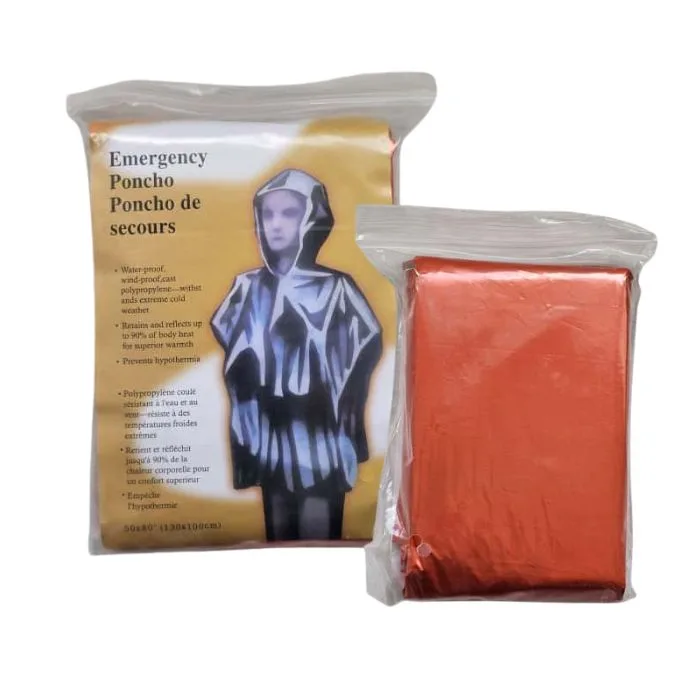
emergency poncho