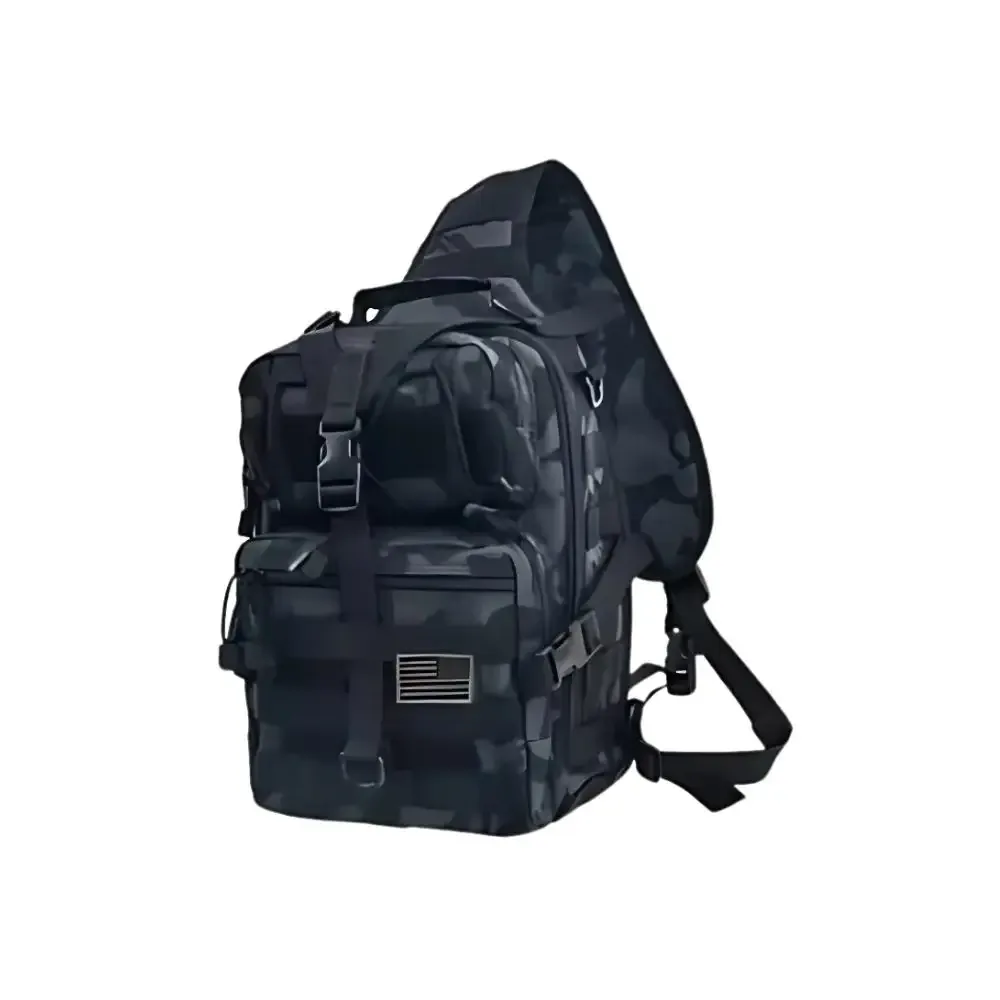
An emergency poncho is one of the most versatile pieces of gear you can carry in your survival kit. Weighing only a few ounces and folding down to the size of a deck of cards, it can mean the difference between staying dry and hypothermic in a sudden downpour. But its utility goes far beyond simple rain protection. In a survival situation, a poncho can become a shelter, a water collector, a signaling device, and even a stretcher.
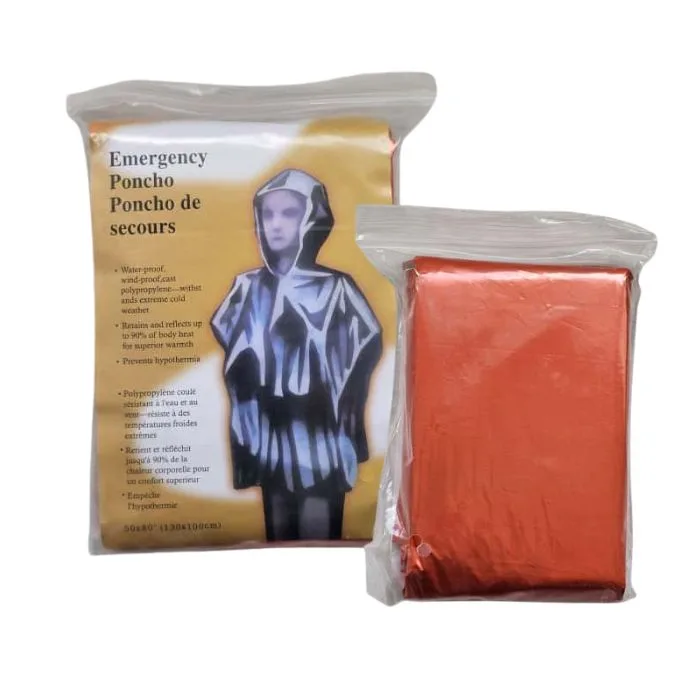
emergency poncho
In this guide, we'll explore seven proven ways to use an emergency poncho in the wilderness. Whether you're a day hiker, a prepper, or a seasoned camper, these techniques will help you get the most out of this lightweight lifesaver. We'll also share tips on what to look for when choosing a poncho, and how to pair it with other essential gear like a tactical flashlight and a multi-tool.
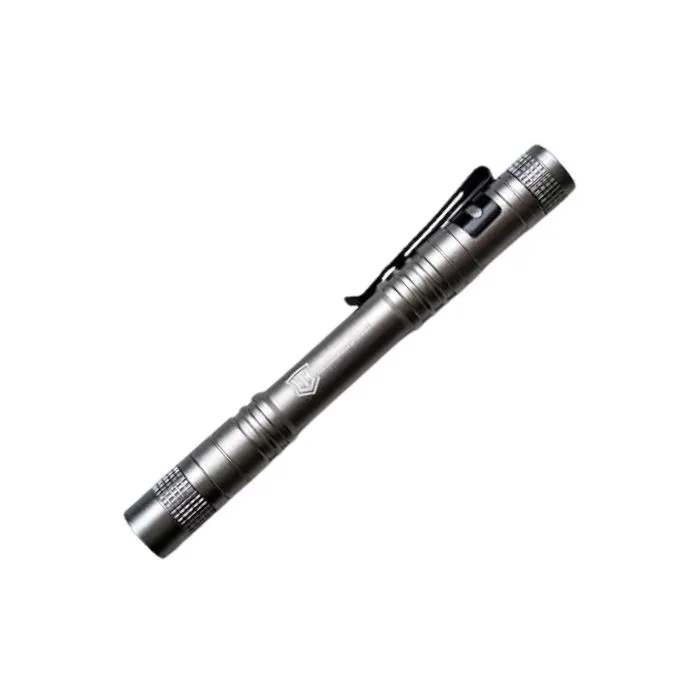
tactical flashlight
1. Poncho Shelter Setup: Building a Quick Tarp Shelter
The most critical use of an emergency poncho is as an improvised shelter. With a few pieces of paracord and some trees or rocks, you can create a waterproof roof that keeps you dry and shields you from wind. The key is to set it up correctly to maximize protection and minimize heat loss.
Start by finding two trees or sturdy branches about 6-8 feet apart. Tie a ridge line between them at a height that allows the poncho to drape at a 45-degree angle. Drape the poncho over the line, with the hood side facing upwind for extra coverage. Secure the corners with stakes or heavy rocks. For a ground sheet, you can use a second poncho or a large leaf litter layer. This simple A-frame shelter can be erected in under five minutes and provides a dry space for one to two people.
- Always carry a few feet of paracord in your kit for shelter setup.
- Practice setting up your poncho shelter at home so you can do it in the dark.
- If you have a reflective emergency blanket, place it under the poncho to reflect body heat.
2. Rain Poncho Emergency: Staying Dry and Warm
The primary function of a poncho is to keep you dry. When you're caught in a rainstorm, wearing a poncho allows air to circulate, reducing sweat buildup and keeping your insulating layers dry. Unlike a jacket, a poncho covers your pack and allows you to move freely.
To use it effectively, put the poncho on over your head and secure the side snaps or toggles. If the poncho has a hood, adjust it to fit snugly around your face. For extra protection, you can use paracord to cinch the sides around your waist, creating a more fitted garment that won't flap in the wind. Remember to keep your hands free by using a walking stick or trekking poles.
- Wear a wide-brimmed hat under the hood to keep rain off your face.
- If the poncho is long, you can sit on the tail for a dry seat during breaks.
- In cold weather, layer a puffy jacket under the poncho for insulation.
3. Poncho Tarp Shelter: Advanced Configurations
Once you master the basic A-frame, you can adapt your poncho into other shelter shapes. The diamond fly, for example, is excellent for windy conditions. Fold the poncho diagonally to form a diamond, then tie the corners to low branches or stakes. This creates a low-profile shelter that sheds wind and rain effectively.
Another option is the lean-to, which is ideal when you have a natural windbreak like a fallen log. Drape the poncho over a ridge pole tied between two trees, with one side angled toward the ground. This provides a reflective wall for a campfire and keeps you dry from precipitation. The key is to always orient the opening away from the prevailing wind.
- Use trekking poles as ridge poles if no trees are available.
- Carry a few extra stakes or use heavy stones to secure the corners.
- For a larger shelter, combine two ponchos with a grommet kit.
4. Water Collection and Purification
An emergency poncho can be a lifesaver when it comes to collecting drinking water. In a survival situation, you can use the poncho as a rain catchment. Spread it out under a tree during a downpour, with the center slightly depressed to funnel water into a container. The hood can serve as a natural funnel.
You can also create a solar still using the poncho. Dig a hole, place a container at the bottom, and cover the hole with the poncho, securing the edges with rocks. Place a small stone in the center to create a dip. As the sun heats the ground, condensation forms on the poncho and drips into the container. This method works best in arid environments and can yield a small amount of water over several hours.
- Always purify collected water using a filter or purification tablets.
- If the poncho is new, wash it with soap and water before using for water collection.
- In a pinch, you can suck water from the hood after a rain shower.
5. Signaling and Visibility
Many emergency ponchos come in bright colors like orange or yellow, making them excellent signaling devices. If you're lost, spread the poncho on the ground or tie it to a tree to attract the attention of search and rescue aircraft. The bright color can be seen from miles away.
You can also use the poncho to create a signal fire. Cut strips from the poncho and use them as tinder, or place the poncho over a smoky fire to create a column of smoke. If the poncho is reflective, use it to flash sunlight toward distant rescuers. Always keep the poncho accessible, not buried in your pack.
- Choose a poncho in a bright color for maximum visibility.
- Practice using a signal mirror or the poncho's reflective surface for flashing.
- Use the poncho to cover a signal fire to create smoke puffs.
6. Improvised Stretcher and Gear Protection
In an emergency, a poncho can be converted into a stretcher to carry an injured person. Lay the poncho flat, place the patient in the center, and roll the sides inward to create handles. You can also use two poles or branches threaded through the side hems for a more stable stretcher. This is a temporary solution until professional help arrives.
Additionally, the poncho can protect your gear from the elements. Wrap it around your pack to keep your sleeping bag and clothes dry. You can also use it as a ground cloth to keep your sleeping area dry. When you're not using it, roll it up and secure it to the outside of your pack for quick access.
- Practice making a stretcher with a friend to ensure you can do it quickly.
- Use the poncho as a waterproof cover for your pack during river crossings.
- Lay the poncho on the ground to keep your firewood dry.
7. Additional Survival Poncho Tips
To get the most out of your emergency poncho, integrate it into your overall survival kit. Pair it with a reliable tactical flashlight for nighttime shelter setup, and carry a multi-tool for cutting paracord and adjusting your setup. The poncho is also a great addition to your vehicle emergency kit, along with a pet collapsible water/food bowl if you travel with a dog.
When choosing an emergency poncho, look for one that is durable, waterproof, and large enough to cover you and your pack. Some ponchos come with reinforced grommets and taped seams, which are worth the extra cost. Practice using your poncho in your backyard so you're familiar with its features before you need them in a real survival situation.
- Store your poncho in an accessible pocket, not at the bottom of your pack.
- Consider carrying a spare poncho as a backup or for a partner.
- Use a poncho liner or blanket for added warmth inside your shelter.
An emergency poncho is a small investment that can pay off big in a survival scenario. By mastering these seven uses, you'll be prepared to stay dry, build shelter, collect water, and signal for help. Remember to practice these skills before you need them, and always carry your poncho with you. For a reliable and durable option, check out the Tactical Cross Body Bag Large, which has plenty of room for your poncho and other survival gear.