When it comes to customizing your backpack for outdoor adventures, the attachment system you choose can make or break your experience. For years, MOLLE (Modular Lightweight Load-carrying Equipment) has been the standard for attaching pouches, accessories, and gear to tactical and hiking packs. But Eberlestock has introduced its own modular attachment system, EMOD (Eberlestock Modular Organizer Device), designed to offer a more streamlined and versatile alternative.
In this comparison, we'll dive into the differences between EMOD and traditional MOLLE, explore the benefits of each, and help you decide which system is better for your specific needs. Whether you're a hunter, hiker, or tactical user, understanding these attachment methods is key to optimizing your gear setup.
What Is the EMOD System?
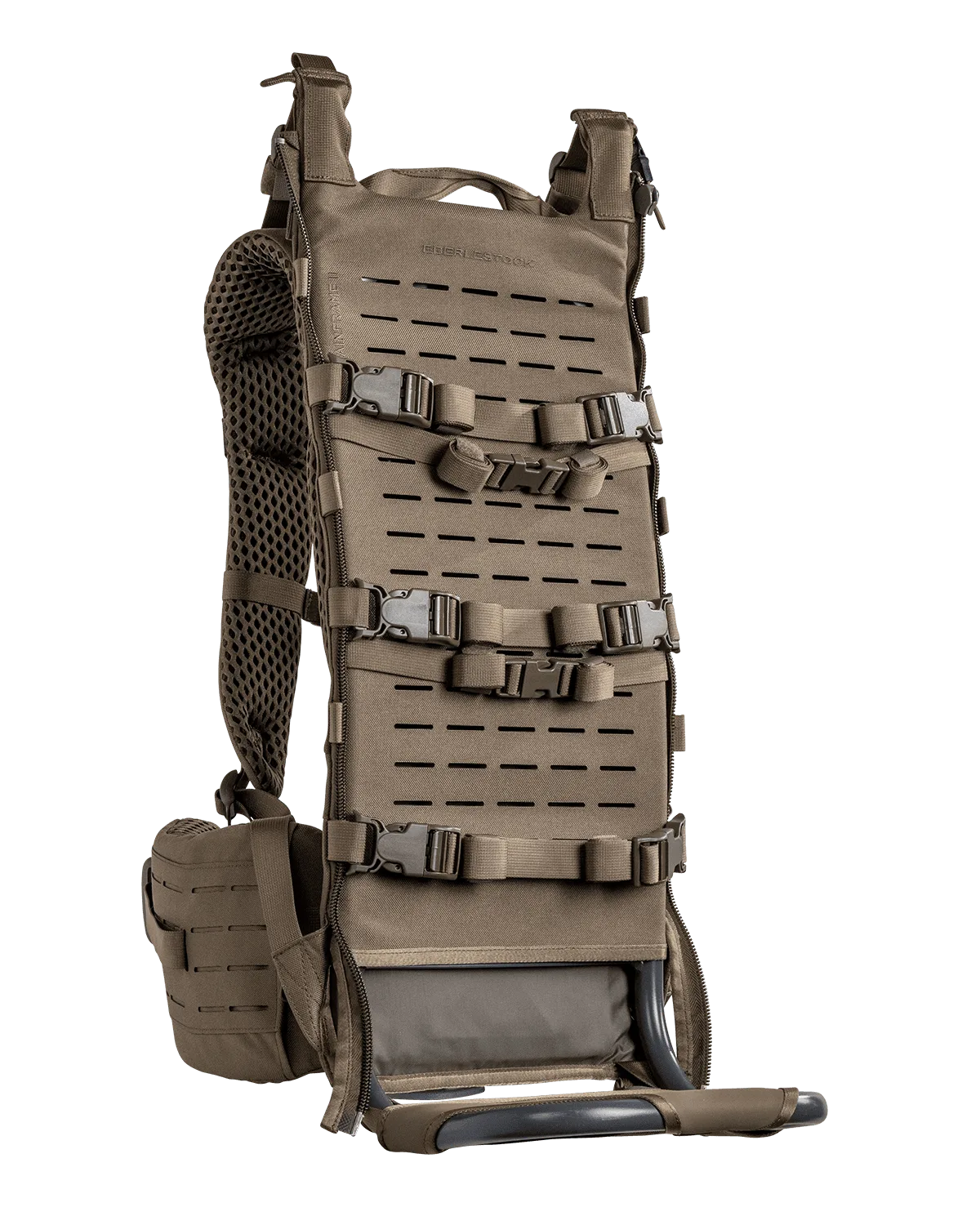
The EMOD system is Eberlestock's proprietary modular attachment method, featured on many of their packs like the Mainframe II and the Recon Modular Bino Pack. Instead of the traditional webbing loops of MOLLE, EMOD uses a series of horizontal and vertical slots that allow for quick and secure attachment of compatible pouches and accessories. The design is sleek, low-profile, and integrates seamlessly with the pack's structure, reducing bulk and snag hazards.
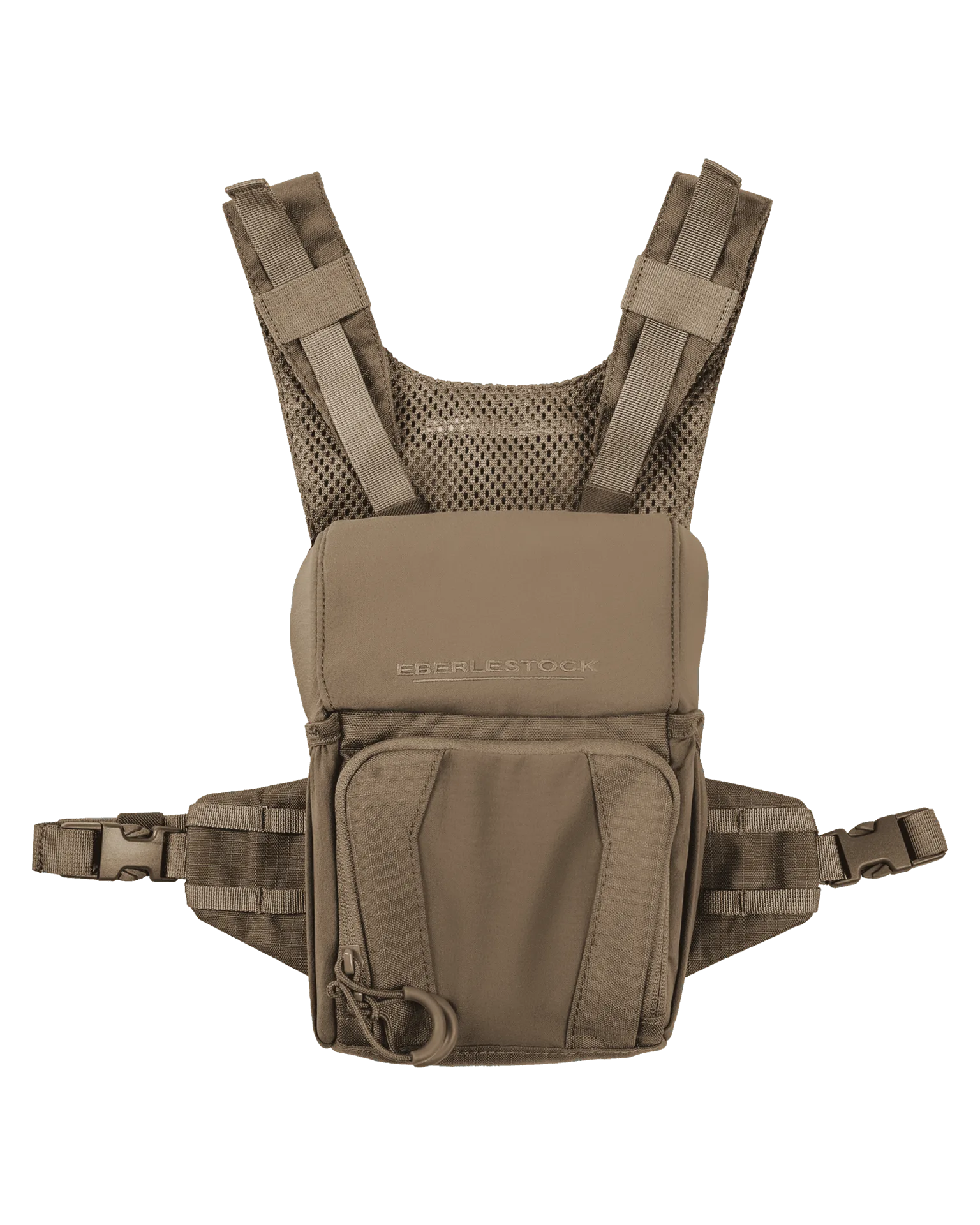
Recon Modular Bino Pack
EMOD is built for speed and simplicity. Attachments slide into the slots and lock into place, often with a simple push or twist. This makes it easier to swap gear on the fly, even with gloves on. The system is also designed to be more rigid, providing a stable platform for heavier items like binoculars or camera equipment.
- Low-profile design reduces snag risk
- Quick and tool-free attachment
- Stable platform for heavy gear
What Is Traditional MOLLE?
Traditional MOLLE, also known as PALS (Pouch Attachment Ladder System), consists of rows of heavy-duty nylon webbing stitched horizontally across the pack. Pouches with corresponding straps are woven through the webbing to secure them in place. This system has been the military standard for decades and is widely used across the industry.
MOLLE's main advantage is its universality. There are thousands of compatible pouches and accessories from various manufacturers, making it easy to find gear that fits. However, the webbing can be bulky and may snag on brush or gear. Attaching and removing pouches can also be time-consuming, especially when you're in a hurry or wearing gloves.
- Widely compatible with many brands
- Proven durability in military use
- Can be time-consuming to attach/detach
EMOD vs. MOLLE: Key Differences
The most obvious difference is the attachment mechanism. EMOD uses a slot-and-lock system, while MOLLE relies on weaving straps through webbing. This translates to faster, easier attachment with EMOD, but at the cost of compatibility. EMOD is proprietary to Eberlestock, so you're limited to their accessories and those designed specifically for it. However, Eberlestock offers a range of EMOD-compatible accessories, including the Fade Sling and the Standard Shoulder Harness, which can be used with their packs.
Another key difference is weight and bulk. EMOD's low-profile design is lighter and more streamlined compared to traditional MOLLE webbing, which can add unnecessary weight and bulk to your pack. For ultralight enthusiasts, this could be a deciding factor. On the other hand, MOLLE's webbing is incredibly robust and has a proven track record in extreme conditions, making it a reliable choice for hardcore users.
- EMOD: faster, lighter, but proprietary
- MOLLE: universal, durable, but bulkier
- Consider your need for compatibility vs. speed
Compatibility and Versatility
When it comes to compatibility, traditional MOLLE wins hands down. You can find MOLLE-compatible pouches for everything from first aid kits to radio holders, from countless brands. If you have a collection of MOLLE gear already, sticking with MOLLE might be more cost-effective. However, Eberlestock's EMOD system is designed to work seamlessly with their own accessories, and they offer adapters that allow you to use MOLLE pouches on EMOD packs, though this adds a layer of complexity.
For hunters and outdoor enthusiasts, the EMOD system offers a cleaner, more streamlined setup that integrates with specific gear like the Recon Modular Bino Pack. This pack is designed with EMOD slots that allow you to attach binoculars, rangefinders, and other hunting essentials directly to the pack's front, keeping them within easy reach. This level of integration is harder to achieve with traditional MOLLE, which often requires additional adapters or custom modifications.
- MOLLE: universal compatibility with many brands
- EMOD: optimized for Eberlestock accessories
- Adapters available for cross-compatibility
Which System Is Better for You?
The answer depends on your priorities. If you value speed, low weight, and a clean profile, EMOD is likely the better choice. It's perfect for hunters who need to quickly access gear without fumbling with straps, or for hikers who want to minimize bulk. The Mainframe II, for example, features EMOD slots that allow for easy attachment of compatible accessories, making it a favorite among those who appreciate a modular yet streamlined system.
On the other hand, if you already own a lot of MOLLE gear or require maximum flexibility in terms of third-party accessories, traditional MOLLE is the safer bet. It's also more proven in extreme environments, making it a solid choice for military or tactical applications. Ultimately, both systems are reliable and effective; it's about what fits your specific needs and preferences.
- Choose EMOD for speed and low profile
- Choose MOLLE for compatibility and ruggedness
- Test both systems if possible
In the end, the EMOD system and traditional MOLLE both have their strengths. EMOD offers a modern, efficient attachment method that shines for hunters and outdoor enthusiasts, while MOLLE provides unmatched versatility and durability. Consider your gear collection, your typical activities, and your preference for speed versus compatibility. Whatever you choose, Eberlestock's packs, like the Mainframe II and the Recon Modular Bino Pack, are built to support your modular needs. Explore these options to find the perfect setup for your next adventure.