Quick answer
Choose Emotional Barometer if you need help naming what you feel: its 20 mood cards give you precise vocabulary when 'fine' is the best you can manage. Choose Mood Map if you prefer to locate feelings on a visual grid of axes rather than pick from a list. If you want a structured daily writing habit instead, The Journaling Collection pairs prompts with a journal and may serve you better than either card set.
Mood Map
How Emotional Barometer works
Emotional Barometer is a card game built around a simple problem: it can be remarkably hard to tell other people how we really feel, and often just as hard to get clear about our own moods. The set offers definitions of twenty moods, so instead of defaulting to 'fine' you can point to a card and say what is actually going on. That makes it a practical emotion wheel alternative for anyone who finds abstract wheels too vague or too crowded.
How Mood Map works
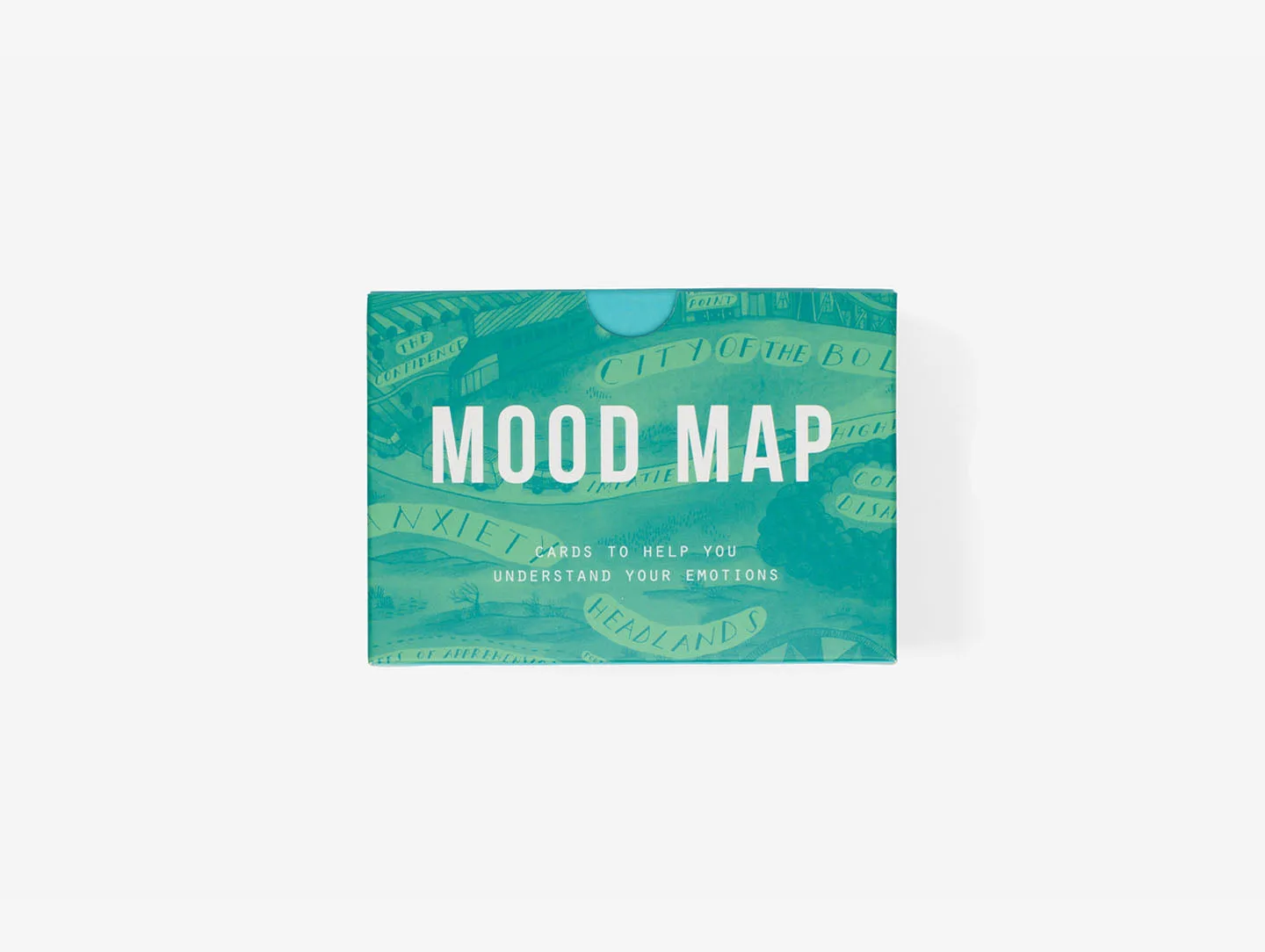
Mood Map takes a different route. Rather than naming a single mood from a list, it plots feelings on axes, so you locate your state somewhere on a spectrum instead of choosing one label. This suits people who experience emotions as blended or shifting rather than discrete. The trade-off is that a map gives you coordinates, not definitions, so it rewards users who already have some emotional vocabulary to bring to it.
Which tool fits your way of thinking
If you freeze when asked how you feel, start with Emotional Barometer. The definitions do the heavy lifting, which is why it works well in therapy-adjacent conversations, couples check-ins, or any moment when you need to be understood quickly. If you already notice that you feel 'partly anxious, partly relieved' and want to see that complexity laid out, Mood Map will feel more honest to your experience. Neither is more advanced; they simply match different habits of mind.
Where Stoicism Cards fit in
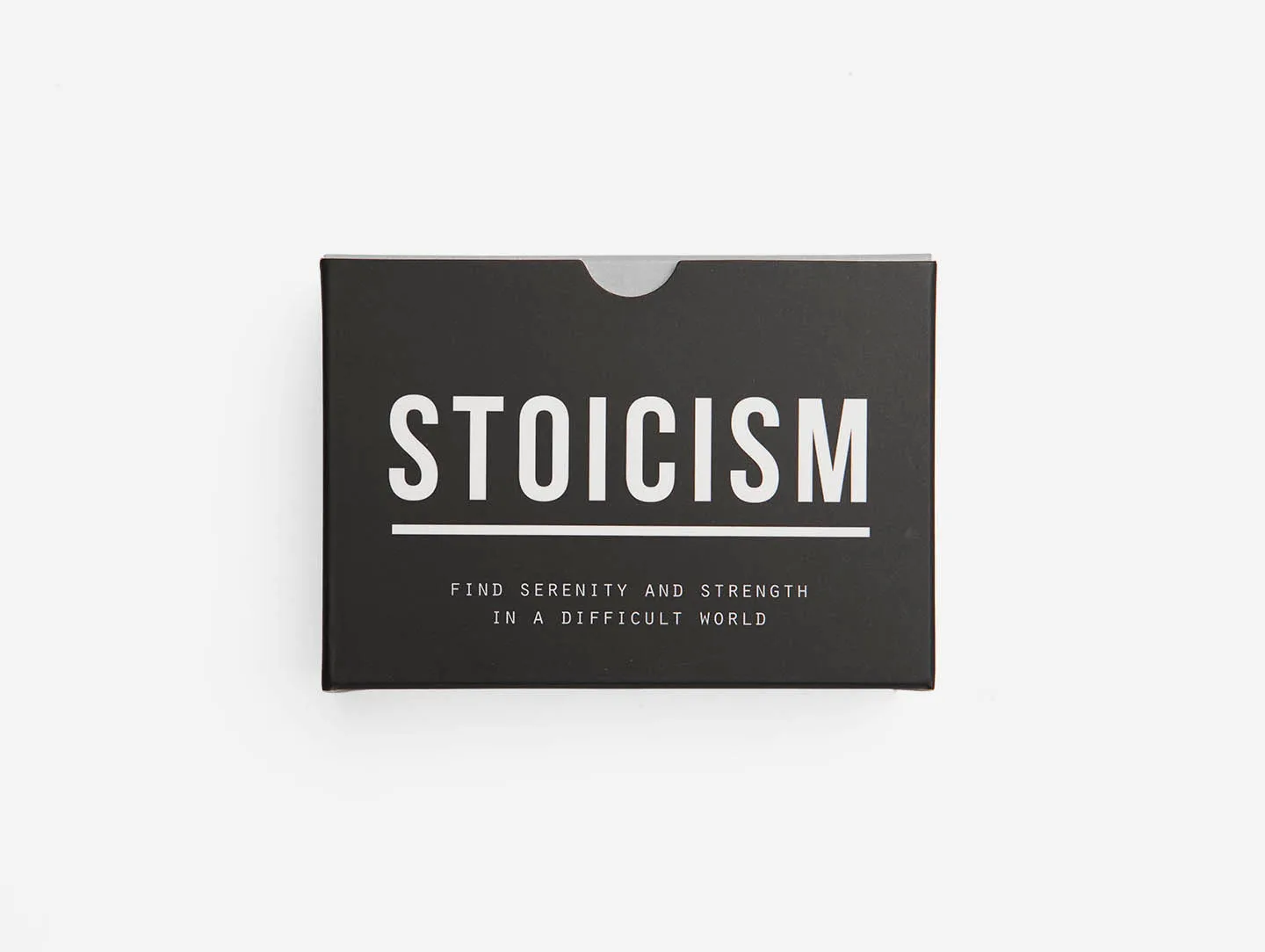
A third option sits beside both: Stoicism Cards. They draw on a philosophy that originated in Greece around 300 BCE and taught practical advice on flourishing, and they are useful when you want to respond to a feeling rather than only identify it. They are not a mood-tracking tool, so treat them as a complement, not a substitute, for either the Barometer or the Map.
Trade-offs to weigh before you buy
- Naming vs. locating: Emotional Barometer gives you twenty ready-made mood definitions; Mood Map asks you to place a feeling on axes yourself. Pick the Barometer if you want words supplied; pick the Map if you want to describe nuance without labels.
- Speed of use: The Barometer can be used in a single exchange because a card does the explaining; a map rewards a slower, more reflective pass. For quick check-ins with a partner or therapist, the Barometer is the lower-friction option.
- Room for complexity: A map can hold mixed or in-between states that a single mood card cannot capture. If your feelings rarely arrive one at a time, the Map will feel less reductive.
- Beyond the deck: Neither card set builds a written record; The Journaling Collection adds a Writing Journal and prompt cards for that purpose. Choose the Collection if you want a habit, not just a conversation tool.
Product facts at a glance
- Emotional Barometer: Emotional Barometer is a card tool offering definitions of twenty moods to help us overcome vagueness about how we feel. The built-in definitions mean you do not need prior emotional vocabulary to use it, making it the easier starting point for feelings tracking.
- Stoicism Cards: Stoicism Cards draw on Stoicism, a philosophy originating in Greece around 300 BCE that taught practical advice on flourishing. Useful as a response tool after you have named a mood, not as a replacement for a naming or mapping deck.
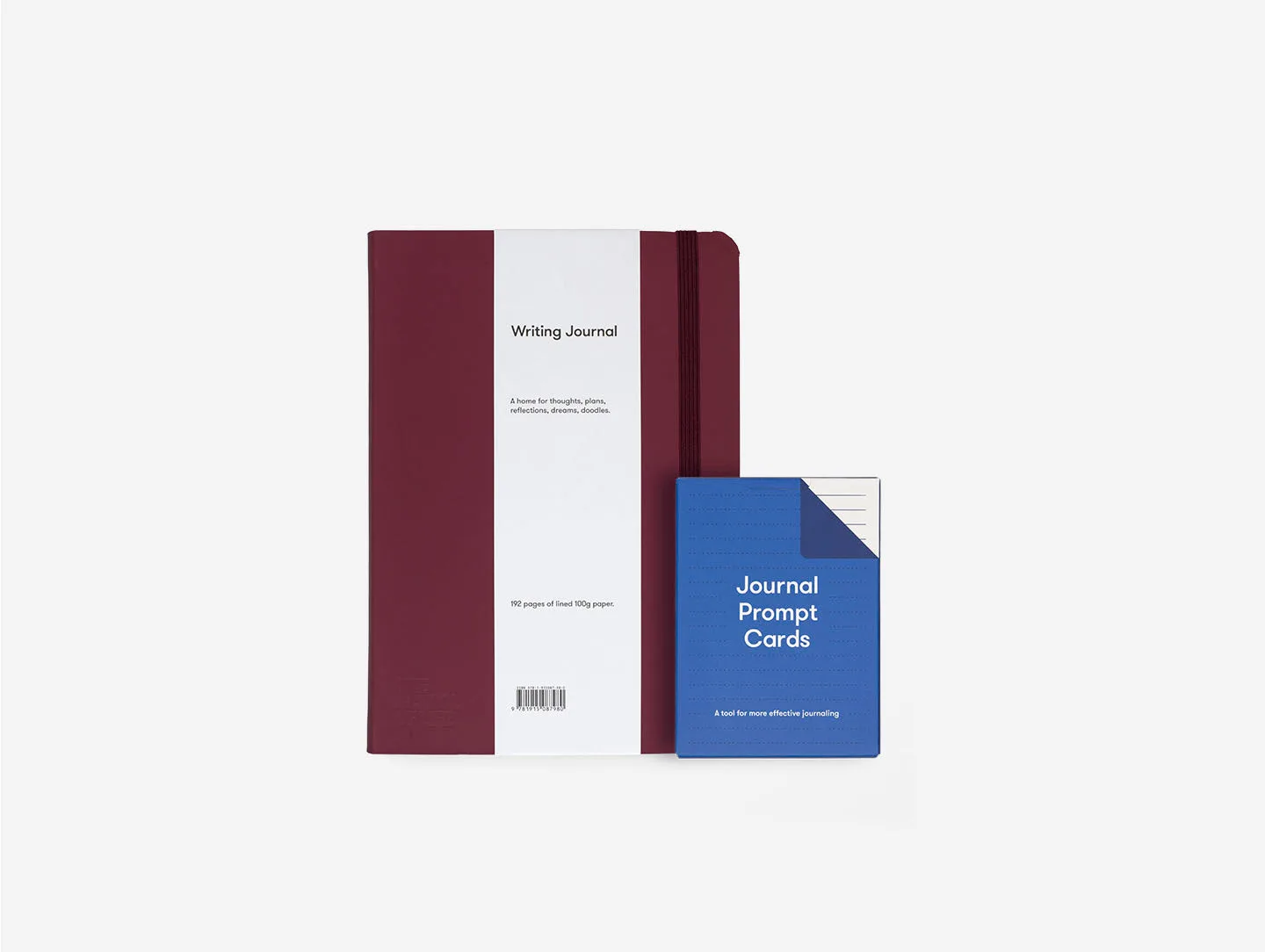
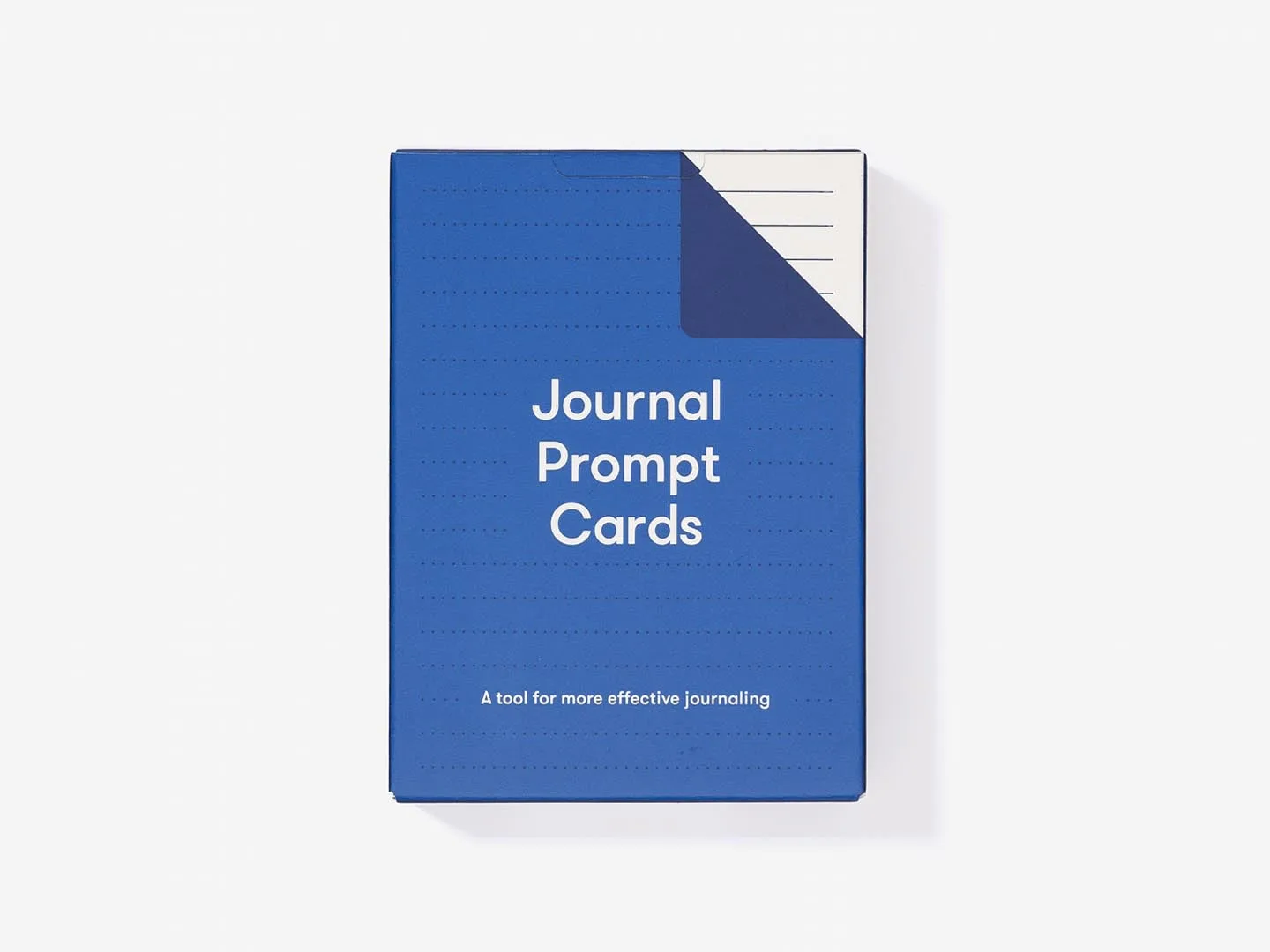
- The Journaling Collection: The Journaling Collection is a gift set featuring Journal Prompt Cards and a Writing Journal. If your goal is a regular reflective practice rather than in-the-moment labeling, a prompt-and-journal set covers more ground than cards alone.
Who should choose which
Best for
- Anyone who defaults to 'fine' and needs help naming specific moods
- Therapy or couples conversations where quick, shared vocabulary matters
- People who find a twenty-mood deck easier than a visual emotion wheel
Not for
- People who already describe feelings in nuanced, mixed terms and want to plot them
- Anyone seeking a written journaling practice rather than a card-based check-in
- Readers looking for philosophical responses to emotion rather than mood identification