Quick answer
For everyday wear, rubber backs are the easiest to live with because they push on and pull off without tools. For long-term security, locking metal clasps win because they resist accidental release. If you display pins on a board and rarely move them, standard metal butterfly clasps are fine. The trade-off is convenience versus grip: rubber is quick but wears out, metal is secure but can loosen with repeated handling.
How the three main backing types actually behave
Rubber backs are the soft, black or clear nubs that push onto the pin post. They rely on friction, so they go on fast and come off with a firm pull. The weakness is that rubber stretches and hardens over time, especially if you swap pins often. A rubber back that has lost its grip will slide off a jacket or lanyard without warning.
Standard metal butterfly clasps use two curled wings that you squeeze to release. They hold tighter than rubber when new, but the tension depends on how often you bend the wings. After enough cycles, the wings can flatten and the clasp will rotate or slip. This is the most common backing on inexpensive pins, and it is also the easiest to replace because the size is fairly standard.
Locking pin backs, sometimes called locking clasps, use a small set screw or a spring-loaded mechanism that you tighten with a hex key or a twist. They are the most secure option for a pin you wear on a backpack, hat, or denim jacket that sees real movement. The trade-off is that you need the tool or a deliberate motion to remove them, which is inconvenient if you change pins daily.
What to check before you buy a replacement backing
Measure the pin post diameter first. Most enamel pins use a post around 1 mm to 1.2 mm, but a backing sized for a thicker post will feel loose and a backing sized for a thinner post may not slide on at all. If you are replacing a lost backing, the safest move is to match the original type rather than upgrade blindly.
Second, think about how the pin will be used. A pin that stays on a display board does not need a locking clasp. A pin that rides on a bag strap or a child's backpack does. Third, consider the thickness of the fabric. A rubber back sits flat against the fabric, while a locking clasp adds a little bulk. On a thin shirt, that bulk can make the pin tilt forward.
Finally, buy replacements in small packs. Backings are easy to lose, and having two or three spares means you can keep wearing a pin instead of retiring it. If you are buying a pin as a gift, include a spare backing in the card or box so the recipient is not stuck if one goes missing.
How backing choice fits into enamel pin care
Enamel pin care is mostly about avoiding stress on the post and the clasp. Remove a pin by pulling the backing straight off, not by twisting or prying, because side pressure can bend the post. If a rubber back feels stuck, rock it gently rather than yanking. If a metal clasp is stiff, squeeze the wings evenly instead of forcing one side.
Clean the backing area when you clean the pin. Lint and fabric fibers collect around rubber backs and can reduce grip. A dry soft brush or a piece of tape will lift most of it. For locking clasps, check the set screw occasionally; vibration from a backpack strap can loosen it over time. A quarter turn with the hex key is usually enough to keep it snug.
Store spare backings in a small tin or a zip bag, separated by type. Mixing rubber and metal backings in one loose pile makes it harder to grab the right one and can scratch the plating on metal clasps. If you keep pins on a display board, leave the backings on the pins so they stay paired.
Trade-offs at a glance
- Rubber back: Fast to put on and take off, no tools needed. Grip fades as the rubber stretches and hardens. Best if you change pins often and accept replacing backs occasionally.
- Standard metal butterfly clasp: Holds tighter than rubber when new and is widely available as a replacement. Wings can flatten and rotate after repeated use. Best for pins that stay on a display board or are worn only occasionally.
- Locking pin back: Most secure against accidental release, but requires a tool or deliberate motion to remove. Best for pins on backpacks, hats, or jackets that see daily movement.
Paper Wilderness cards that pair well with pin gifts
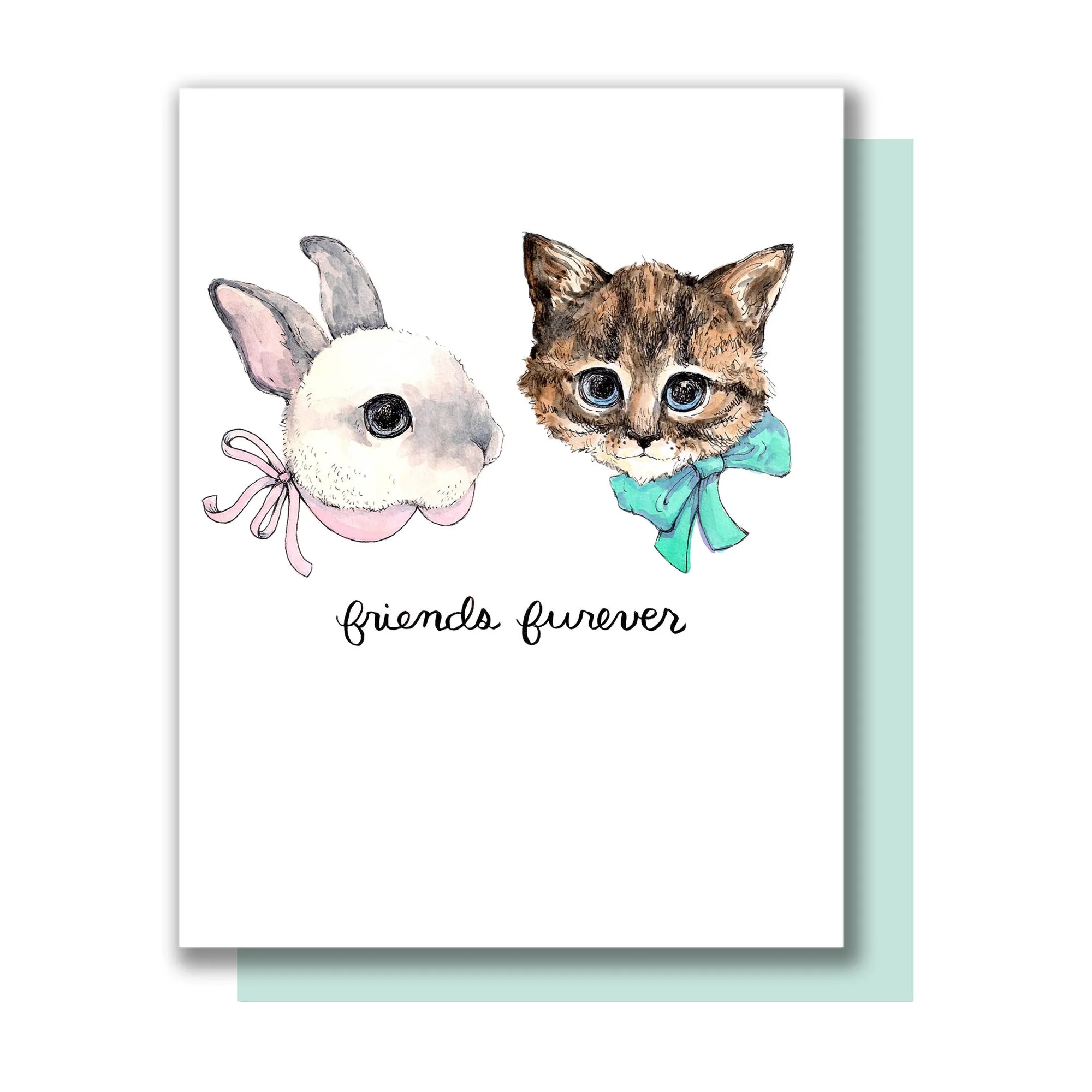
- Friends Furever Bunny Kitten Friendship Best Friends Forever Card: Blank inside with a deep-flap mint envelope, printed on 130 lb. bright white paper. A blank card gives you room to write a note about the pin you are gifting, and the sturdy paper holds up in the mail.
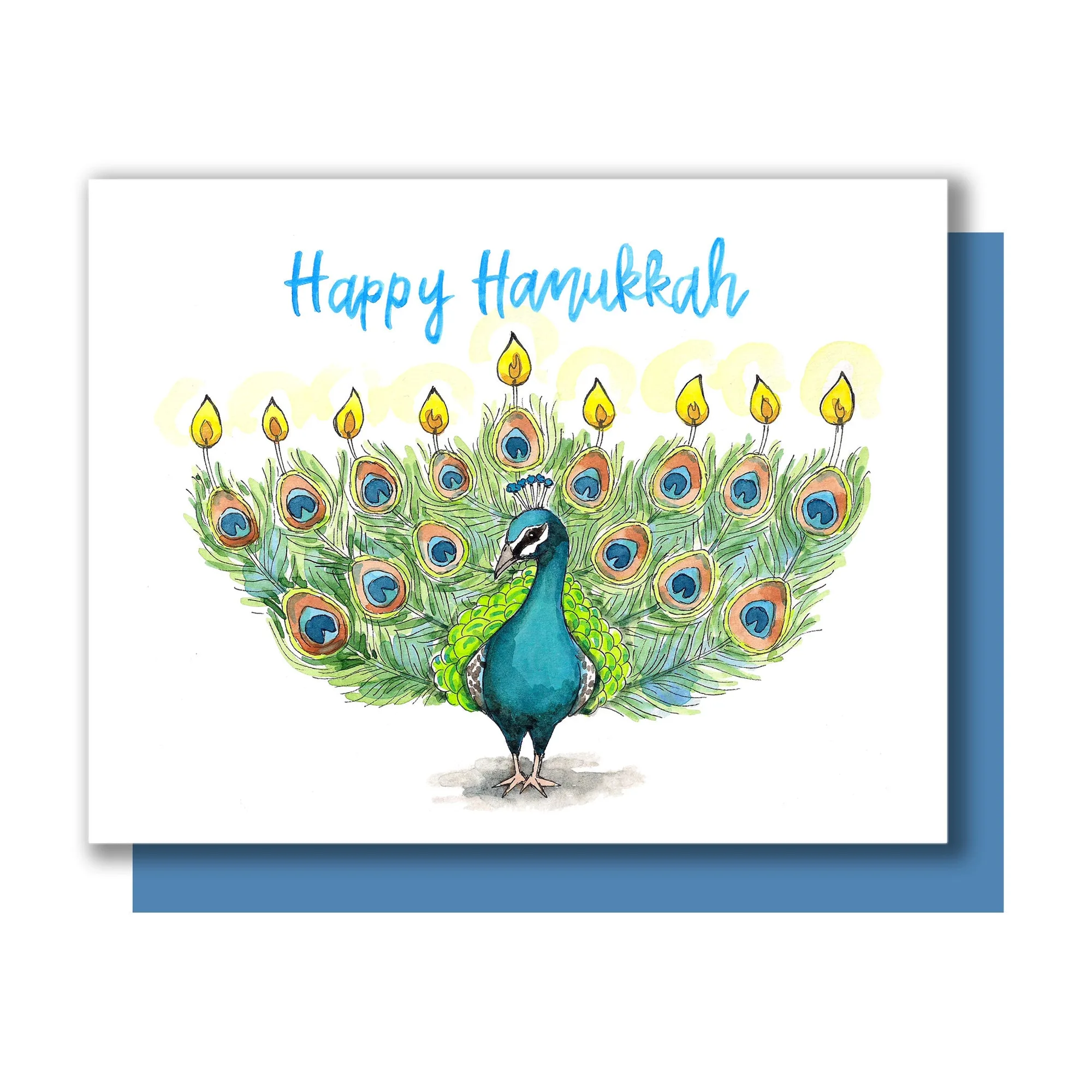
- Happy Hanukkah Peacock Menorah Card: Available as a single card or a boxed set of 8 cards with 8 holiday blue envelopes. If you are giving pins to a group, the boxed set keeps the card and envelope count matched so you are not short one at the last minute.
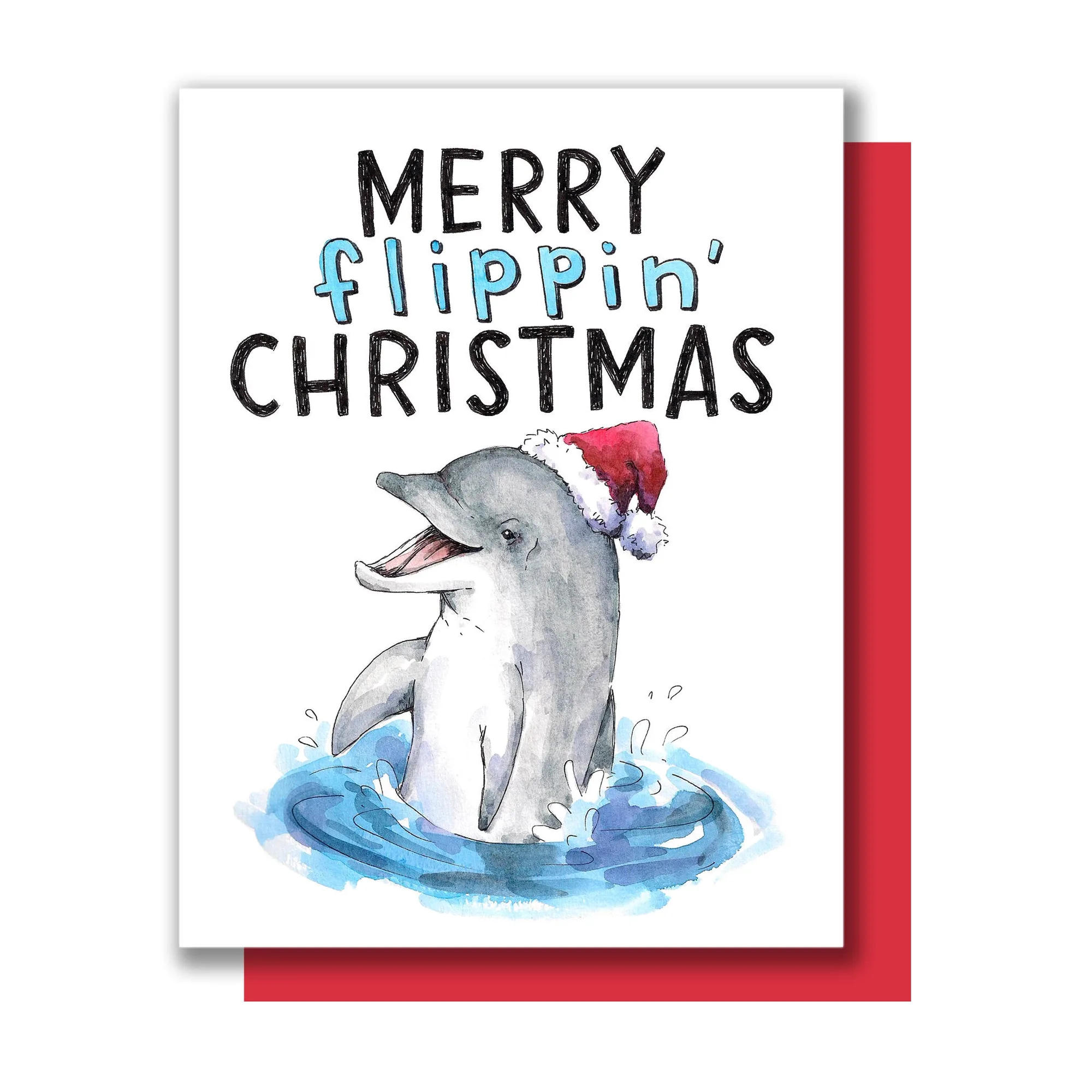
- Merry Flippin' Christmas Dolphin Flipper Christmas Card: Available as a single card or a boxed set of 8 cards with 8 holiday red envelopes. The single-card option is enough for one pin gift, while the boxed set suits a batch of pins for a team or class.
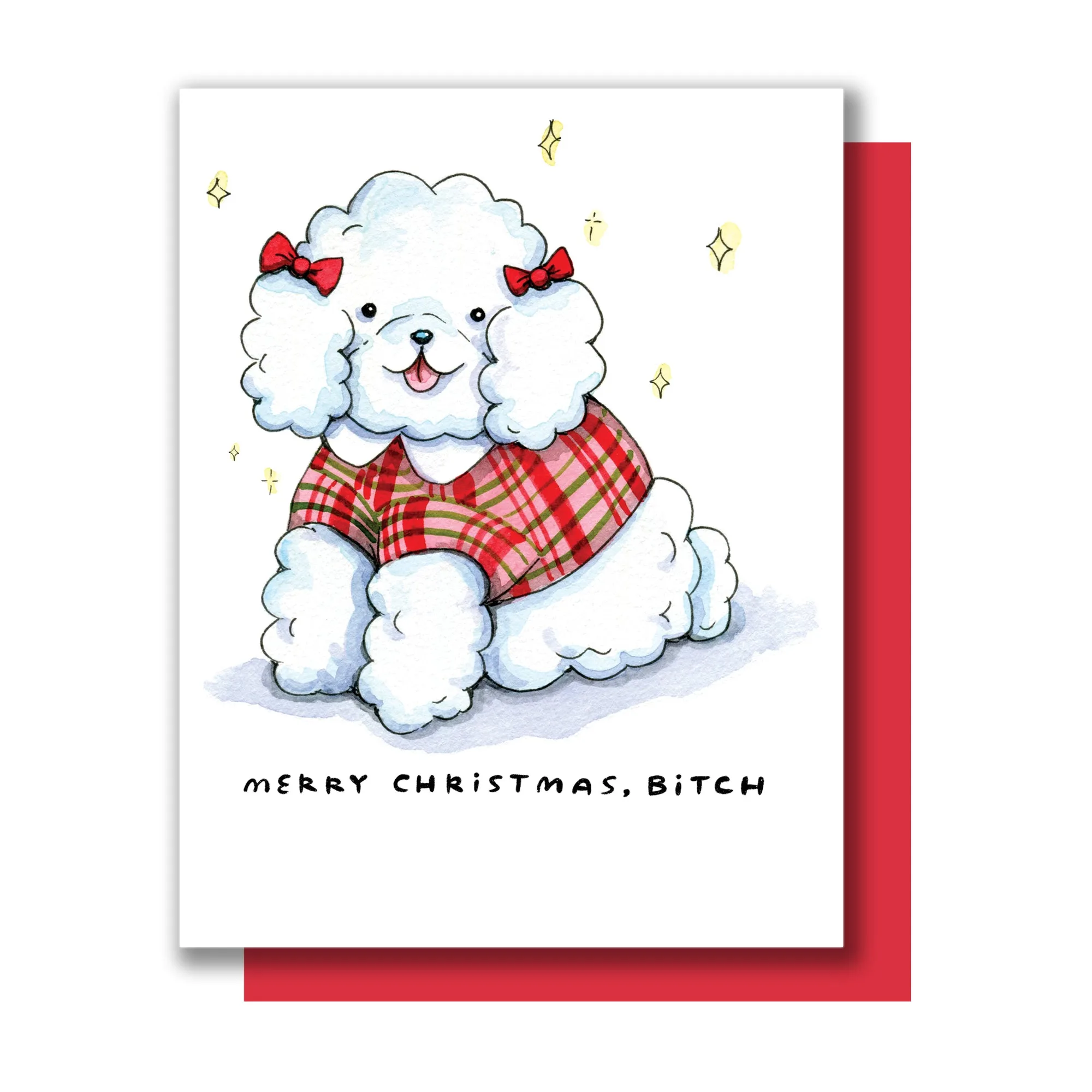
- Merry Christmas Bitch Poodle Holiday Card: Comes as a single card with a deep-flap red envelope or a clear box of 8 cards and envelopes. The clear box keeps the cards visible and protected if you are storing them before the holidays.
Which backing should you choose?
Best for
- Everyday wearers who swap pins often and want tool-free changes
- Display boards where pins rarely move and security is less critical
- Gifts where you include a spare backing so the recipient can choose
Not for
- High-movement use like backpack straps, where a locking clasp is safer
- Thin fabrics that show bulk from a locking clasp
- Anyone who wants a single backing type to solve every pin situation