Quick answer
Clean enamel pins gently with a soft, dry cloth and mild soap only when needed, store them so metal backs never rub against enamel faces, and display them in a spot away from direct sun and humidity. The biggest mistake is over-cleaning with abrasive tools or harsh chemicals, which dulls the enamel faster than everyday wear.
Enamel pins are small, sturdy, and surprisingly easy to damage if you treat them like jewelry. The enamel surface scratches, the metal plating tarnishes, and the rubber or metal backs bend if they are stored in a loose pile.
This routine keeps a collection looking sharp without turning pin care into a chore. It works whether you keep five pins on a denim jacket or fifty on a cork board, and it takes about ten minutes once you have the right habits in place.
Step 1: Clean gently and only when needed
Most enamel pins do not need regular cleaning. Dust and fingerprints come off with a dry microfiber cloth or a soft cotton T-shirt. If a pin has sticky residue from a price tag, dampen a cotton swab with lukewarm water and a drop of mild dish soap, then wipe the enamel face only. Avoid soaking the pin, because moisture can seep behind the metal edges and start corrosion.
Never use acetone, rubbing alcohol, or abrasive pads on enamel. These strip the glossy finish and can lift the color fill. For metal backs and posts, a dry soft-bristle toothbrush removes lint without scratching the plating.
- Checkpoint: if the cloth comes away with color, stop. You are rubbing too hard or using the wrong cleaner.
- Store cleaning supplies away from your pin display so you are not tempted to over-clean.
Step 2: Dry completely before storing or wearing
Any moisture left on a pin is a problem. Water trapped around the post or under the enamel edge causes rust and cloudy spots over time. After cleaning, lay pins face up on a dry towel for at least an hour, or pat the metal parts with a dry cloth and let them air out.
Humidity is the quiet enemy of pin collections. If you live somewhere damp, keep a small silica gel packet in your storage box and replace it every few months. Do not store pins in a bathroom or a damp basement.
- Common mistake: putting a pin back on a jacket while the post is still damp, which traps moisture against fabric and metal.
- Checkpoint: the post and back should feel completely dry to the touch before they go into storage.
Step 3: Store pins so faces never touch metal
The fastest way to scratch enamel is to let pins knock against each other in a jar or bag. Instead, use a pin book, a foam-lined box, or a fabric roll where each pin sits in its own slot. If you use a display board, keep pins spaced at least half an inch apart so backs and posts do not rub.
For pins you are not displaying, a simple system works: a small craft storage box with adjustable dividers, or a felt pin book with pages. Keep rubber backs on the posts during storage, and consider locking pin backs if you travel with a few favorites.
- Pin care tips: label storage sections by theme or season so you actually rotate your collection.
- Common mistake: storing pins loose in a pencil case, where metal backs grind against enamel faces.
Step 4: Display away from sun, heat, and heavy handling
Sunlight fades enamel and can make some colors shift over years. Heat warps rubber backs and can loosen glued posts. Display your pins on an interior wall or a shelf that gets indirect light, and keep them away from radiators, windowsills, and car dashboards.
If you wear pins on a jacket or bag, rotate them every few weeks. Constant friction against a strap or pocket wears down the plating on the edges. For a display board, cork or felt works well because pins push in easily and hold firm without wobbling.
- How to display enamel pins: use a shadow box, a fabric-covered cork board, or a pin banner for a clean look that protects the backs.
- Checkpoint: if a pin feels loose on its post, tighten the back or move it to a lower-traffic spot before it falls.
Step 5: Do a seasonal check and refresh
Once every few months, take your pins off display and give each one a quick look. Check for loose backs, green spots on the metal, or scratches you can buff out with a dry cloth. This is also the moment to swap in different pins for the season or an upcoming event.
If you find a pin with a bent post, do not force it straight with pliers. A gentle bend by hand is usually enough, and forcing it can snap the post. For pins with heavy tarnish, a jeweler’s cloth designed for silver or gold plating can help, but test it on the back first.
- Enamel pin storage tip: keep a small notepad with your collection so you remember which pins are stored away.
- Checkpoint: if you have not worn or displayed a pin in a year, move it to a storage box to free up display space.
Your five-step pin care routine at a glance
- Clean with a dry cloth first: Use a microfiber cloth or soft cotton to remove dust and fingerprints. Only use a damp swab with mild soap for sticky residue, and never soak the pin. Checkpoint: if the cloth picks up color, you are rubbing too hard.
- Dry completely before storage: Lay pins face up on a towel for at least an hour, or pat the metal dry. Add a silica gel packet to damp storage areas. Common mistake: storing a damp pin, which leads to rust and cloudy enamel.
- Store with faces separated: Use a pin book, foam-lined box, or fabric roll so metal backs never touch enamel faces. Keep rubber backs on posts. Checkpoint: pins should not be able to knock against each other in the box.
- Display out of direct sun and heat: Choose an interior wall or shelf with indirect light. Rotate pins on jackets and bags every few weeks to reduce edge wear. Checkpoint: if a pin wobbles on its post, tighten the back or move it.
- Do a seasonal check and refresh: Every few months, inspect for loose backs, tarnish, or scratches. Swap in seasonal pins and move unused ones to storage. Next step: keep a small notepad to track which pins are stored away.
Stationery that pairs well with a pin routine
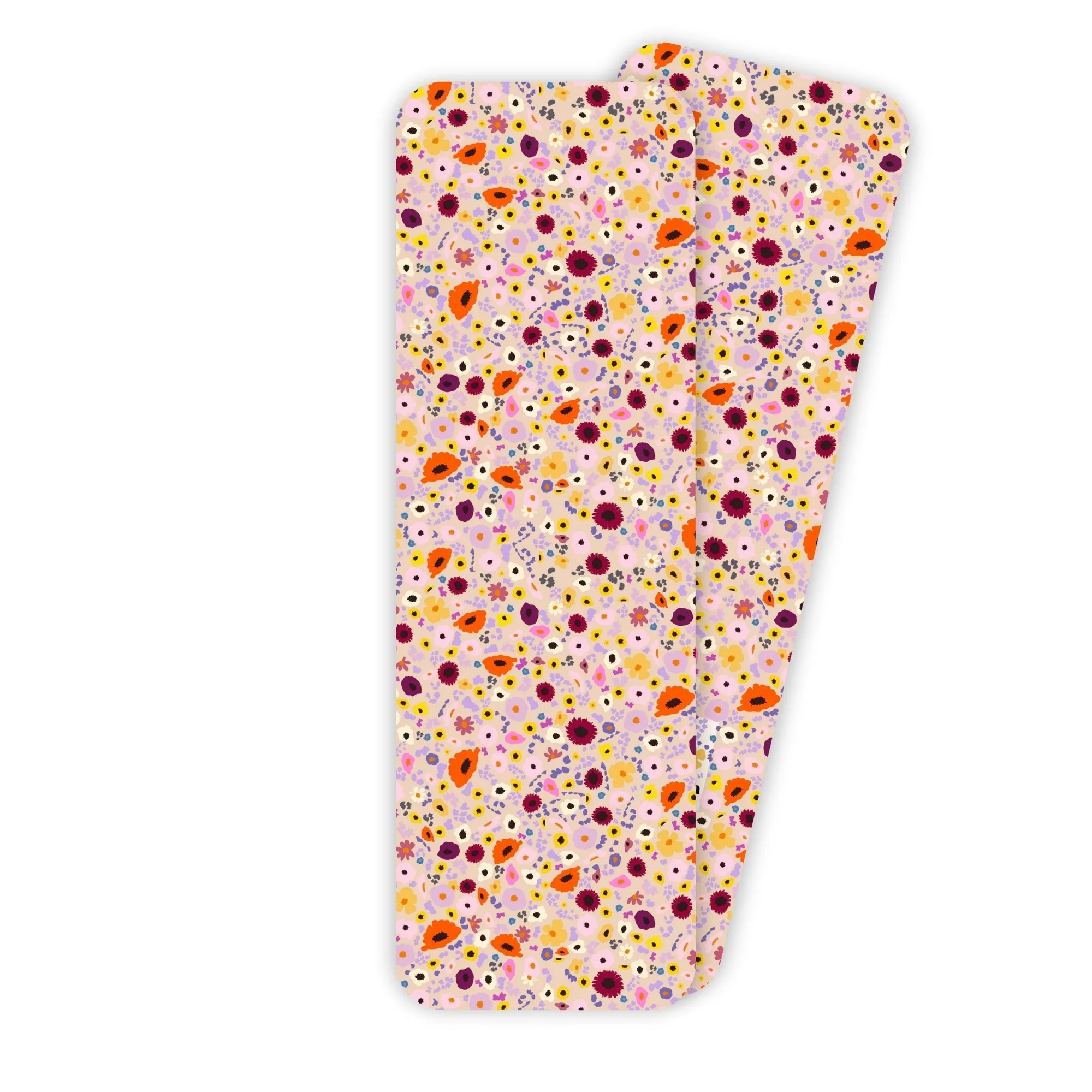
- Folklore Florals Bookmark: Rounded corners, soft touch matte finish on both sides, measures 2 in x 6 in, designed in Charlotte and printed in USA. The matte finish and rounded corners make it a gentle companion for a pin book or display shelf, and it will not scratch enamel if stored in the same box.
- Dog Hair, Don't Care pen: Bright orange barrel with white lettering, black 0.5mm fine point gel ink, illustrated by Katie Valentine. A fine-point gel pen is handy for labeling storage boxes or writing rotation notes without smudging, and the slim barrel fits in a pin-care drawer.
Enamel pin care comes down to a few consistent habits: clean gently, dry fully, store with faces protected, and display away from sun and heat. Do a quick seasonal check and your collection will stay bright and wearable for years.