Slow cooking and braising are culinary techniques that transform tough cuts of meat into tender, flavorful meals. The key to success lies in the cookware you choose. While many materials claim to deliver even heat and moisture retention, enameled cast iron stands out as the undisputed champion for these low-and-slow methods. Its combination of superior heat distribution, durability, and ease of use makes it a staple in professional and home kitchens alike.
In this guide, we explore why enameled cast iron is the best choice for slow cooking and braising, how it compares to traditional cast iron and other materials, and how to select the perfect piece for your kitchen. Whether you're a seasoned cook or a beginner, understanding the benefits of enamel cookware will elevate your cooking and simplify your cleanup.
What Makes Enameled Cast Iron Ideal for Slow Cooking?
Enameled cast iron is essentially traditional cast iron coated with a layer of vitreous enamel, a glass-like finish that bonds to the metal at high temperatures. This coating eliminates the need for seasoning, prevents rust, and creates a non-reactive cooking surface. For slow cooking and braising, these properties are game-changers. The enamel allows you to cook acidic ingredients like tomatoes, wine, or citrus without any metallic taste leaching into your food, which is a common issue with bare cast iron.
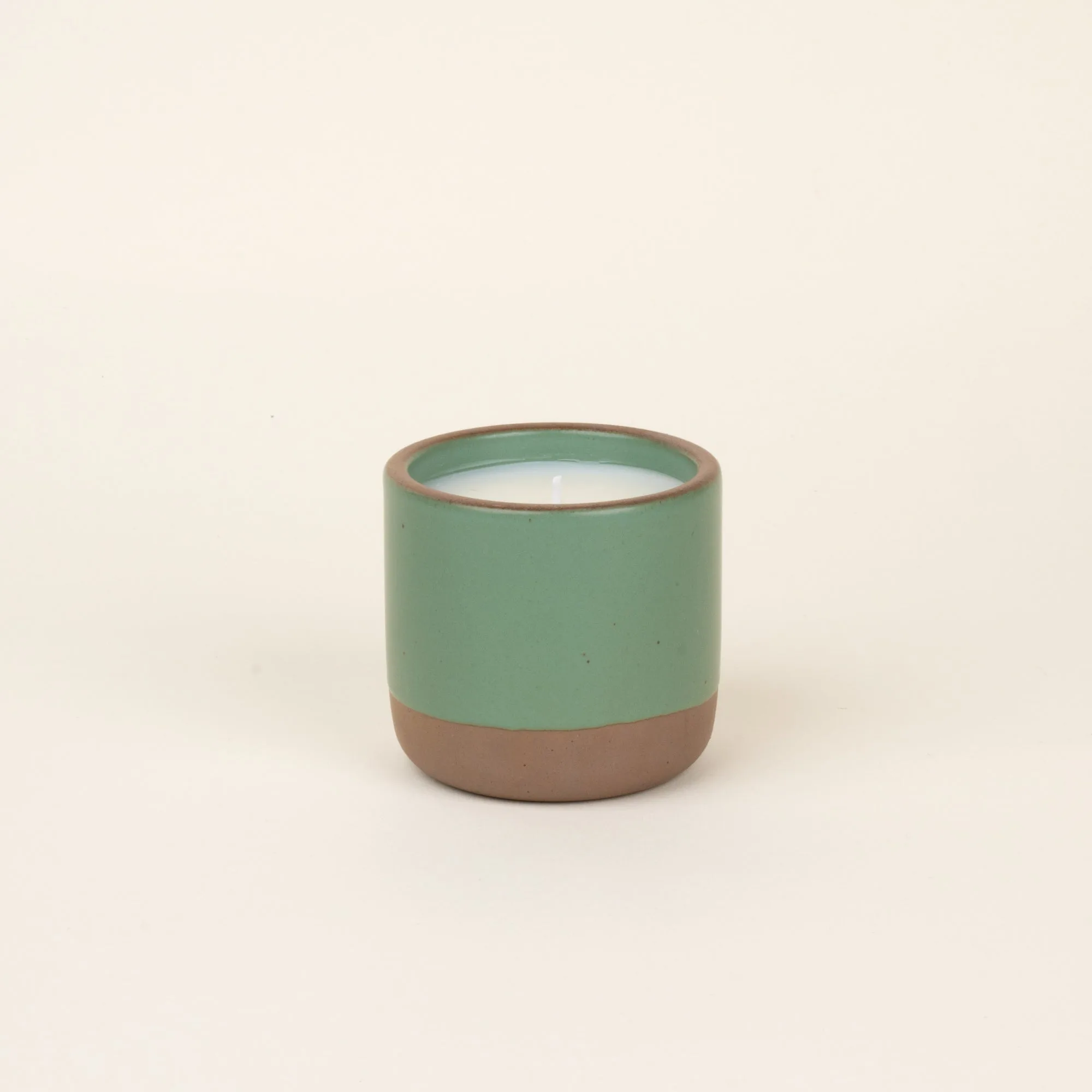
Moreover, enameled cast iron retains heat exceptionally well and distributes it evenly across the entire pot. This means your braised short ribs or slow-cooked stew will cook consistently without hot spots that can burn or undercook portions. The heavy lid creates a tight seal, trapping moisture and steam, which is essential for breaking down collagen in meats and developing deep, rich flavors. Brands like those at East Fork offer beautifully crafted enameled pieces that marry function with aesthetics.
- Enamel coating prevents rust and eliminates seasoning maintenance.
- Non-reactive surface allows cooking with acidic ingredients.
- Even heat distribution ensures consistent cooking results.
- Tight-fitting lid locks in moisture for tender, juicy meats.
Enameled Cast Iron vs. Traditional Cast Iron: Which is Better for Braising?
Traditional cast iron has been a kitchen workhorse for centuries, but it comes with limitations. It requires regular seasoning to maintain its non-stick properties and prevent rust. It can also react with acidic foods, imparting an off-flavor. Enameled cast iron solves both problems while retaining the heat retention and even cooking that cast iron is famous for. For braising, where you often deglaze with wine or add tomatoes, enameled cookware is the clear winner.
Another advantage is ease of cleaning. With bare cast iron, you must avoid soap and scrub gently to preserve the seasoning. Enameled surfaces can be washed with soap and water, and many are dishwasher-safe, though hand washing is recommended to preserve the finish. If you're looking for a versatile, low-maintenance option that can go from stovetop to oven to table, enameled cast iron is the superior choice. For serving, consider pairing your cookware with durable pieces like the Gabri Tumblers, Pair to complete your dining experience.
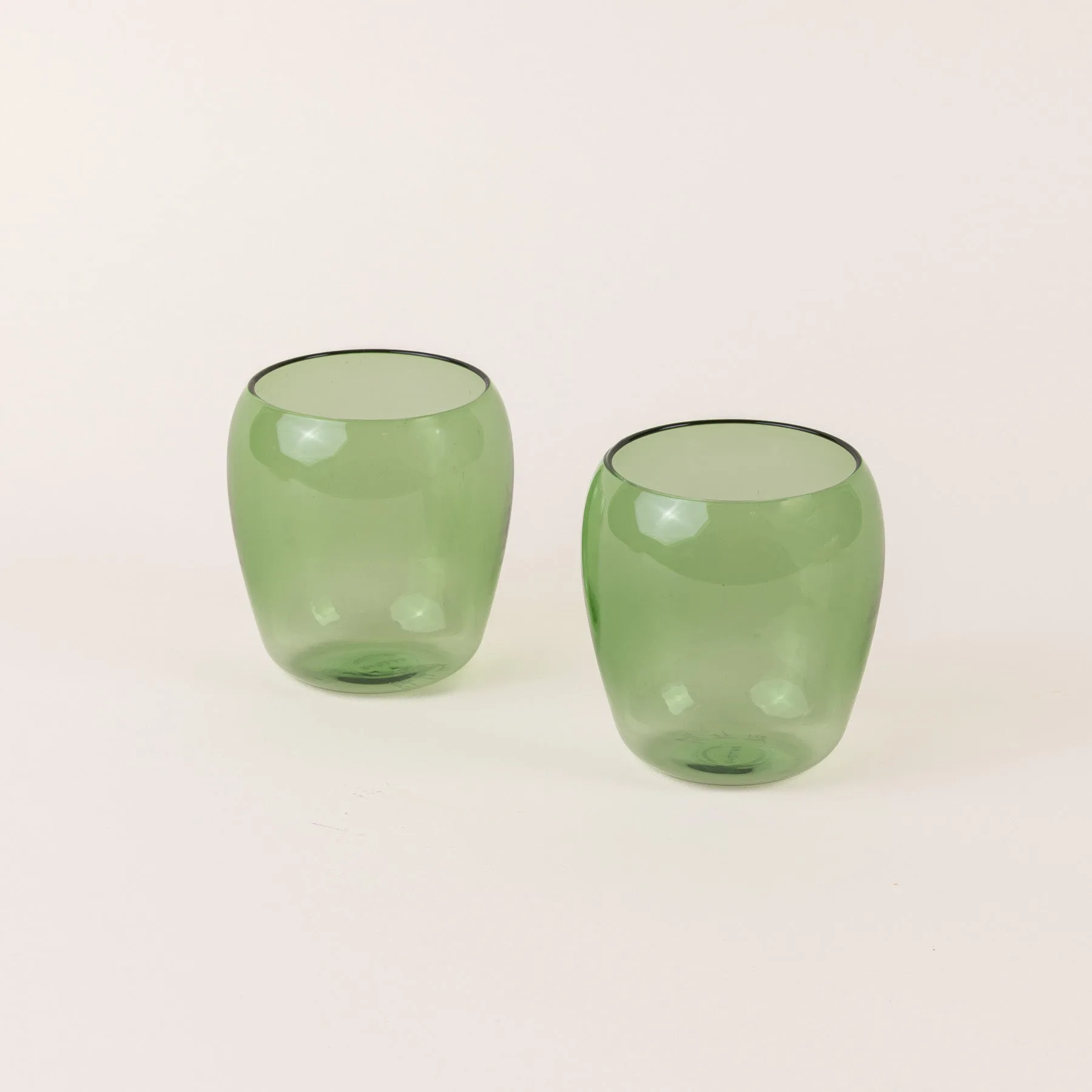
Gabri Tumblers, Pair
- Enameled cast iron is non-reactive, perfect for acidic braises.
- Cleaning is simpler—no seasoning or special care required.
- Both materials offer excellent heat retention, but enamel adds versatility.
- Enameled cookware can be used for serving, eliminating the need for extra dishes.
How to Choose the Right Enameled Cast Iron for Your Kitchen
When selecting enameled cast iron, consider size, shape, and color. A 5- to 7-quart Dutch oven is ideal for most braising recipes, accommodating a whole chicken or a large batch of stew. Look for a wide base to allow for proper browning, which is a critical step in braising. The lid should fit snugly, and the handles should be large enough to grip even with oven mitts. Many brands offer vibrant colors that can go from stovetop to table, making your cookware part of the presentation.
Quality matters: thicker enamel layers are more durable and less likely to chip. While high-end options exist, there are also affordable alternatives that perform well. To protect your investment, always use wooden, silicone, or nylon utensils to avoid scratching the enamel. Avoid thermal shock by not placing a hot pot directly into cold water—let it cool naturally. For everyday use, a well-made enameled cast iron piece can last a lifetime. To enhance your kitchen setup, consider adding a Cast Iron Trivet to protect your countertops from hot cookware.
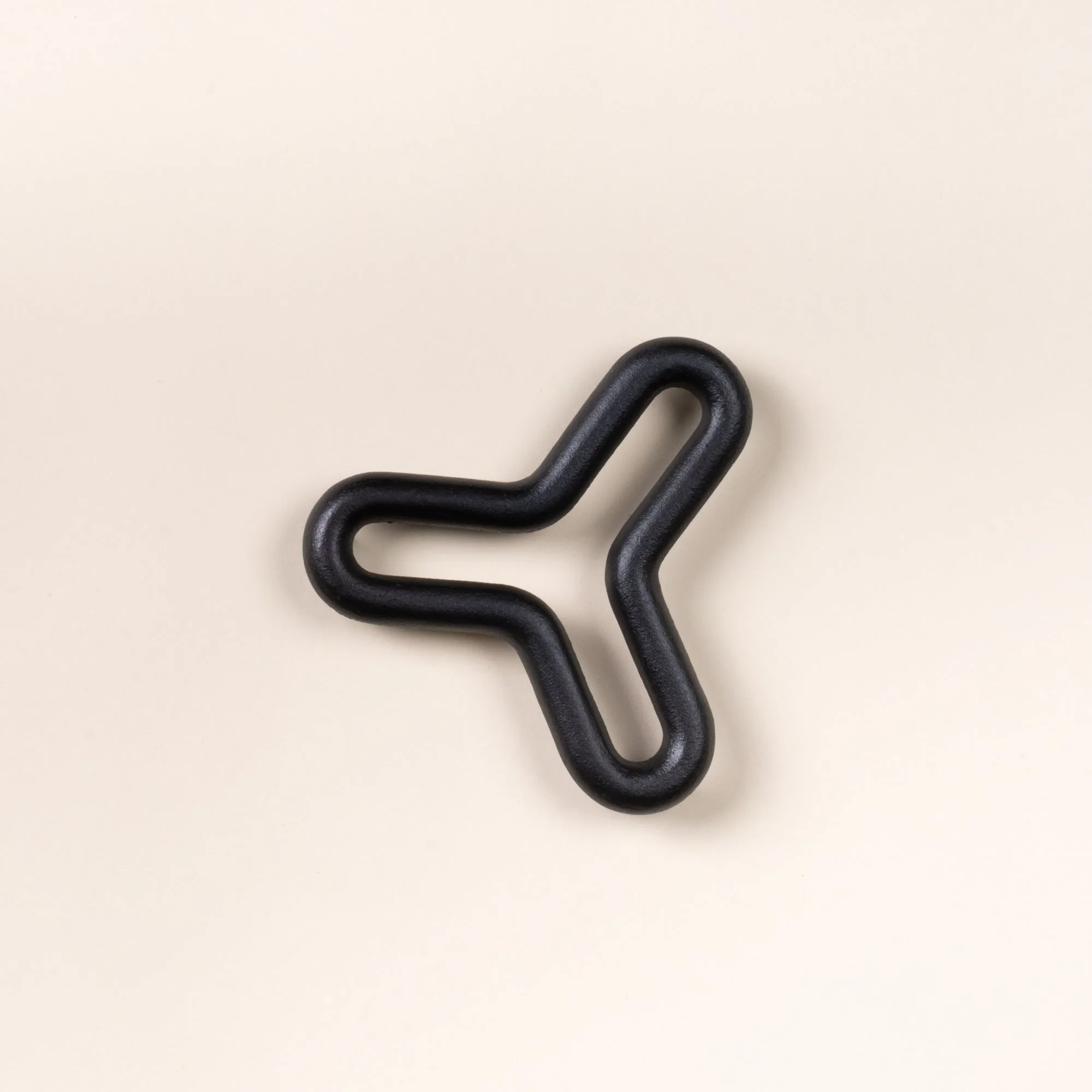
Cast Iron Trivet
- Choose a size that fits your typical recipe volume (5-7 quarts is versatile).
- Opt for a wide base for better browning and even cooking.
- Check for a tight-fitting lid to maximize moisture retention.
- Use gentle utensils and avoid rapid temperature changes to prevent chipping.
Tips for Perfect Braising and Slow Cooking with Enameled Cast Iron
Mastering braising with enameled cast iron starts with proper technique. Always preheat the pot over medium heat before adding oil—this ensures even browning. Sear your meat in batches to avoid overcrowding, which can steam rather than brown. Once browned, deglaze with broth, wine, or vinegar, scraping up the fond (browned bits) for maximum flavor. Then add aromatics and liquid, bring to a simmer, cover, and transfer to a low oven (around 300°F) for the slow cooking phase.
For stovetop slow cooking, keep the heat low and check the liquid level periodically. The enamel surface allows you to cook on any heat source, including induction. After cooking, let the pot cool slightly before cleaning. For stubborn residue, soak with warm, soapy water for 15 minutes before scrubbing with a non-abrasive sponge. To round out your meal presentation, serve alongside a crisp salad or crusty bread, and pour drinks from an Enamel Pitcher for a rustic, elegant touch.
- Preheat the pot gradually to avoid thermal shock.
- Sear meat in small batches for a deep, caramelized crust.
- Deglaze with acidic liquids to build complex flavor layers.
- Cook low and slow—around 300°F in the oven or low on the stovetop.
Enameled cast iron is the ultimate tool for slow cooking and braising, offering unmatched heat retention, versatility, and ease of care. Whether you're simmering a hearty stew or braising a lamb shank, this cookware delivers consistent, flavorful results every time. Explore East Fork's collection of enamel cookware and find the perfect piece to elevate your kitchen. Start your slow cooking journey with a Cast Iron Trivet to protect your surfaces and add a touch of craftsmanship to your cooking routine.