Quick answer
Sow endive 'Red Treviso' seed directly in the garden or into punnets from late summer to autumn in most Australian climates, aiming for a harvest through the cooler months. Thin seedlings to about 25–30 cm apart so heads can develop without crowding. Keep soil consistently moist and harvest outer leaves or whole heads before hard frosts for the best flavour.
Why Red Treviso earns its space in the winter patch
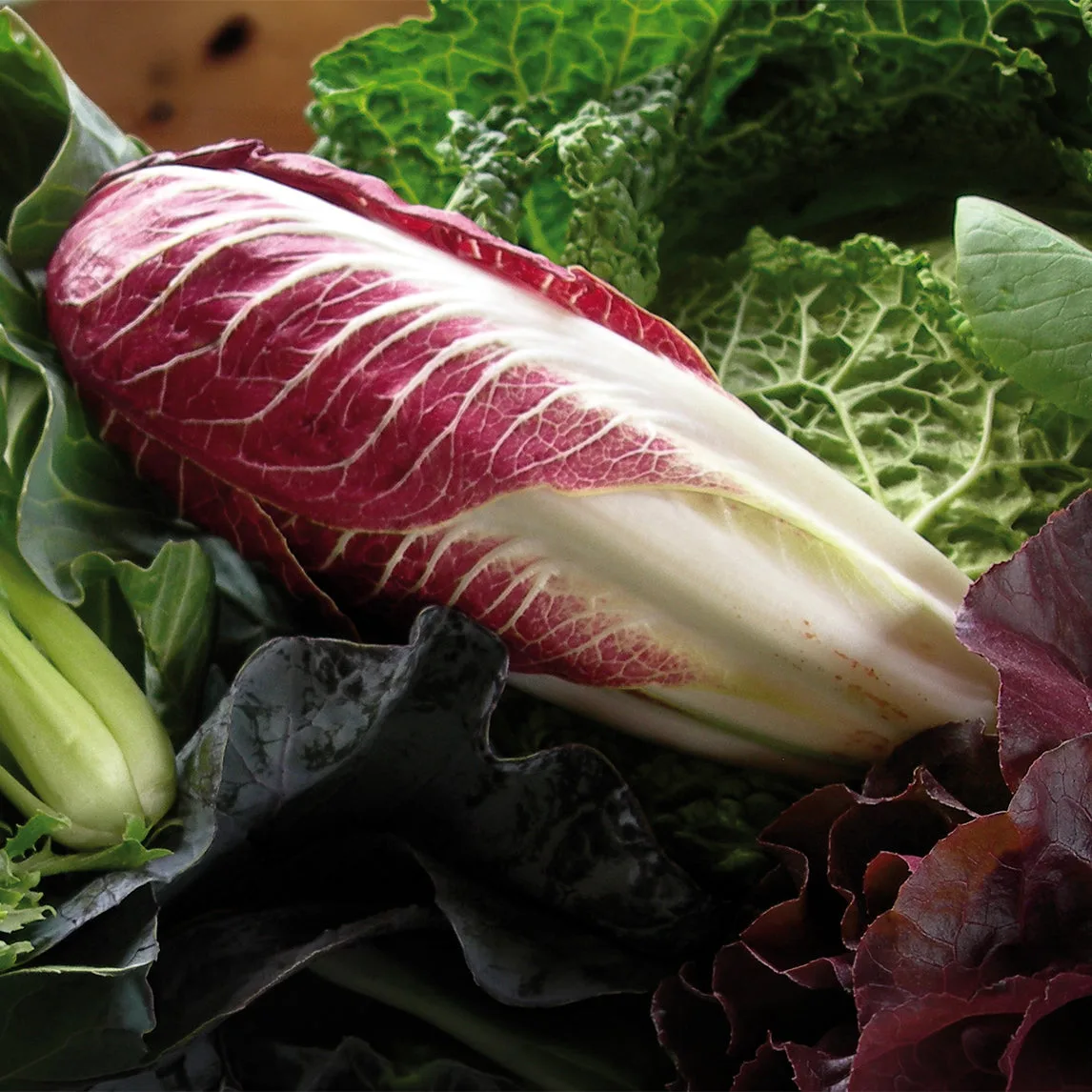
Red Treviso is a type of chicory grown for its deep burgundy leaves and crisp, slightly bitter tips. It is slow to bolt and hardy in cooler seasons, which makes it a reliable source of tender, flavourful heads when many summer crops have finished. The leaves add vibrant colour and texture to salads, slaws, and gourmet dishes, and they can be used fresh or lightly sautéed. If you already grow winter salad greens in Australia, this one gives you a bitter counterpoint to milder leaves like lettuce and spinach.
Sowing: timing and method
In most parts of Australia, sow seed from late summer to mid-autumn. In cooler regions, an early spring sowing can also work if you want heads before summer heat arrives. Sow seed about 6 mm deep in moist, well-drained soil or into seed-raising mix. Keep the surface damp until germination, which typically occurs within 7–14 days depending on soil temperature. If sowing into punnets, transplant seedlings when they have 4–6 true leaves, taking care not to disturb the taproot.
Spacing and thinning for well-formed heads
Red Treviso needs room to develop its upright head. Once seedlings are large enough to handle, thin them to 25–30 cm apart in rows spaced 30–40 cm. If you are growing for cut-and-come-again leaves rather than full heads, you can plant closer, about 15–20 cm apart, and harvest outer leaves regularly. Thinning is also your chance to remove weak or off-type plants. Do not skip this step: crowded chicory tends to bolt or produce loose, small heads.
Water, weeds, and winter care
Keep the soil evenly moist but not waterlogged. Dry spells slow growth and make leaves tougher and more bitter. A layer of straw or compost mulch helps retain moisture and suppress weeds. Red Treviso is hardy in cooler seasons, but in areas with heavy frost, a simple row cover or cloche can protect leaves from damage. Few pests trouble it in winter, though slugs and snails may nibble young seedlings—set traps or hand-pick after rain.
Harvesting: when and how to pick
You can begin harvesting outer leaves about 8–10 weeks after sowing, or wait 12–16 weeks for full heads. Cut whole heads at the base when they feel firm and the leaves are a deep burgundy. For a longer supply, pick outer leaves first and let the centre continue to grow. Harvest before the weather turns hot, as rising temperatures encourage bolting and bitterness. Use the leaves fresh in salads or slaws, or sauté them lightly to mellow the bitterness.
Step-by-step: growing Red Treviso from seed to harvest
- Sow at the right time: Sow seed from late summer to mid-autumn in most Australian climates, or early spring in cool regions. Plant 6 mm deep in moist soil or punnets. Checkpoint: germination should occur within 7–14 days. If not, soil may be too dry or too cold.
- Thin seedlings: When seedlings have 4–6 true leaves, thin to 25–30 cm apart for full heads, or 15–20 cm for cut-and-come-again leaves. Common mistake: leaving plants crowded, which leads to small, loose heads and early bolting.
- Keep moisture steady: Water regularly and mulch with straw or compost to retain moisture and suppress weeds. Avoid waterlogging. Checkpoint: leaves should look crisp and upright. Wilting or tough leaves usually mean inconsistent watering.
- Harvest outer leaves or whole heads: Start picking outer leaves at 8–10 weeks, or cut whole heads at 12–16 weeks when firm. Harvest before hot weather arrives. Next step: use fresh in salads or sauté lightly; bitterness mellows with cooking.
The seed we used for this guide
- Endive 'Red Treviso': Endive 'Red Treviso' is an Italian heirloom with deep burgundy leaves and crisp, slightly bitter tips. It is slow to bolt and hardy in cooler seasons, and can be used fresh or lightly sautéed. This variety is well suited to the winter harvest described in this guide, giving you colourful, flavourful heads when other salad crops are scarce.