Quick Answer
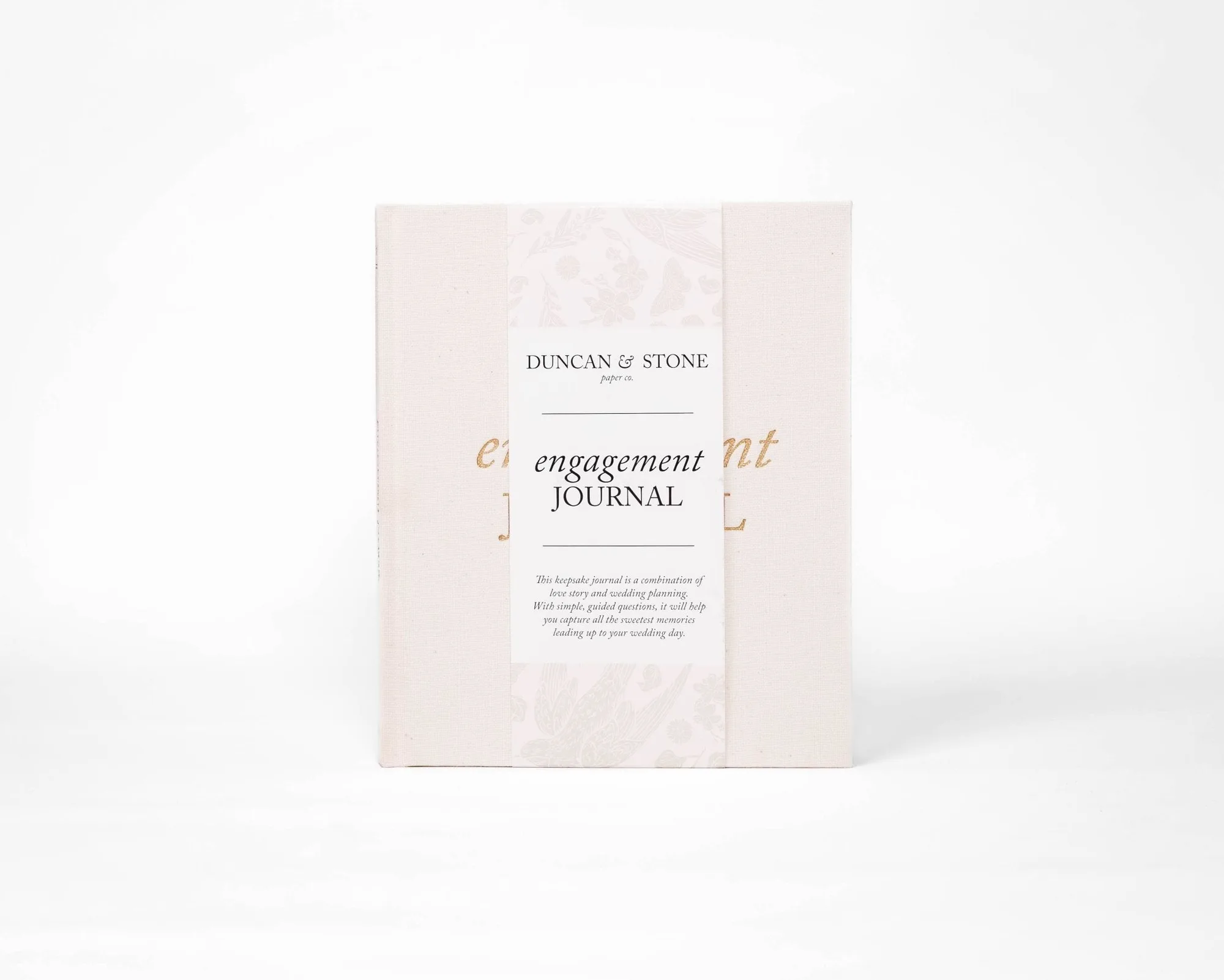
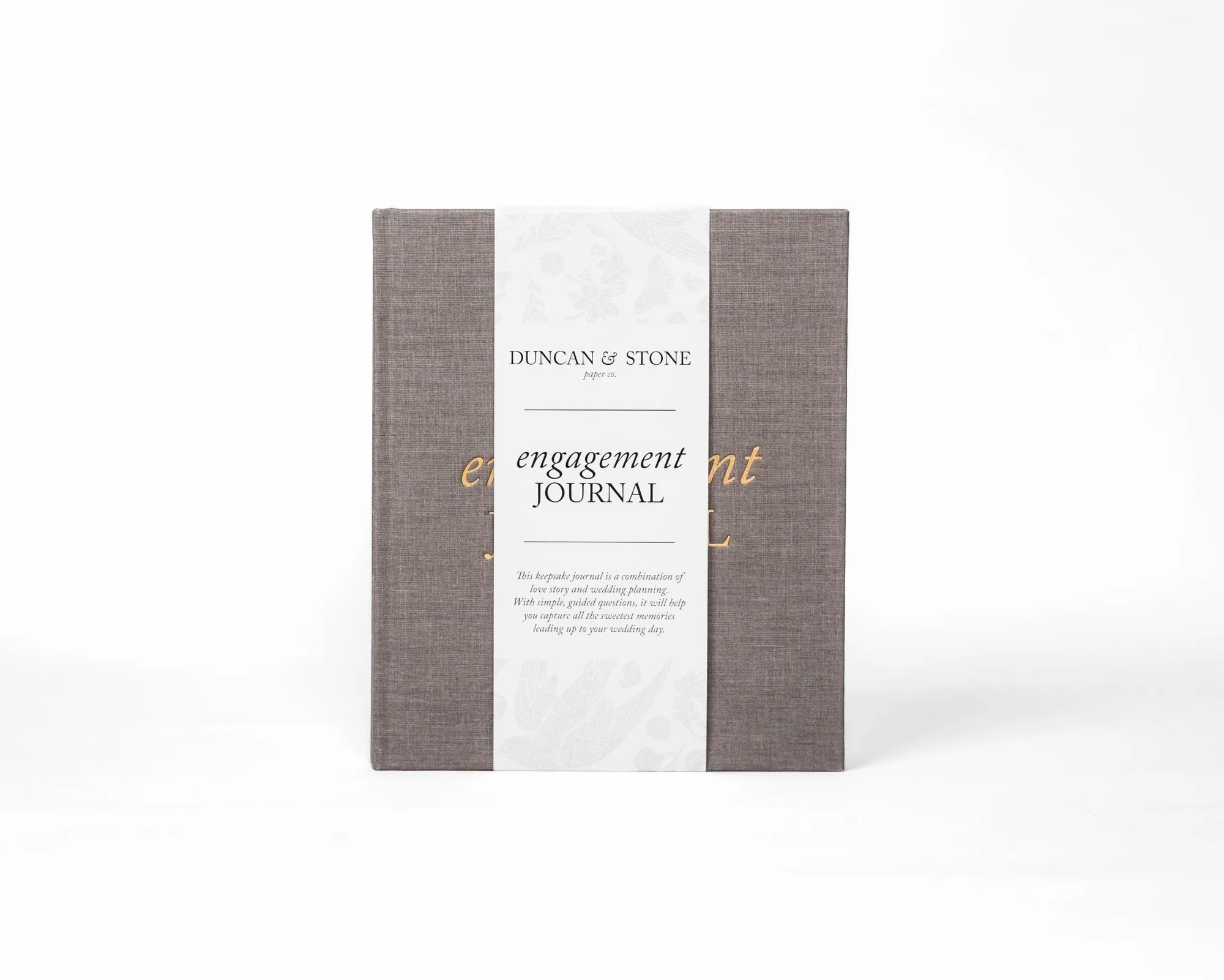
If you want to preserve the emotional story of your engagement and relationship, choose an https://duncanandstones.com/products/engagement-journal-261262engagement journal. If you need to stay organized with timelines, budgets, and vendor details, a wedding planner book is the practical choice. Many couples use both—one for memories, one for logistics.
Engagement is a season of big feelings and even bigger to-do lists. You're balancing proposal stories, family celebrations, and the early stages of wedding planning—all while trying to remember the little moments. That's why the engagement journal vs. wedding planner question is so common.
Both tools serve different purposes. An engagement journal captures your story, while a wedding planner keeps your logistics on track. Understanding what each one does well will help you decide which one you actually need.
What an Engagement Journal Does Best
An engagement journal is a keepsake-first product. It gives you a place to record how you met, the proposal story, and your hopes for the future. Unlike a planner, it's not about deadlines or budgets—it's about preserving feelings and memories you'll want to revisit for years.
The Duncan & Stone Anniversary Journal is a great example. It starts with the details of how you met and moves through dating and engagement, then continues into marriage with a highlight for each year. It even includes bonus pages every ten years to document the best moments of the decade. That makes it more than a wedding planning tool—it's a lifelong memory book.
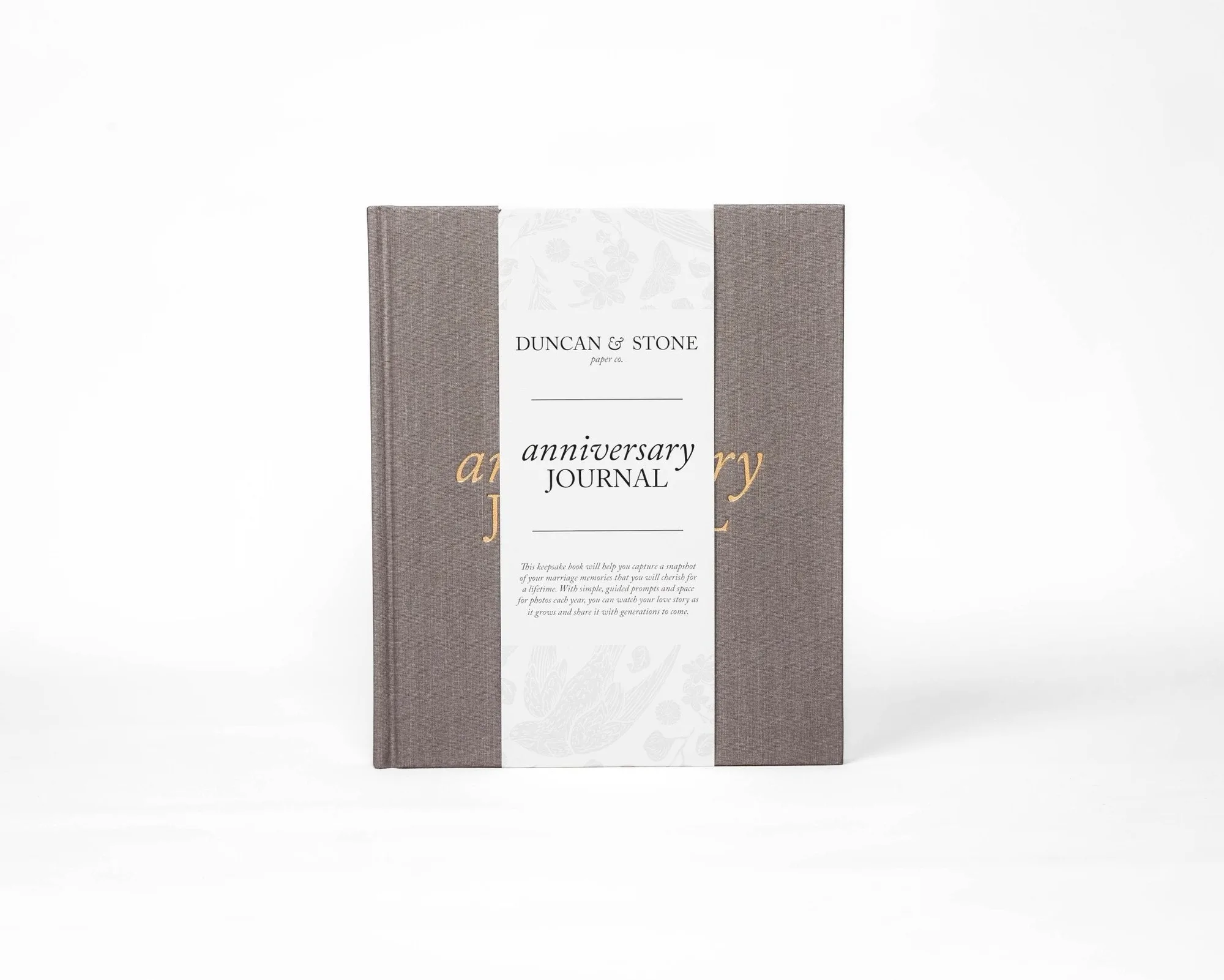
Anniversary Journal
If you're looking for an engagement memory book that you'll actually enjoy filling out, look for guided prompts and space for photos. The Anniversary Journal's structure takes the guesswork out of what to write, so you can focus on the story.
- Choose an engagement journal if you want to document feelings, milestones, and the proposal story.
- Look for prompts that guide you year by year, so you don't have to think about what to write.
What a Wedding Planner Book Does Best
A wedding planner book is built for logistics. It typically includes timelines, budget trackers, vendor contact pages, guest lists, and seating charts. Its job is to keep you organized so nothing slips through the cracks in the months before your wedding.
If you're the type of person who loves checklists and spreadsheets, a wedding planner book will be your best friend. It's practical, structured, and designed to be used daily during the planning process. However, it's not meant to be a sentimental keepsake—it's a working tool.
Keep in mind that wedding planner books are often dated or tied to a specific wedding date. If you have a longer engagement, you might need to adapt it. Also, most planners don't have space for the emotional story of your relationship, so you'll likely want a separate journal for that.
- Use a wedding planner book for budgets, timelines, and vendor details.
- Pair it with an engagement journal if you also want to capture memories.
Can You Use Both?
Absolutely. In fact, using both an engagement journal and a wedding planner is the most complete approach. The planner handles the practical side, while the journal preserves the emotional side. You can start the journal right after the proposal and keep the planner for the year leading up to the wedding.
If you're worried about time, remember that an engagement journal doesn't have to be filled out daily. Products like the Anniversary Journal are designed to be used at your own pace, with prompts that take just a few minutes. It's a low-pressure way to build a keepsake without adding to your planning stress.
The key is to start early. If you wait until after the wedding, you'll lose the fresh details of the proposal and engagement. Even a few notes each month will make the journal meaningful.
- Start your engagement journal early to capture fresh memories.
- Keep your wedding planner separate so you don't mix feelings with logistics.
Trade-Offs to Keep in Mind
- Keepsake Value vs. Practical Use: An engagement journal is built to be cherished forever, while a wedding planner is meant to be used and possibly discarded. Decide what matters more to you. If you want a lasting memory, lean toward a journal.
- Guided Prompts vs. Blank Space: Guided journals like the Anniversary Journal make it easy to write, but some people prefer the freedom of a blank journal. Consider your writing style. Choose guided prompts if you need structure; choose blank if you like to improvise.
- Time Commitment: A wedding planner requires regular attention, while an engagement journal can be filled in at your own pace. Be realistic about how much time you'll invest. Start small—even a few notes a month will create a meaningful keepsake.
Keepsake Journals Worth Considering
- Anniversary Journal: Duncan & Stone Anniversary Journal will help you capture a snapshot of your marriage memories that you will cherish for a lifetime. Starting with the details of how you met and then moving through dating and engagement, the rest of the book will store your 70th anniversary by providing you a highlight of each year. Every 10 years, there will be extra bonus pages to document the best moments from the last decade. This journal covers the full arc of your relationship, not just the engagement, making it a true keepsake you can add to year after year.
- Blank Lined Journal: Our flat lay spine allows it to stay open and flat for easy journaling, while our high-quality hardback case makes it durable to take anywhere. If you prefer to write freely without guided prompts, this blank journal gives you the flexibility to create your own engagement memory book your way.
Which One Fits Your Needs?
Best for
- Couples who want to preserve the story of how they met and got engaged
- Those who prefer guided prompts and a structured keepsake
Not for
- Couples who primarily need to organize wedding logistics and timelines
- Those who want a blank canvas to write freely without prompts
Ultimately, the choice between an engagement journal and a wedding planner comes down to what you value more: memories or logistics. If you can, use both—one to stay organized, and one to capture the feelings you'll want to relive for years. Whichever you choose, starting early will make the process easier and more meaningful.