Why English Breakfast Tea Tastes Strong
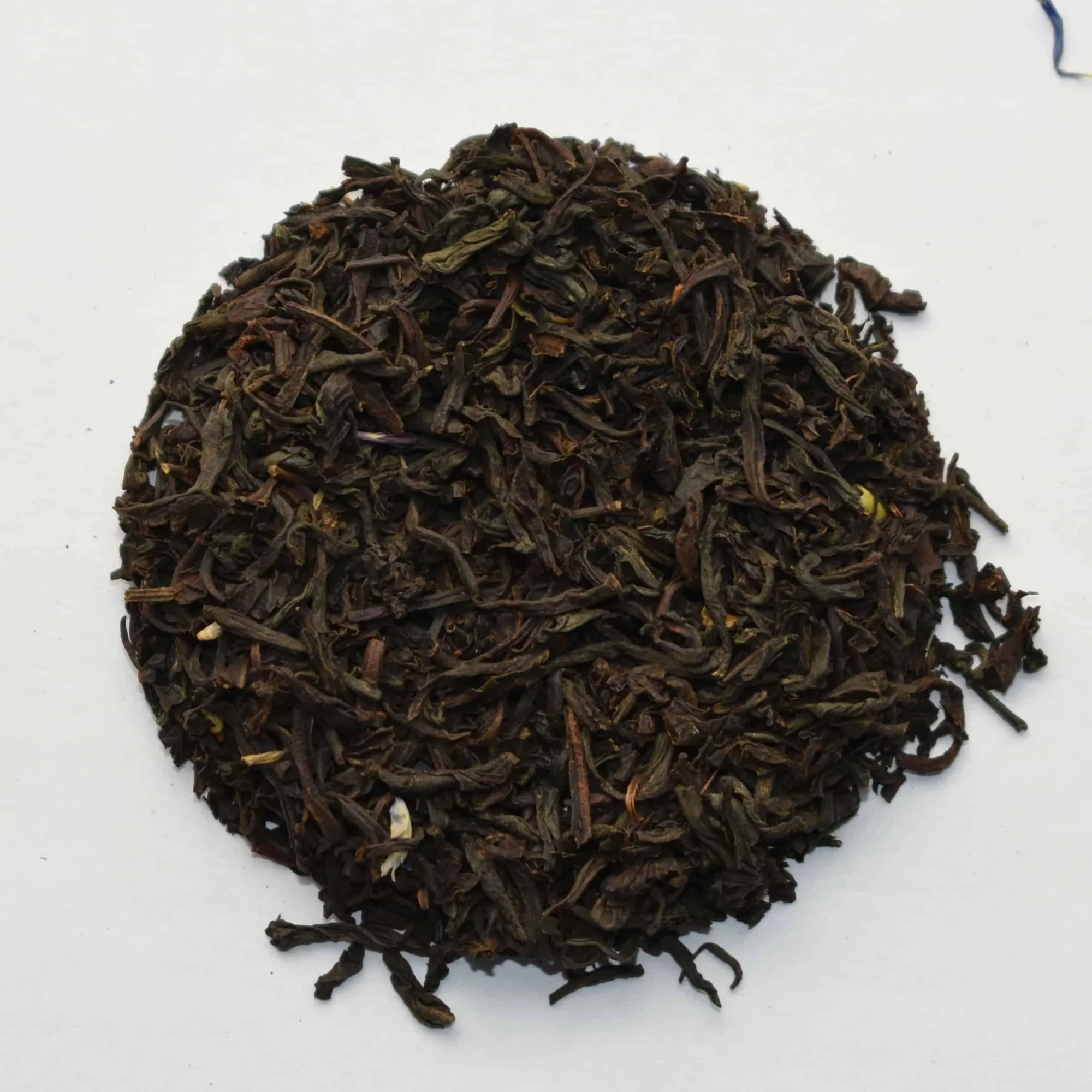
English Breakfast tea is built for a brisk, full-bodied cup. The strength comes from the blend itself: Golden Moon Tea's English Breakfast combines three distinct Indian teas with a Chinese Keemun. An Assam from near the Brahmaputra River brings a malty, full-bodied character shaped by the monsoon heat. A second-flush Darjeeling grown at high elevation adds an amber, medium-bodied layer with a slight floral aroma and a spicy, tannic bite. A Nilgiri tea from south of the Western Ghats rounds out the blend, and Keemun from Anhui Province contributes a smooth flavor with wisps of smokiness and unsweetened cocoa.
That layered construction is what makes the tea strong enough to cut through a rich breakfast yet tasty enough to drink on its own. The catalog describes it as strong enough to 'stand up a spoon.' If you are looking for english breakfast tea strength, the blend design matters as much as how long you steep it.
What the Catalog Confirms About This Blend
-
English Breakfast Tea: Ingredients: Organic Black Tea. Confirms the tea is an organic black tea blend, which is the base for the strength and caffeine discussion.
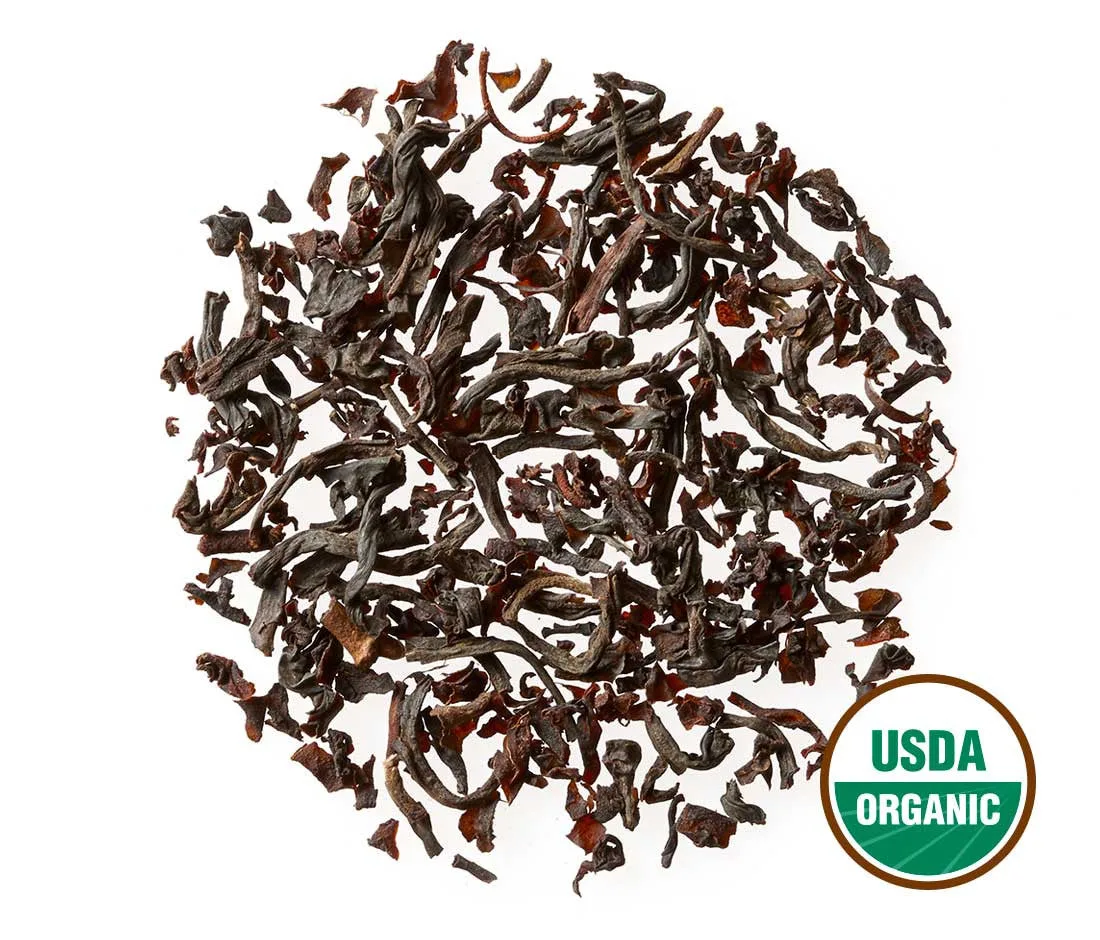
English Breakfast Tea
-
English Breakfast Tea: The blend starts with three distinct Indian teas: an Assam bordering the Brahmaputra River, a second-flush mountain-grown Darjeeling, and a Nilgiri tea grown south of the Western Ghats. Explains where the malty body, floral-spicy bite, and rounded finish come from.
-
English Breakfast Tea: Chinese Keemun from Anhui Province adds a smooth flavor with wisps of smokiness and unsweetened cocoa. Shows why this blend has more layers than a typical English Breakfast.
What About Caffeine?
The catalog confirms the ingredients are organic black tea, but it does not provide a caffeine amount or a caffeine range for this blend. Black tea is generally understood to contain caffeine, but without a supplied figure you should not treat any specific number as verified for this product. If you are sensitive to caffeine, treat this as a morning tea and adjust your serving size or drinking time based on how you respond, rather than relying on an unconfirmed milligram estimate.
A Practical Loose-Leaf Brewing Approach
The catalog does not supply a water temperature, leaf-to-water ratio, or steep time for this English Breakfast. The steps below are a general starting point for loose-leaf black tea, not a manufacturer instruction. Adjust one variable at a time and taste as you go.
- Start with freshly boiled water: Black tea is typically brewed with water just off a boil. Let the kettle rest briefly after boiling so the water is hot but not violently rolling.
- Measure the leaf, then adjust: Begin with roughly one teaspoon of loose leaf per cup and increase if you want a brisker, stronger cup. The catalog does not specify a ratio, so let your taste set the amount.
- Steep briefly and taste: Start with a short steep, around three minutes, then taste. For english breakfast loose leaf brewing time, lengthen the steep in small increments if the cup tastes thin. Shorten it if the tannins turn harsh.
- Separate the leaf from the water: Remove the leaves or pour off the tea when the cup tastes right. Leaving the leaf in the water keeps extracting tannins and can make the next sip bitter.
- Drink it with or without milk: The catalog notes this tea is strong enough to cut through a traditional breakfast yet tasty enough on its own. Try it plain first, then add milk if you want a softer edge.
How to Adjust Strength Without Guessing
Because no official brewing recipe is supplied, use the cup itself as your checkpoint. Change only one thing at a time so you can tell what made the difference.
- If the tea tastes weak or watery: Add more leaf before you add more time. More leaf increases body and flavor; more time mainly pulls out tannins.
- If the tea tastes bitter or drying: Shorten the steep or use slightly cooler water. The Darjeeling in this blend is described as full of tannins, so over-steeping can make the bite too sharp.
- If you want a smoother cup: Try a slightly shorter steep first. A splash of milk can also soften the tannic edge, but taste the plain tea before you decide.
- If you want more aroma: Serve the tea soon after brewing. The Keemun's smoky, cocoa-like notes and the Darjeeling's floral aroma are most noticeable in a fresh cup.
Sizes for Your Morning Routine
- English Breakfast Tea: Available sizes include 1oz Bulk, 2.5oz Tin, 1/2lb Bulk, and 1lb Bulk. Lets you match the package to how often you brew English Breakfast.
- English Breakfast Tea: The 1/2lb Bulk is listed with a 37% saving and the 1lb Bulk with a 48% saving. Useful if you already know this is your daily morning tea.
A Note on What the Catalog Does Not Say
The supplied information does not include a brewing temperature, steep time, caffeine content, storage instructions, or shelf life for this English Breakfast. That is a limit of the catalog, not a sign that the tea lacks those details. Use the general approach above as a starting point and let your own taste guide the final cup.