Few teas are as iconic as English Breakfast. Whether you’re starting your day with a steaming mug or enjoying a mid-morning pick-me-up, this robust black tea blend has been a staple in tea-drinking cultures for over a century. But what exactly is English Breakfast tea, and how did it earn its name? In this guide, we’ll explore the origins, flavor characteristics, and best brewing practices for this beloved classic.
At Good & Proper Tea, we celebrate the art of tea in all its forms. While we offer a wide range of single-origin and specialty teas, we also appreciate the timeless appeal of a well-crafted blend. English Breakfast tea exemplifies how blending different tea leaves can create a harmonious, full-bodied cup that stands the test of time.
The History of English Breakfast Tea
Contrary to popular belief, English Breakfast tea did not originate in England. The blend is believed to have been created in the 19th century by a Scottish tea master named Robert Drysdale, who wanted to produce a bold, hearty tea that could stand up to the full English breakfast. The blend initially featured black teas from China, but later evolved to include Assam, Ceylon, and Kenyan teas for a stronger, more malty profile.
By the Victorian era, English Breakfast tea had become a morning ritual across Britain. Its popularity spread to the United States and beyond, and today it is one of the most widely consumed tea blends in the world. The name itself evokes a sense of tradition and comfort, making it a go-to choice for tea lovers seeking a reliable, energizing brew.
- The blend was first marketed in the 1840s by a Scottish tea merchant.
- Originally used Chinese Keemun tea, later incorporated Assam for strength.
- Gained popularity in America after the Civil War through tea shops.
What Makes English Breakfast Tea Unique?
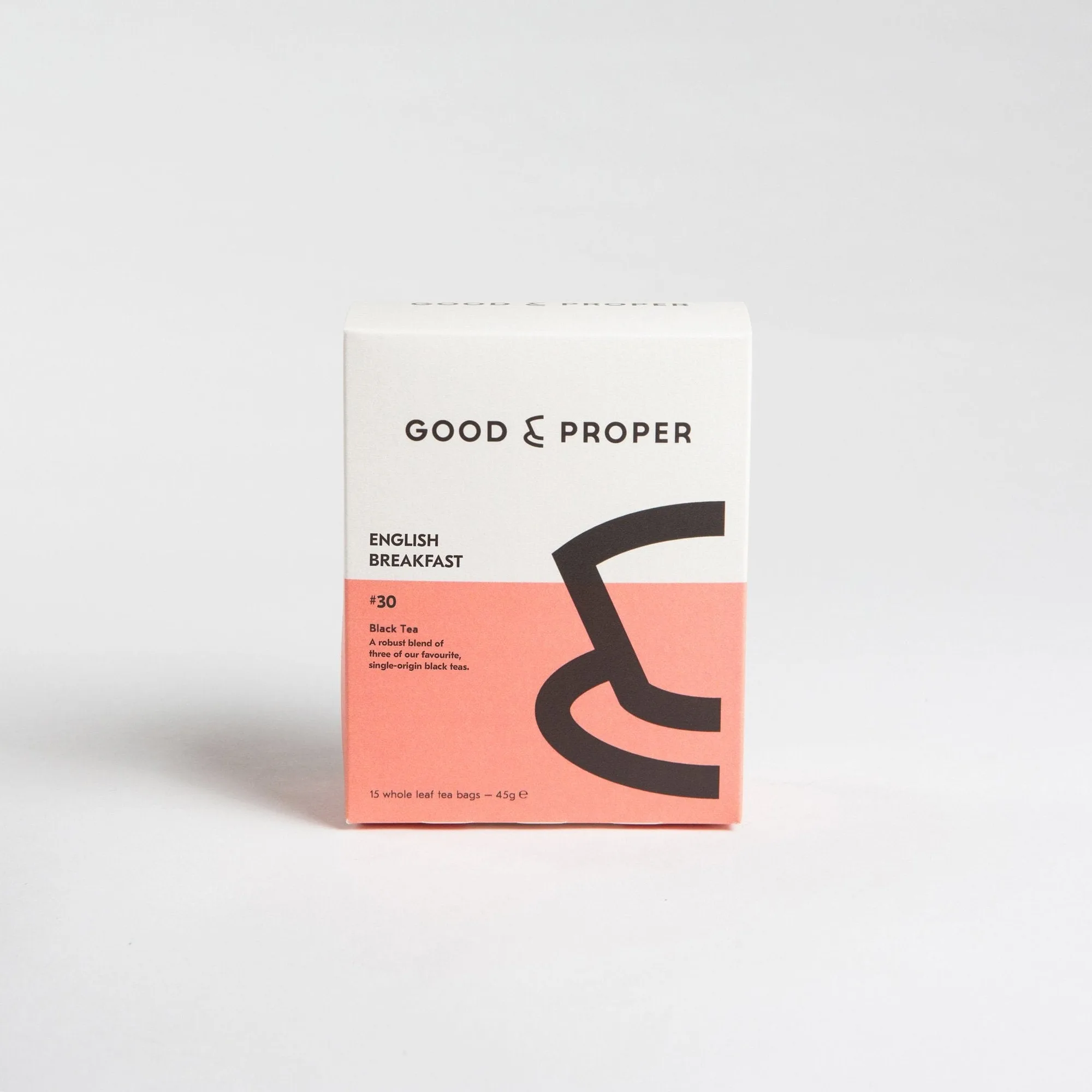
English Breakfast tea is defined by its full-bodied, malty flavor with moderate astringency and a brisk finish. The exact blend varies by brand, but it typically combines Assam tea (for malty depth), Ceylon tea (for brightness), and sometimes Kenyan or Chinese black teas (for complexity). This combination produces a robust cup that pairs beautifully with milk and sugar, though it is also enjoyable plain.
Unlike single-origin teas that highlight the terroir of a specific region, English Breakfast is a crafted blend designed for consistency and accessibility. It is typically oxidized fully, giving it a dark amber liquor and a strong caffeine kick—perfect for waking up. The flavor profile is bold but not overwhelming, making it an excellent introduction to black tea for beginners.
- Assam provides malty, full-bodied notes.
- Ceylon adds brightness and citrusy hints.
- Kenyan teas contribute a brisk, coppery edge.
How to Brew the Perfect Cup of English Breakfast Tea
Brewing English Breakfast tea is simple, but a few key steps can elevate your cup from good to exceptional. Start with fresh, filtered water and bring it to a rolling boil (212°F / 100°C). Use one teaspoon of loose leaf tea or one tea bag per 8-ounce cup. Pour the hot water over the leaves and steep for 3-5 minutes, depending on your desired strength. For a traditional British experience, serve with a splash of milk and sugar to taste.
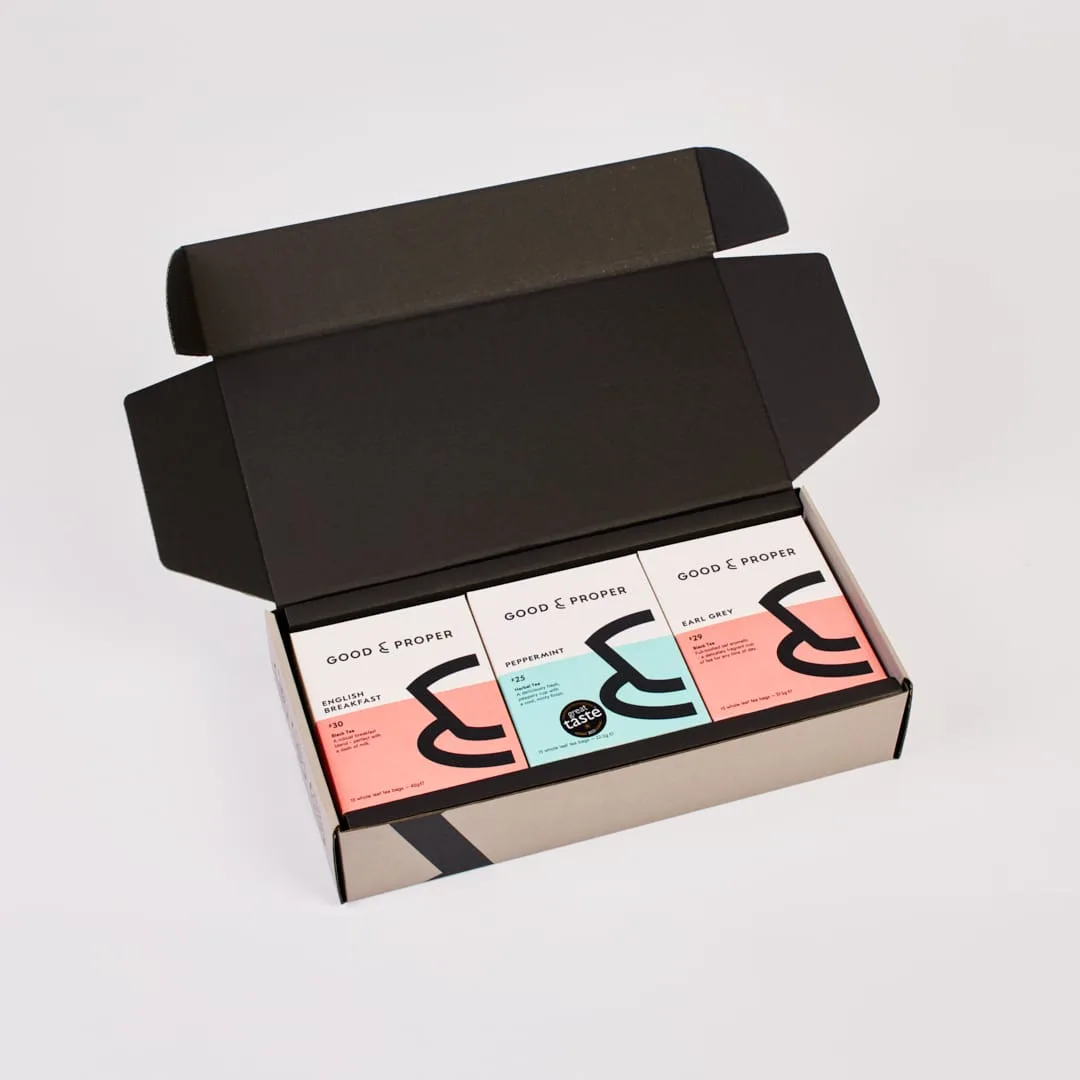
If you prefer loose leaf tea, a simple infuser like the Loose Tea Infuser can make the process effortless. For those who enjoy tea bags, our Tea Bag Samples offer a convenient way to explore different blends, including a classic English Breakfast-style option. Remember, over-steeping can lead to bitterness, so set a timer to ensure optimal flavor extraction.
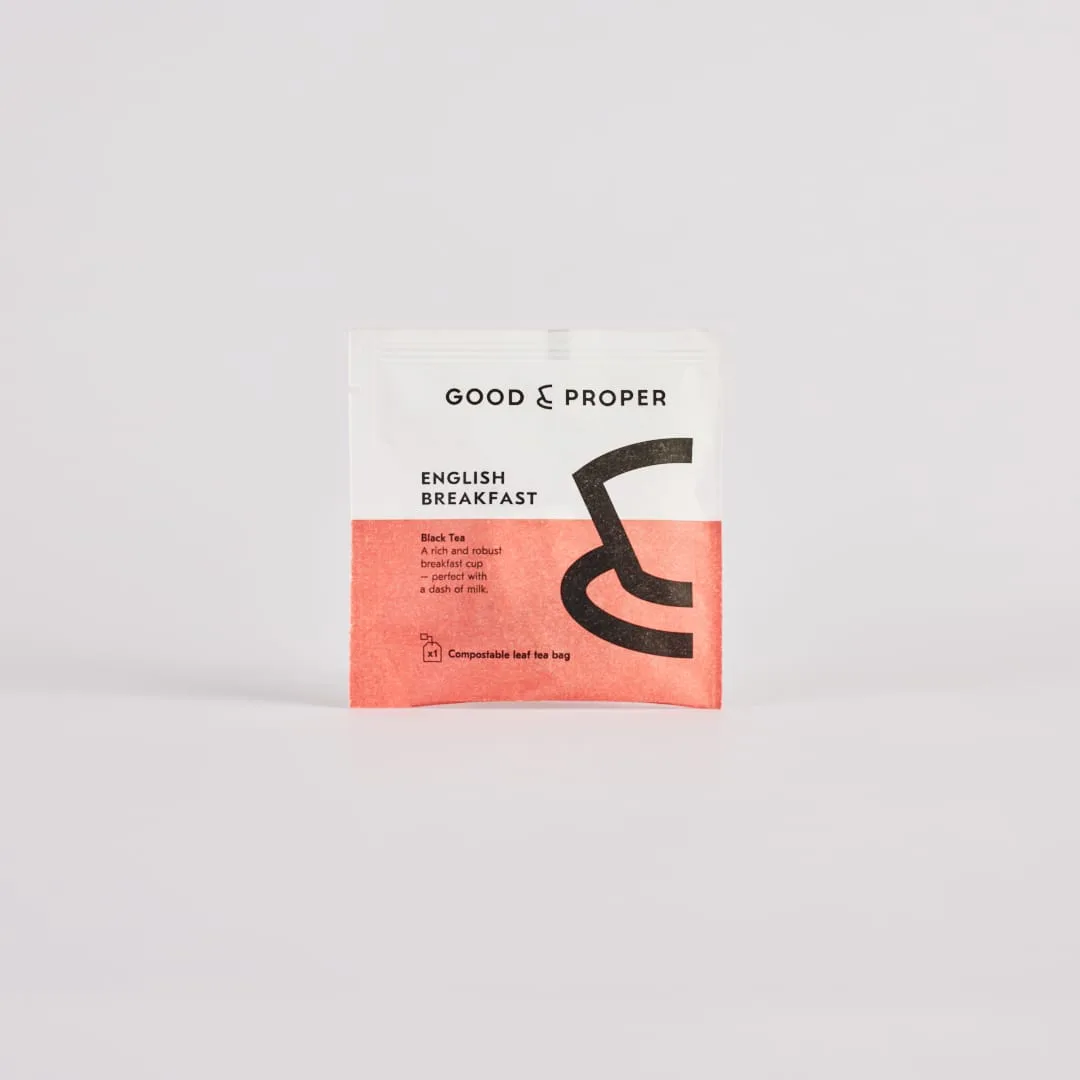
Tea Bag Samples
- Water temperature: boiling (212°F / 100°C).
- Steep time: 3-5 minutes.
- Add milk and sugar after brewing, not before.
- Use a tea cozy to keep the pot warm for multiple cups.
English Breakfast Tea vs. Other Black Tea Blends
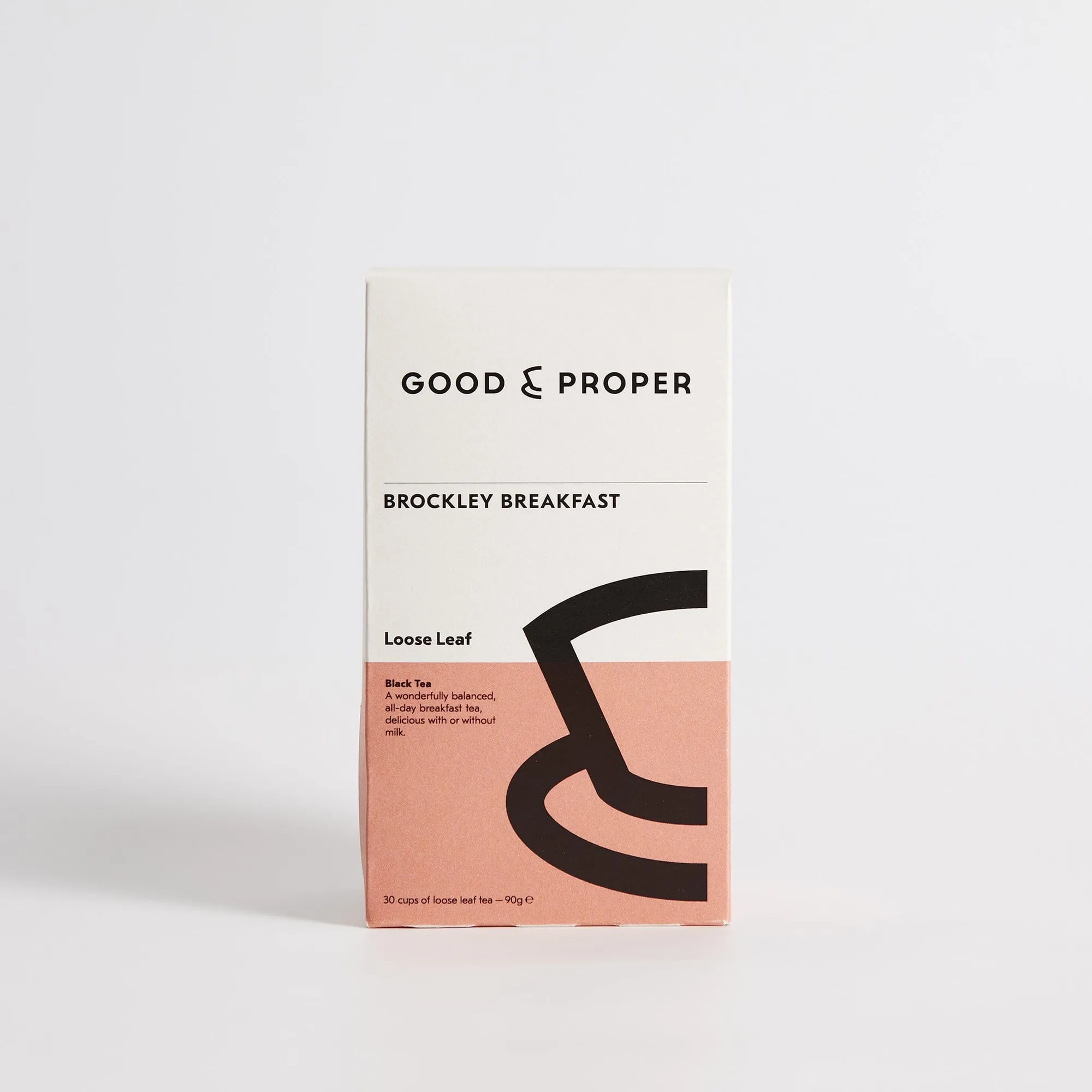
English Breakfast is often compared to Irish Breakfast and Scottish Breakfast teas, but there are subtle differences. Irish Breakfast tea is typically stronger and more robust, often using a higher proportion of Assam leaves. Scottish Breakfast tea tends to be even maltier and richer, sometimes incorporating teas from Africa. English Breakfast strikes a balance—strong enough for morning but smooth enough for all-day drinking.
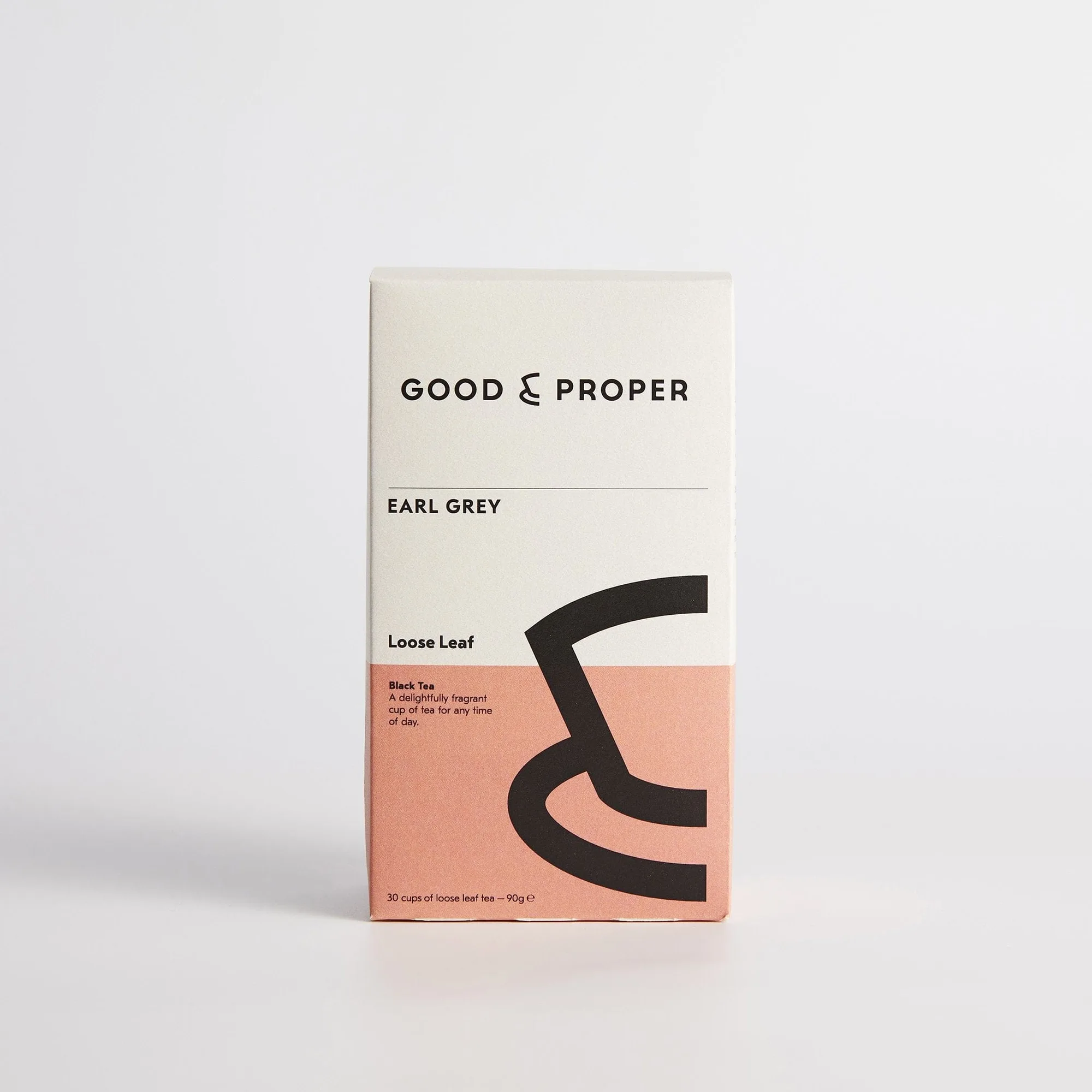
Another common comparison is with Earl Grey, which is a black tea scented with bergamot oil. While both are classic blends, Earl Grey offers a floral, citrusy note, whereas English Breakfast is purely about the tea leaf’s natural character. If you enjoy the boldness of English Breakfast, you might also appreciate other full-bodied black teas like Assam or Ceylon.
- Irish Breakfast: stronger, more Assam-forward.
- Scottish Breakfast: maltier, often includes African teas.
- Earl Grey: flavored with bergamot for a citrus twist.
Why Choose Loose Leaf English Breakfast Tea?
While tea bags are convenient, loose leaf English Breakfast tea offers superior flavor and freshness. Loose leaves have more room to expand during steeping, allowing for better extraction of essential oils and flavors. This results in a more complex, satisfying cup. Additionally, loose leaf tea is often more environmentally friendly, as it generates less packaging waste.
At Good & Proper Tea, we encourage exploring loose leaf options for your favorite blends. For a classic English Breakfast experience, consider our selection of black teas and use a quality infuser. If you’re new to loose leaf, our Loose Tea Infuser makes brewing a breeze. The difference in taste is noticeable, and many tea enthusiasts find they never go back to bags after making the switch.
- Better flavor extraction from whole leaves.
- Less waste compared to individually wrapped tea bags.
- More control over strength and steeping time.
Pairing English Breakfast Tea with Food
English Breakfast tea is famously paired with a full English breakfast—eggs, bacon, sausages, baked beans, grilled tomatoes, and toast. The tea’s robust flavor cuts through the richness of the meal, cleansing the palate between bites. It also pairs wonderfully with scones, clotted cream, and jam for a classic afternoon tea spread.
Beyond breakfast, this versatile blend complements savory dishes like quiche, sandwiches, and even spicy foods. Its malty notes balance well with cheese, especially sharp cheddar or creamy brie. For a sweet treat, try it with shortbread cookies or a slice of lemon drizzle cake. The tea’s briskness provides a pleasant contrast to sugary desserts.
- Classic pairing: full English breakfast or eggs Benedict.
- Afternoon tea: scones, finger sandwiches, and pastries.
- Savory: quiche, cheese platters, and roasted vegetables.
English Breakfast Tea in Modern Tea Culture
While English Breakfast tea is steeped in tradition, it continues to evolve. Many specialty tea companies now offer premium versions using high-quality single-origin leaves or organic ingredients. Some blends incorporate smoked teas or floral notes for a contemporary twist. Despite these innovations, the classic blend remains a staple in households and cafes worldwide.
At Good & Proper Tea, we honor the heritage of English Breakfast while embracing modern tea trends. Whether you’re a purist or an adventurous drinker, there’s always something new to discover. For a unique take on black tea, explore our Oolong selection or try our GUEST TEA Kangra Valley Oolong for a different flavor profile. The world of tea is vast, and English Breakfast is just the beginning.
- Premium versions use single-origin Assam or Ceylon.
- Some modern blends add smoked or floral elements.
- Still the most popular black tea in the UK and beyond.
English Breakfast tea is more than just a morning beverage—it’s a cultural icon with a rich history and a flavor that has delighted generations. Whether you prefer it strong with milk or plain with a slice of lemon, this classic blend offers comfort and consistency. Ready to elevate your tea experience? Explore our selection of black teas and find your perfect cup at Good & Proper Tea.