Start with the message, not the whole puzzle
When you open Enigma, the goal is simple: write a secret message and share the key so a friend can read it. That makes it a logic puzzle you can approach one piece at a time. Instead of trying to decode everything at once, begin with a single short message and one clear question: what does this symbol or letter stand for?
This step-by-step approach works for kids and adults alike. It turns a brain teaser into a manageable game, and it gives young problem solvers a repeatable method they can use on other logic puzzles too.
A step-by-step routine for solving Enigma messages
Use this routine each time you play. It keeps the focus on one decision at a time and helps kids build confidence.
- Write a short message: Choose a word or a very short phrase. Short messages give you fewer unknowns to track, which makes the first solve feel achievable.
- Set your key: Pick a simple key and note it down. The key is what turns your message into a secret; keeping it separate from the message helps you see the difference between the two.
- Encode one word at a time: Work through the message word by word, not letter by letter in a rush. Say each step out loud if you are playing with a child: 'This letter becomes that symbol because of the key.'
- Swap with a friend: Give the encoded message and the key to your friend. Now the puzzle is theirs to solve. This is the part that builds real logic skills: they must apply the key in reverse.
- Check and compare: Once your friend has a guess, compare it with your original message. If it matches, talk about why. If not, find the first place where the decoding went differently and work forward from there.
What the Enigma game gives you to work with
-
Enigma: Enigma lets you write messages secretly, and you can share the encryption key with friends so they can read them. This is the core loop of the puzzle: encode with a key, then let someone else decode. Knowing that the key is meant to be shared helps kids understand that the challenge is in applying it, not in guessing it.
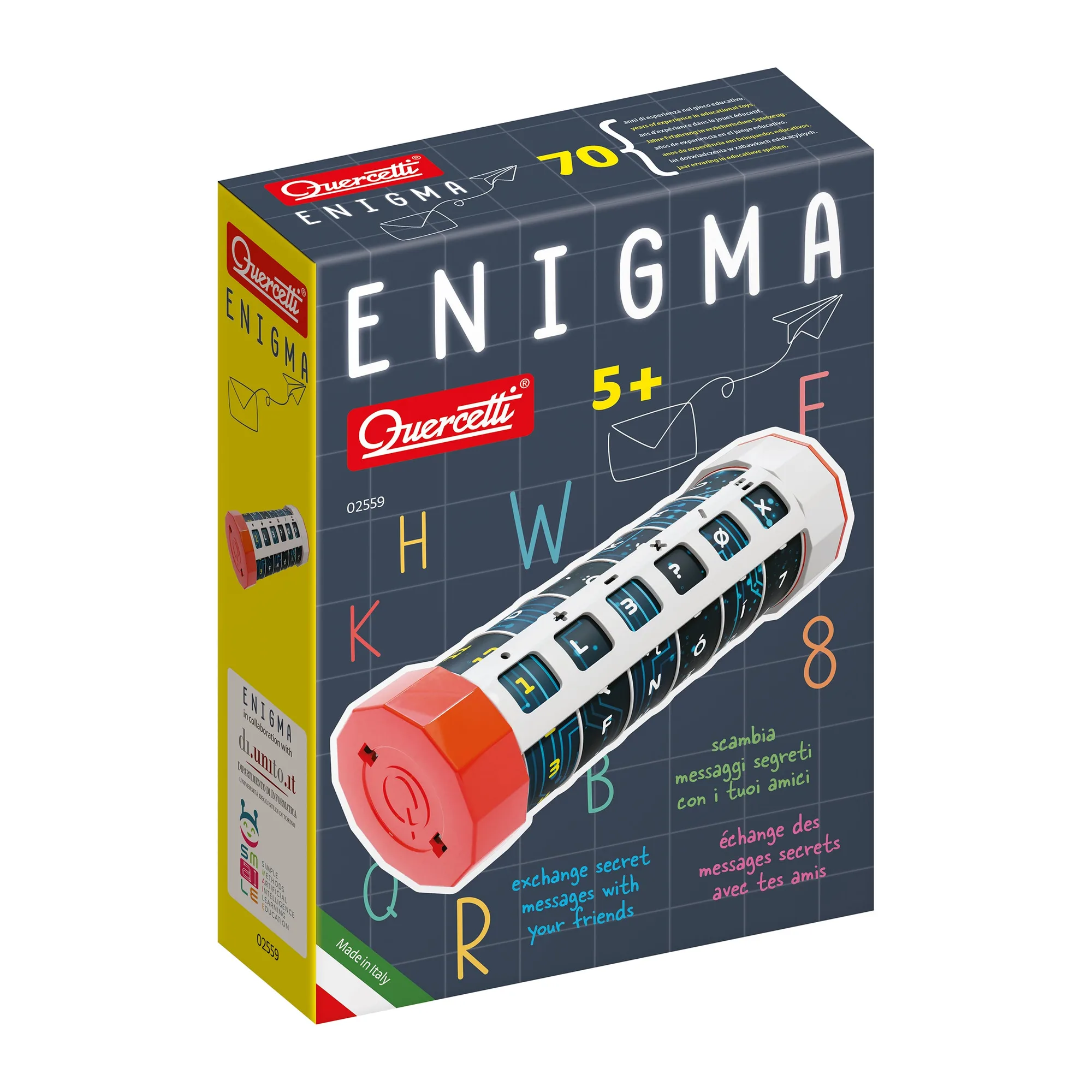
Enigma
-
Enigma: The game is designed to be easy and fun, with the idea that once you hand over Enigma and your key, the game is on. That simplicity is useful for beginners. You do not need extra rules or equipment to start solving; the puzzle is self-contained.
Enigma logic puzzle tips that help kids think it through
These tips are not extra rules; they are habits that make the step-by-step process smoother.
- Keep messages short at first: A single word or a two-word phrase is enough for a first solve. Longer messages can come later, once the routine feels familiar.
- Say the key out loud: For young children, verbalizing the key turns an abstract idea into a concrete step. 'We are using key A, so this letter becomes that one' is easier to follow than silent decoding.
- Work in the same direction every time: Whether you encode left to right or word by word, pick one direction and stick with it during a single puzzle. Switching mid-message is a common source of confusion.
- Use the first mismatch as your clue: If the decoded message does not make sense, do not start over. Find the first letter that differs from what you expected and check the key step for that letter.
- Take turns being the encoder: Making a puzzle is as valuable as solving one. When kids create a message and key for someone else, they practice the same logic from the other side.
What to do when a message will not decode
If a friend cannot read your message, the most likely issues are a key that was copied incorrectly or a step that was applied in the wrong order. Go back to the start of the message and compare the first encoded symbol with what the key says it should be. Once you find the first difference, correct it and continue from there.
This troubleshooting approach is itself a brain teaser solving strategy: isolate the smallest part that does not match, fix it, and move forward. It teaches kids to be systematic rather than frustrated.
What the supplied information does not cover
The product record for Enigma confirms the secret-message play and the sharing of an encryption key, but it does not list specific recommended ages, number of players, or a detailed rulebook. If you need those details for a particular child or group, check the product page or the packaging before buying. The step-by-step routine above works with the core game as described, but you may need to adapt it to the exact components in your box.