As more consumers embrace eco-conscious living, the question of packaging has moved from the pantry to the bar cart. When you reach for a premium mixer, do you grab a sleek glass bottle or a lightweight aluminum can? Both have environmental pros and cons, but the answer isn't as simple as 'glass is greener' or 'cans are better.' In this article, we break down the full life cycle of canned and bottled mixers—from raw material extraction to recycling—so you can sip smarter.
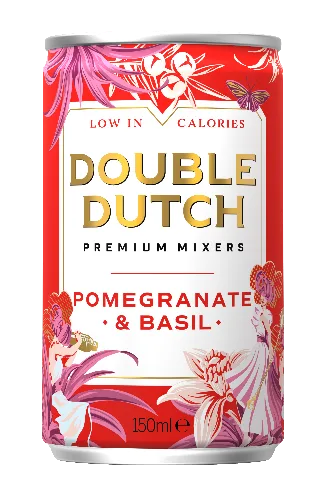
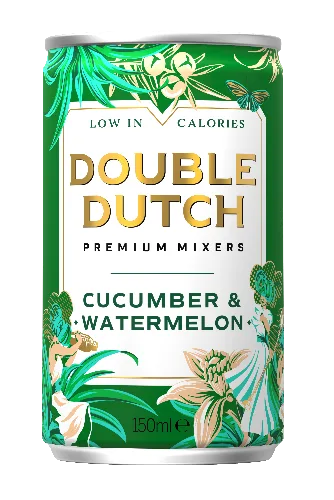
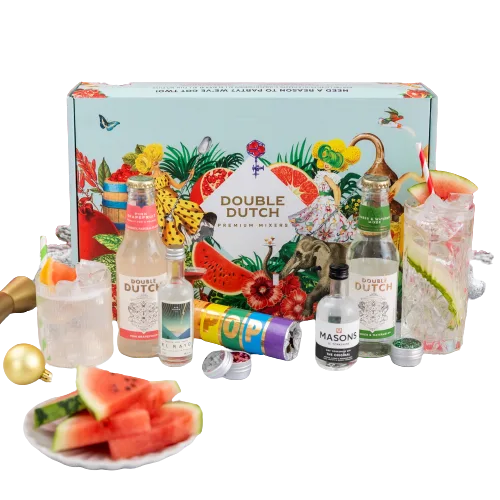
Whether you're hosting a backyard gathering or stocking your home bar, understanding the environmental impact of your mixer choice helps you align your drinking habits with your values. We'll also highlight some of our favorite sustainable options, like the POMEGRANATE & BASIL SODA and the CUCUMBER & WATERMELON SODA (24x 150ml), to show how great taste and eco-friendly packaging can go hand in hand.
The Carbon Footprint of Glass Bottles vs Aluminum Cans
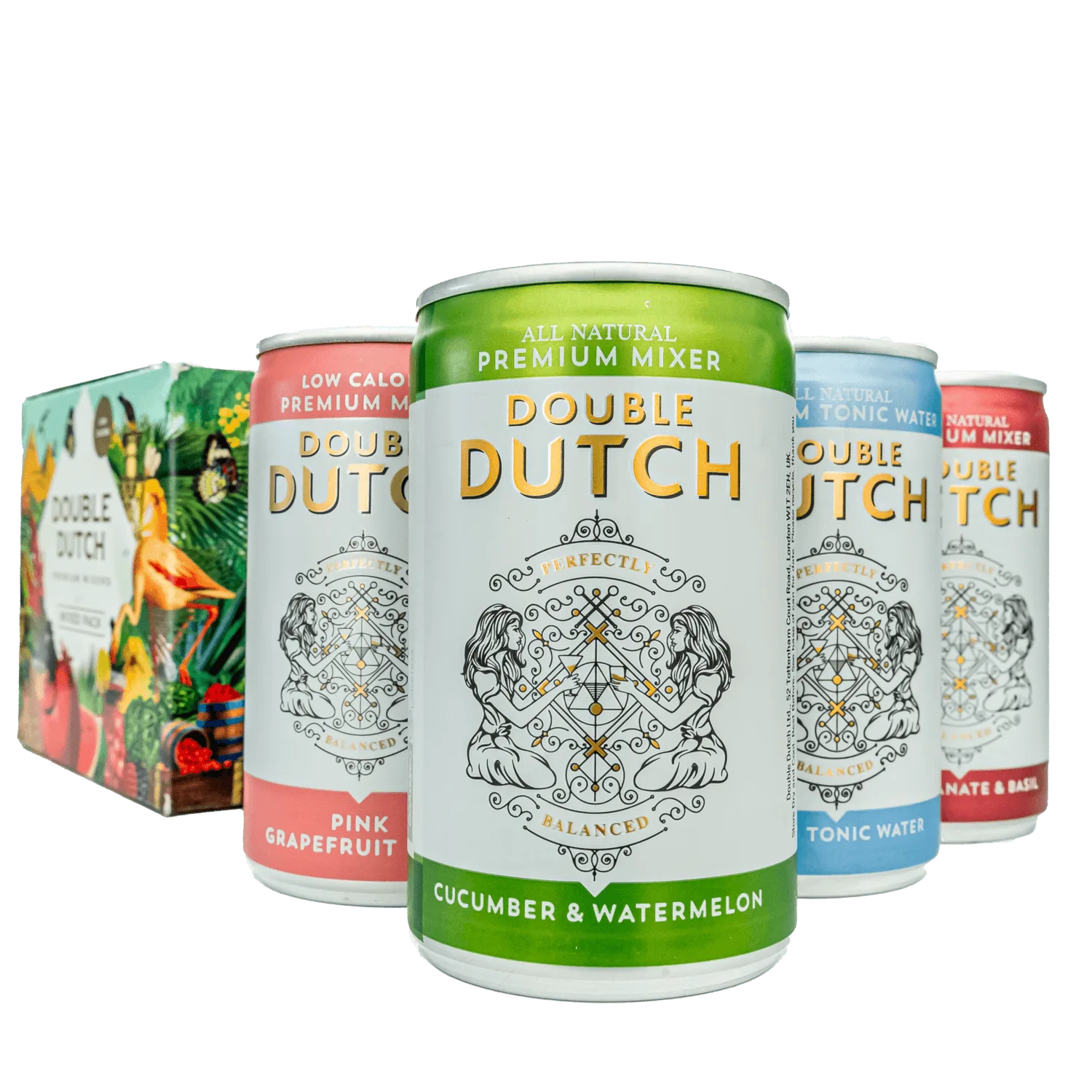
Glass bottles are made from abundant natural materials—sand, soda ash, and limestone—but they require significant energy to melt and shape. Producing a single glass bottle emits roughly 0.5 to 0.8 kg of CO2, depending on the color and weight. Because glass is heavy, transporting it also burns more fuel, increasing its overall carbon footprint. On the other hand, aluminum cans are lighter and more energy-efficient to transport. Producing virgin aluminum from bauxite ore is energy-intensive, but recycled aluminum uses 95% less energy. When you choose a mixer in a can, like the CUCUMBER & WATERMELON SODA (24x 150ml), you're often supporting a lighter supply chain with lower transport emissions.
That said, glass has a longer lifespan if reused. Many premium mixer brands still opt for glass because it preserves flavor better and feels more luxurious. But from a pure carbon perspective, cans generally have a smaller footprint per serving, especially when the aluminum content is high in recycled material. The choice also depends on how far your mixer travels—locally sourced glass can sometimes beat imported cans.
- Tip: Look for mixers labeled 'made with recycled aluminum' or '100% recycled glass' to reduce virgin material demand.
Recyclability and Circular Economy: Which Packaging Wins?
Aluminum is one of the most recyclable materials on the planet—nearly 75% of all aluminum ever produced is still in use today. Cans can be recycled infinitely without losing quality, and the recycling process is efficient and profitable. In contrast, glass is also 100% recyclable, but it's heavier and more fragile, which increases collection and processing costs. Many municipalities struggle with glass recycling because broken glass contaminates other materials. However, when glass is recycled properly, it can be remelted into new bottles with no loss of purity.
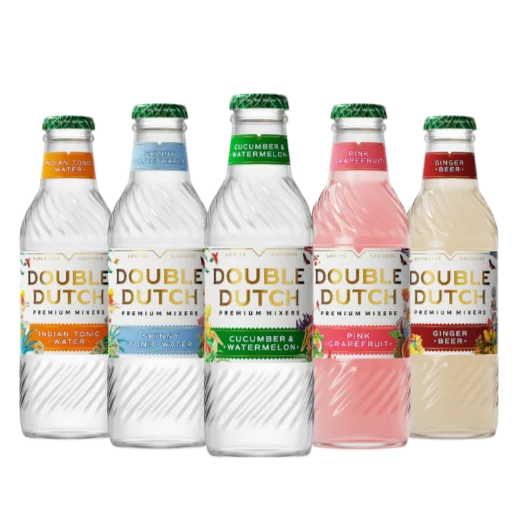
For premium mixers, the packaging often reflects the brand's commitment to sustainability. Our POMEGRANATE & BASIL SODA, for example, is available in both cans and bottles, giving you the flexibility to choose based on your local recycling infrastructure. If your area has robust glass recycling, a bottle might be the greener pick. If you're on the go or your curbside program accepts cans easily, the canned version is a smart choice.
- Check your local recycling guidelines: glass is best in areas with dedicated glass collection, while cans are universally accepted.
Water Usage and Resource Extraction
Producing glass bottles requires substantial water for cooling and washing during manufacturing. Aluminum production, especially from virgin ore, also consumes large amounts of water and leaves behind toxic red mud waste. However, recycled aluminum uses far less water. A 2018 study found that using recycled aluminum reduces water consumption by up to 80% compared to virgin production. Glass, when made from recycled cullet, also cuts water use by about 50%.
When evaluating the sustainability of your favorite mixer, consider the entire lifecycle. A product like the CUCUMBER & WATERMELON SODA (24x 150ml) in cans not only saves on transport weight but also supports a material that thrives in a circular economy. Meanwhile, glass bottles from local sources can still be a responsible choice if they are reused or recycled effectively. The key is to avoid single-use packaging that ends up in landfills.
- Opt for multipacks (like 24-can cases) to reduce packaging per serving and lower your overall resource footprint.
Practical Tips for Eco-Friendly Mixer Shopping
Navigating the canned vs bottled debate doesn't have to be complicated. Start by checking the label for recycled content—many premium brands now proudly display 'made from recycled materials.' Next, consider your consumption habits. If you're buying mixers for a party or outdoor event, cans are lighter, less breakable, and easier to recycle on the go. For a home bar where you want to impress guests, glass bottles can be reused as decanters or storage containers.
Also, think about the product itself. Some mixers, like the POMEGRANATE & BASIL SODA, are crafted with natural ingredients that taste best when protected from light and air—glass excels here. But modern can linings have improved dramatically, preserving flavor just as well. Ultimately, the most sustainable choice is the one you'll actually consume and recycle properly. Small steps, like choosing a 24-pack of cans over individual bottles, can add up to a big environmental win.
- Buy in bulk to reduce per-unit packaging waste.
- Rinse and recycle all containers—residue can contaminate recycling streams.
- Support brands that use post-consumer recycled (PCR) materials.
Choosing between canned and bottled mixers doesn't have to be a dilemma. Both have their place in a sustainable lifestyle, and the best option depends on your local recycling infrastructure, transport distance, and personal use case. By opting for products with high recycled content and recycling diligently, you can enjoy premium mixers while minimizing your environmental footprint. Explore our selection of eco-friendly options, including the versatile POMEGRANATE & BASIL SODA, and raise a glass to a greener planet.