Coffee capsules have become a lightning rod in discussions about sustainability. Critics point to mountains of plastic and aluminum waste, while proponents highlight convenience and quality. The truth, as always, lies somewhere in between. This article dives into the most common myths and hard facts about coffee capsule environmental impact, helping you make informed choices without sacrificing your morning ritual.
From the rise of single-serve machines to the growing availability of recyclable capsules, the landscape is shifting. We'll explore what happens to your used pods, how brands are innovating, and what you can do to reduce your footprint. Whether you're a devoted capsule user or a curious skeptic, understanding the full picture empowers you to sip smarter.
Myth 1: All Coffee Capsules End Up in Landfills
One of the most persistent myths is that every capsule you use goes straight to a landfill. While it's true that many capsules still end up there, the reality is more nuanced. In many regions, aluminum and plastic capsules are recyclable if disposed of correctly. For instance, aluminum capsules can be recycled indefinitely without quality loss, and some plastic capsules are now made with recyclable polypropylene.
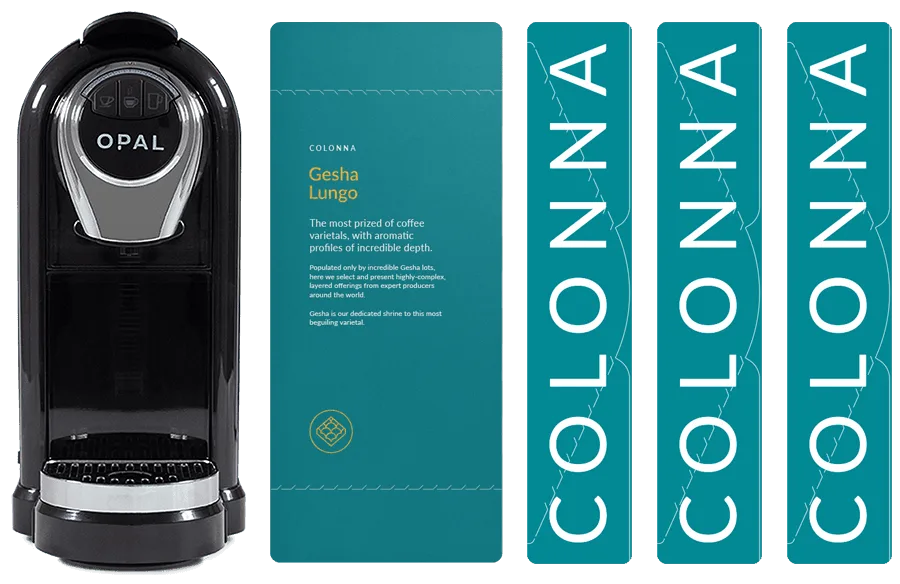
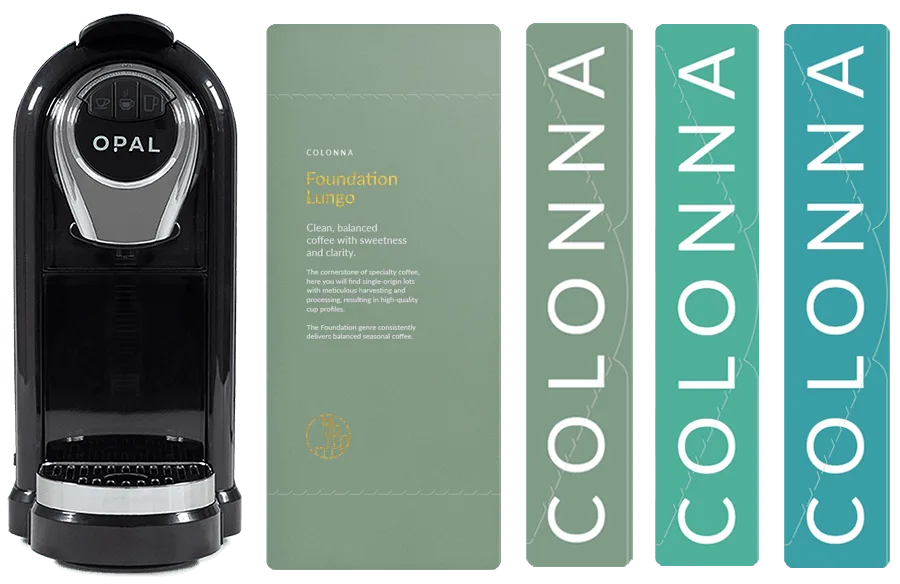
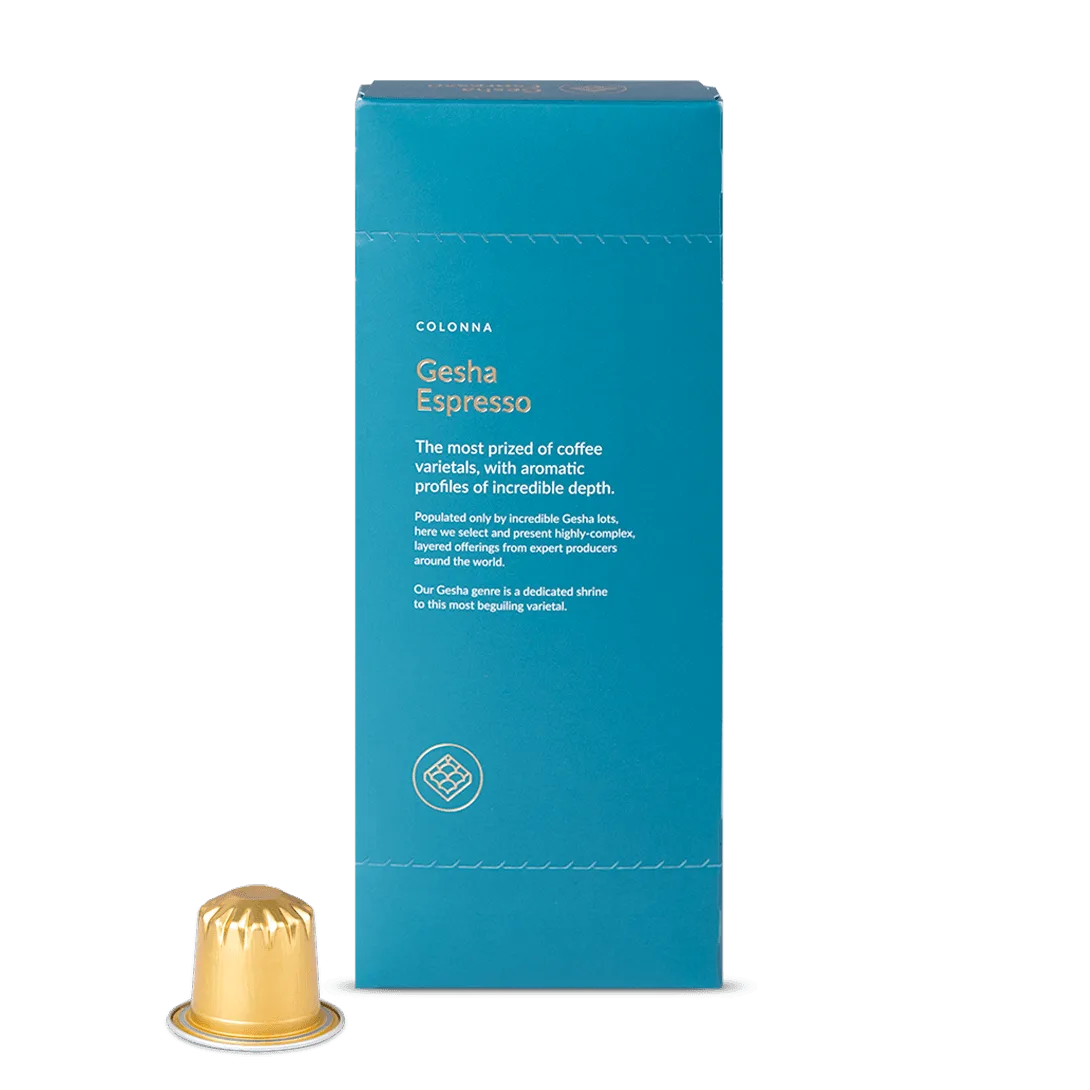
The key is consumer behavior and local recycling infrastructure. Many capsule brands offer free return programs or partner with recycling facilities. The https://beansyai.shop/products/decaf-espresso-capsules-with-machine-133571Decaf Espresso Capsules (With Machine) and https://beansyai.shop/products/gesha-espresso-capsules-with-machine-133577Gesha Espresso Capsules (With Machine) are examples of products designed with recyclability in mind, using materials that can be processed in standard recycling streams. However, contamination from coffee grounds and improper sorting remain challenges.
- Check your local recycling guidelines for capsule acceptance
- Rinse capsules lightly before recycling to remove residue
- Look for brands that offer take-back programs or mail-in recycling
Myth 2: Capsule Coffee Is Less Sustainable Than Drip or Espresso
Comparing the carbon footprint of different brewing methods is complex. While drip coffee may produce less packaging waste per cup, it often requires more energy to heat water and keep the carafe warm. Espresso machines, especially those using capsules, heat water on demand, reducing standby energy use. A lifecycle analysis by the University of Quebec found that capsule coffee can have a lower overall environmental impact than drip when considering energy, water, and coffee waste.
Moreover, capsules use precisely measured coffee doses, reducing the likelihood of over-brewing or wasting grounds. The Discovery Espresso Capsules (With Machine) offer a range of single-origin and blend options, each portioned to minimize waste. When you factor in the reduced water usage for cleaning (no filters, no carafe rinsing), the sustainability picture becomes more balanced.
- Consider the full lifecycle: growing, shipping, brewing, and disposal
- Capsules can reduce coffee waste through precise dosing
- On-demand heating often uses less energy than keeping a pot hot
Fact: Aluminum Capsules Have a High Recycling Rate When Properly Sorted
Aluminum is one of the most valuable and recyclable materials. In countries with robust recycling systems, aluminum capsules can be recycled with a recovery rate above 70%. The material can be melted down and reused in new products, including new capsules, cans, or even bicycle frames. This closed-loop potential makes aluminum a strong choice for eco-conscious consumers.
However, the recycling rate depends on collection. If capsules end up in general waste, they lose that potential. Brands are increasingly using aluminum that is certified by the Aluminum Stewardship Initiative, ensuring responsible sourcing. The Decaf Lungo Capsules are an example of aluminum capsules designed for easy recycling, with clear labeling to guide consumers. Pairing them with a dedicated recycling bin at home can make a real difference.
- Aluminum can be recycled infinitely without quality loss
- Look for capsules with clear recycling symbols and instructions
- Consider using a capsule recycling station or mail-back program
Myth 3: Compostable Capsules Are Always Better for the Environment
Compostable capsules sound like the perfect solution, but they come with caveats. Many require industrial composting facilities that reach high temperatures, which are not available in most municipal composting systems. If they end up in a landfill, they may not degrade properly and can release methane. Additionally, the production of bioplastics can have its own environmental costs, including land use and water consumption.
That said, when composted correctly, these capsules break down into nutrient-rich soil. The key is infrastructure. If your area has industrial composting, compostable capsules can be a great choice. For most people, recyclable aluminum or plastic capsules with a proven recycling pathway may be more effective. The Decaf Espresso Capsules (With Machine) are a reliable option that balances performance with end-of-life recyclability.
- Not all compostable capsules are home-compostable; check labels
- Industrial composting facilities are required for most bioplastics
- Recyclable capsules with high recovery rates can be a better alternative
How to Reduce Your Capsule Footprint: Practical Tips
First, choose capsules made from recyclable materials and support brands that offer take-back programs. Second, set up a dedicated recycling station in your kitchen with a small bin for used capsules. Rinse them quickly to remove grounds, then drop them in your recycling or mail them back. Third, consider using a reusable capsule system that lets you fill your own coffee grounds, eliminating waste entirely.
Fourth, buy in bulk to reduce packaging per capsule. Many roasters sell capsules in larger boxes or offer subscriptions that minimize shipping emissions. Finally, educate yourself on local recycling rules—what's accepted in one city may not be in another. By taking these steps, you can enjoy your favorite brews with a cleaner conscience.
- Set up a capsule recycling station at home
- Choose brands with transparent sustainability practices
- Explore reusable capsules for zero-waste brewing
Coffee capsules don't have to be an environmental villain. By understanding the facts behind the myths, you can make choices that align with your values. Whether you opt for recyclable aluminum capsules, compostable options, or reusable systems, every small step counts. Ready to explore a sustainable capsule option? Check out the Decaf Espresso Capsules (With Machine) for a delicious, responsibly sourced brew that fits your eco-friendly lifestyle.