Coffee is one of the world's most beloved beverages, but its journey from seed to cup carries a significant environmental footprint. From deforestation and water usage to carbon emissions and waste, traditional coffee farming can strain ecosystems. The good news is that as consumer awareness grows, the specialty coffee industry is shifting toward more sustainable practices—and you can be part of that change.
In this article, we’ll break down the key environmental challenges of coffee production and offer actionable guidance on how to choose sustainable beans. Whether you’re a home brewer or a café owner, understanding the impact of your coffee choices helps you enjoy every sip with a clear conscience.
The Environmental Challenges of Coffee Farming
Coffee is typically grown in tropical regions near the equator, often in biodiverse areas like rainforests. Conventional sun-grown coffee plantations require clearing vast tracts of forest, leading to habitat loss and reduced biodiversity. This monoculture approach also demands heavy use of synthetic fertilizers and pesticides, which can contaminate local water sources and harm wildlife.
Water consumption is another major concern. It takes about 140 liters of water to produce a single cup of coffee, from irrigation to processing. Wet milling methods used to remove the coffee cherry’s pulp generate large amounts of wastewater, which can pollute rivers if not treated properly. Additionally, the carbon footprint of shipping green beans across oceans adds to the climate impact.
- Choose shade-grown or forest-friendly coffee to support biodiversity.
- Look for organic certification to avoid synthetic chemicals.
- Opt for brands that invest in water-efficient processing methods.
What Makes Coffee Sustainable? Key Certifications and Practices
Several certifications help consumers identify more sustainable coffee. Rainforest Alliance certification ensures farms protect ecosystems and wildlife, while Fair Trade focuses on fair wages and community development. Organic certification prohibits synthetic inputs, and Bird Friendly (by the Smithsonian) guarantees shade-grown habitat for migratory birds. Each label addresses different aspects of sustainability, so combining them offers the most comprehensive impact.
Beyond certifications, direct trade relationships between roasters and farmers often lead to better environmental practices. Roasters who visit origin and invest in long-term partnerships can encourage regenerative agriculture, composting of coffee pulp, and reforestation projects. These efforts not only reduce environmental harm but also improve bean quality.
- Rainforest Alliance – protects ecosystems and wildlife.
- Fair Trade – ensures fair wages and community investment.
- Organic – prohibits synthetic pesticides and fertilizers.
- Bird Friendly – guarantees shade-grown, forest-friendly habitat.
How Your Brewing Choices Affect the Planet
Sustainability doesn’t end at the farm—your brewing habits matter too. Single-use pods and paper filters contribute to waste, while inefficient brewing methods waste water and energy. Choosing a reusable metal filter or compostable paper filters can cut down on landfill waste. Using a precise brew scale helps you measure coffee and water accurately, reducing waste from over-brewing.
Cold brew lovers can also make eco-friendly choices. Brewing in bulk with a cold brew system uses less energy per cup than repeatedly heating water. And when you buy whole beans instead of pre-ground, you minimize packaging and preserve freshness. Small shifts in your daily routine add up to a meaningful environmental difference.
- Use a reusable filter or compostable paper filters.
- Invest in a digital brew scale to avoid over-brewing.
- Brew cold brew in batches to save energy.
Choosing Sustainable Beans: A Practical Guide
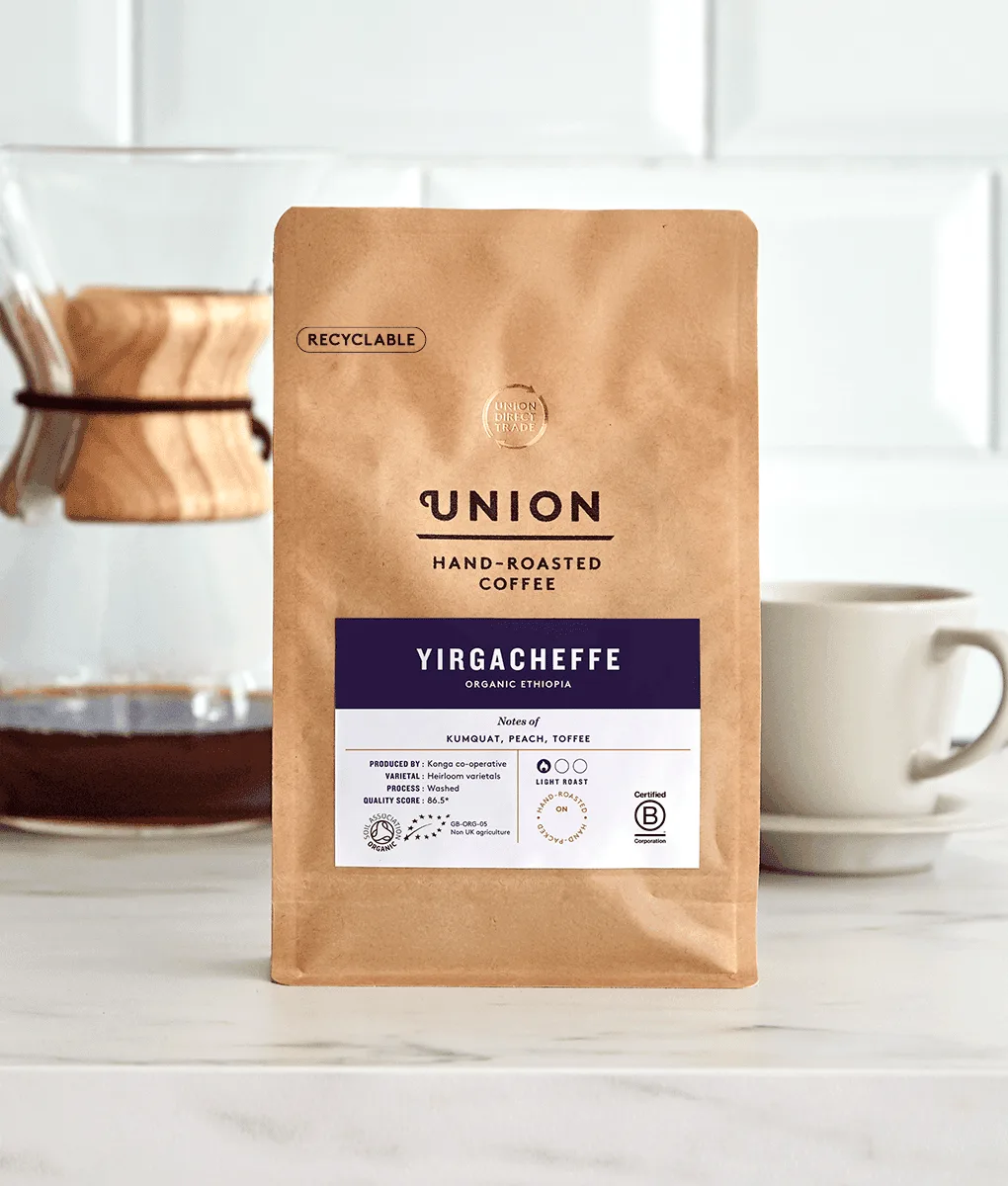
Start by reading labels and asking your roaster about sourcing. Look for specific origin information and certifications. Single-origin coffees often have more traceable supply chains, making it easier to verify sustainable practices. For example, the Bobolink, Brazil is a single-origin coffee from a farm that prioritizes shade-growing and biodiversity, offering a delicious cup with a lighter environmental footprint.
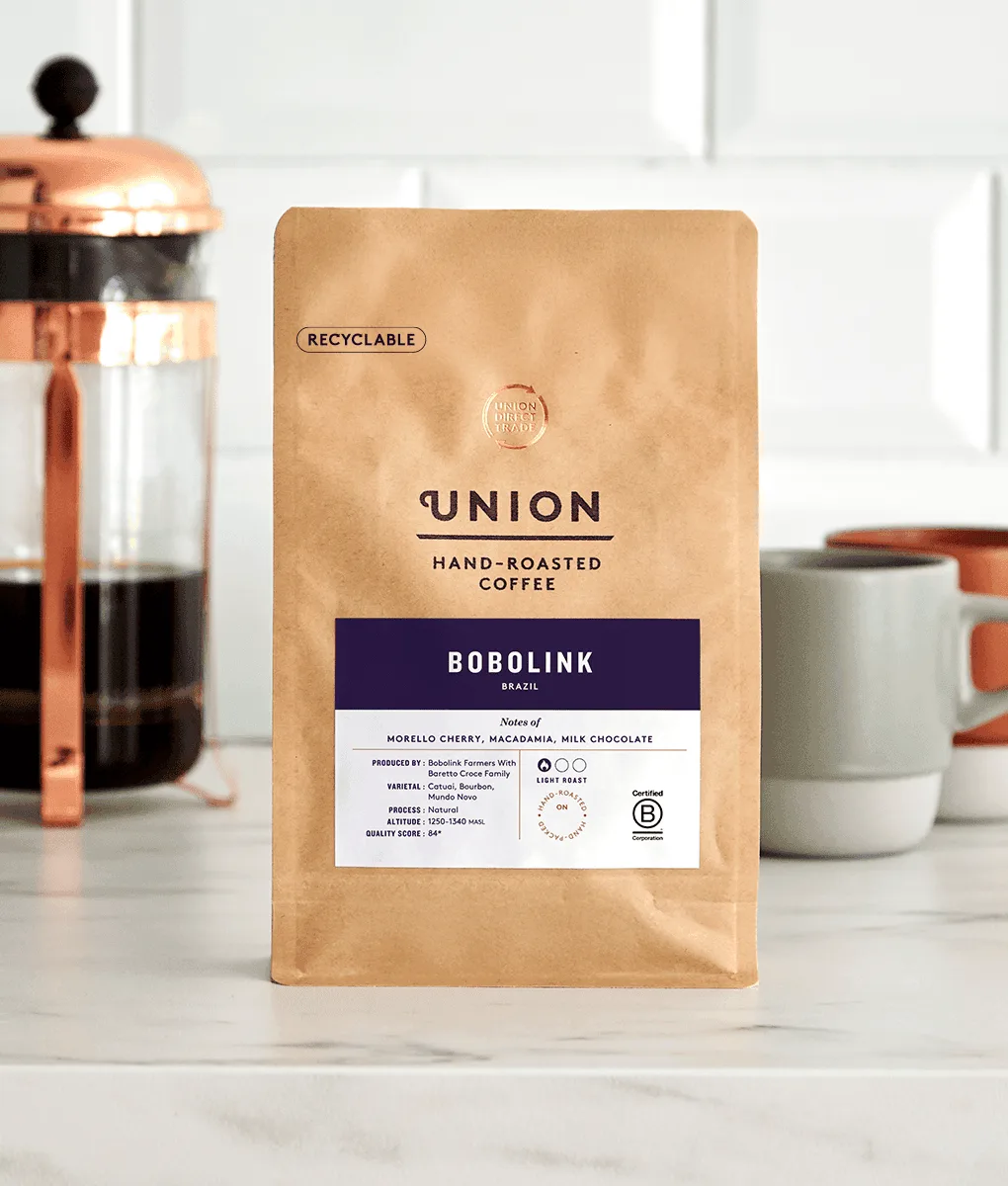
Bobolink, Brazil
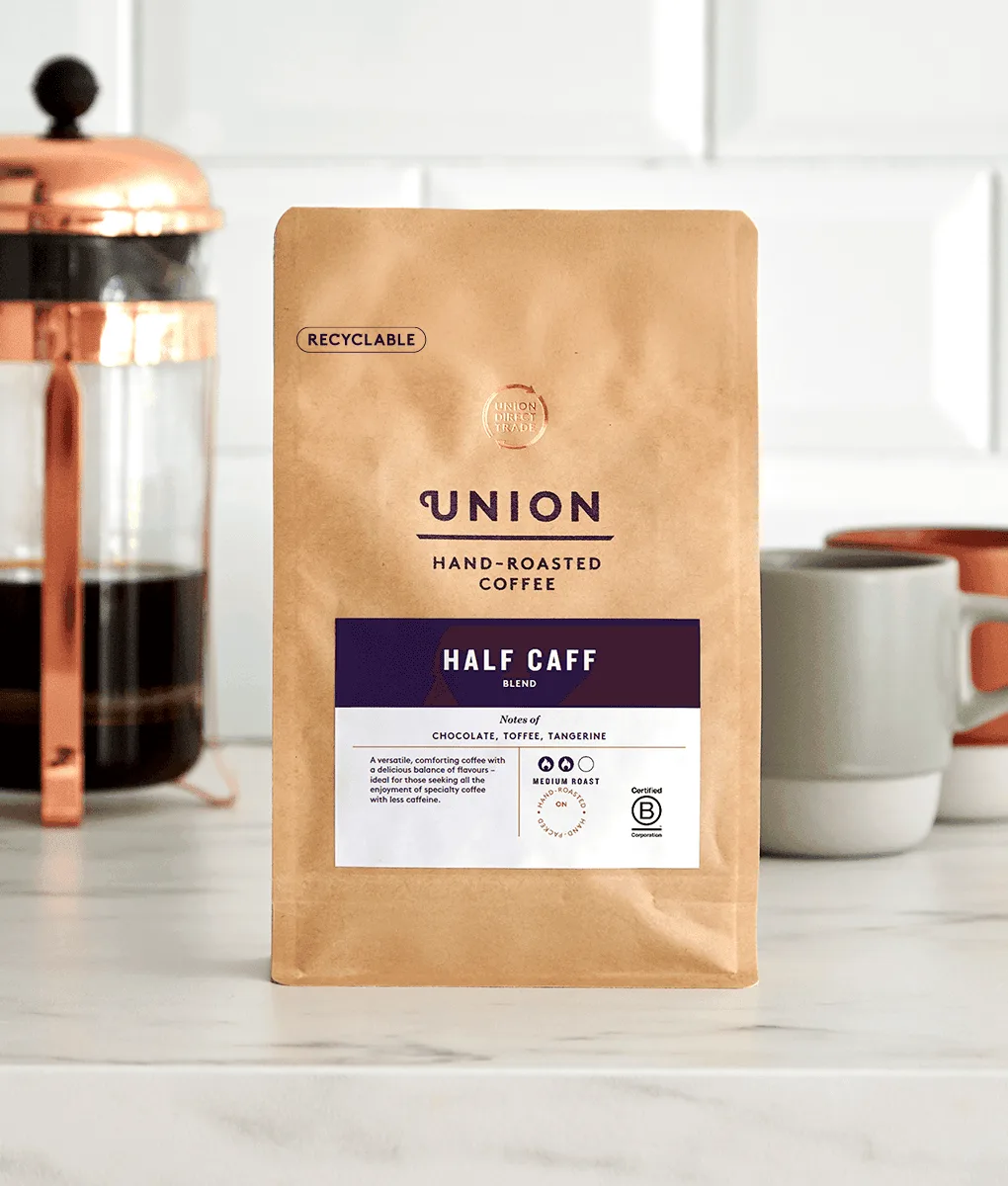
Blends can also be sustainable when sourced responsibly. The Bright Note, Blend combines beans from multiple origins, and when chosen from a roaster committed to ethical sourcing, it supports diverse farming communities. Don’t hesitate to contact roasters directly—many are proud to share their sustainability initiatives and can recommend eco-friendly options.
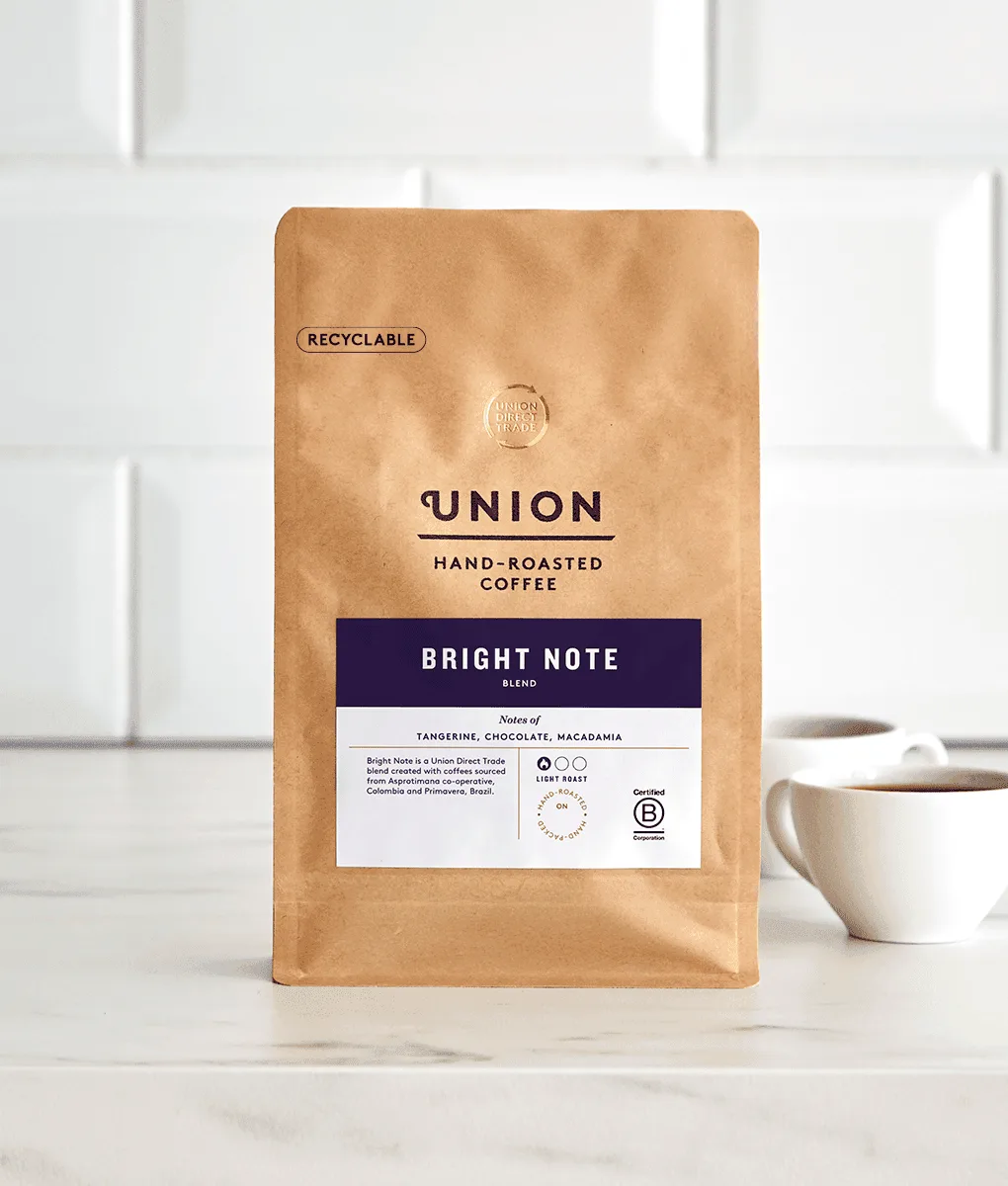
Bright Note, Blend
- Prefer single-origin coffees with traceable supply chains.
- Ask your roaster about their environmental policies.
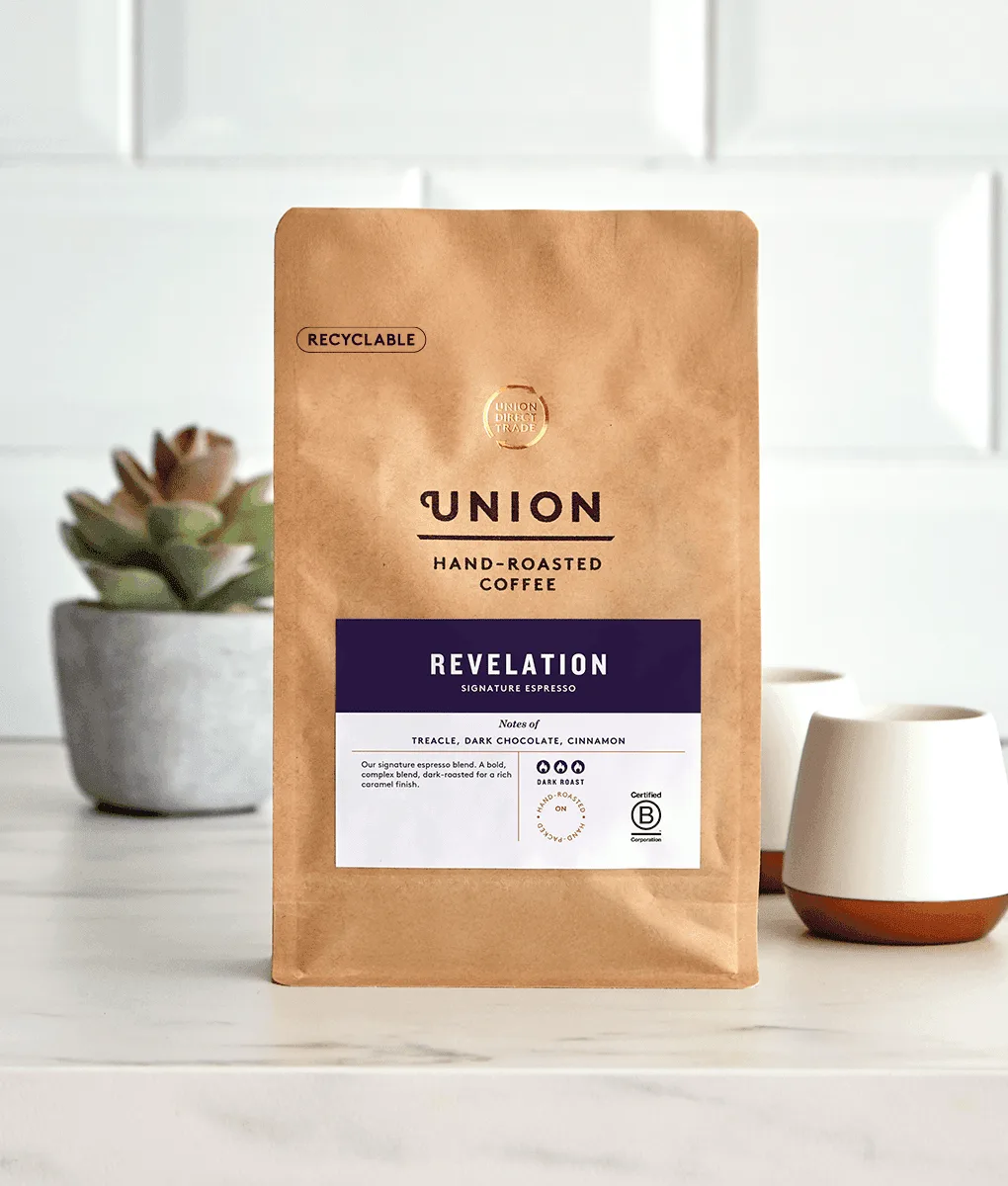
- Consider blends from ethical sources for variety and impact.
The Role of Coffee Subscriptions in Reducing Waste
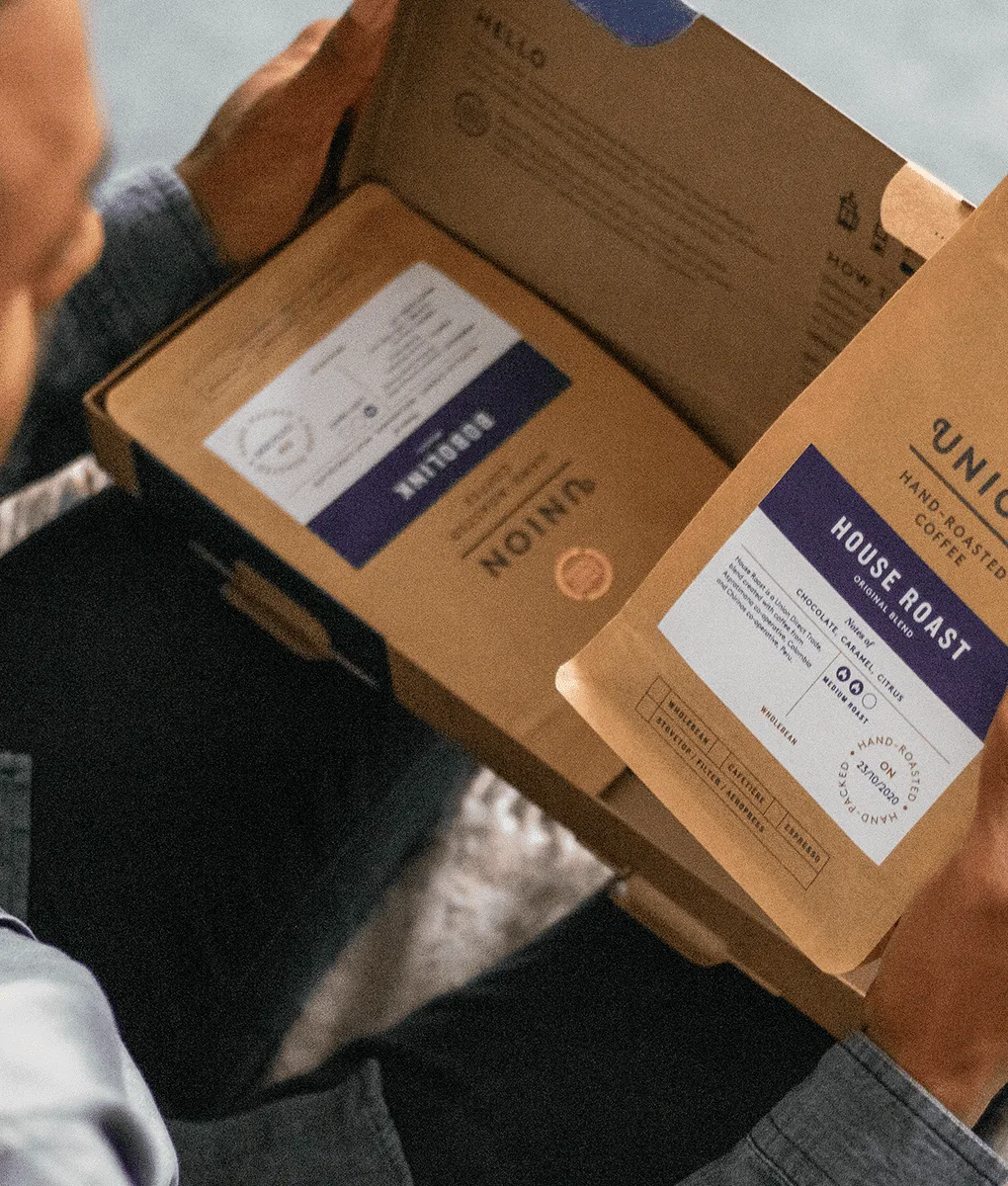
Coffee subscriptions can actually be more sustainable than buying individual bags at the store. They reduce the need for last-minute trips and often come in minimal, recyclable packaging. A Discovery, Coffee Subscription delivers freshly roasted beans on a schedule you control, so you never over-order or let beans go stale. This reduces food waste and the carbon footprint of multiple shopping trips.
Some roasters also offer subscription options that allow you to choose sustainable blends or single origins, giving you direct control over your environmental impact. By committing to a subscription, you support a consistent supply chain that roasters can plan around, often enabling them to invest more in sustainable farming partnerships.
- Subscriptions reduce packaging waste and food waste.
- Choose a subscription that offers sustainable bean options.
- Scheduled deliveries mean fresher coffee and less spoilage.
Making sustainable coffee choices doesn’t mean compromising on flavor or convenience. By selecting beans from ethical sources, using efficient brewing methods, and supporting roasters who prioritize the planet, you can enjoy exceptional coffee while protecting the environment. Start your journey today with a Discovery, Coffee Subscription and taste the difference that mindful sourcing makes.