Cushion foundations have taken the beauty world by storm, offering a convenient, portable way to achieve a flawless, glowing complexion. However, as consumers become more eco-conscious, the environmental footprint of these beloved compacts has come under scrutiny. The question is no longer just about finish or shade match, but about waste: Are cushion foundations inherently wasteful, or can refillable designs make them a sustainable choice? In this article, we break down the environmental impact of cushion foundations, comparing refillable systems with disposable options, and offer practical tips for making greener beauty decisions.
The global beauty industry produces over 120 billion units of packaging each year, much of which ends up in landfills. Cushion foundations, with their multiple components—plastic cases, sponges, and inner pans—are a notable contributor. But not all cushions are created equal. By understanding the lifecycle of these products, you can choose a foundation that aligns with your values without compromising on the radiant, skin-like finish you love.
The Anatomy of a Cushion Foundation: What Goes Into the Waste Stream
A typical cushion foundation consists of a compact case, a sponge applicator, an inner pan soaked with liquid foundation, and often a separate mirror or protective lid. In disposable versions, the entire unit is thrown away once the foundation runs out. This means the plastic case, the sponge, and the inner pan all end up as waste—often mixed materials that are difficult to recycle. Even if the case is made of recyclable plastic, the presence of leftover product and the combination of different polymers can render it unrecyclable in standard municipal systems.
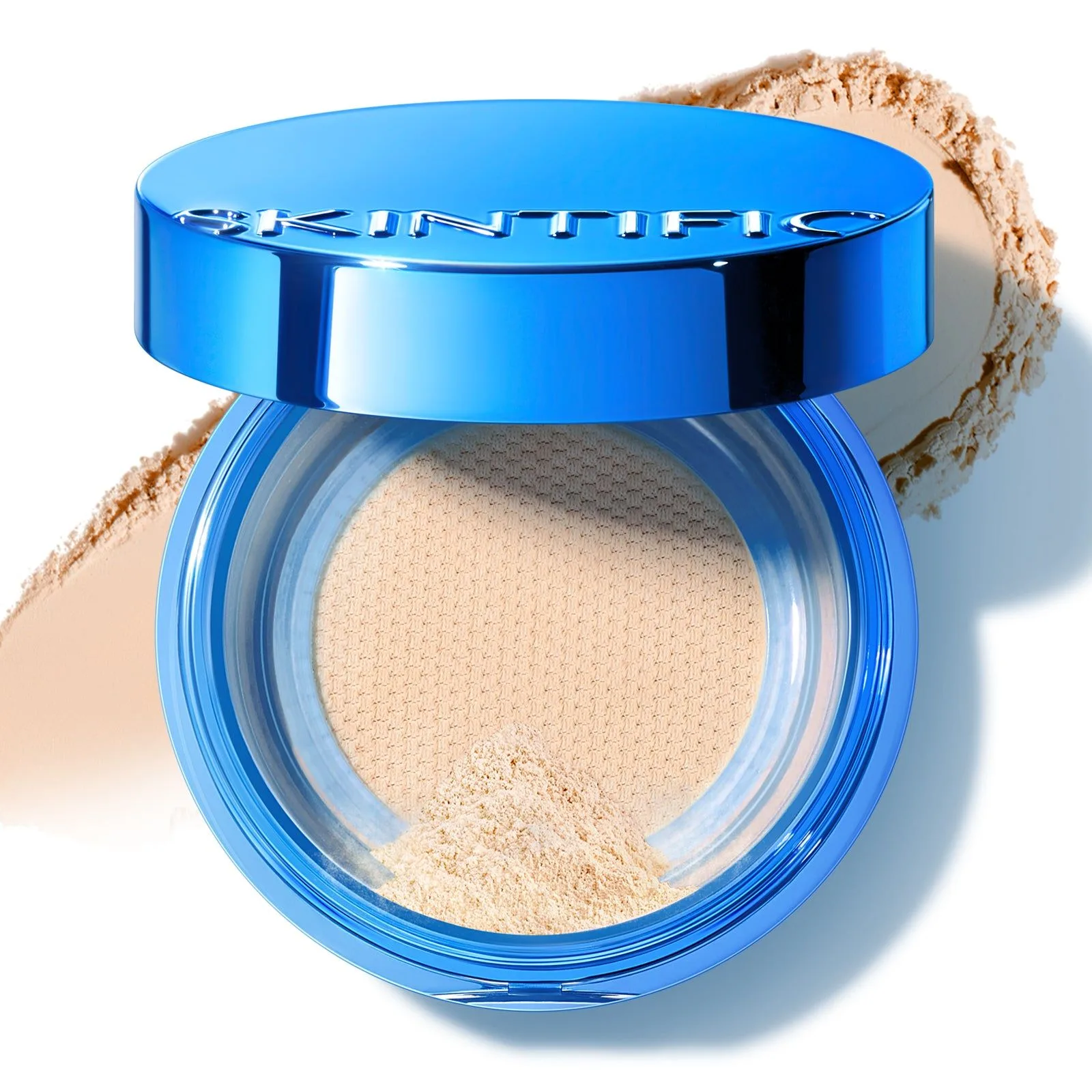
Refillable cushion systems, on the other hand, allow you to keep the outer compact and simply replace the inner pan or sponge. This dramatically reduces the amount of plastic discarded per use. For example, a single refillable compact can be reused dozens of times, cutting down packaging waste by up to 70% compared to buying a new disposable compact each time. Brands like SKINTIFIC have embraced this model, offering refill pans that click into a sturdy, stylish case—making it easy to switch shades or refresh your foundation without generating extra trash.
- Disposable cushions: entire compact discarded after one use cycle
- Refillable cushions: outer case reused, only inner pan replaced
- Mixed-material compacts often cannot be recycled curbside
- Refill systems can reduce plastic waste by up to 70%
Refillable Cushion Foundations: A Greener Choice That Doesn't Sacrifice Performance
Refillable cushion foundations are not just better for the planet—they also offer practical benefits. Because the outer case is designed to last, it can be made from more durable, premium materials that feel luxurious in your hand. Many refillable compacts also feature airtight seals that keep the foundation fresh and prevent leakage, extending the product's shelf life. And since you're only buying the inner pan, the upfront cost per refill is often lower than buying a new compact, making it a budget-friendly sustainable choice.
When you choose a refillable cushion, you're also supporting a circular economy model. Brands that offer refills are incentivized to design for longevity and recyclability, which can drive industry-wide improvements. For instance, SKINTIFIC's Instant Glow Cushion Foundation is designed with a refillable system, allowing you to enjoy that Jeffree Star-approved glow while minimizing waste. Pair it with a lightweight moisturizer like the 5% B5 Ceramide Barrier Relief Moisturizer to prep your skin, and you have a routine that's both effective and eco-conscious.
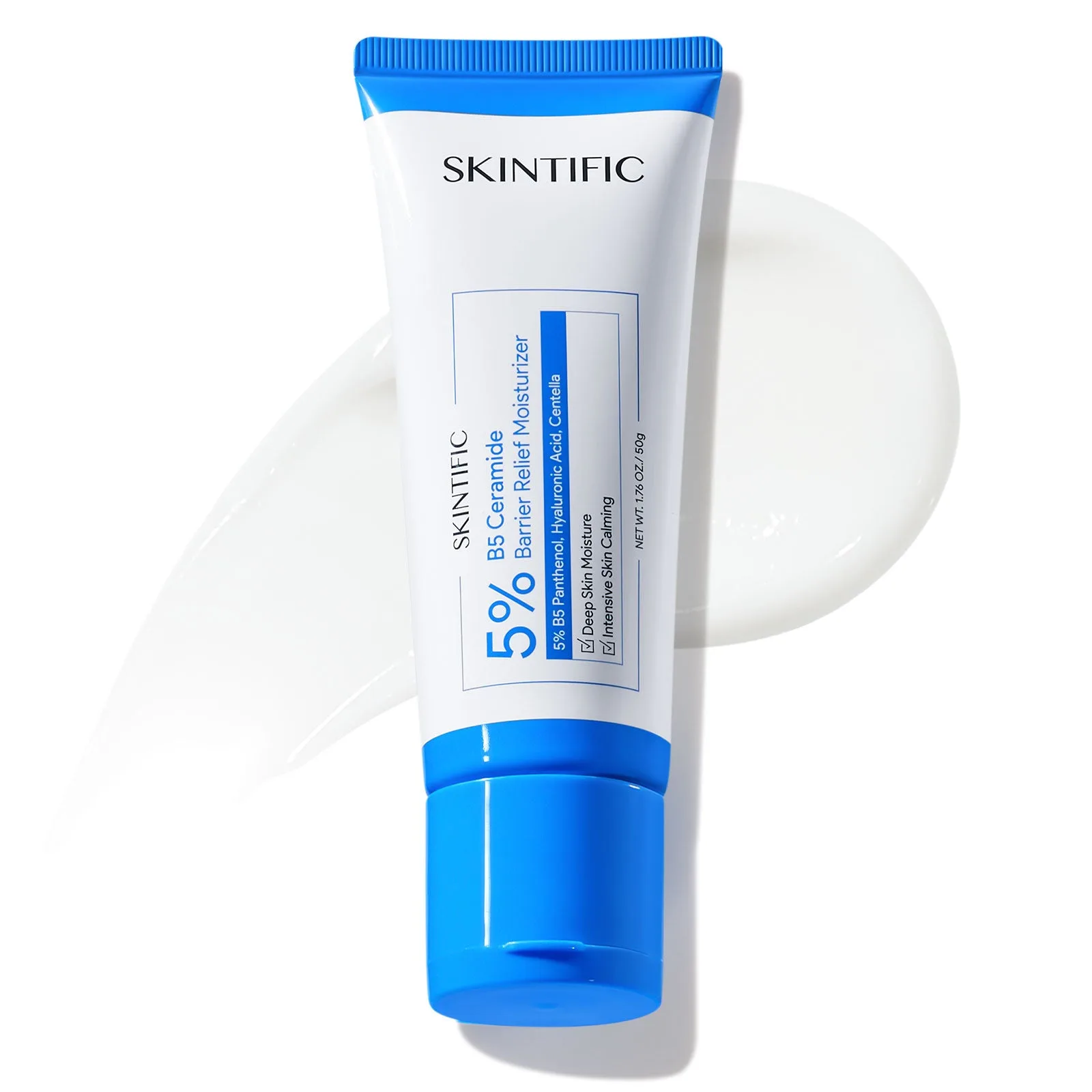
5% B5 Ceramide Barrier Relief Moisturizer
Disposable Cushions: Convenience at a Cost
Disposable cushion foundations are undeniably convenient—they're travel-friendly, hygienic, and require no assembly. But that convenience comes with a significant environmental price tag. Each disposable compact generates roughly 50-80 grams of plastic waste, and with millions of units sold annually, the cumulative impact is staggering. Moreover, many disposable cushions are made from mixed plastics (like PP and PET) that are challenging to separate and recycle. The sponge, often made from polyurethane foam, is rarely recyclable and can take hundreds of years to decompose in a landfill.
Some brands have attempted to mitigate this by offering recyclable packaging or using post-consumer recycled (PCR) plastics. However, the reality is that the majority of disposable cushion compacts still end up in the trash. For consumers who prioritize convenience, the best option is to look for brands that provide clear recycling instructions or participate in take-back programs. But if you're committed to reducing your beauty footprint, switching to a refillable cushion is the most impactful change you can make.
- Disposable compact = ~50-80g of plastic waste per use
- Mixed plastics make recycling difficult
- Sponges are rarely recyclable and non-biodegradable
- Look for take-back programs if you must use disposable
How to Make Your Cushion Foundation Routine More Sustainable
Transitioning to a more sustainable cushion foundation routine doesn't mean sacrificing quality or performance. Start by choosing a refillable cushion foundation from a brand committed to eco-friendly practices. SKINTIFIC's Instant Glow Cushion Foundation is an excellent choice—it delivers a luminous, glass-skin finish while allowing you to buy refills that snap into a durable compact. To extend the life of your cushion, always use a clean puff and store the compact in a cool, dry place to prevent the formula from drying out.
You can also reduce waste by using a dedicated makeup sponge or brush instead of the included puff, which can be washed and reused. When you do need to replace the puff, look for brands that sell replacement puffs separately. And don't forget about the rest of your routine: using multi-purpose products like the Niacinamide Brightening Daily Quick Mask can streamline your skincare while cutting down on packaging. Every small step adds up to a greener beauty regimen.
- Choose refillable cushion foundations over disposable ones
- Wash and reuse your makeup puff instead of tossing it
- Store cushions properly to prevent drying and waste
- Opt for multi-purpose skincare products to reduce total packaging
The Future of Sustainable Cushion Foundations: Innovations to Watch
The beauty industry is waking up to the need for sustainable packaging, and cushion foundations are no exception. We're seeing innovations like biodegradable inner pans, plant-based sponges, and compacts made from ocean-bound plastics. Some brands are even experimenting with solid cushion formats that eliminate liquid packaging altogether. As consumer demand for eco-friendly options grows, we can expect more brands to adopt refillable systems and invest in circular design principles.
For now, the most effective way to reduce your environmental impact is to vote with your wallet. Support brands that prioritize sustainability, and don't be afraid to ask questions about packaging and end-of-life disposal. By choosing a refillable cushion foundation like the Instant Glow Cushion Foundation, you're not just getting a beautiful, glowing complexion—you're also helping to shape a more sustainable future for beauty.
Choosing a cushion foundation doesn't have to mean choosing between a flawless finish and a healthy planet. By opting for refillable systems and being mindful of how you use and dispose of your products, you can enjoy radiant skin with a lighter environmental footprint. Explore the Instant Glow Cushion Foundation and its refillable design to start your sustainable beauty journey today.