The beauty industry has long been criticized for its environmental footprint, and hair extensions are no exception. From plastic packaging to chemical processing and synthetic fibers, the journey of a hair extension from production to disposal can leave a significant mark on the planet. But as consumers become more eco-conscious, a shift is underway. Whether you are new to extensions or a seasoned wearer, understanding the hair extension environmental impact can help you make choices that align with your values. In this article, we explore the hidden costs of conventional extensions, highlight sustainable alternatives, and offer actionable tips for building a more ethical beauty routine.
The Hidden Environmental Cost of Hair Extensions
Most hair extensions sold today fall into two categories: synthetic and human hair. Each comes with its own set of environmental challenges. Synthetic extensions are typically made from petroleum-based fibers like polyester, acrylic, or PVC. The production of these materials requires fossil fuels, releases volatile organic compounds, and generates non-biodegradable waste. Once discarded, synthetic extensions can take hundreds of years to decompose in landfills, leaching microplastics into soil and waterways.
Human hair extensions, while often perceived as more natural, also have a substantial footprint. The global hair trade relies heavily on industrial farming and chemical processing. Many human hair strands are sourced from religious offerings in temples in India or from donors in developing countries, where workers are underpaid and exposed to harsh chemicals like formaldehyde, ammonia, and peroxide during processing. These chemicals then flow into local water systems, affecting communities and ecosystems. Additionally, the carbon footprint of shipping raw hair across continents—often from Asia to Europe or North America—adds to the problem.
Packaging is another major issue. Most extensions come in plastic-heavy packaging—individual pouches, plastic clips, and foam strips—that is rarely recyclable. The beauty industry as a whole produces over 120 billion units of packaging each year, and extensions contribute disproportionately due to their delicate nature.
How to Identify Sustainable Hair Extensions
Fortunately, the demand for eco friendly hair is driving innovation. When shopping for extensions, look for brands that prioritize transparency and sustainability at every stage of the supply chain. Here are key factors to consider:
1. Sourcing and Ethics
Ethically sourced human hair extensions often come from voluntary donors who are fairly compensated. Some brands partner with fair-trade organizations or directly with communities to ensure safe working conditions and living wages. Certified sources—such as those with a 'Remy' label indicating aligned cuticles—are also more durable, reducing the need for frequent replacement.
2. Processing and Dyeing
Conventional extensions are dyed with harsh chemicals, but sustainable brands use plant-based or low-impact dyes. Some even offer undyed, natural shades that require no chemical processing at all. Look for terms like 'virgin hair' (unprocessed) or 'natural color' to minimize chemical load.
3. Material and Durability
High-quality human hair extensions last 6–12 months with proper care, while synthetic ones typically need replacement every 2–3 months. Investing in durable, reusable extensions reduces waste over time. Additionally, some brands now offer biodegradable clips and packaging made from recycled materials or bamboo.
The Role of Clips in Sustainable Hair Extensions
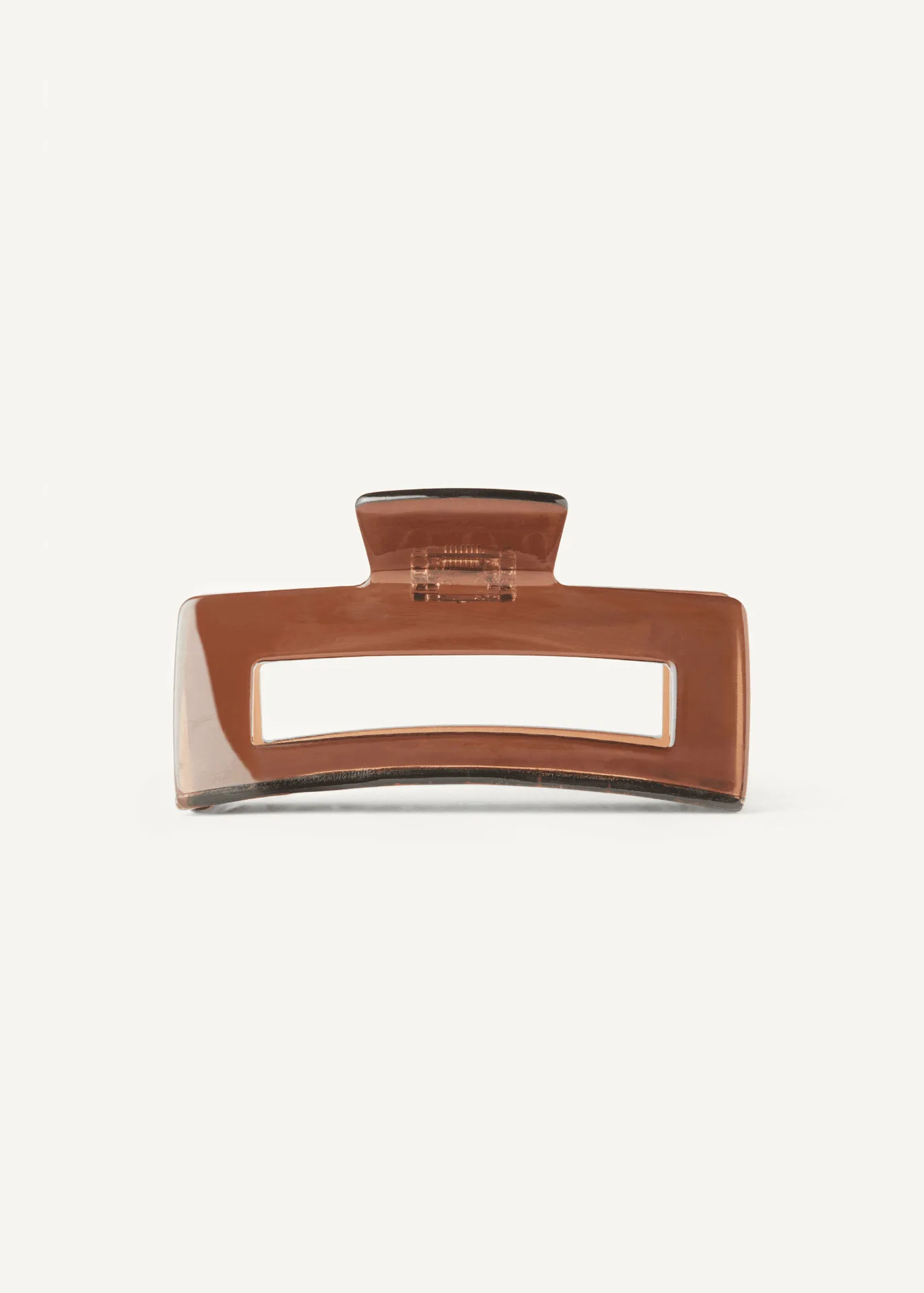
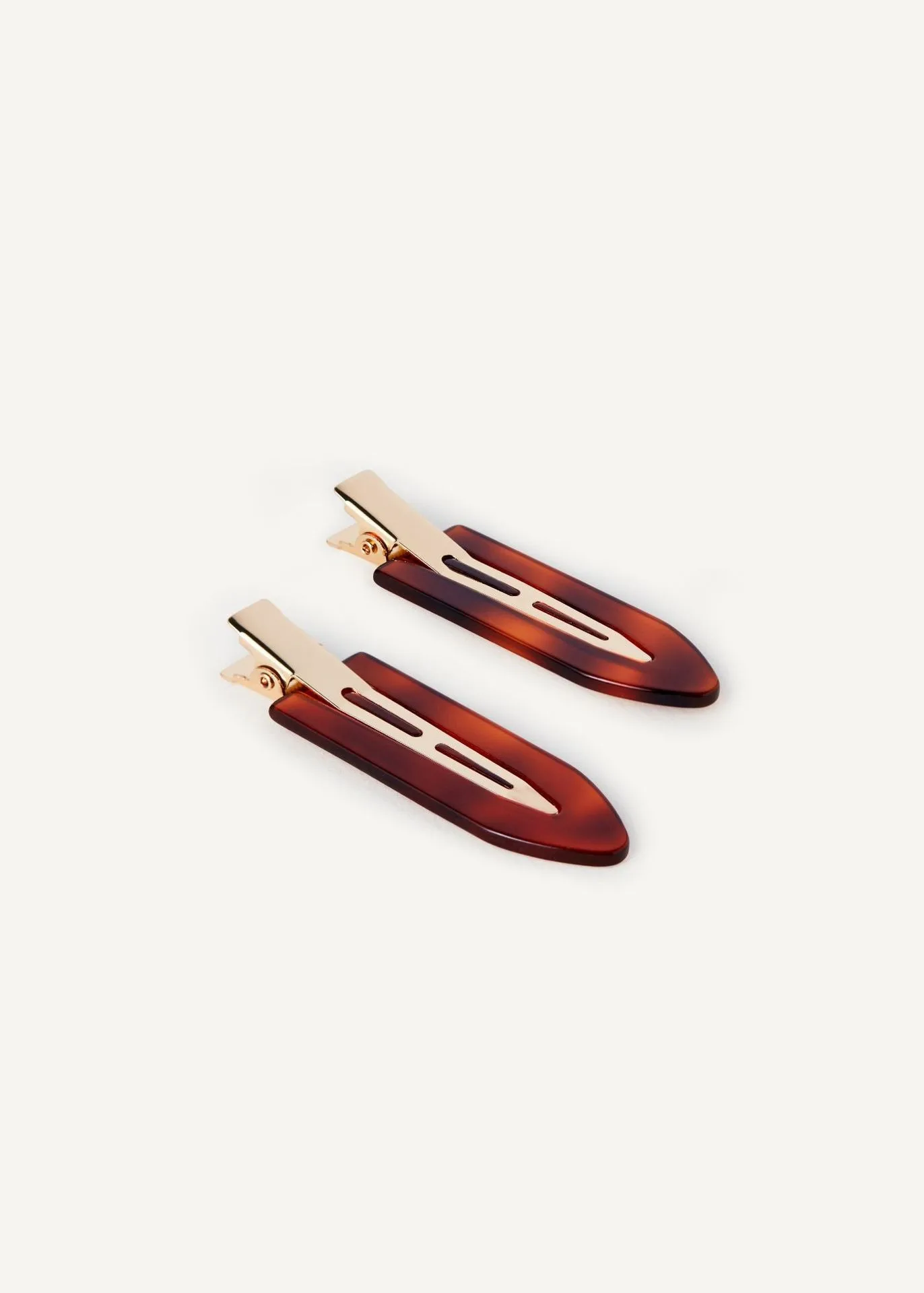
When discussing sustainable extensions, the attachment method matters more than you might think. Clip-in extensions, for example, are inherently more eco-friendly than permanent methods like tape-ins or bonds. Why? Because they are reusable, require no adhesive or heat for installation, and are easy to remove without damaging your natural hair. This means fewer replacements and less chemical waste.
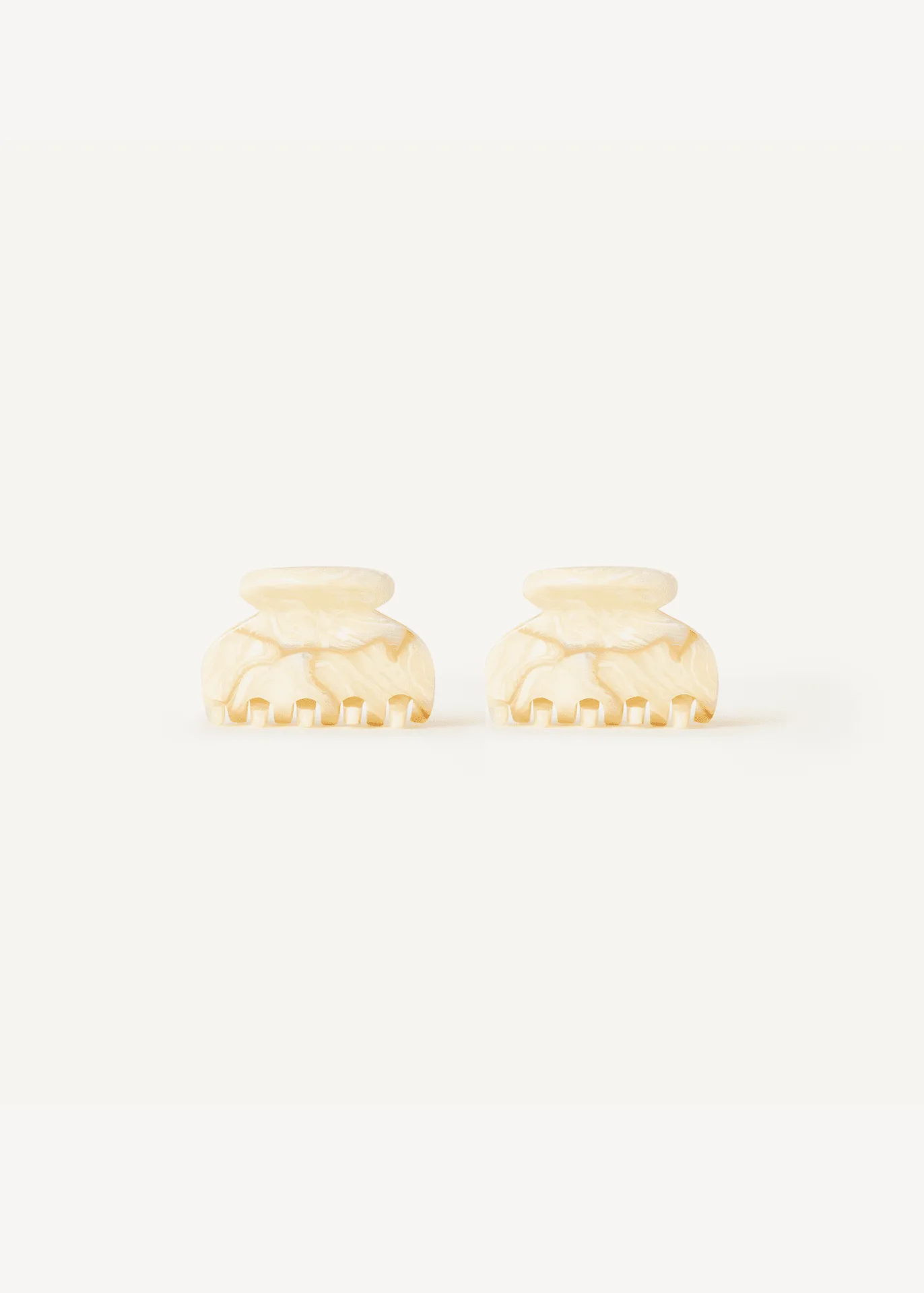
Modern clip-in designs also prioritize sustainability. Many brands now use silicone-lined clips that are strong yet gentle, reducing the likelihood of breakage. For instance, if you are looking for a versatile and eco-conscious option, you might explore the Everyday Clip-In Extensions from Kov Hair, which feature lightweight, non-slip clips made from recycled metal components. These clips are designed for daily wear and can be reused for months, cutting down on waste compared to disposable alternatives.
Another innovative product line is the Seamless Clip-In Extensions, which use a flat, invisible weft that minimizes shedding and tangling. Because they are made with high-grade Remy human hair, they maintain their luster and structure over multiple wears, making them a sustainable investment. By choosing clip-ins over permanent methods, you reduce the environmental impact associated with adhesive removal and frequent salon visits.
Eco-Friendly Alternatives to Conventional Extensions
Beyond clip-ins, there are other ethical hair products entering the market. Some brands offer extensions made from recycled synthetic fibers, which divert plastic waste from landfills. While these are not biodegradable, they at least repurpose existing materials. Others are experimenting with bio-based fibers derived from corn, hemp, or algae, though these are still in early stages.
For those who prefer human hair, consider purchasing from brands that use sustainably harvested hair—for example, hair collected from salon floor sweepings or from communities where donations are part of cultural tradition. While the hygiene standards for such sourcing are high, the environmental savings are significant.
Another emerging trend is the 'hair bank' model, where consumers return used extensions to the brand for recycling. The hair is then processed into new products, such as wigs or hairpieces for medical patients, or even ground into organic fertilizer. This circular economy approach keeps hair out of landfills and reduces the need for virgin materials.
How to Reduce Your Hair Extension Carbon Footprint
As a consumer, you have the power to make small changes that add up. Here are practical steps to minimize your hair extension environmental impact:
- Choose reusable clip-ins over permanent methods. As mentioned, clip-ins last longer and require no chemical adhesives.
- Care for your extensions properly to extend their lifespan. Use sulfate-free shampoos, store them in a silk bag, and avoid excessive heat styling. This reduces the frequency of repurchasing.
- Buy from transparent brands that disclose their sourcing and manufacturing practices. Look for certifications like Fair Trade or OEKO-TEX.
- Opt for natural shades that don't require bleaching or heavy dyeing. This cuts down on chemical use.
- Recycle or donate old extensions. Some organizations accept used human hair for oil spill cleanup, while others make wigs for cancer patients. Never throw extensions in the trash if they can be repurposed.
The Future of Sustainable Hair Extensions
The beauty industry is slowly waking up to the need for sustainability. In 2025, we can expect more brands to offer carbon-neutral shipping, biodegradable packaging, and take-back programs. Consumers are also driving change by demanding transparency and voting with their wallets. As awareness grows, the market for sustainable hair extensions will expand, making eco-friendly options more accessible and affordable.
At Kov Hair, we are committed to this journey. Our clip-in extensions are designed with durability and environmental consciousness in mind. By choosing products that last longer and are made with ethically sourced materials, you can enjoy beautiful hair without compromising your values.
Final Thoughts: Small Changes, Big Impact
The hair extension environmental impact is real, but it does not have to be overwhelming. By shifting your purchasing habits toward eco friendly hair and ethical hair products, you can reduce waste, support fair labor practices, and contribute to a healthier planet. The most impactful change you can make today is to choose reusable, high-quality extensions that minimize your consumption. Explore the Everyday Clip-In Extensions to start your sustainable hair journey—they are versatile, durable, and kind to the Earth.