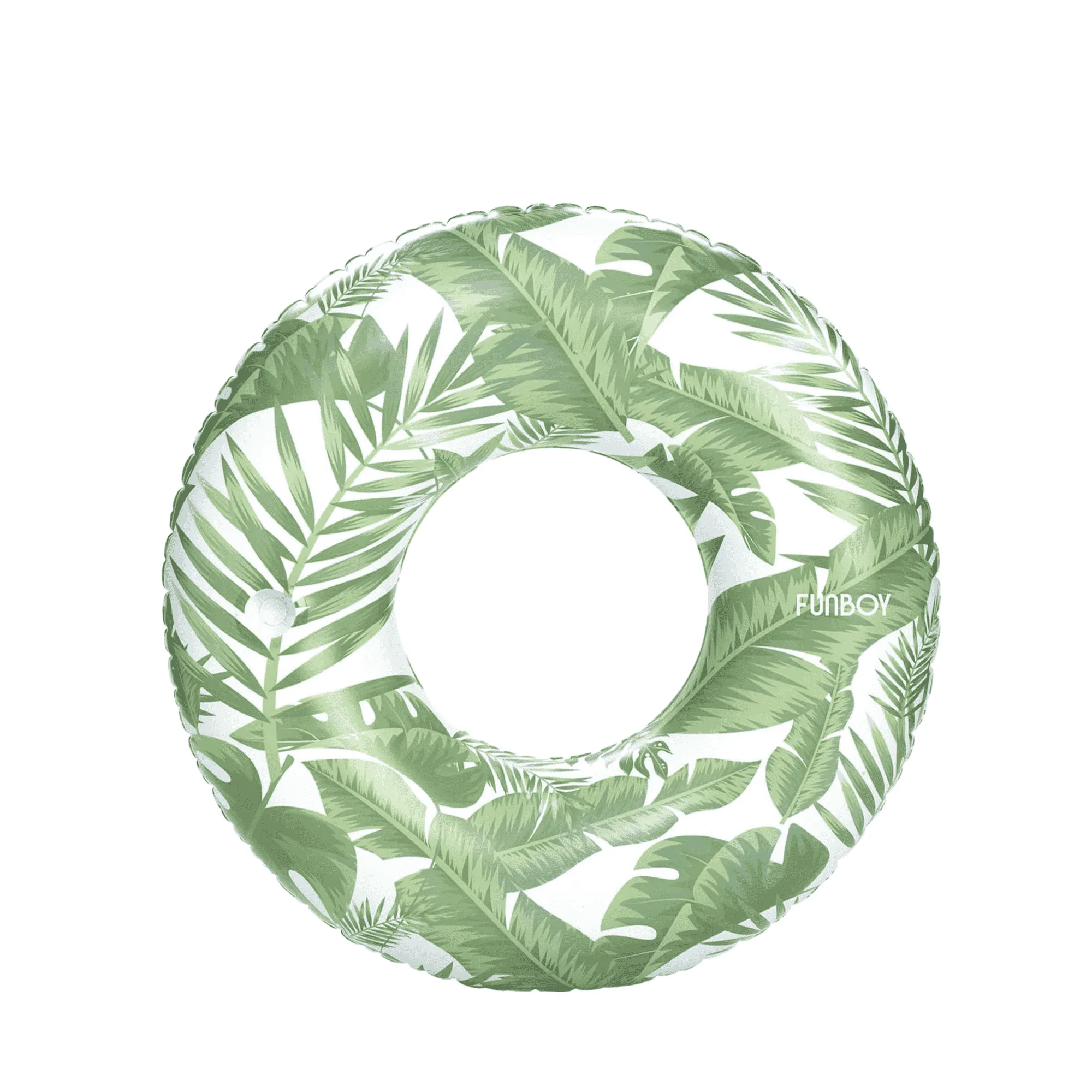
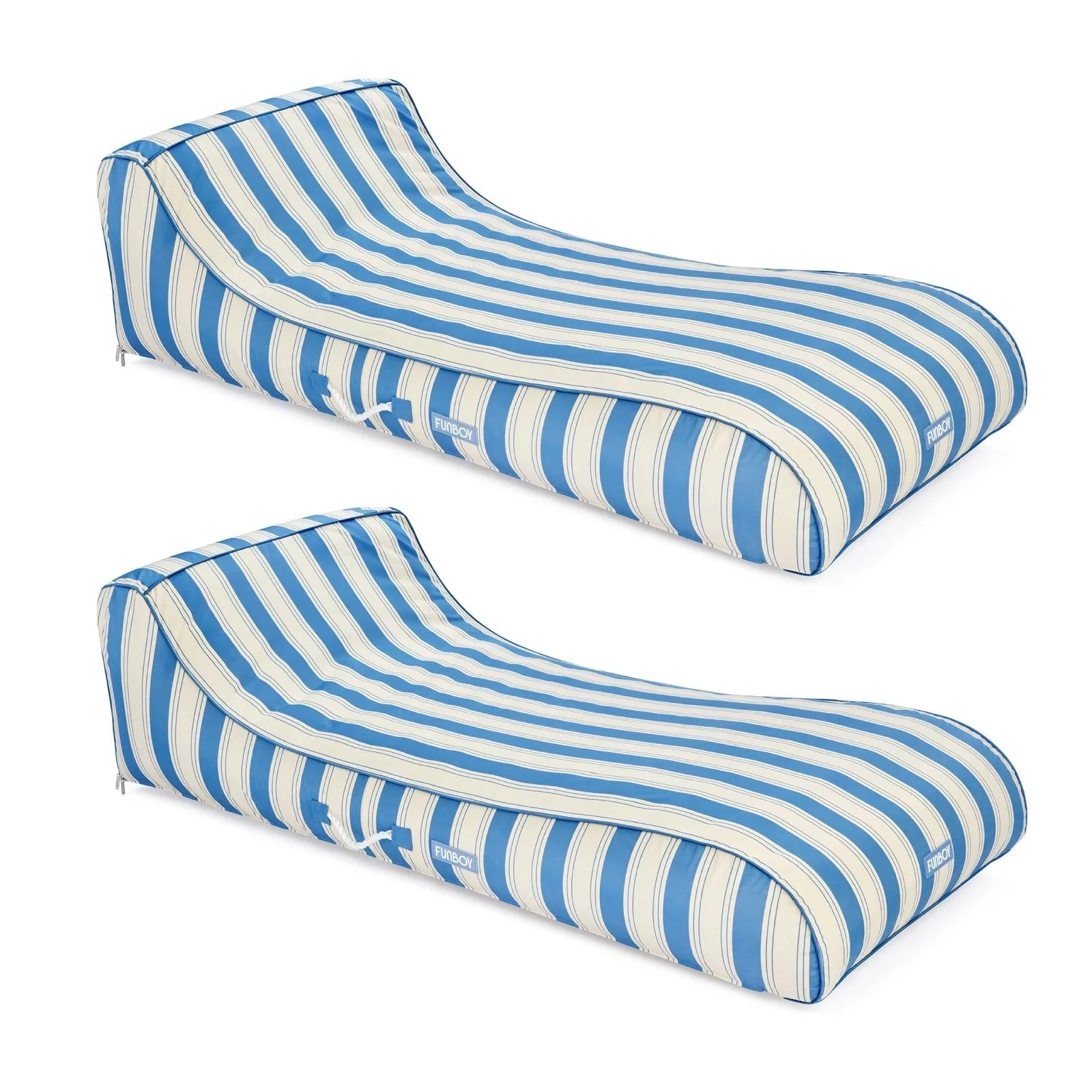
Inflatable pool floats have become a staple of summer fun, offering relaxation and whimsy in pools, lakes, and beaches. However, as their popularity grows, so do concerns about their environmental footprint. Most pool floats are made from PVC or vinyl, materials that are durable but not biodegradable. This raises important questions: How do these products affect our planet, and what can consumers do to make more sustainable choices?
In this article, we'll dive into the environmental impact of inflatable pool floats, from production to disposal. We'll also explore eco-friendly alternatives and practical tips for reducing waste. Whether you're a casual swimmer or a pool party enthusiast, understanding these factors can help you enjoy your summer with a lighter conscience.
The Lifecycle of an Inflatable Pool Float
Most inflatable pool floats are made from polyvinyl chloride (PVC), a plastic that requires significant energy and fossil fuels to produce. The manufacturing process releases greenhouse gases and toxic chemicals, including dioxins and phthalates, which can harm workers and nearby ecosystems. Additionally, the transportation of these bulky products from factories to stores adds to their carbon footprint.
Once purchased, the average inflatable float lasts only a few seasons due to punctures, UV damage, or loss of shape. When discarded, these floats often end up in landfills, where PVC can take hundreds of years to decompose. Some floats may also break down into microplastics, contaminating soil and waterways. This lifecycle highlights the need for more sustainable materials and responsible disposal methods.
Eco-Friendly Alternatives and Sustainable Materials
Fortunately, the pool float industry is beginning to embrace sustainability. Some brands now offer floats made from recyclable or biodegradable materials, such as TPU (thermoplastic polyurethane) or natural rubber. These alternatives reduce reliance on virgin plastics and can be repurposed or composted at the end of their life. For example, products like the Rose Gold Crown Lounger are designed with durability in mind, potentially extending their lifespan and reducing waste.
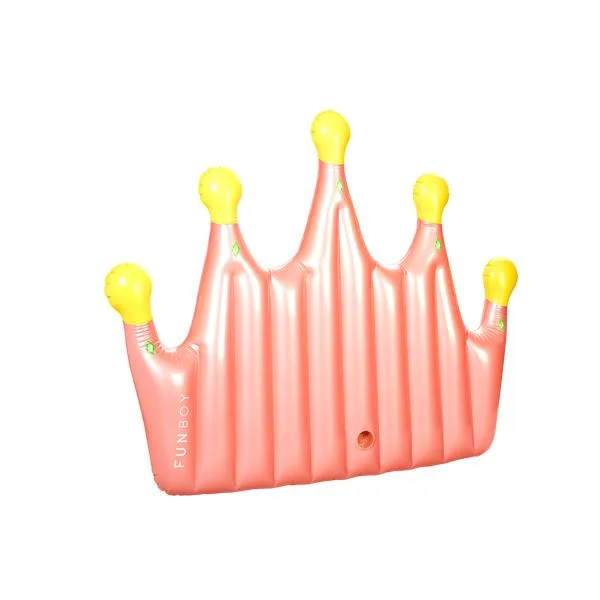
Rose Gold Crown Lounger
Another approach is to choose multi-functional or higher-quality floats that resist wear and tear. Investing in a sturdy, well-made float like the Dayclub Island Float can mean fewer replacements over time. Additionally, some companies offer recycling programs for old floats, turning them into new products like playground surfaces or industrial mats. By supporting these initiatives, consumers can help close the loop on plastic waste.
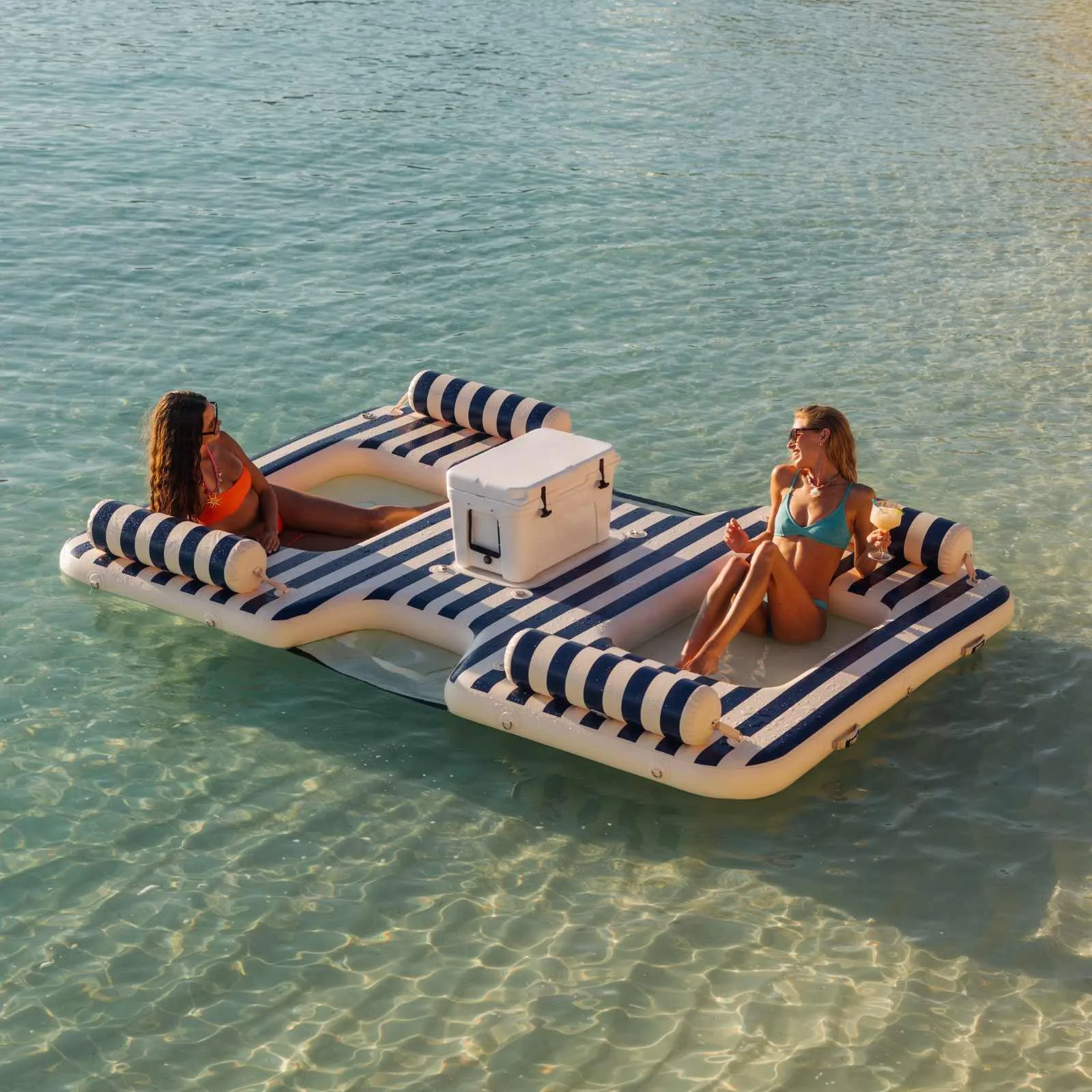
Dayclub Island Float
- Look for floats made from recyclable or biodegradable materials like TPU or natural rubber.
- Choose durable, high-quality products to extend lifespan and reduce replacements.
- Participate in brand recycling programs or upcycle old floats into garden cushions or pet beds.
How to Reduce Your Environmental Footprint While Floating
Even with conventional floats, there are steps you can take to minimize environmental impact. Proper care and storage can significantly extend a float's life. Avoid leaving floats in direct sunlight for long periods, as UV rays degrade PVC. Clean and dry floats after each use, and store them in a cool, dark place. Repair small punctures with patch kits instead of discarding the entire float.
When it's time to say goodbye, consider recycling options. Some municipalities accept PVC in rigid plastic recycling streams, though this varies. Alternatively, repurpose old floats as pool covers, garden kneeling pads, or even Halloween decorations. The https://pickkind.shop/products/halloween-pumpkin-decor-113735https://pickkind.shop/products/halloween-pumpkin-decor-113736Halloween Pumpkin Decor shows how inflatable designs can be reused for seasonal fun beyond summer. By thinking creatively, you can keep plastic out of landfills.
The Role of Innovation in Sustainable Pool Floats
Innovation is key to reducing the environmental impact of pool floats. Researchers and designers are experimenting with plant-based plastics, algae-based foams, and even edible materials. While these are not yet mainstream, they signal a shift toward greener production. Companies are also exploring modular designs that allow for easy repair and replacement of parts, reducing overall waste.
Consumer demand plays a crucial role in driving this change. By choosing eco-friendly options and voicing preferences for sustainable products, shoppers can encourage more brands to invest in green technology. The Kids Tube Float, for instance, is a popular choice for families, and if produced with sustainable materials, it could set a new standard for children's pool toys. Every purchase is a vote for the kind of future we want.
- Support brands that use recycled or eco-friendly materials in their floats.
- Look for modular designs that allow easy repair and part replacement.
- Advocate for extended producer responsibility and take-back programs.
While inflatable pool floats bring joy and relaxation, their environmental impact is a growing concern. By choosing durable, eco-friendly products and practicing responsible use and disposal, you can enjoy your summer fun while protecting the planet. Explore options like the Rose Gold Crown Lounger for a stylish, long-lasting float that aligns with sustainable values. Every small change adds up to a cleaner, greener future.