Inflatable pool floats have become synonymous with summer fun, but their environmental footprint is often overlooked. Most traditional pool floats are made from PVC (polyvinyl chloride), a plastic that is not biodegradable and can release harmful chemicals during production and disposal. As consumers become more eco-conscious, understanding the environmental impact of these products is essential for making responsible choices.
The good news is that the industry is evolving. Brands like FUNBOY are leading the way with innovative designs that prioritize sustainability without sacrificing style or durability. By choosing eco-friendly pool floats and adopting proper care habits, you can enjoy your summer lounging while minimizing harm to the planet.
The Materials Behind Traditional Pool Floats
Most inflatable pool floats are made from PVC, a plastic that is durable and inexpensive but comes with significant environmental costs. PVC production releases toxic chemicals like dioxins, which can persist in the environment and accumulate in living organisms. Additionally, PVC is not biodegradable, meaning discarded pool floats can sit in landfills for centuries.
Another common material is vinyl, which shares similar issues. While some manufacturers use phthalate-free PVC or other softer plastics, these still contribute to plastic pollution. The short lifespan of many pool floats—often just one or two seasons—exacerbates the problem, leading to frequent replacements and more waste.
- Look for floats made from recycled or recyclable materials to reduce your environmental impact.
Eco-Friendly Alternatives: What to Look For
Fortunately, several eco-friendly alternatives are emerging. Some brands now offer pool floats made from TPU (thermoplastic polyurethane), which is more durable and recyclable than PVC. Others use recycled PET (rPET) from plastic bottles, giving waste a second life. These materials are not only better for the environment but often last longer, reducing the need for replacements.
When shopping for sustainable inflatables, look for certifications like Global Recycled Standard (GRS) or OEKO-TEX, which ensure materials meet environmental and safety criteria. Also consider products with minimal packaging or biodegradable packaging. For example, the https://pickkind.shop/products/fabric-tube-float-113611https://pickkind.shop/products/fabric-tube-float-113612https://pickkind.shop/products/fabric-tube-float-113645https://pickkind.shop/products/fabric-tube-float-113646Fabric Tube Float uses a fabric-covered design that reduces plastic use and offers a more durable, reusable option.
- Choose floats with fabric covers or reinforced seams for longer life.
- Avoid single-use inflatables; invest in quality pieces you can use for years.
How to Extend the Life of Your Pool Float
One of the simplest ways to reduce environmental impact is to make your pool float last longer. Proper storage, cleaning, and repair can significantly extend its lifespan. Always dry your float thoroughly before storing it in a cool, dark place away from direct sunlight, which can degrade the material. Use a patch kit for small punctures instead of discarding the entire float.
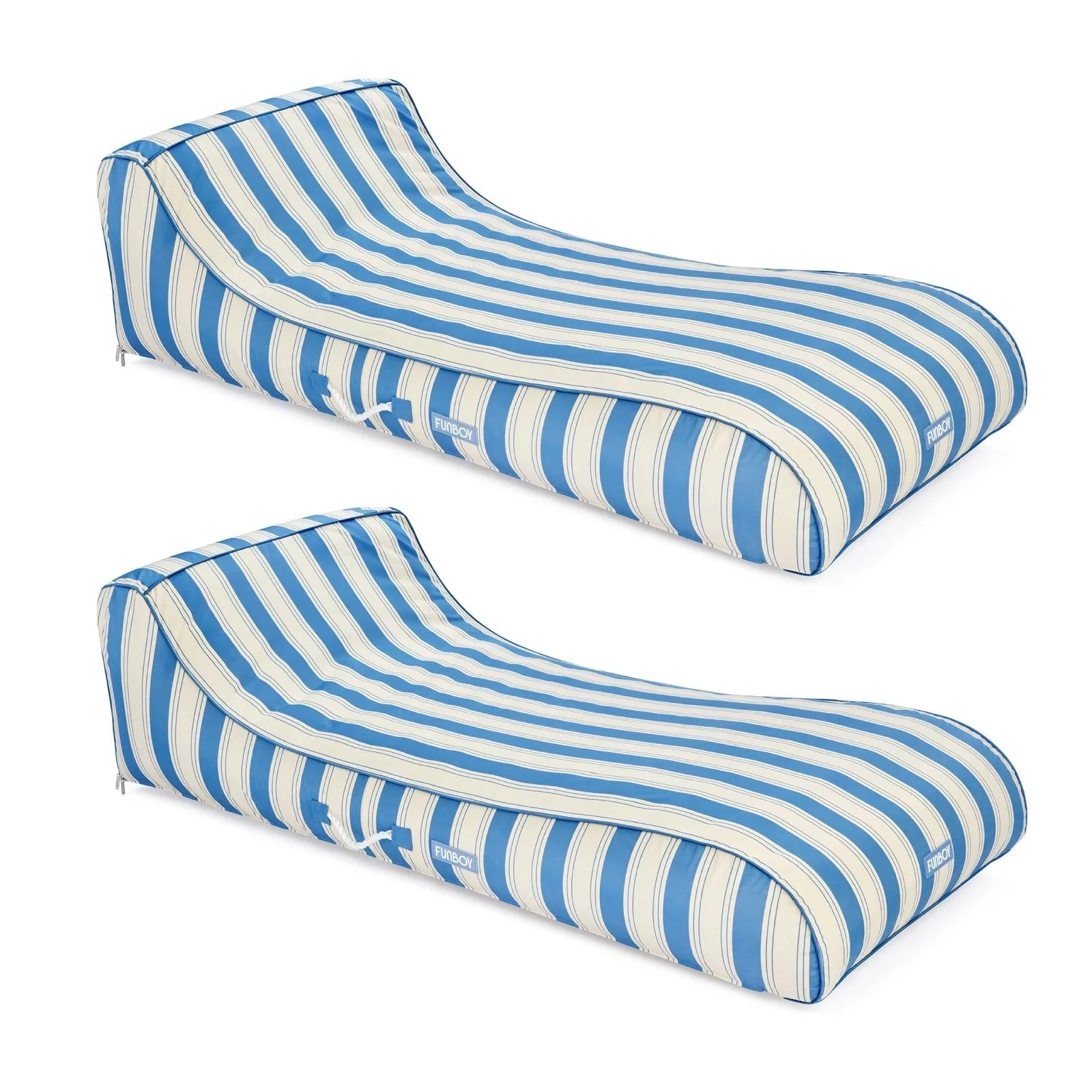
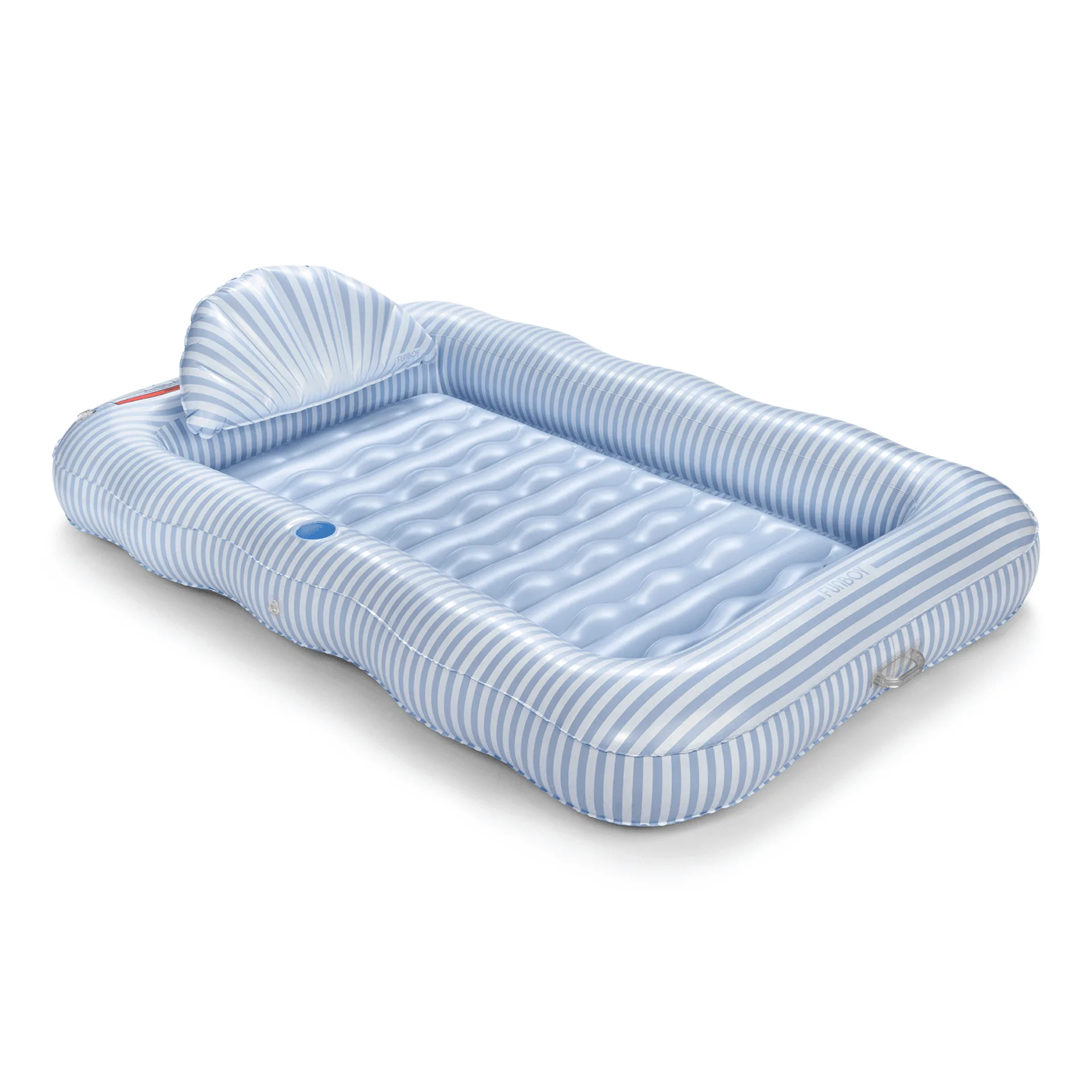
Additionally, consider multi-purpose floats that serve different functions. For instance, the Tanning Pool Lounger can be used both as a pool float and as a lounger on land, offering versatility that reduces the need for multiple products. By caring for your float and choosing durable designs, you can enjoy summers of fun without constantly buying new ones.
- Rinse your float with fresh water after each use to remove chlorine or salt.
- Store floats in a cool, dry place away from sharp objects.
The Role of Brands in Promoting Sustainability
Brands have a responsibility to innovate and reduce their environmental footprint. FUNBOY, for example, has introduced fabric-covered floats and other designs that use less plastic and are built to last. They also focus on high-quality materials that resist wear and tear, meaning fewer floats end up in landfills. Supporting such brands encourages the industry to shift toward greener practices.
Consumer demand is a powerful driver of change. By choosing eco-friendly pool floats and spreading awareness, you can help push the market toward sustainability. Look for brands that are transparent about their manufacturing processes and materials. Every purchase is a vote for the kind of future you want to see.
- Research brand sustainability policies before buying.
- Share your eco-friendly choices on social media to inspire others.
Choosing eco-friendly pool floats doesn't mean sacrificing fun or style. By opting for sustainable materials, extending the life of your products, and supporting responsible brands, you can make a positive impact on the environment. Explore FUNBOY's collection of durable and stylish options to find your perfect green pool accessory today.