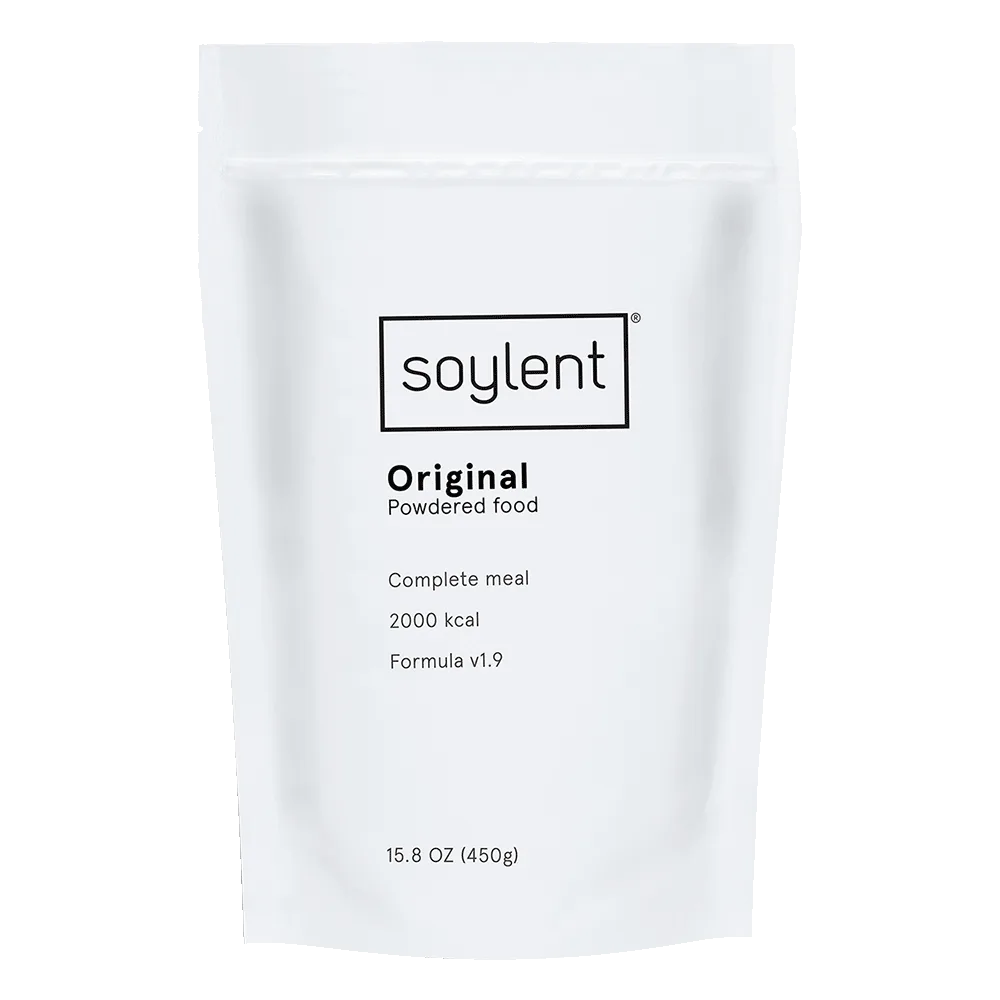
As the world grapples with climate change, every dietary choice we make has an environmental ripple effect. From the water used to grow crops to the emissions from transportation, the food system accounts for roughly one-quarter of global greenhouse gas emissions. In this context, meal replacement shakes have emerged as a surprisingly eco-friendly option, offering a way to nourish ourselves while lightening our planetary load.
Soylent, a pioneer in complete nutrition, has long championed the idea that food can be both convenient and sustainable. By focusing on efficient production, minimal packaging, and shelf-stable ingredients, meal replacement shakes present a compelling case for reducing the environmental impact of our daily meals. This article explores the carbon footprint of traditional food versus meal replacements, the role of plant-based proteins, and how brands like Soylent are leading the charge toward sustainable nutrition.
How Meal Replacement Shakes Reduce Your Carbon Footprint
Traditional food production is resource-intensive. For example, producing a single pound of beef requires roughly 1,800 gallons of water and generates significant methane emissions. In contrast, meal replacement shakes are formulated with plant-based proteins and optimized ingredients that require far fewer resources. Soylent's complete meal powder, for instance, uses soy protein isolate and other efficient crops, cutting water usage and land impact dramatically. Studies show that replacing just one traditional meal per day with a plant-based shake can reduce an individual's dietary carbon footprint by up to 30%.
Beyond the ingredients, the supply chain for meal replacements is leaner. Because these products are shelf-stable and lightweight, they require less energy for refrigeration and transportation. A single shipment of Soylent powder can replace dozens of grocery trips, each with its own emissions. This efficiency is a key reason why eco-conscious consumers are turning to meal replacements as a practical tool for sustainable nutrition.
- Tip: Swap one meat-heavy meal per day with a plant-based shake to lower your personal carbon footprint.
Cutting Food Waste with Precise Portions
Food waste is a major environmental issue, accounting for 8-10% of global greenhouse gas emissions. In the United States alone, 30-40% of the food supply goes uneaten, often because of spoilage, over-purchasing, or mismanaged portions. Meal replacement shakes offer a solution by providing precisely portioned nutrition that eliminates guesswork and leftovers. Soylent's complete meal shakes come in single-serving bottles or pre-measured powder scoops, ensuring you consume exactly what you need without waste.
This precision extends to the packaging. Many meal replacement brands, including Soylent, use recyclable materials and minimize secondary packaging. For example, the Soylent blender bottle 20oz is a reusable accessory that pairs perfectly with powder, reducing single-use plastic. By choosing bulk powder over ready-to-drink bottles, you can further cut packaging waste. The result is a food system that aligns with circular economy principles, where resources are used efficiently and waste is minimized.
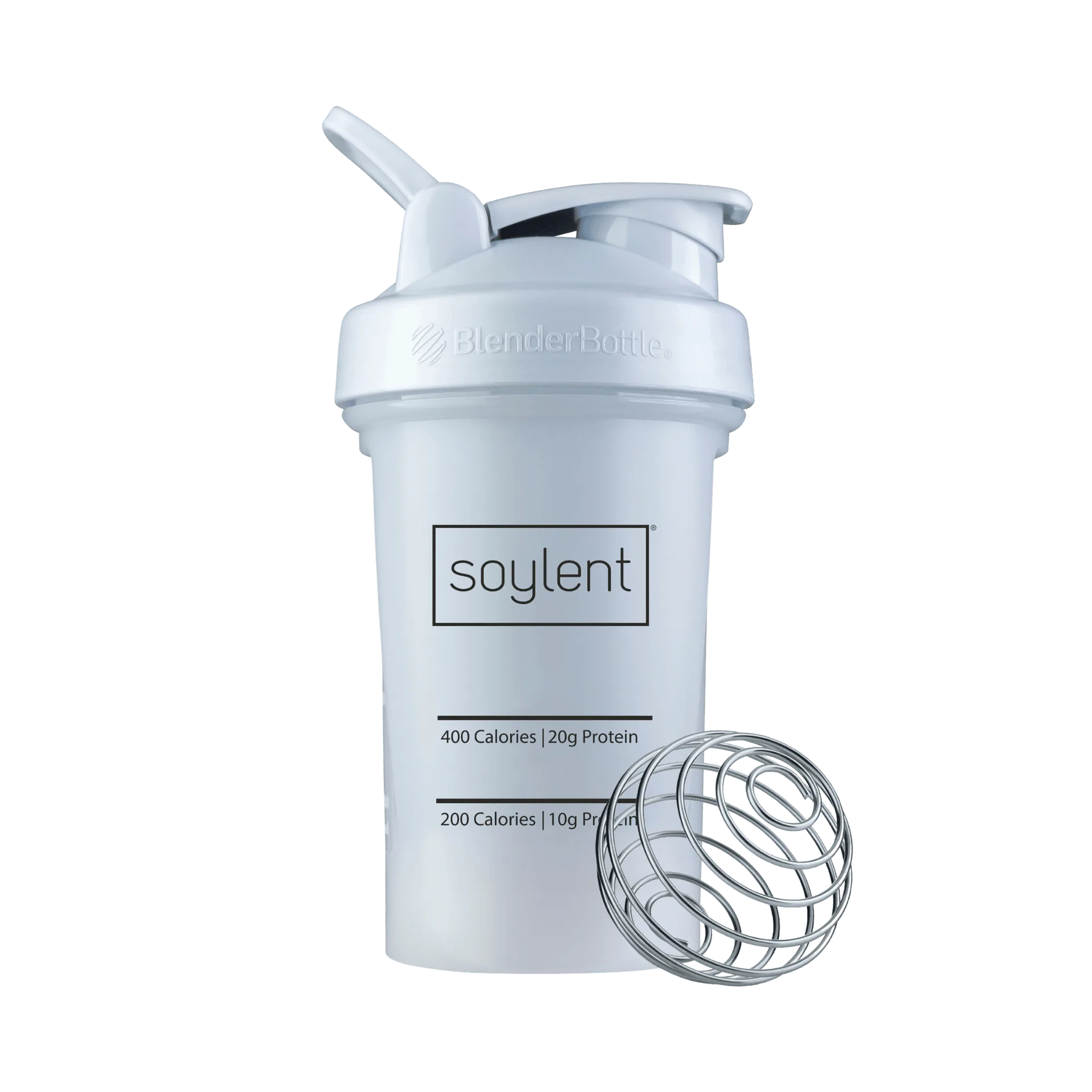
Soylent blender bottle 20oz
- Tip: Opt for powder versions and reusable bottles to drastically reduce packaging waste.
Plant-Based Proteins: A Cornerstone of Eco-Friendly Meals
The shift toward plant-based diets is one of the most effective individual actions for combating climate change. Animal agriculture is responsible for 14.5% of global emissions, while plant proteins like soy, pea, and rice have a fraction of the impact. Soylent's formulas are built around complete, plant-based proteins that provide all essential amino acids without the environmental toll of livestock. This makes meal replacement shakes an accessible entry point for those looking to reduce their meat consumption without sacrificing nutrition.
Moreover, the production of plant-based proteins is becoming increasingly efficient. Advances in agricultural technology and supply chain optimization mean that companies like Soylent can source ingredients with lower water and land use. For instance, the Soylent complete meal banana prepaid 3 month subscription ensures a steady supply of eco-friendly nutrition while reducing the carbon footprint of last-mile delivery. By supporting brands that prioritize sustainable sourcing, consumers can drive demand for greener food systems.
- Tip: Look for products with certified plant-based proteins and transparent sourcing practices.
Comparing the Environmental Impact: Traditional Meals vs. Meal Replacements
To quantify the benefits, consider a life cycle assessment (LCA) of a typical meal replacement shake versus a standard lunch. A 2021 study found that a Soylent shake generates about 0.5 kg of CO2 equivalent per serving, while a chicken salad sandwich produces roughly 1.5 kg, and a beef burger meal can exceed 3 kg. The savings come from lower agricultural emissions, reduced processing energy, and lighter packaging. When scaled across a year, replacing just one daily meal with a shake can save over 300 kg of CO2—equivalent to driving a car 750 fewer miles.
Water usage tells a similar story. A single Soylent shake requires about 50 liters of water to produce, compared to 1,000 liters for a beef-based meal. Land use is also dramatically lower, as plant-based ingredients need far less acreage. These metrics make meal replacements a powerful tool for individuals seeking to align their diet with environmental values. For those committed to sustainable nutrition, products like the Soylent complete meal strawberry prepaid 3 month offer a convenient way to make a consistent impact.
The Role of Subscriptions in Sustainable Nutrition
Subscription models, such as Soylent's prepaid 3-month plans, amplify environmental benefits by optimizing logistics. Bulk shipping reduces the number of deliveries and associated emissions, while predictable demand allows for better production planning and less waste. For example, the Soylent complete meal neapolitan variety pack is available on subscription, ensuring you never run out while minimizing the carbon footprint of each shipment.
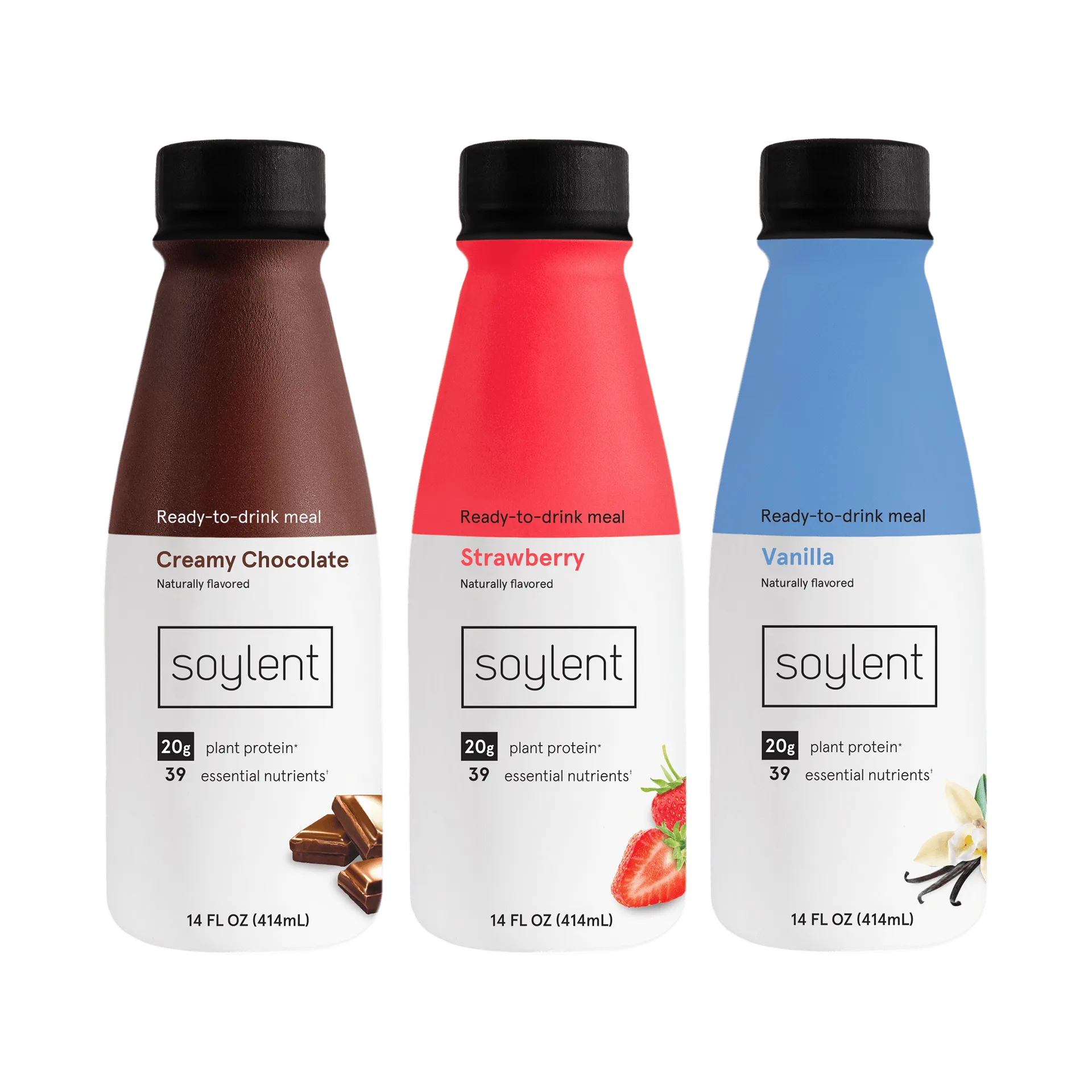
Soylent complete meal neapolitan variety pack
Additionally, subscriptions encourage long-term dietary shifts, which are more impactful than sporadic changes. By committing to a meal replacement regimen, consumers lock in the environmental savings of reduced food waste, lower emissions, and efficient resource use. This model also supports brands in investing in sustainable packaging and renewable energy, creating a virtuous cycle. For the eco-conscious consumer, a subscription to a complete meal shake is a simple yet effective step toward a greener lifestyle.
Meal replacement shakes are more than a convenience trend—they are a viable strategy for reducing the environmental impact of our diets. By choosing plant-based, precisely portioned, and efficiently packaged options like those from Soylent, you can nourish your body while protecting the planet. Explore how the Soylent complete meal powder - original can be your first step toward sustainable nutrition.