Quick Answer
Plastic floss contributes significantly to environmental waste due to its non-recyclable packaging and synthetic materials. Refillable floss systems, while not perfect, reduce single-use plastic and offer a more sustainable alternative. For a truly eco-friendly routine, consider combining refillable floss with other zero-waste oral care products.
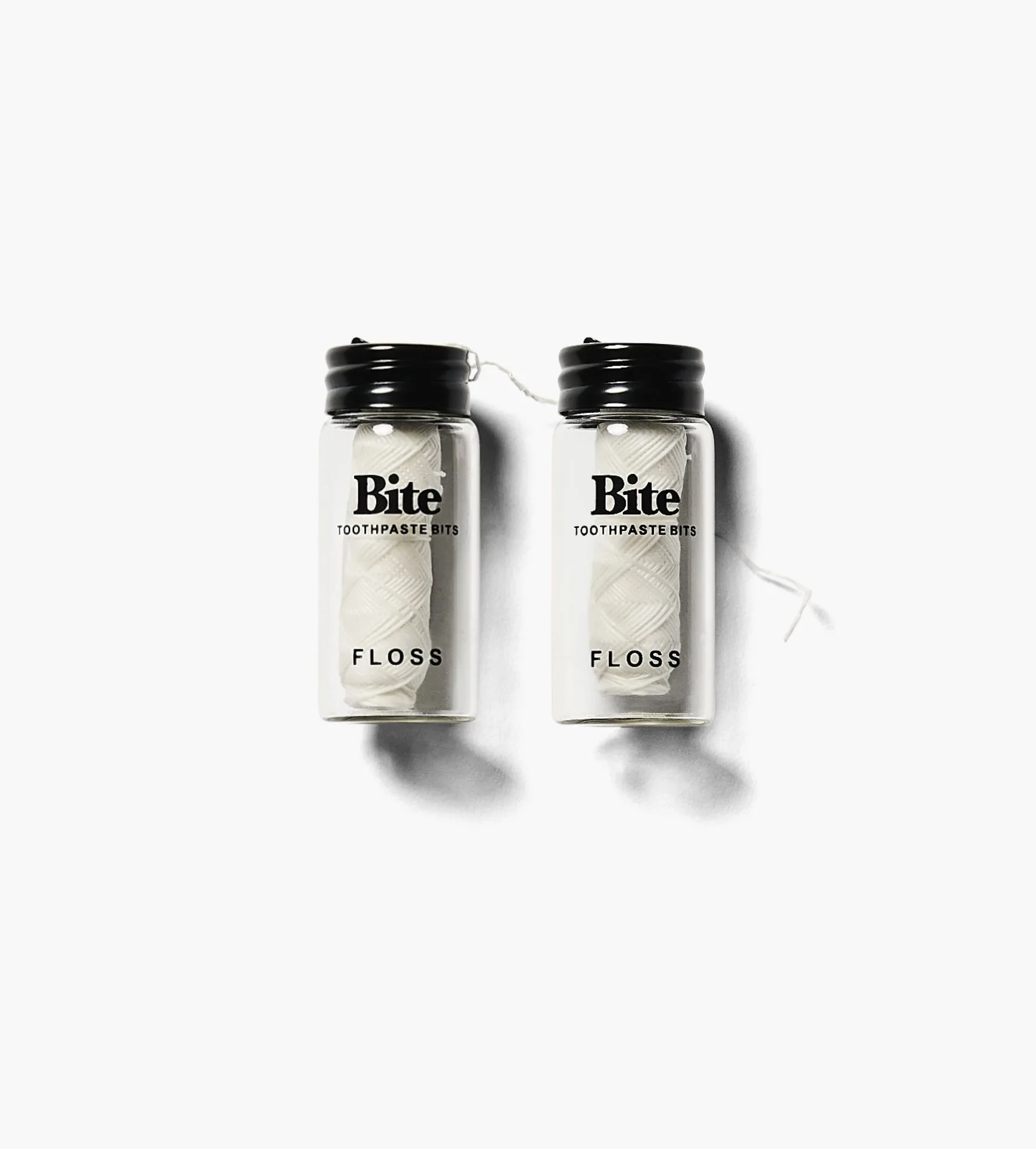
floss
When you think about your environmental footprint, dental floss might not be the first thing that comes to mind. But with billions of plastic floss containers ending up in landfills each year, the impact is far from negligible. The good news is that refillable floss options are gaining popularity, offering a way to reduce waste without compromising on oral hygiene.
In this article, we'll separate fact from fiction about plastic floss and refillable floss. We'll look at the materials, packaging, and real-world sustainability of each, so you can make an informed choice for your mouth and the planet.
The Problem with Plastic Floss
Traditional dental floss is typically made from nylon or Teflon, both of which are petroleum-based plastics. These materials are not biodegradable and can persist in the environment for hundreds of years. Furthermore, the plastic containers that hold the floss are often not recyclable due to their small size and mixed materials, leading to them being discarded in landfills.
The environmental impact of plastic floss extends beyond the floss itself. The production of synthetic materials requires fossil fuels, contributing to greenhouse gas emissions. Additionally, the packaging often includes a metal cutter, which complicates recycling. As a result, the vast majority of plastic floss ends up as waste, adding to the growing plastic pollution crisis.
- Look for floss made from natural materials like silk or bamboo, which are biodegradable.
- If you must use plastic floss, check if the container is recyclable in your area; some brands now offer recyclable packaging.
Refillable Floss: A Sustainable Alternative
Refillable floss systems typically consist of a durable dispenser that you refill with floss refills. This reduces the need for a new plastic container each time, cutting down on packaging waste. Many refillable flosses are made from silk or other natural materials, which are biodegradable and have a lower environmental footprint.
However, it's important to note that not all refillable flosses are created equal. Some refill packs still come in plastic packaging, and the floss itself may be coated with synthetic wax. To maximize sustainability, look for refillable floss that uses minimal packaging and natural materials. Additionally, consider the durability of the dispenser – a well-made one can last for years, further reducing waste.
- Choose a refillable floss dispenser made from sustainable materials like bamboo or stainless steel.
- Opt for refills that come in recyclable or compostable packaging.
Beyond Floss: The Bigger Picture of Sustainable Oral Care
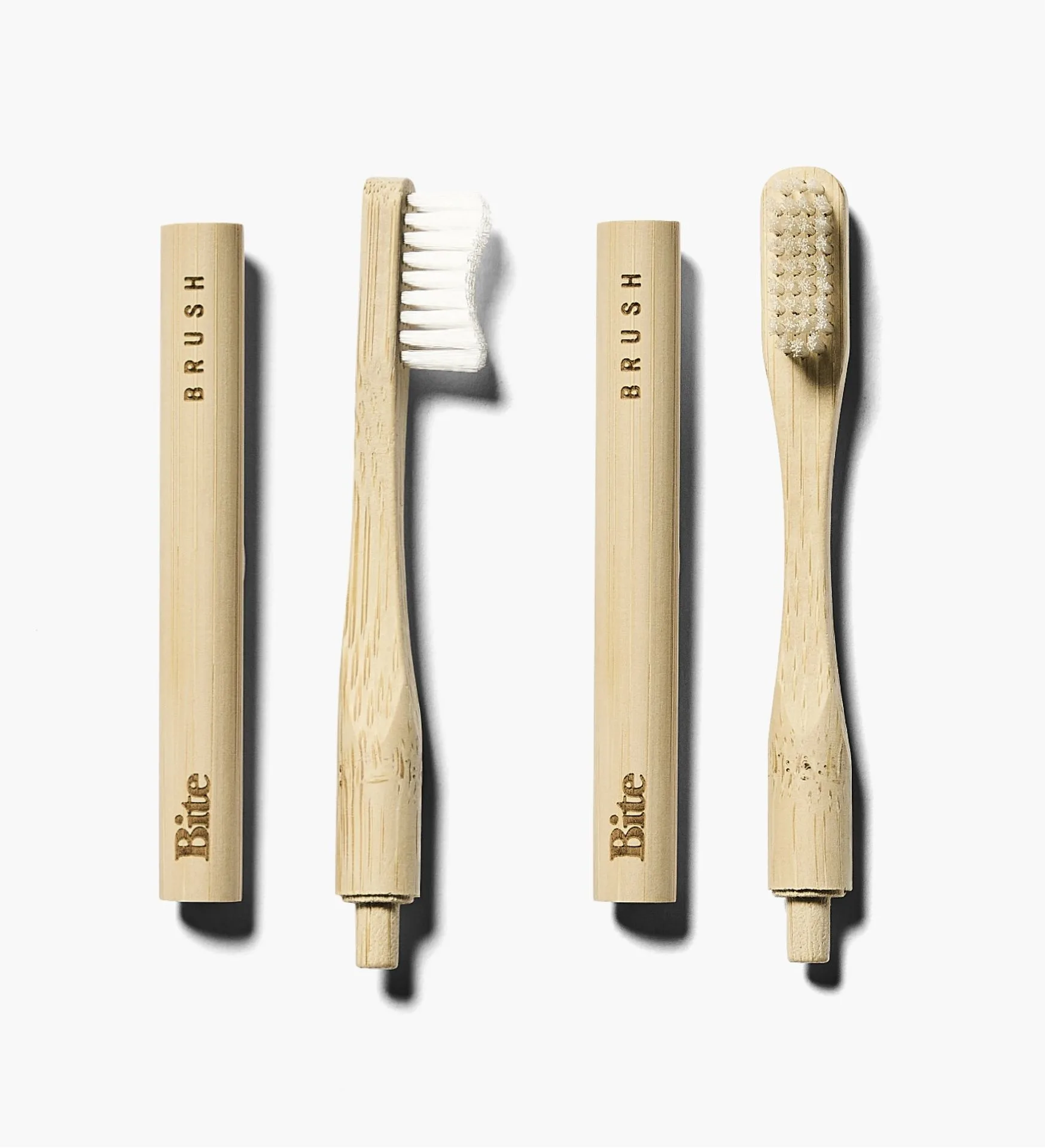
While floss is a key part of oral hygiene, it's just one piece of the sustainable oral care puzzle. To truly reduce your environmental impact, consider adopting a zero-waste routine that includes eco-friendly toothpaste, mouthwash, and toothbrushes. Many brands now offer tablets, powders, and refillable systems that eliminate plastic waste.
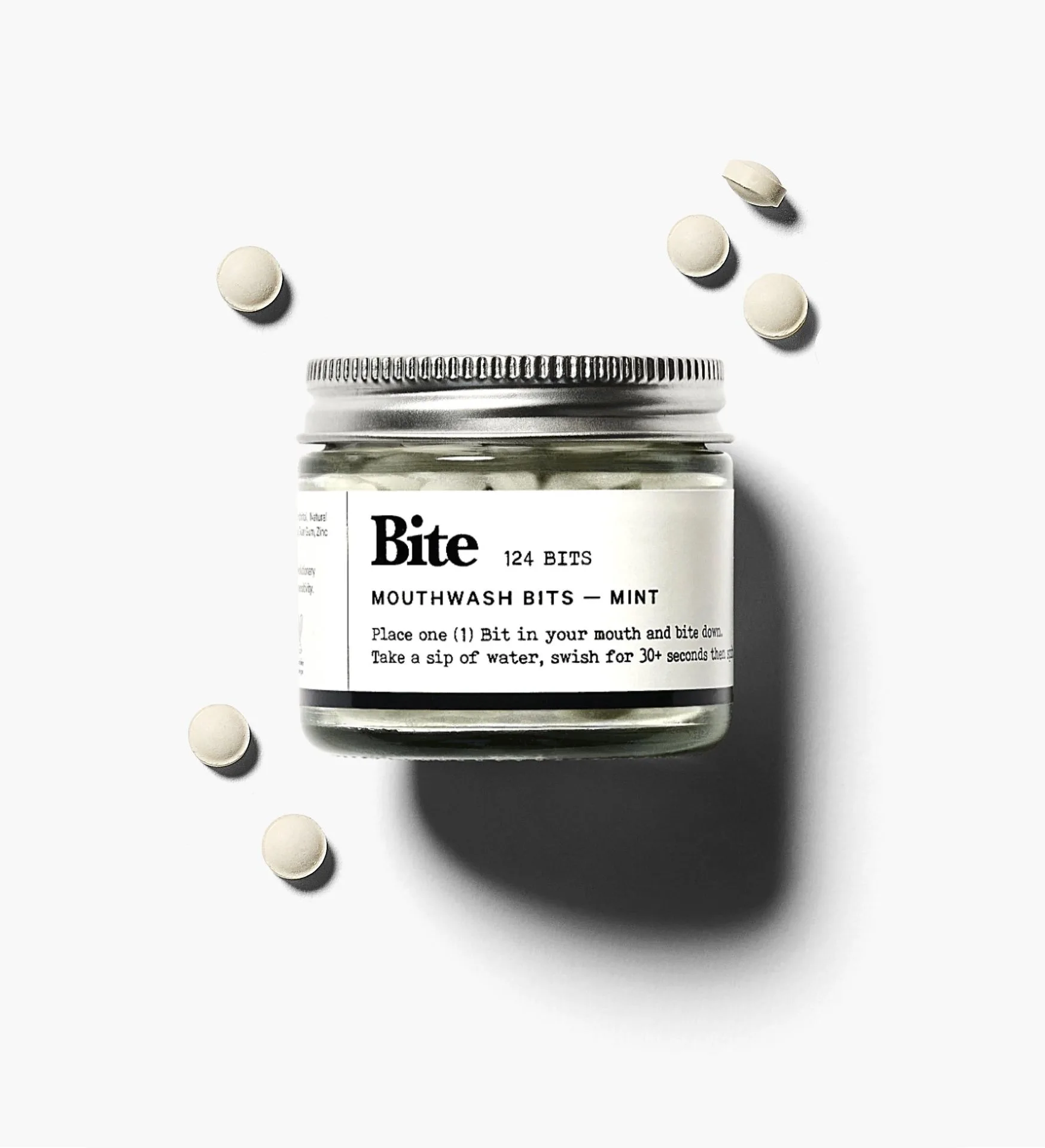
mouthwash
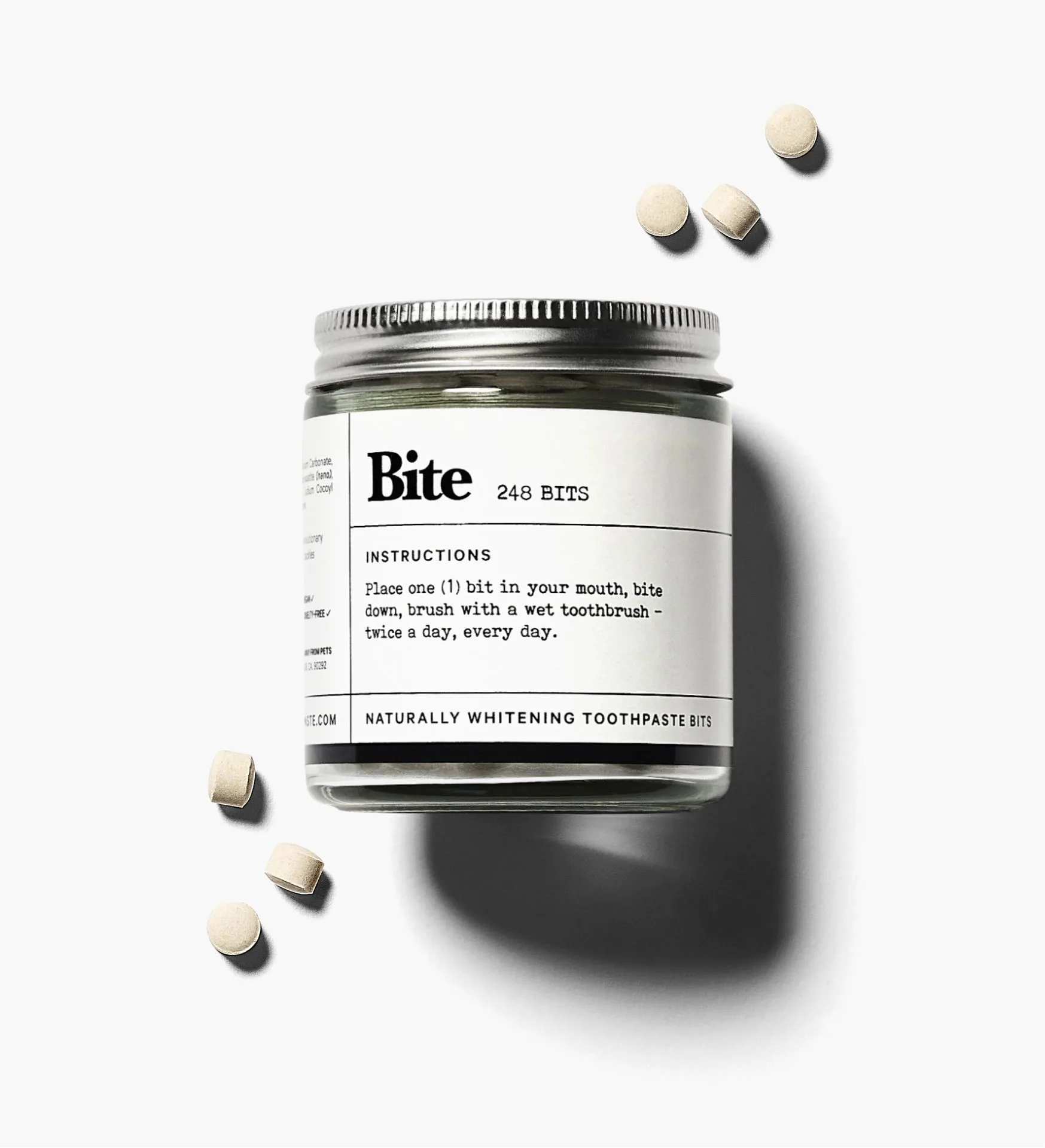
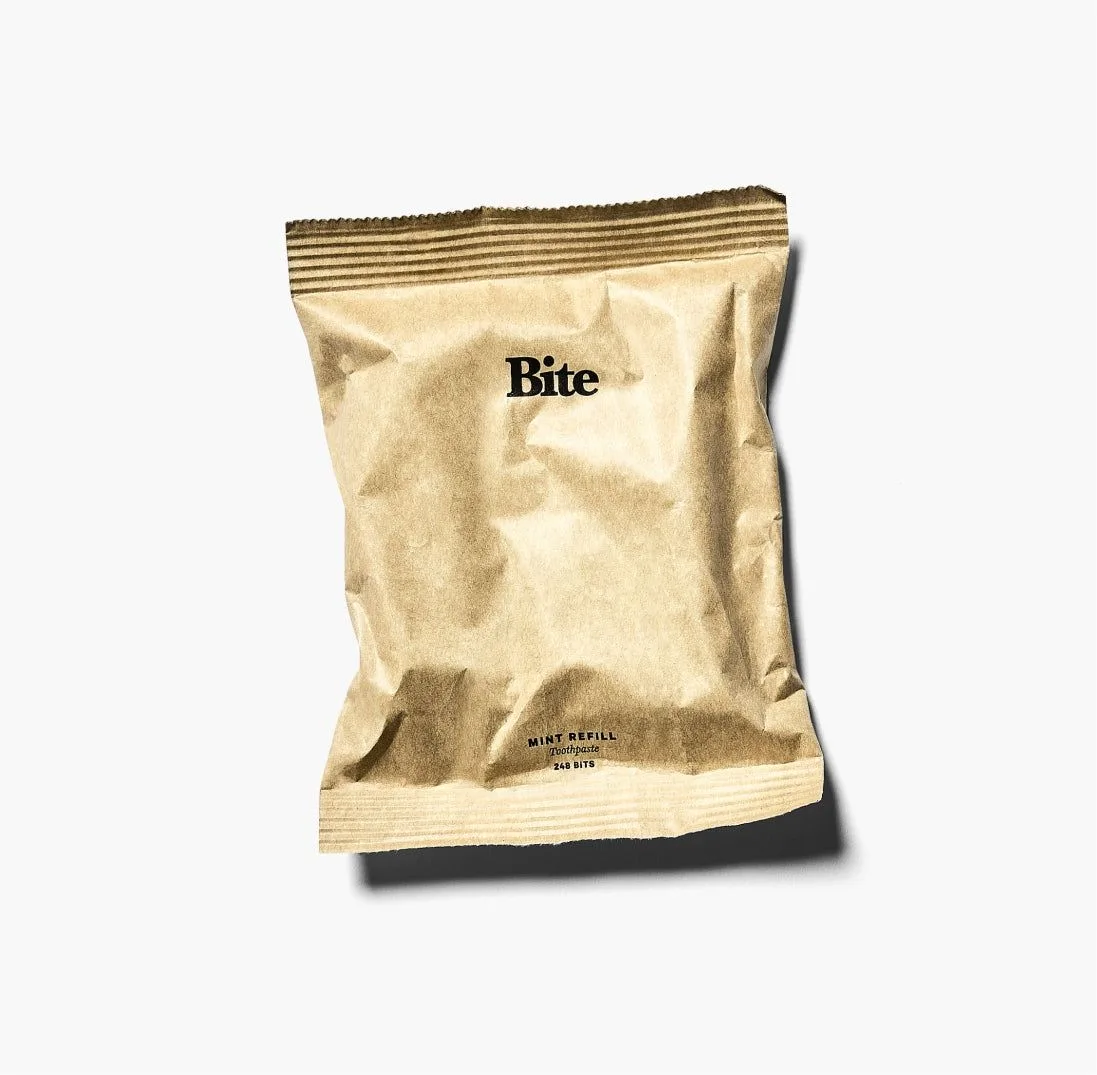
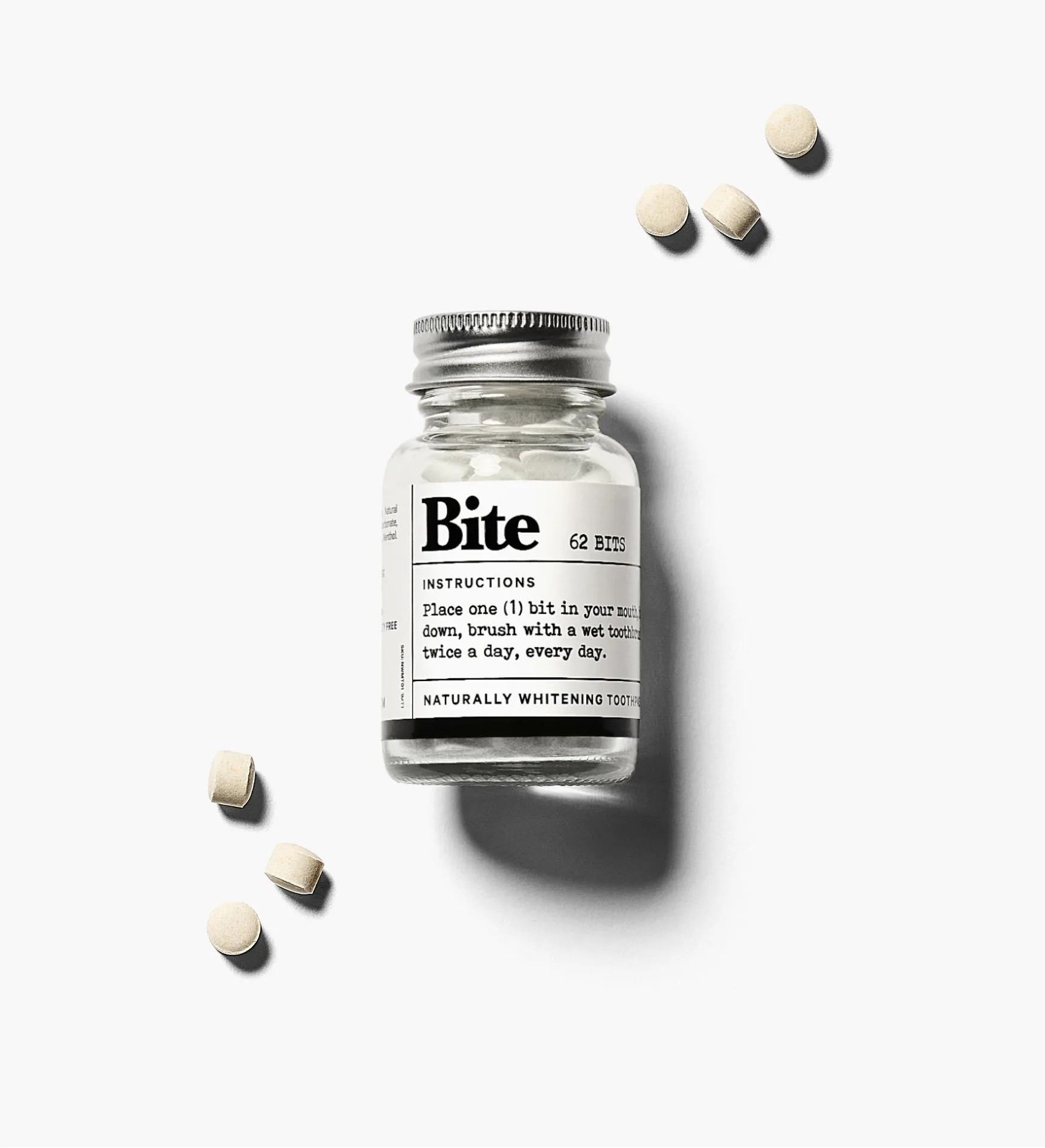
For example, Bite Toothpaste Bits offers a range of zero-waste oral care products, including toothpaste bits and mouthwash tablets. These products come in refillable glass jars, reducing plastic waste significantly. By combining these with refillable floss, you can create a comprehensive sustainable oral care routine that is both effective and environmentally responsible.
- Start with one change at a time – swap your plastic floss for a refillable version first.
- Gradually introduce other zero-waste products like toothpaste bits and mouthwash tablets.
Myths vs. Facts: Floss and the Environment
- Myth: Plastic floss is biodegradable.: Most plastic floss is made from nylon or Teflon, which are not biodegradable and can persist in the environment for hundreds of years. Verdict: False. Choose natural fiber floss for biodegradability.
- Myth: Refillable floss is always eco-friendly.: Refillable floss reduces packaging waste, but if the refills come in plastic packaging or the floss is coated with synthetic wax, the environmental benefit is diminished. Verdict: Partially true. Look for refills with minimal, recyclable packaging and natural materials.
- Myth: You can't have a zero-waste oral care routine.: With products like toothpaste bits, mouthwash tablets, and refillable floss, you can significantly reduce plastic waste in your oral care routine. Verdict: False. A zero-waste routine is achievable with the right products and habits.
Sustainable Oral Care Products from Bite
- Mouthwash Refill: This Mouthwash Refill from Bite Toothpaste Bits offers a minty alternative to traditional mouthwash, formulated with nHap and shipped in a refillable glass jar. By using a refillable glass jar, you reduce plastic waste compared to single-use plastic mouthwash bottles.
- Mint Mouthwash Bits – Refreshing, Zero-Waste Mouthwash Tablets with Nano-Hydroxyapatite and Xylitol: Tired of boring, wasteful mouthwash? Your Mouth Deserves Better: Meet Mint Mouthwash Bits! – the eco-friendly, travel-ready way to freshen your breath and care for your smile! What’s Included: 124 Mint Mouthwash Bits (2oz) – A 4-month supply of minty freshness! 1 Refillable Glass Jar – Sleek, sustainable, and perfect for your countertop or travel bag. The refillable glass jar and concentrated tablets minimize packaging and shipping weight, reducing your carbon footprint.
The environmental impact of plastic floss is real, but you have the power to make a change. By switching to refillable floss and incorporating other sustainable oral care products, you can reduce your plastic footprint and contribute to a healthier planet. Start small, stay consistent, and every little bit helps.