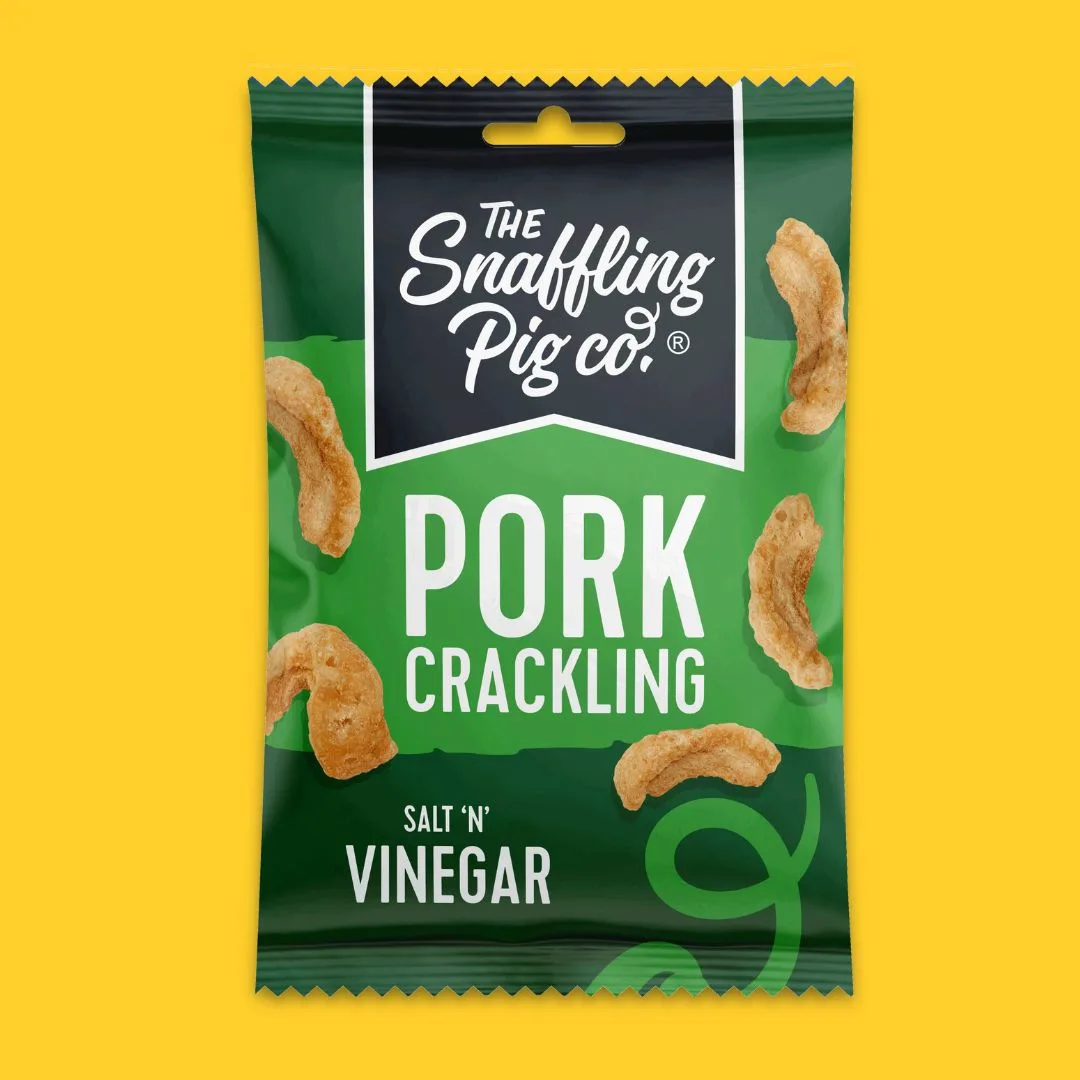
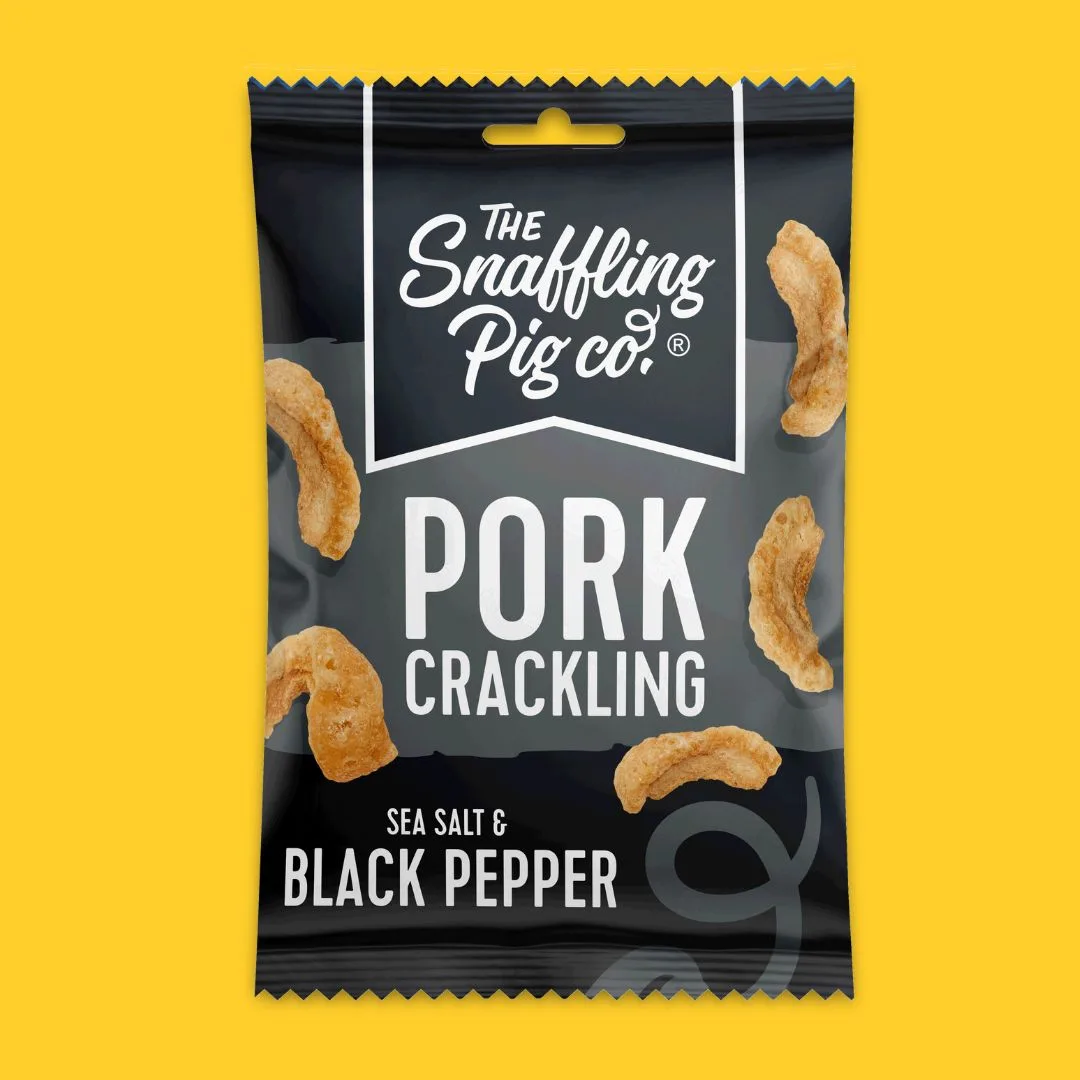
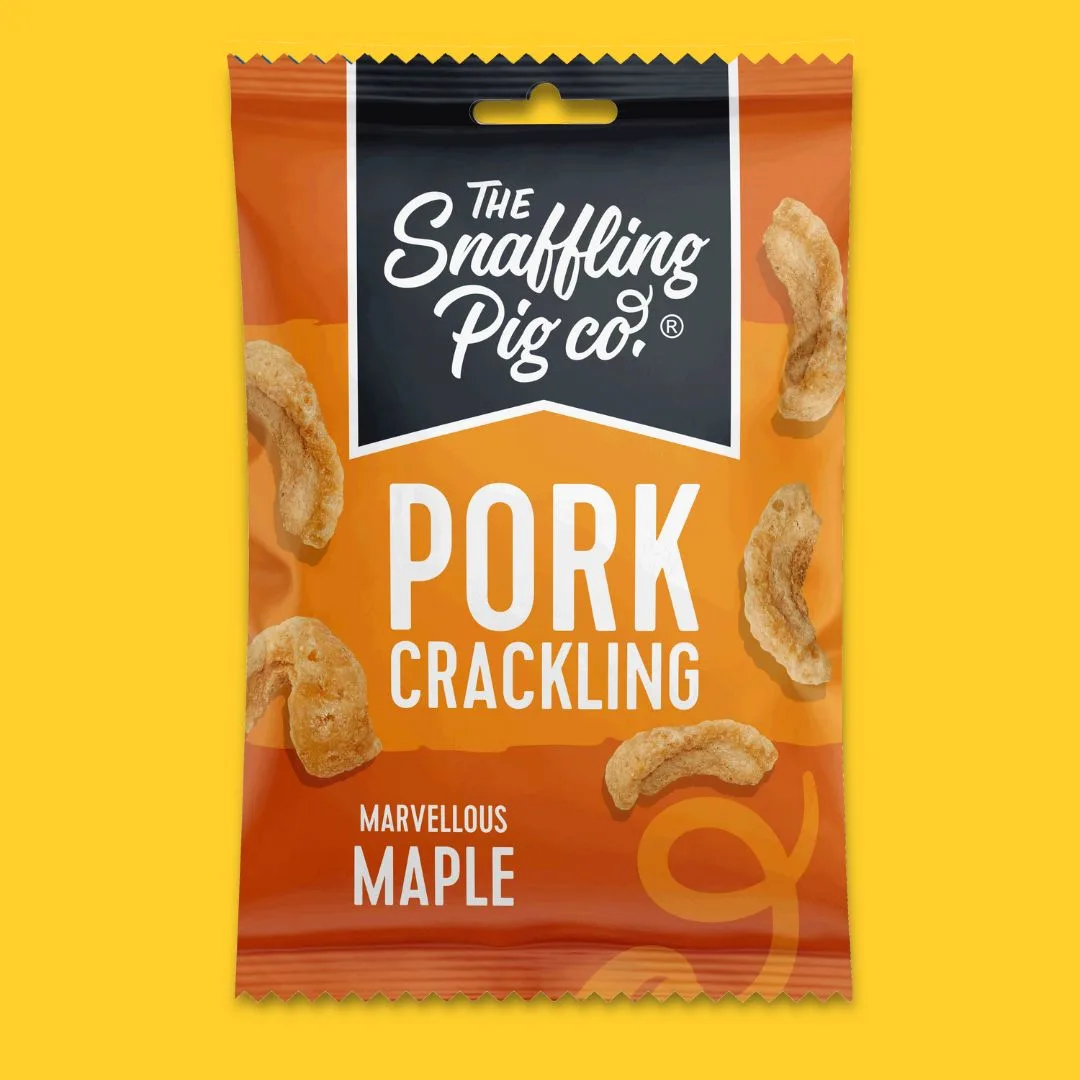
When you tear open a bag of crispy pork crackling, the last thing on your mind is probably the packaging. But in an era of growing environmental awareness, the snack industry is under increasing scrutiny for its packaging choices. From plastic pouches to cardboard cases, every layer has an impact. This article dives into the environmental challenges of pork snack packaging and highlights steps brands like Snaffling Pig are taking to lighten their ecological footprint.
Whether you're a conscious consumer or just curious about how your favourite snacks affect the planet, understanding packaging materials and disposal options can help you make informed choices. We'll explore the lifecycle of snack packaging, compare common materials, and share practical tips for reducing waste without giving up your beloved crunch.
The Packaging Problem in the Snack Industry
The global snack industry produces billions of units of packaging each year, much of which ends up in landfills or oceans. Pork crackling, like many savoury snacks, often comes in multi-layer plastic pouches designed to preserve freshness and prevent breakage. These pouches are difficult to recycle because they combine different materials—plastic, aluminium, and sometimes paper—into a single, inseparable structure.
For brands like Snaffling Pig, the challenge is balancing product protection with environmental responsibility. Crackling is delicate; it needs a barrier against moisture, oxygen, and light to stay crunchy. While traditional plastic pouches excel at this, they contribute to a growing waste crisis. The good news is that innovation in sustainable packaging is accelerating, and many snack companies are exploring compostable films, recyclable mono-materials, and reusable containers.
- Multi-layer pouches are hard to recycle due to mixed materials.
- Packaging must protect crackling from moisture and breakage.
- New materials like compostable films and mono-materials are emerging.
How Snaffling Pig Is Addressing Packaging Sustainability
Snaffling Pig is aware of the environmental concerns surrounding snack packaging and has taken steps to reduce its impact. The brand focuses on using recyclable cardboard for its cases, such as the Perfectly Salted Pork Crackling Case and the Low & Slow BBQ Pork Crackling Case. These cases are designed to be easily recycled through standard kerbside collections, reducing the amount of plastic waste generated per purchase.
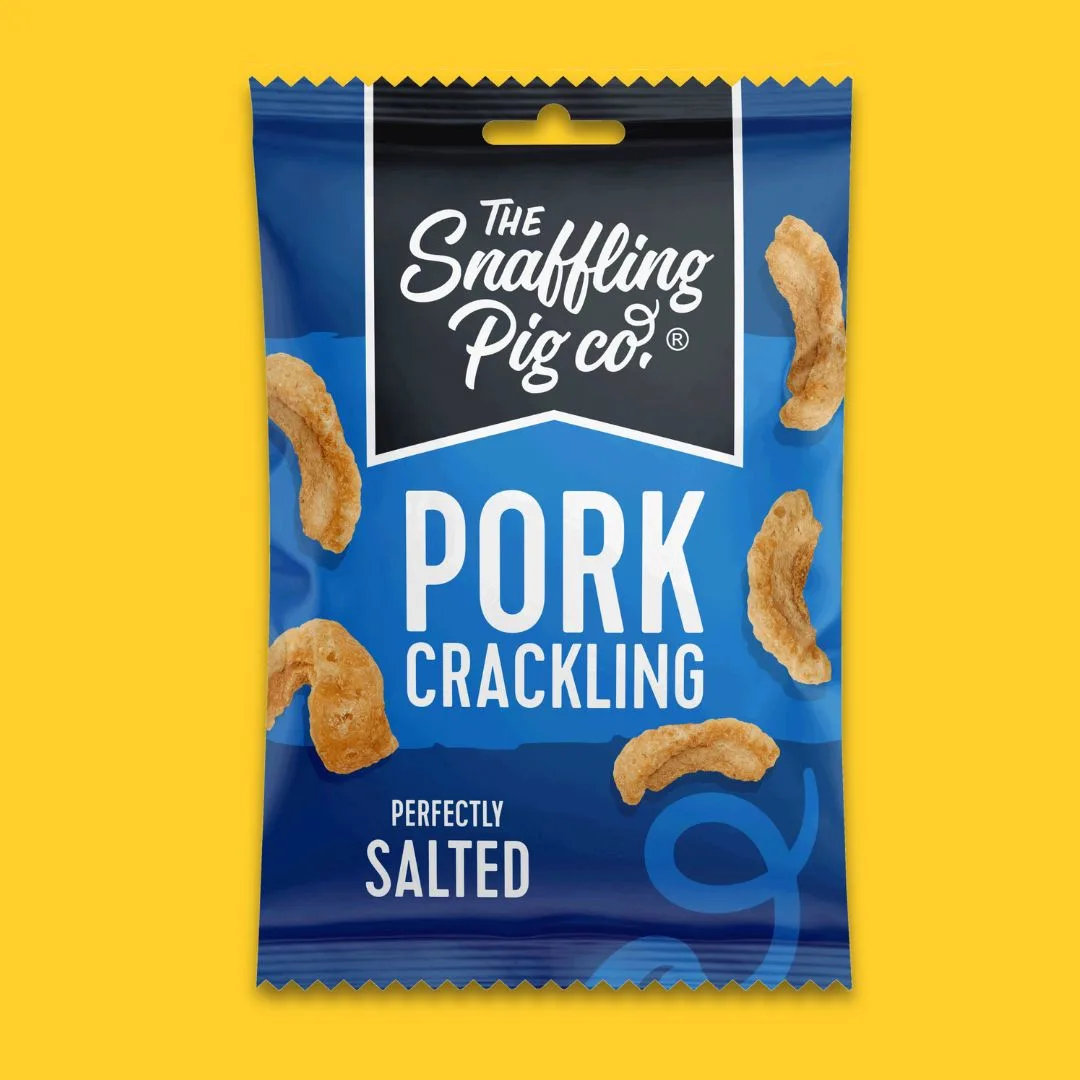
Perfectly Salted Pork Crackling Case
Additionally, the company is exploring partnerships with suppliers who offer more sustainable flexible packaging options. While the individual snack pouches currently rely on high-barrier films to maintain quality, Snaffling Pig is actively researching alternatives that maintain the same level of protection without compromising recyclability. By prioritising bulk cases and subscription models, the brand also encourages less packaging per serving, which can lower overall environmental impact.
- Cardboard cases are fully recyclable via standard kerbside recycling.
- Bulk cases reduce packaging per serving compared to single-serve bags.
- Ongoing research into recyclable flexible films for pouches.
Comparing Packaging Materials: Plastic, Cardboard, and Compostables
To understand the environmental trade-offs, it helps to compare common packaging materials. Plastic pouches are lightweight and energy-efficient to transport, but they persist in the environment for centuries. Cardboard cases, like those used for Snaffling Pig's crackling cases, are renewable, recyclable, and biodegradable, but they offer less protection against moisture and oxygen. Compostable films are an emerging solution, but they require industrial composting facilities that are not yet widely available.
Another factor is the carbon footprint of production. Cardboard typically has a lower carbon footprint than virgin plastic, especially when made from recycled fibres. However, the production of compostable bioplastics can involve energy-intensive processes and land use for crops like corn or sugarcane. The most sustainable choice often depends on local recycling infrastructure and consumer behaviour—whether you recycle, compost, or send packaging to landfill.
- Plastic pouches: durable but non-biodegradable.
- Cardboard cases: renewable and widely recyclable.
- Compostable films: promising but require industrial facilities.
Practical Tips for Reducing Your Snack Packaging Footprint
As a consumer, you can make a difference by choosing products with less packaging or packaging that is easier to recycle. Opting for larger cases instead of individual bags is one effective strategy. For example, buying a Perfectly Salted Pork Crackling Case means you get multiple servings in one recyclable box, cutting down on the number of pouches that end up in the bin.
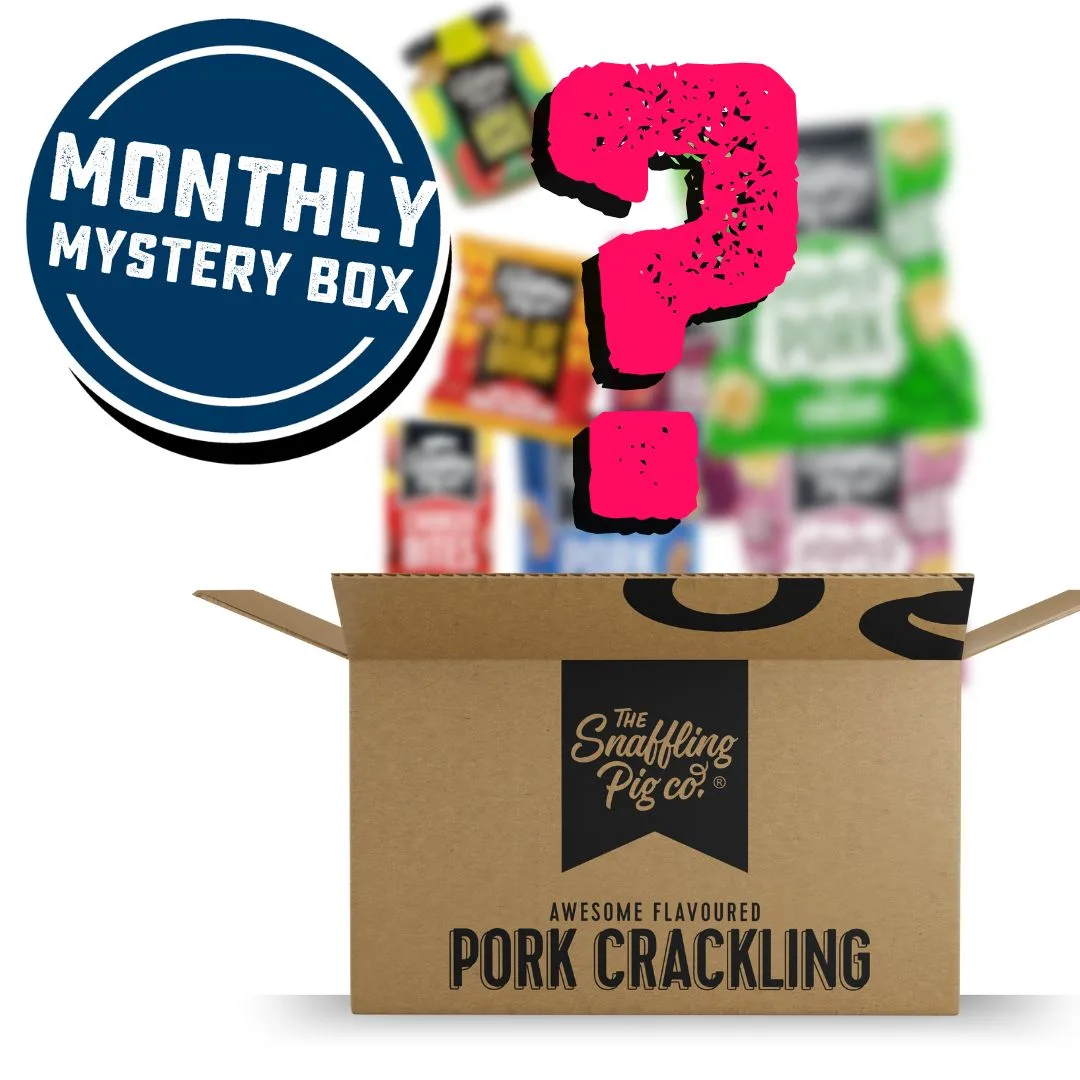
Another tip is to look for subscription services that deliver in bulk, reducing the frequency of shipments and associated packaging. Snaffling Pig's subscription options, like the Perfectly Salted Pork Crackling (subscription every month), allow you to enjoy your favourite flavour with fewer deliveries and less packaging overall. Finally, always check local recycling guidelines—some councils accept flexible plastics, while others do not. Proper sorting ensures materials have the best chance of being recycled.
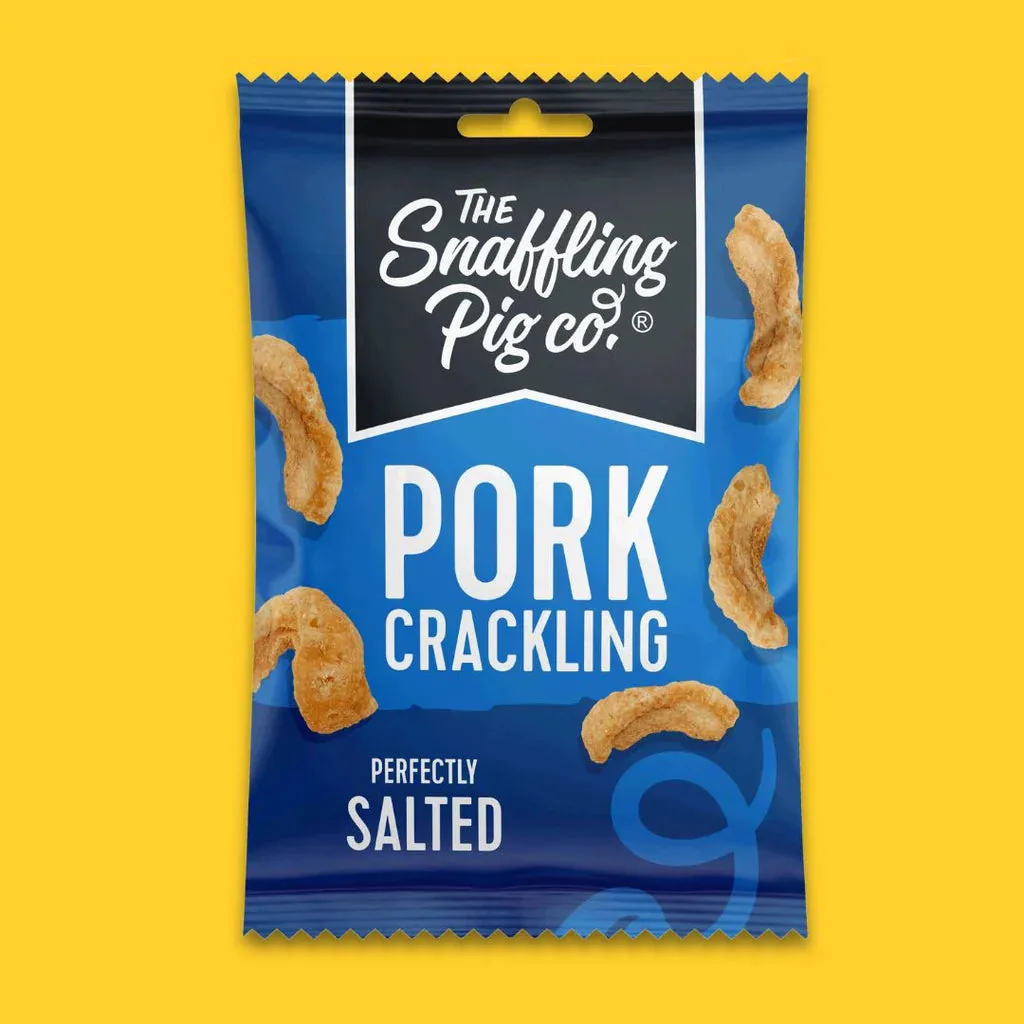
Perfectly Salted Pork Crackling (subscription every month)
- Choose bulk cases over single-serve bags to reduce packaging waste.
- Consider monthly subscriptions for fewer deliveries and less packaging.
- Check local recycling rules to ensure proper disposal of pouches.
The Future of Sustainable Snack Packaging
The snack industry is moving toward a more circular economy, where packaging is designed to be reused, recycled, or composted. Innovations include water-soluble films, edible packaging, and advanced recycling technologies that can break down multi-layer materials into their original components. Brands are also investing in lightweighting—using less material per package without sacrificing protection.
For pork crackling lovers, this means that in the near future, you may be able to enjoy the same crunchy satisfaction with packaging that leaves a minimal environmental trace. Snaffling Pig is committed to staying ahead of these trends, ensuring that its products remain both delicious and responsible. By supporting brands that prioritise sustainability, consumers can drive further change across the entire snack industry.
- Edible and water-soluble packaging are emerging innovations.
- Advanced recycling can break down multi-layer materials.
- Consumer demand for sustainable options is accelerating change.
Understanding the environmental impact of pork snack packaging empowers you to make smarter choices without sacrificing flavour. By opting for recyclable cardboard cases and bulk subscriptions, you can enjoy your favourite crunch while reducing waste. Explore the Perfectly Salted Pork Crackling Case today—a delicious step toward more sustainable snacking.