Soda is one of the most consumed beverages worldwide, but its production carries a significant environmental cost. From the water needed to grow ingredients to the energy used in bottling and transportation, every can of soda leaves a footprint. As consumers become more eco-conscious, understanding these impacts and the steps brands are taking to reduce them is essential.
In this article, we break down the key environmental challenges of soda production—water usage and carbon footprint—and highlight sustainable practices that are shaping the industry. We'll also look at how popular products like Orange and Alpine Blast fit into a more sustainable future.
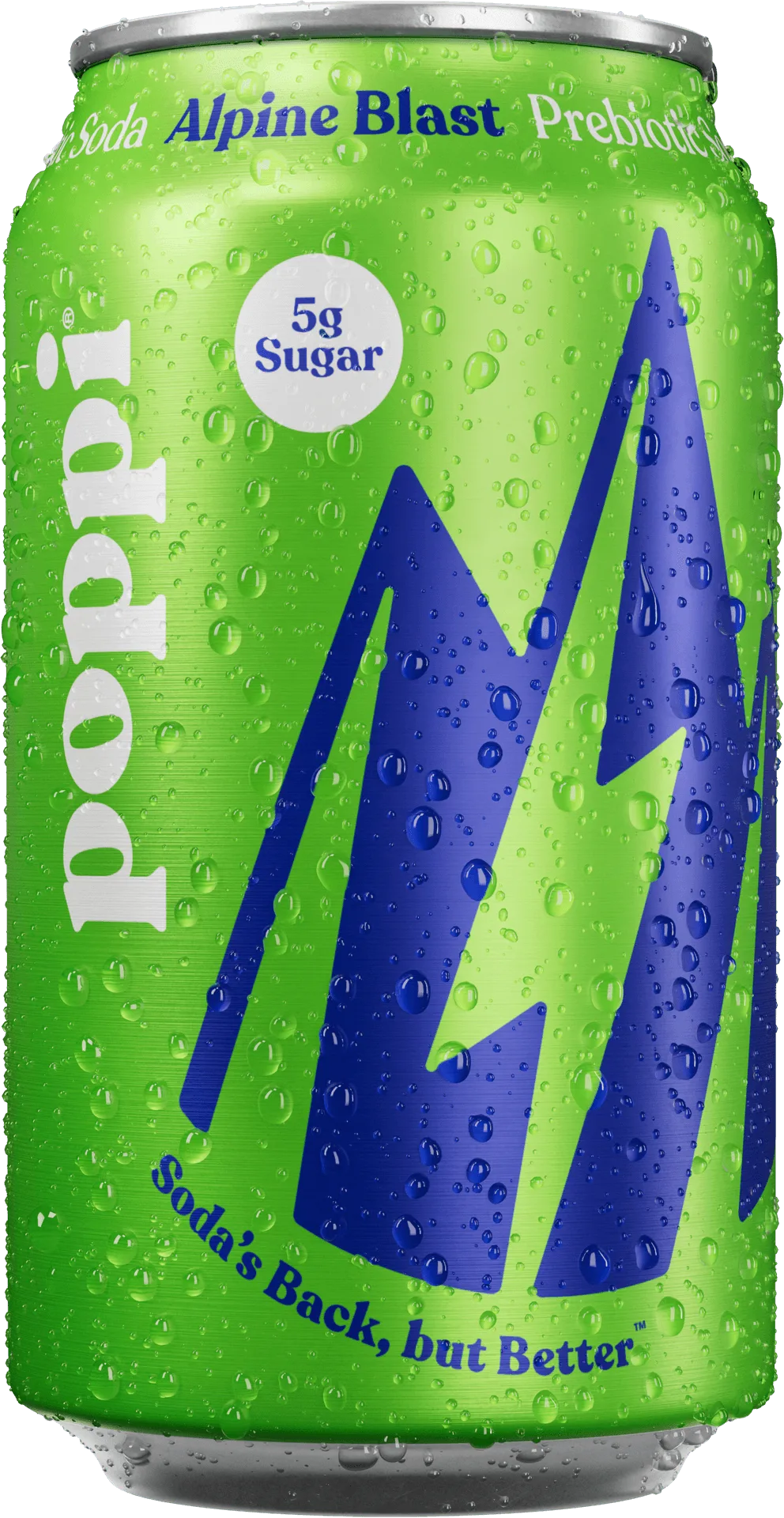
Alpine Blast
Water Usage in Soda Production
Water is the primary ingredient in soda, but its role goes far beyond the drink itself. It takes approximately 2.2 gallons of water to produce just one liter of soda when you account for growing sugar cane or corn, cleaning equipment, and cooling machinery. In water-scarce regions, this can strain local resources and affect communities.
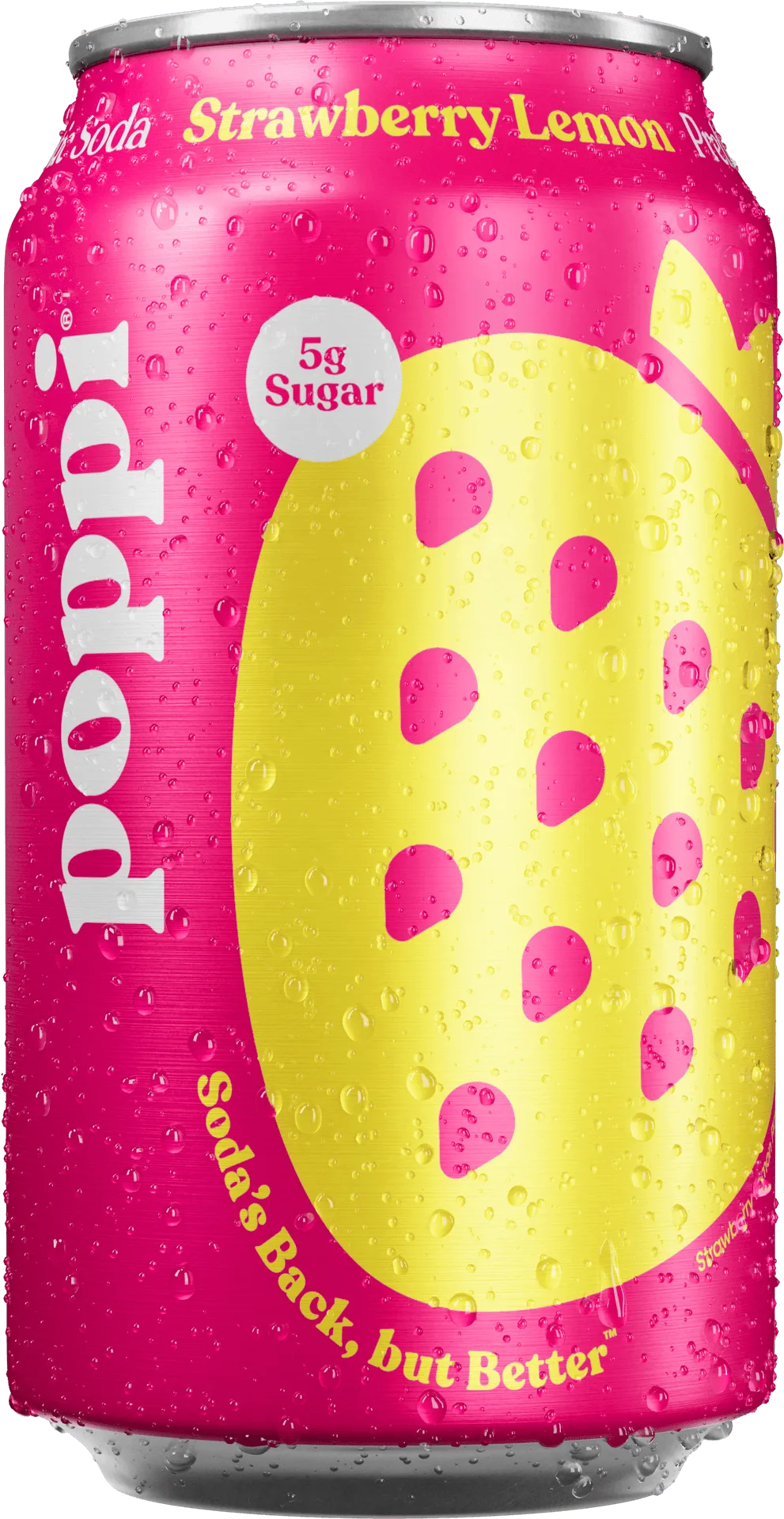
Brands are increasingly adopting water stewardship programs to reduce their impact. For example, some are investing in water recycling systems and sourcing ingredients from farms that use efficient irrigation. Products like Strawberry Lemon are produced with attention to water conservation, making them a smarter choice for eco-minded consumers.
- Look for brands that publish water usage reports or participate in the Alliance for Water Stewardship.
The Carbon Footprint of Soda
The carbon footprint of soda includes emissions from farming, manufacturing, packaging, and shipping. A typical 12-ounce can of soda generates about 0.5 pounds of CO2 equivalent. The biggest contributors are the energy-intensive bottling process and the transportation of heavy glass or aluminum containers.
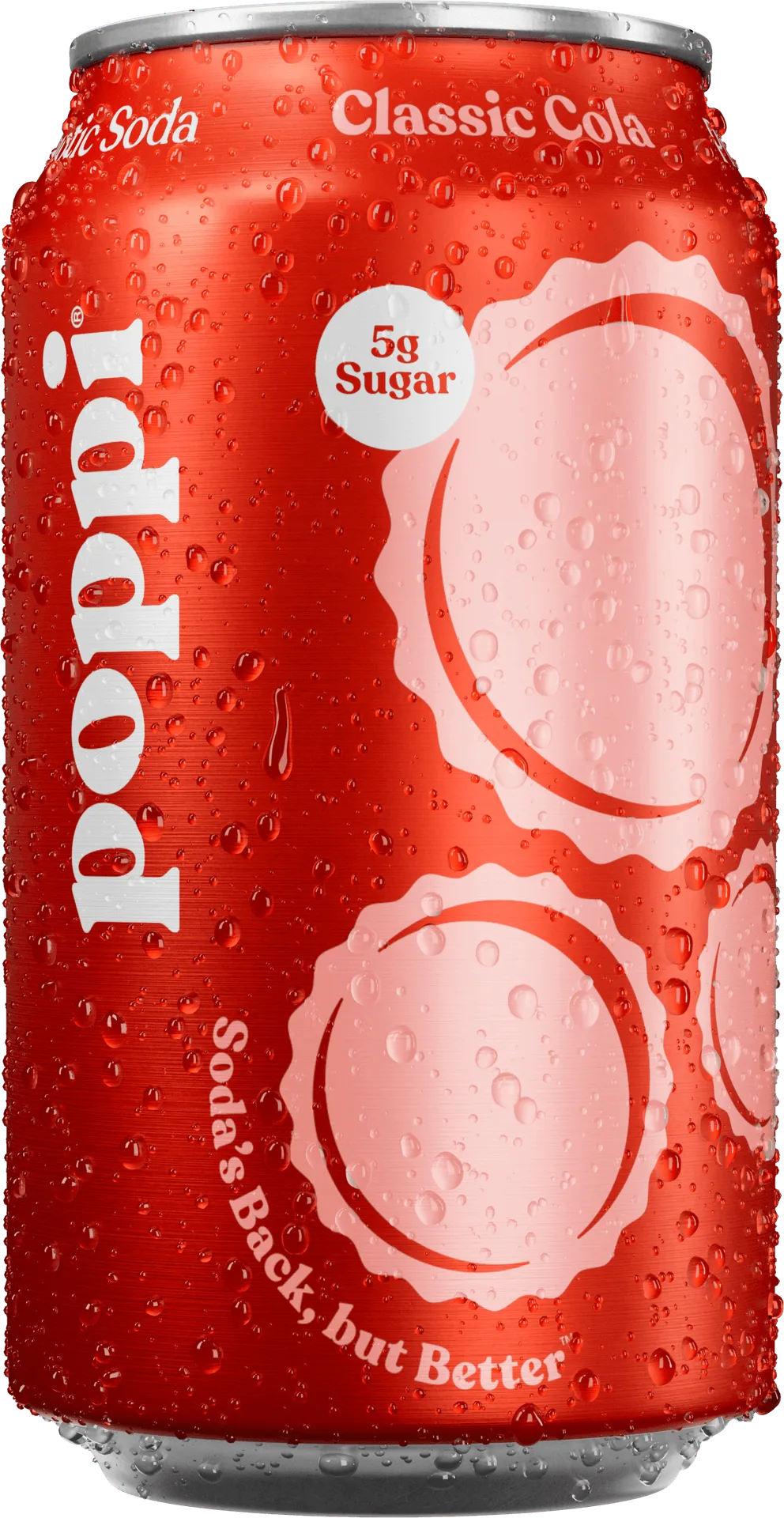
To lower emissions, many companies are switching to lighter packaging, using renewable energy in factories, and optimizing delivery routes. For instance, the production of Classic Cola has been revamped to reduce energy use by 15% over the past five years. Choosing brands that prioritize carbon reduction can make a difference.
- Aluminum cans are lighter than glass and have a lower transport carbon footprint.
Sustainable Practices in the Soda Industry
From ingredient sourcing to packaging, soda companies are embracing sustainability. Many are using recycled aluminum, which requires 95% less energy than new aluminum. Others are exploring biodegradable bottles or refillable glass systems. Ingredient sourcing is also shifting toward organic and regenerative agriculture.
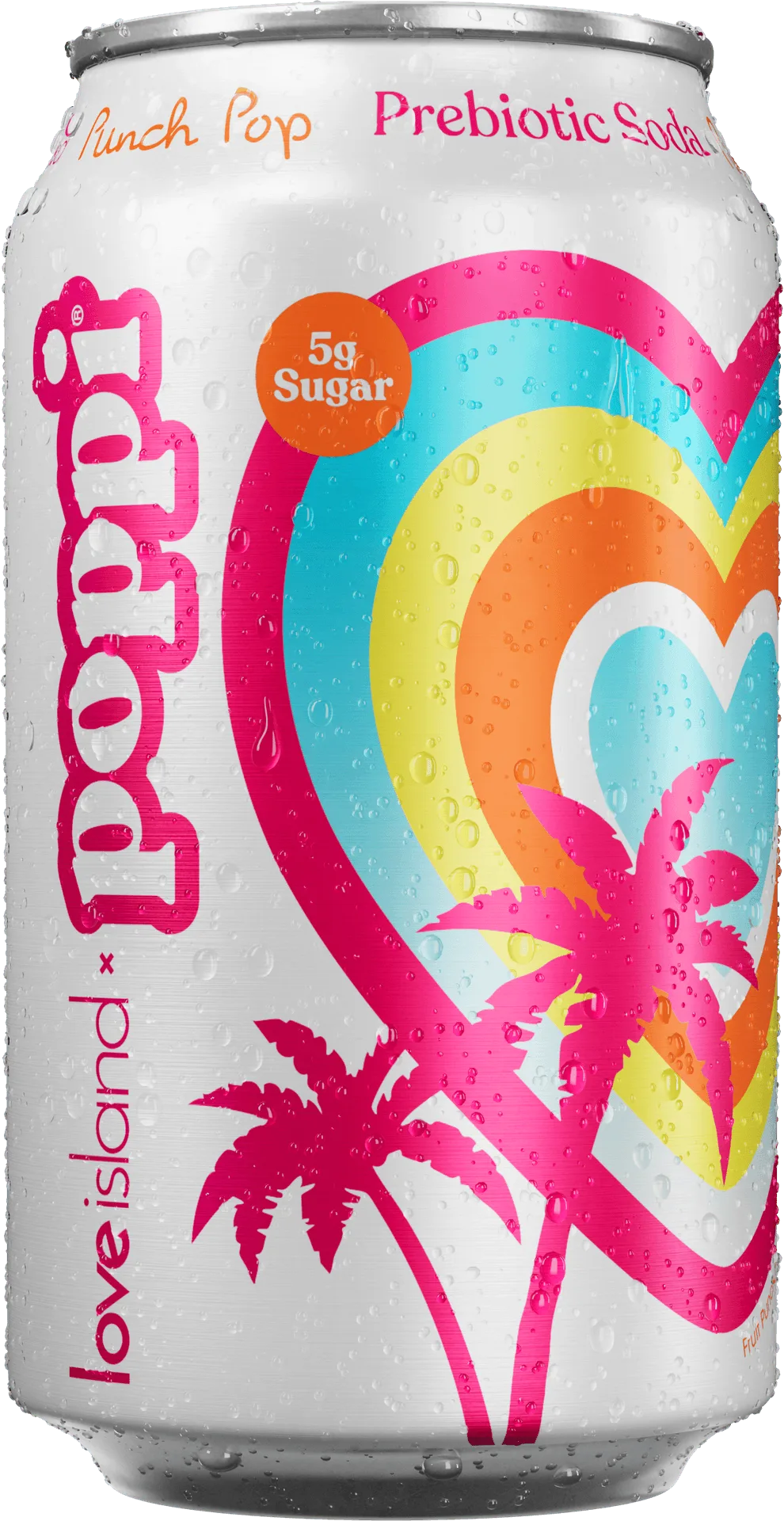
Poppi exemplifies this trend with its commitment to clean ingredients and eco-friendly packaging. The Punch Pop flavor is a great example of how delicious taste can align with environmental values. By supporting such brands, consumers can enjoy their favorite drinks while reducing their ecological footprint.
- Check for certifications like B Corp, Rainforest Alliance, or CarbonNeutral when choosing soda.
How Consumers Can Make a Difference
Individual choices add up. Opting for sodas in recyclable packaging, buying in bulk to reduce per-unit emissions, and supporting brands with transparent sustainability reports are all impactful actions. Also, consider trying lower-impact flavors that use fewer resources to produce.
For example, choosing a refreshing Alpine Blast not only satisfies your thirst but also supports a product made with environmental responsibility in mind. Every purchase is a vote for the kind of future you want to see.
- Recycle your cans and bottles properly to ensure materials are reused.
The soda industry is at a crossroads, with environmental challenges and opportunities for innovation. By understanding the water and carbon impacts of your favorite drinks, and by choosing brands that prioritize sustainability, you can enjoy your fizz guilt-free. Explore Poppi's range of eco-friendly sodas, like the vibrant Orange, and be part of the change toward a greener, tastier future.