Tea is one of the most beloved beverages worldwide, but its journey from leaf to cup often involves packaging that can harm the planet. From plastic-lined tea bags to excessive wrapping, the environmental footprint of tea packaging is a growing concern. As consumers become more eco-conscious, understanding what to look for in sustainable tea packaging is essential for making informed choices that benefit both your health and the environment.
At Newby Teas, we believe that luxury and sustainability can go hand in hand. This article explores the key environmental issues surrounding tea packaging, highlights what to look for when choosing eco-friendly options, and offers practical tips for reducing your tea-related waste. Whether you are a seasoned tea enthusiast or a newcomer, this guide will help you sip with a clearer conscience.
The Hidden Cost of Traditional Tea Packaging
Most commercial tea bags are made from filter paper that contains polypropylene, a plastic that seals the bag but does not biodegrade easily. These bags can release microplastics into your cup and the environment. Additionally, many tea brands use individual wrappers, foil pouches, and plastic overwraps that contribute to landfill waste. The production of these materials also consumes energy and resources, adding to the carbon footprint of your daily cuppa.
Loose leaf tea, while generally more eco-friendly, is often sold in tins or pouches that may not be recyclable. The key is to look for brands that prioritize minimal, biodegradable, or reusable packaging. By understanding these hidden costs, you can make choices that align with your values.
- Choose tea bags made from plant-based materials like hemp or cornstarch, which are compostable and plastic-free.
- Opt for loose leaf tea sold in recyclable tins or paper pouches to reduce single-use waste.
What Makes Tea Packaging Sustainable?
Sustainable tea packaging goes beyond just being recyclable. It considers the entire lifecycle of the materials, from sourcing to disposal. Look for packaging that uses renewable resources, such as paper from certified sustainable forests or biodegradable plant-based plastics. Minimalist designs that use less material overall are also better for the environment.
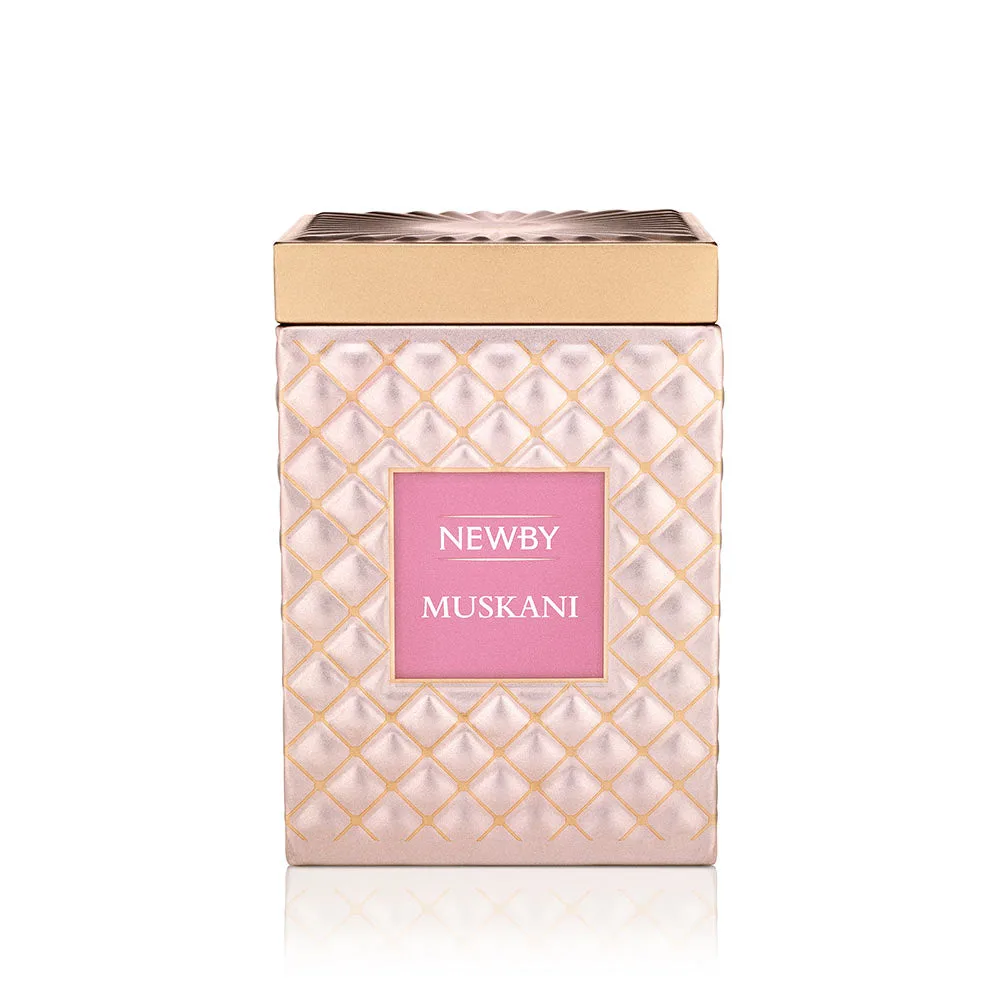
Another important factor is the ability to reuse or repurpose the packaging. For example, tea caddies made from metal or glass can be refilled, reducing the need for new packaging. Some brands even offer refill pouches that use less material than traditional boxes. By choosing these options, you can significantly cut down on waste.
- Seek out brands that use FSC-certified paper for their boxes and tags.
- Consider purchasing tea in bulk or large quantities to minimize per-serving packaging.
Key Certifications and Labels to Look For
When shopping for sustainable tea, certifications can help you identify truly eco-friendly options. The Forest Stewardship Council (FSC) label ensures that paper products come from responsibly managed forests. The Rainforest Alliance certification indicates that the tea was grown with environmental and social responsibility in mind. Additionally, look for 'plastic-free' or 'compostable' claims on packaging.
However, not all labels are created equal. Some terms like 'biodegradable' can be misleading if the packaging requires industrial composting facilities that are not widely available. Do your research and support brands that are transparent about their packaging materials and practices. This vigilance helps drive the industry toward more sustainable solutions.
- Check for the 'OK Compost' or 'TUV Home Compostable' logos for packaging that can break down in your backyard compost.
- Avoid tea bags that contain polypropylene; instead, look for those sealed with natural materials like cotton or plant-based fibers.
Practical Tips for Reducing Your Tea Packaging Footprint
One of the simplest ways to reduce waste is to switch from tea bags to loose leaf tea. Loose leaf tea typically comes in larger containers that use less packaging per serving. You can also reuse tea tins for storage or other household purposes. Another tip is to buy tea in bulk from stores that allow you to bring your own containers.
When you do purchase packaged tea, choose brands that offer refill options. For example, some premium teas come in beautiful caddies that you can refill with loose leaf tea pouches. This not only reduces waste but also adds a touch of elegance to your tea ritual. By making these small changes, you can enjoy your favorite brews while protecting the planet.
- Use a reusable tea strainer or infuser to brew loose leaf tea without any packaging waste.
- Compost your used tea leaves and biodegradable tea bags in your garden or green bin.
As tea lovers, we have the power to shape the industry by choosing products that prioritize sustainability. By being mindful of packaging materials, certifications, and reusable options, we can reduce our environmental impact without sacrificing quality. Explore our collection of premium teas and sustainable accessories to find your perfect eco-friendly cup.