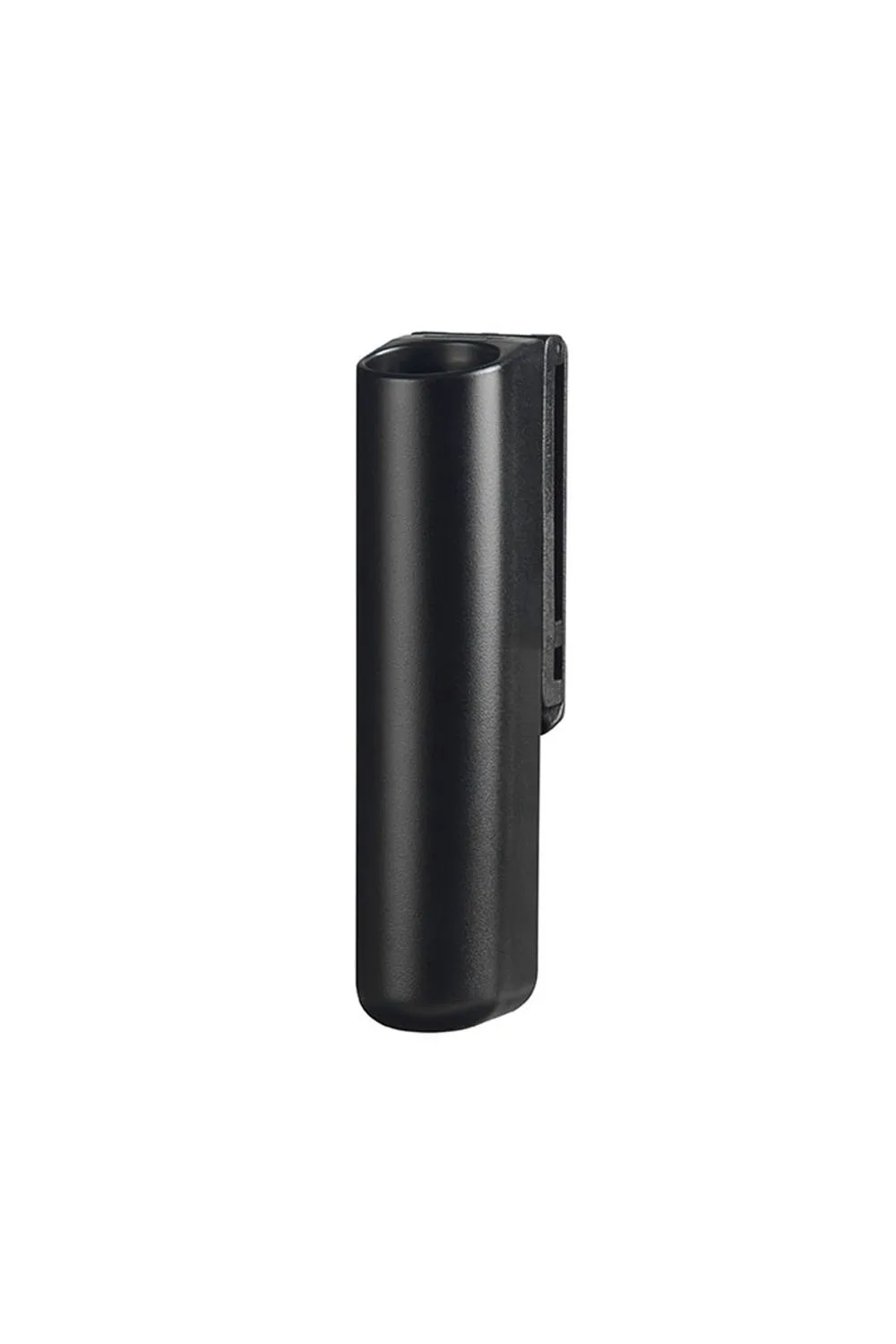
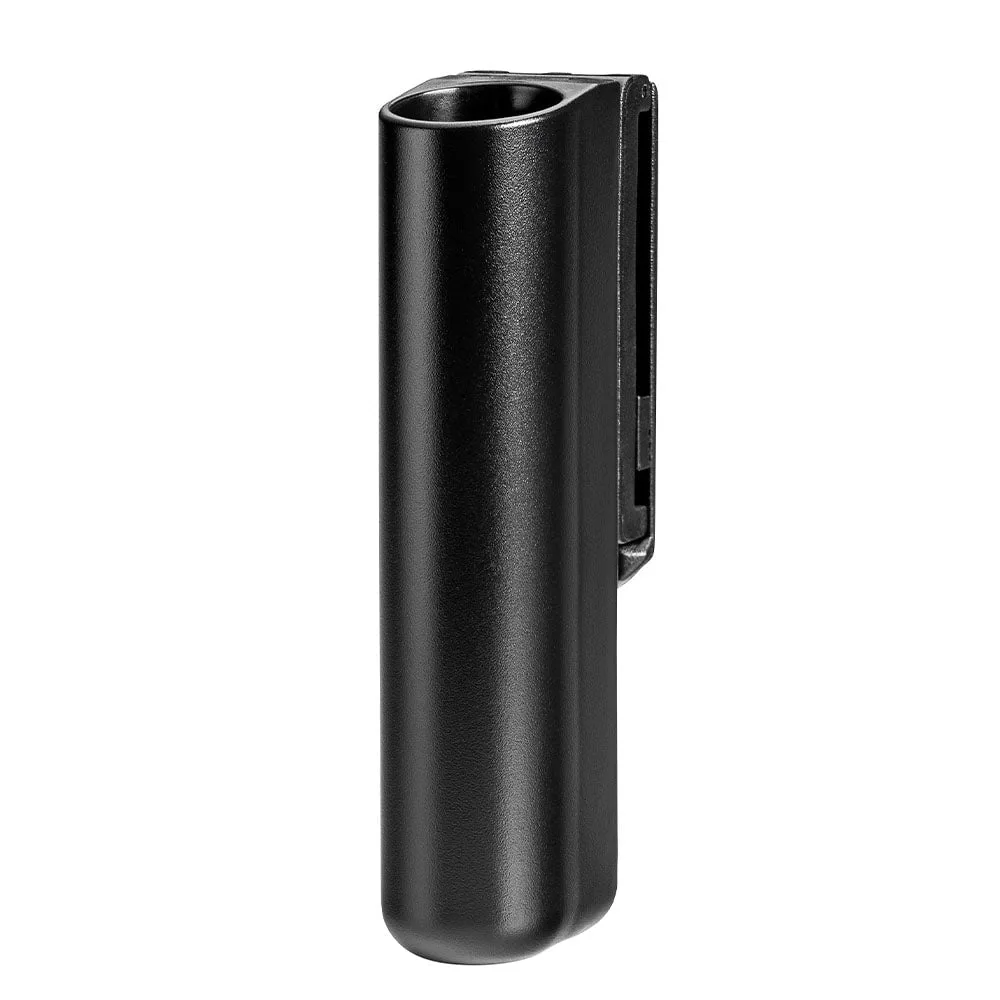
Choosing the right scabbard is just as important as selecting the baton itself. A good scabbard ensures quick access, secure retention, and comfort during long shifts. Among the most popular options are the Envoy and Horizon scabbards, each designed with specific carry styles and baton types in mind.
In this comparison, we'll break down the key differences between these two scabbards, including materials, retention mechanisms, and compatibility with popular batons like the Talon. By the end, you'll know which one fits your needs best.
Design and Materials: Envoy vs Horizon
The Envoy scabbard is known for its sleek, low-profile design. It is typically made from durable nylon or polymer, offering a balance of rigidity and flexibility. The Envoy is designed to be worn discreetly, making it a favorite for plainclothes officers or those who prefer a more concealed carry option. Its lightweight construction reduces bulk, and the smooth draw allows for quick deployment when seconds matter.
The Horizon scabbard, on the other hand, is built for duty and durability. It often features a more robust construction, with reinforced stitching and heavier materials like Kydex or high-grade polymer. The Horizon provides a more rigid structure, which can offer better retention and protection for your baton. It is designed to withstand the rigors of daily use, making it ideal for uniformed officers who need a scabbard that can handle rough conditions.
- Envoy: low-profile, lightweight, ideal for concealed carry
- Horizon: heavy-duty, rigid, built for uniformed duty
Retention and Draw: Which Holds Better?
Retention is critical in a scabbard – you don't want your baton falling out during a pursuit, but you also need a smooth draw when you need it. The Envoy uses a friction-based retention system, often with a tension screw or adjustable strap. This allows you to customize the draw resistance to your preference. However, over time, the material may wear and lose some grip, requiring occasional adjustment.
The Horizon scabbard typically employs a more positive retention mechanism, such as a snap or a locking system. This ensures the baton stays securely in place, even during vigorous movement. The draw is slightly more deliberate, but the trade-off is superior security. For officers who prioritize retention over speed, the Horizon is the better choice.
- Envoy: adjustable friction retention, quick draw
- Horizon: positive locking retention, maximum security
Compatibility: Which Batons Fit?
Both scabbards are designed to fit ASP batons, but there are differences in compatibility. The Envoy is often compatible with a range of baton sizes, including the 16-inch and 21-inch models. It is particularly well-suited for the Talon baton, which is known for its lightweight and balanced design. If you're looking for a scabbard that fits your Talon perfectly, the Envoy is a reliable option.
The Horizon scabbard is also compatible with ASP batons, but it is often designed with specific models in mind. For example, the Horizon may be better suited for heavier batons like the 26-inch or those with a larger diameter. It is also a great match for the SIG Handguns? No, that's a firearm, but you get the idea – make sure to check the specifications for your particular baton model.
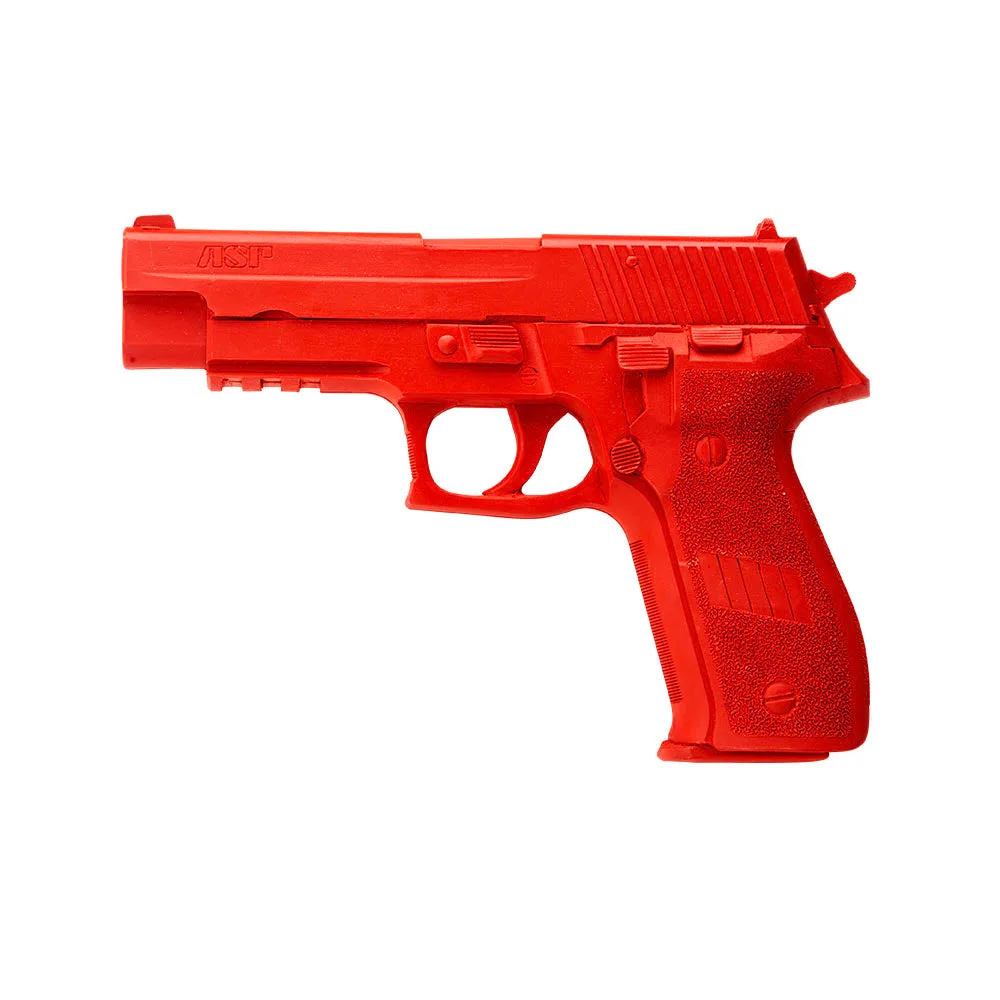
SIG Handguns
When in doubt, always consult the manufacturer's compatibility chart. And remember, using the right scabbard not only ensures a proper fit but also prevents unnecessary wear on both the baton and the scabbard.
- Envoy: fits Talon and most standard ASP batons
- Horizon: designed for larger or heavier batons
Carry Options and Comfort
How you carry your scabbard can affect your comfort and accessibility. The Envoy offers multiple carry options, including belt loop, paddle, and even inside-the-waistband configurations. This versatility makes it a great choice for those who switch between on-duty and off-duty carry. The low-profile design means it won't print as much under clothing, which is a plus for concealed carry.
The Horizon scabbard is typically worn on the belt, with a sturdy belt loop or a duty belt attachment. It is designed to sit securely and not shift during movement. While it may be bulkier than the Envoy, it offers a more stable platform for heavy use. If you wear a duty belt, the Horizon integrates seamlessly with other gear.
- Envoy: versatile carry options, ideal for concealed carry
- Horizon: stable duty belt carry, built for uniform wear
Durability and Maintenance
Durability is a key factor in any duty gear. The Envoy, while lightweight, is still built to last. Its nylon or polymer construction resists wear and tear, but the retention system may need occasional tightening. To keep it in top condition, clean it regularly and avoid exposing it to extreme temperatures for prolonged periods.
The Horizon scabbard is designed for the long haul. Its rigid materials can withstand impacts and rough handling. The locking mechanism is robust and less likely to fail over time. Maintenance is straightforward – wipe it down and check the retention mechanism periodically. With proper care, a Horizon scabbard can last for years.
- Envoy: light maintenance, adjust retention as needed
- Horizon: minimal maintenance, built for endurance
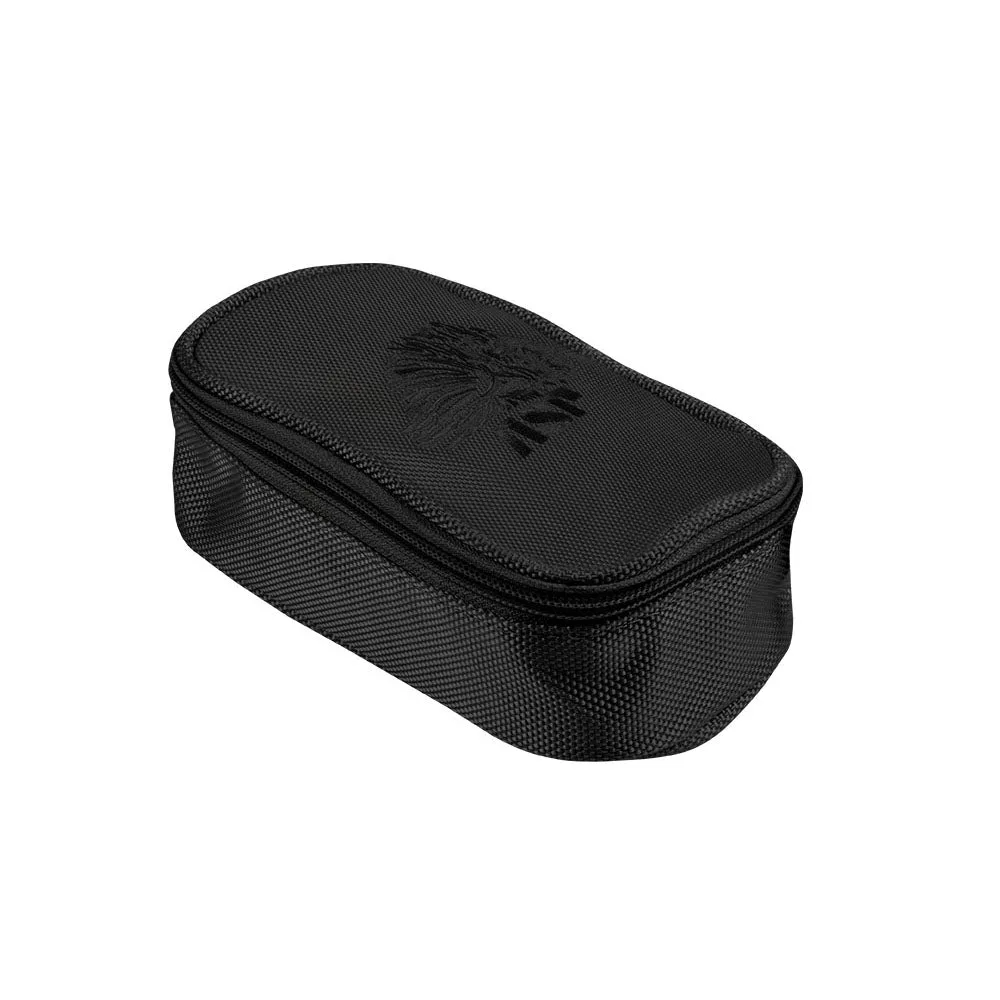
Both the Envoy and Horizon scabbards are excellent choices, but they serve different needs. If you prioritize concealability and a quick draw, the Envoy is your best bet. If you need maximum retention and durability for duty use, the Horizon is the way to go. Consider your carry style and baton type to make the right decision. For more options, check out the https://aspersusa.com/products/envoy-scabbard-60cm-385888Envoy Scabbard, 60cm or the Centurion Accessory Bag to complete your gear setup.