Choosing between Espresso Roast ground or whole bean coffee and its single-serve pod version comes down to how you brew, how much caffeine you want, and how much effort you're willing to put into each cup. Both deliver the same bold, full-bodied flavor with caramelized sugar undertones, but the format changes everything about your daily routine.
Caffeine content: a real difference
The two formats share the same roast profile but differ in caffeine per serving. If you're counting milligrams, the choice matters.
- Espresso Roast Coffee (ground/whole bean): Approximately 170 mg of caffeine per 6 oz serving when brewed according to package instructions.
- Espresso Roast Single-Serve Pods: Approximately 155 mg of caffeine per standard 6 oz serving following brew instructions.
What the catalog confirms about each format
-
Espresso Roast Coffee: Espresso Roast Coffee contains approximately 170mg of caffeine based on a 6oz serving following brewing instructions on the package. This is the higher-caffeine option for drinkers who want the strongest per-cup jolt from the same roast.
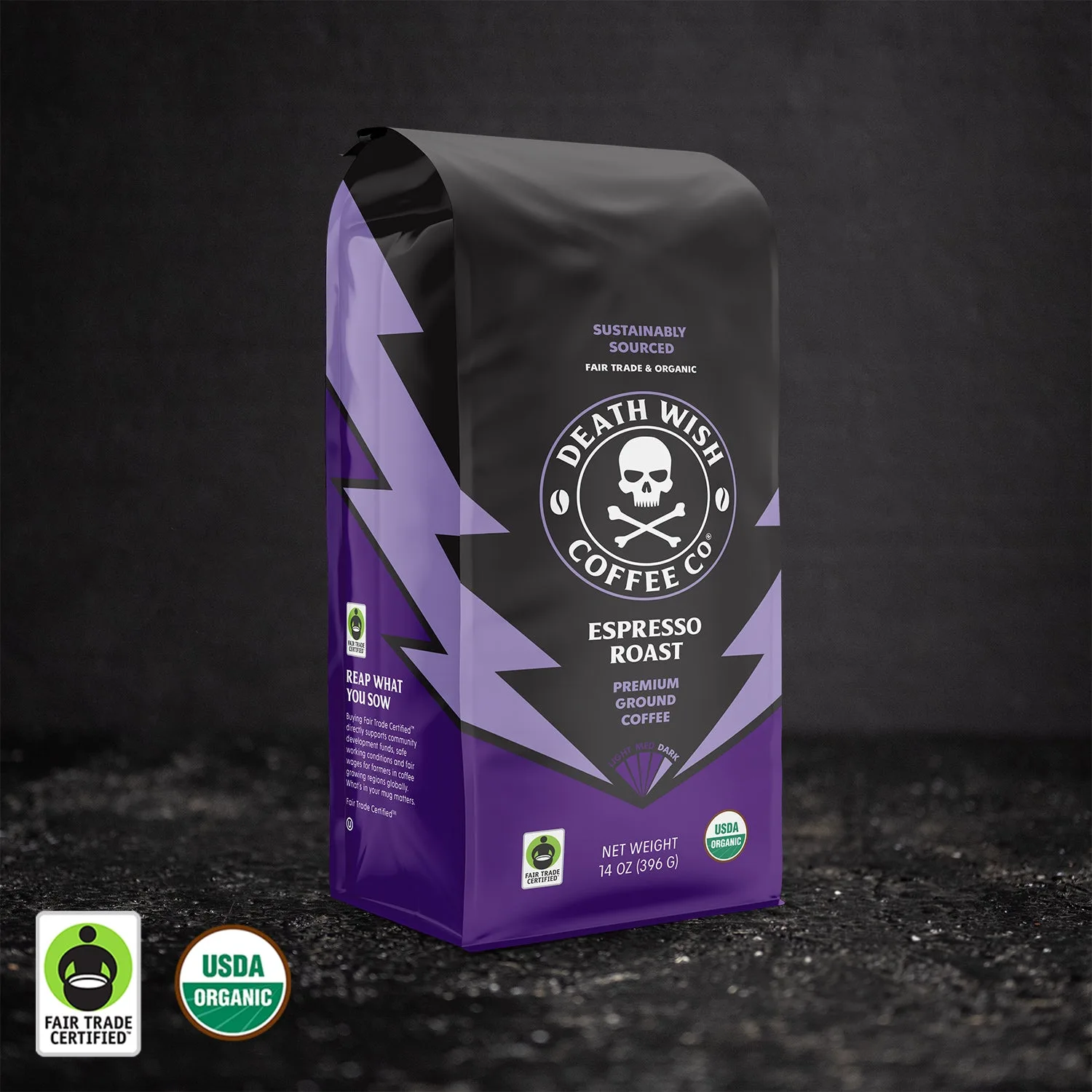
Espresso Roast Coffee
-
Espresso Roast Single-Serve Pods: Espresso Roast Single-Serve Pods contain approximately 155mg of caffeine based on a standard 6oz serving following brewing instructions on the package. Slightly less caffeine per pod, but the difference is small enough that convenience may outweigh the 15mg gap for many drinkers.
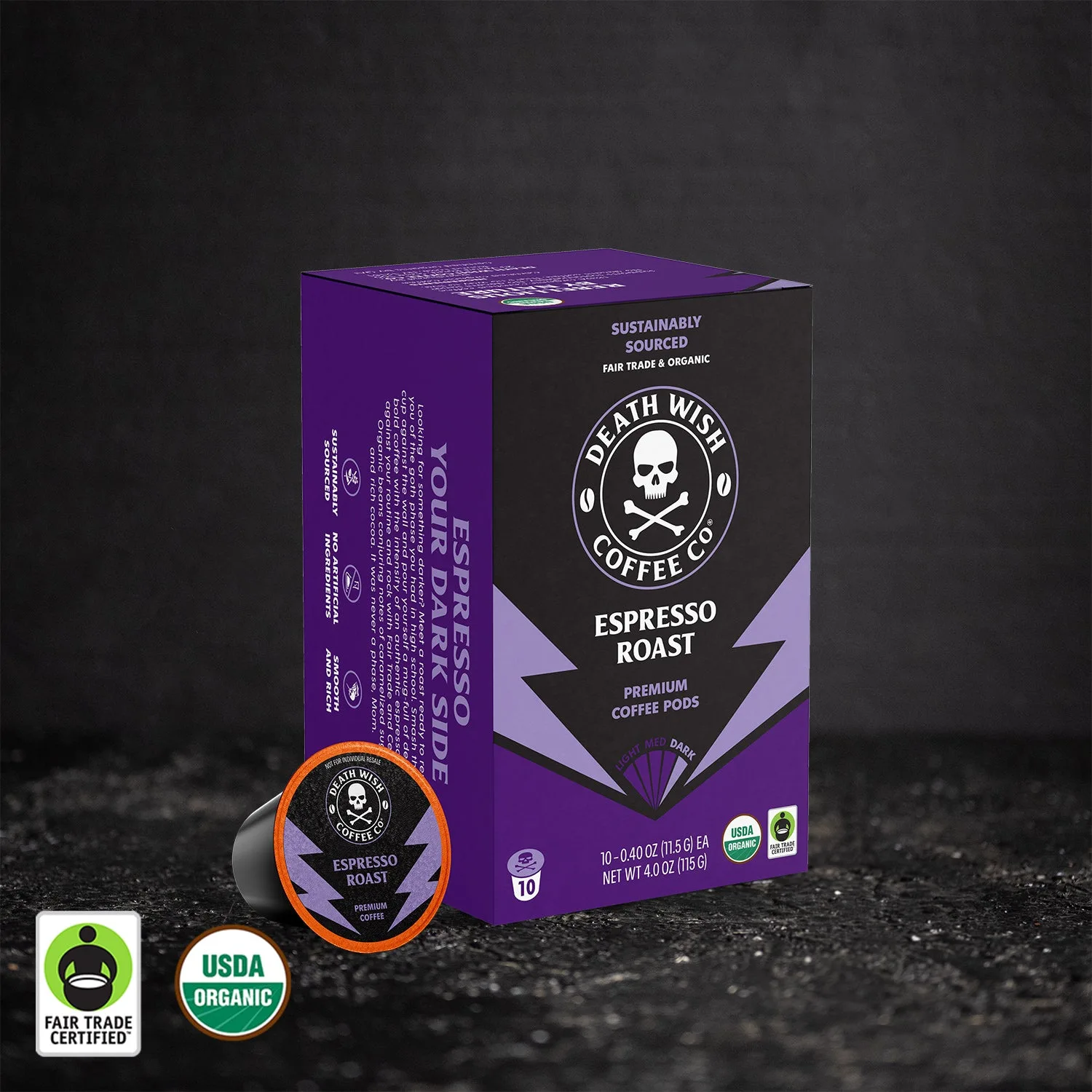
Espresso Roast Single-Serve Pods
Brew format and equipment
Your existing brewing setup and willingness to invest time will guide your choice.
- Ground or whole bean: Works with drip machines, French presses, pour-overs, espresso machines, and more. You control grind size, dose, and brew time. Available in 1, 2, 3, or 6 bags, and in ground or whole bean options.
- Single-serve pods: Compatible with Keurig 1 & 2, Breville, Cuisinart, and Mr. Coffee machines. No measuring or grinding needed. Available in 10, 20, 50, or 100 count boxes.
Convenience versus brewing ritual
Pods win on speed and cleanup. If your morning is tight, the single-serve format delivers consistent results with zero prep. Ground or whole bean coffee rewards you with flexibility: you can dial in strength, try different brew methods, and adjust the dose. The trade-off is time and cleanup.
Both formats carry the same "espresso-like texture and depth" promise from the catalog, but only the ground/whole bean version lets you experiment with extraction to match your preferred intensity.
Cost and subscription savings
Both products offer a Subscribe & Save program through the Society of Strong Coffee, saving 30% off the first shipment and up to 20% on future deliveries. Note that coffee subscriptions are not eligible for additional discounts or promotional offers unless stated otherwise.
- Espresso Roast Coffee (ground/whole bean): Catalog price USD 13.99 (compare at USD 19.99). Per-bag cost drops further with larger multi-bag packs.
- Espresso Roast Single-Serve Pods: Catalog price USD 10.19 (compare at USD 14.99). Per-pod cost decreases with higher count boxes.
Which should you choose?
Start with your equipment. If you already own a single-serve machine from the compatible list, pods are the no-fuss path to the same roast profile. If you prefer a French press, pour-over, or espresso machine, go with the ground or whole bean coffee.
If caffeine is your priority, the ground/whole bean version offers 170 mg per serving compared to 155 mg from the pods. For most drinkers, that 15 mg difference won't be noticeable, but it's worth knowing.
Finally, consider how much variety you want. Ground coffee lets you adjust strength and try different brew methods. Pods lock you into a consistent but fixed result. Both deliver the bold, espresso-like brew the roast is known for.