Coffee lovers often face a delightful dilemma: espresso or filter coffee? While both start with the same humble bean, the brewing process, flavor profile, and even the caffeine kick can be worlds apart. Understanding these differences can help you choose the right brew for your mood, time of day, or even your equipment.
In this guide, we’ll break down espresso vs filter coffee across several dimensions—from grind size and pressure to taste and body. Whether you’re a seasoned barista or a curious beginner, you’ll leave with a clearer picture of what makes each method special.
Brewing Methods: Pressure vs Gravity
The most fundamental difference lies in how water interacts with coffee grounds. Espresso is made by forcing hot water through finely ground coffee under high pressure—typically 9 bars. This rapid, pressurized extraction yields a concentrated, syrupy shot topped with a creamy crema. Filter coffee, on the other hand, relies on gravity. Hot water drips through a bed of coarser grounds, extracting flavors more slowly and gently over several minutes.
This distinction affects everything from equipment to technique. Espresso machines are complex, requiring precise temperature and pressure control. Filter brewing—whether pour-over, Chemex, or automatic drip—is more forgiving, allowing for experimentation with grind size and water temperature. For those new to manual brewing, a tool like the https://beansyai.shop/products/next-level-pulsar-brewer-filter-papers-100-133595Next Level Pulsar Brewer Filter Papers (100) can simplify the process, ensuring consistent extraction every time.
- Espresso: high pressure (9 bars), fine grind, 20–30 second extraction, concentrated shot.
- Filter coffee: gravity-fed, medium-coarse grind, 3–5 minute extraction, larger volume.
Flavor Profile and Body: Bold vs Clean
Espresso delivers an intense, full-bodied flavor with pronounced bitterness and sweetness, often carrying notes of chocolate, caramel, or dark fruit. The crema adds a velvety texture that coats the palate. Filter coffee, by contrast, offers a cleaner, lighter mouthfeel with brighter acidity and more nuanced floral or fruity notes. The slower extraction preserves delicate compounds that might be lost in espresso’s high-pressure environment.
Your preference may depend on the beans you choose. A light-roast single origin, for example, can shine in a pour-over, revealing complex citrus or berry flavors. For a richer, more robust experience, espresso brings out deeper, roasted notes. Many enthusiasts enjoy both, switching between methods to suit their mood or the coffee’s origin.
Caffeine Content: Espresso vs Filter Coffee
A common misconception is that espresso contains more caffeine than filter coffee. While a single shot of espresso (about 1 ounce) packs roughly 63 mg of caffeine, a standard 8-ounce cup of filter coffee contains around 95 mg. However, espresso is more concentrated, meaning ounce for ounce, it has more caffeine. If you’re looking for a quick, powerful jolt, espresso wins. For a steady, longer-lasting lift, filter coffee is the better choice.
Your caffeine goals might also influence your brewing method. For those who enjoy the ritual of a slow morning, a full pot of filter coffee delivers sustained energy. On busy days, a quick espresso shot can be the perfect pick-me-up. If you prefer instant convenience without sacrificing quality, consider Rare Specialty Instant Coffee (Box of 6 Sachets), which offers the same high-quality beans in a portable format.
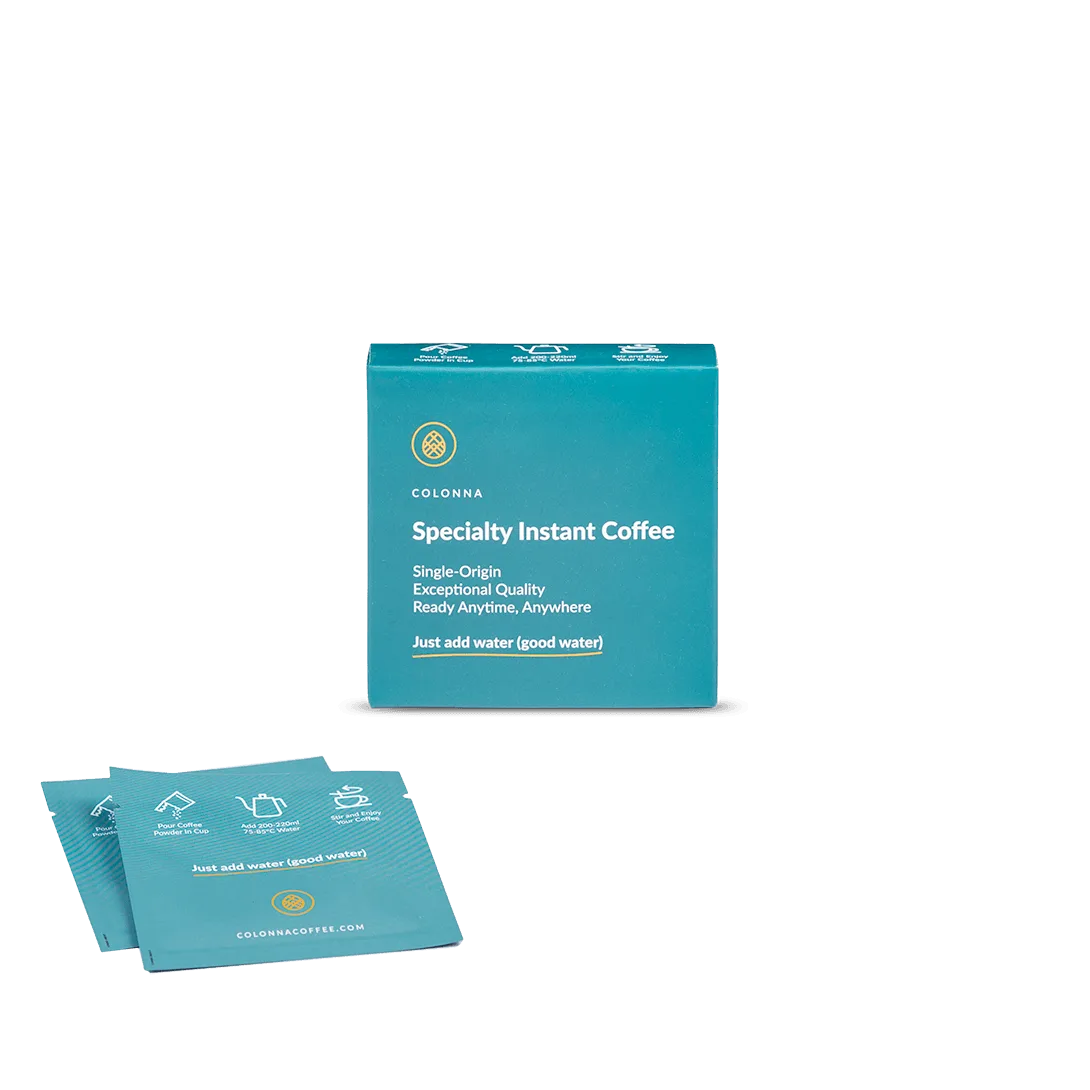
Rare Specialty Instant Coffee (Box of 6 Sachets)
- Espresso: ~63 mg per 1-ounce shot, high concentration.
- Filter coffee: ~95 mg per 8-ounce cup, lower concentration but more volume.
- Tip: If you want a mild caffeine boost, try a single espresso shot or a small filter brew.
Equipment and Cost: What You Need to Get Started
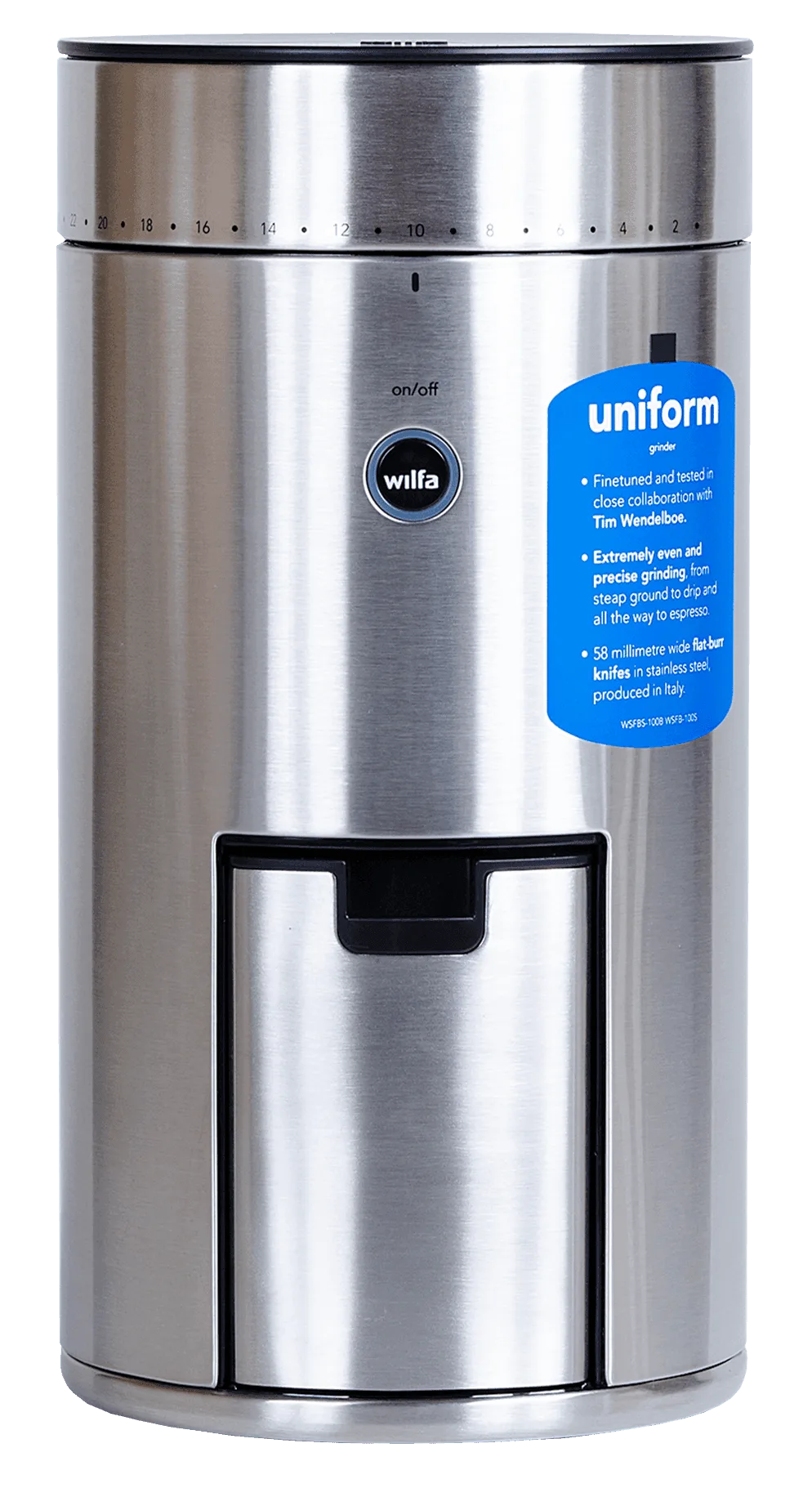
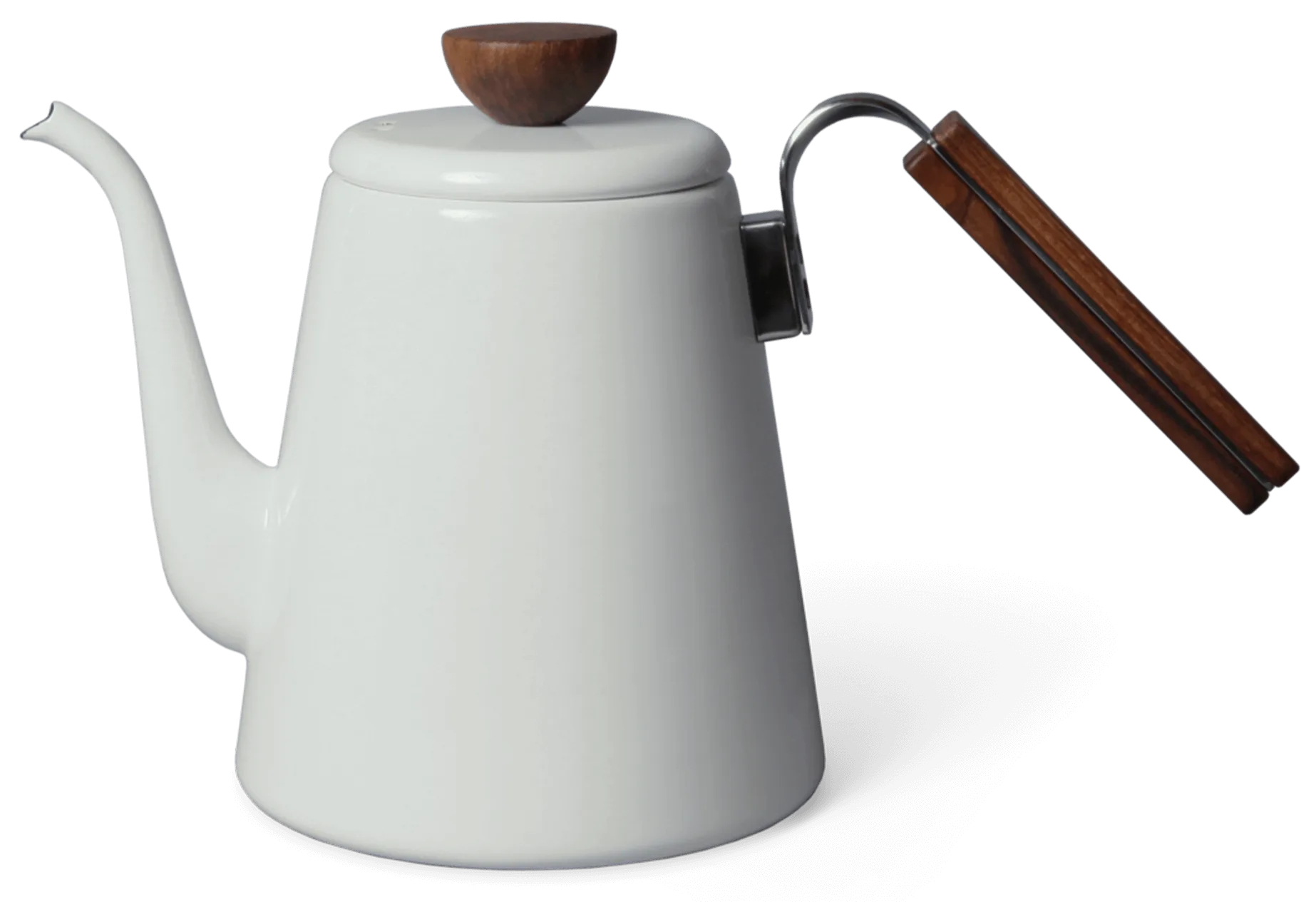
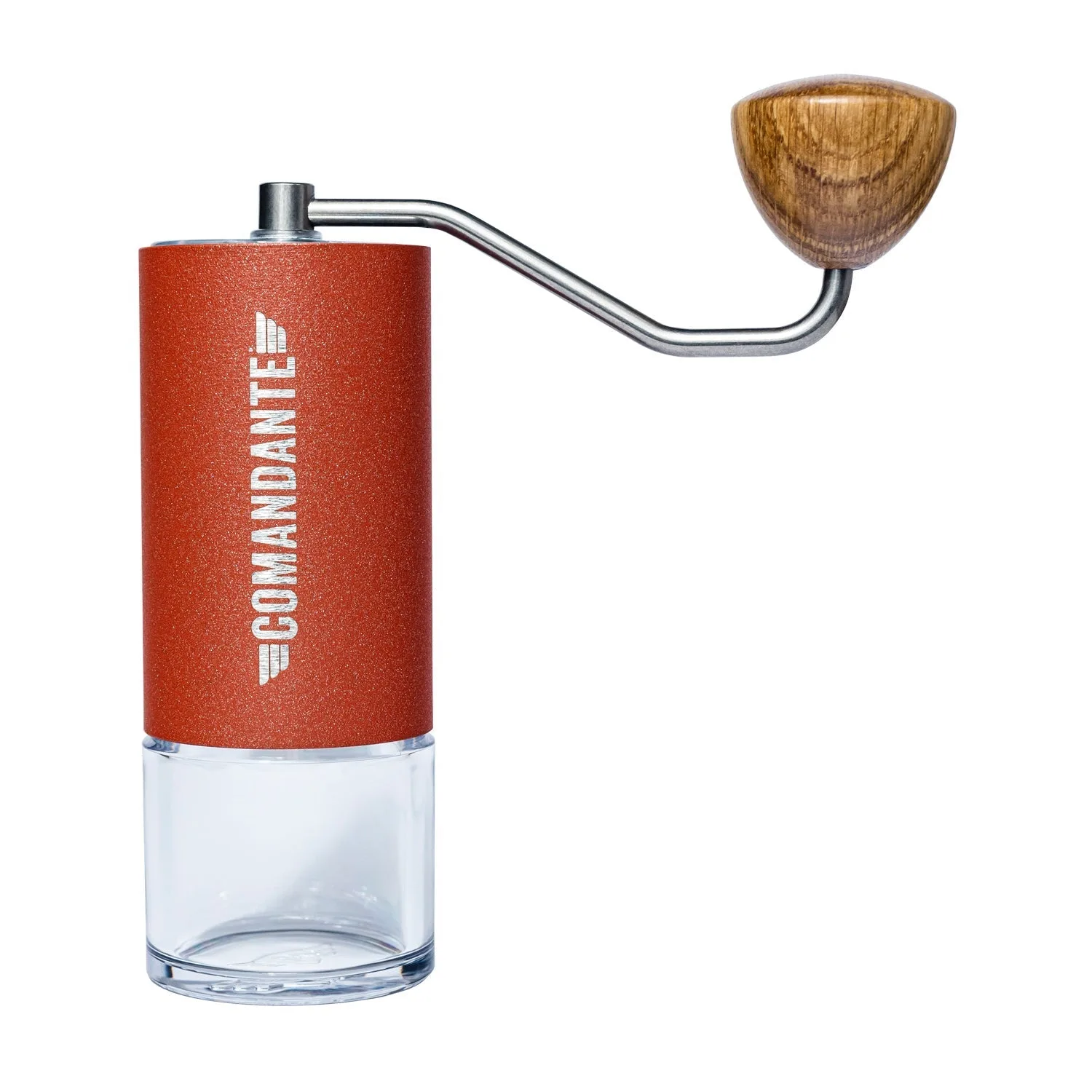
Espresso machines range from affordable manual lever models to high-end automatic units costing thousands. You’ll also need a quality grinder capable of fine, consistent particles. Filter coffee requires less investment: a simple pour-over cone, paper filters, and a gooseneck kettle can produce excellent results for under $50. However, both methods benefit from fresh, properly stored beans and clean water.
If you’re just starting out, filter brewing is more accessible and forgiving. As your skills grow, you may want to explore espresso for its versatility in milk-based drinks like lattes and cappuccinos. For those who want to expand their coffee knowledge, The Coffee Dictionary is an excellent resource, offering clear explanations of terms and techniques.
- Espresso: higher upfront cost, requires grinder, tamper, machine.
- Filter coffee: lower cost, minimal equipment, easy to scale.
Which Should You Choose? Practical Tips for Every Coffee Lover
Your choice ultimately depends on your taste preferences, time, and budget. If you love bold, concentrated flavors and enjoy crafting milk-based drinks, espresso is your path. If you prefer lighter, more aromatic cups and a more relaxed brewing ritual, filter coffee is ideal. Many coffee enthusiasts own both setups to enjoy the best of both worlds.
Experiment with different beans and roasts to discover what you like. A medium roast might work well for both methods, while a light roast often shines in filter brewing. Don’t be afraid to adjust grind size, water temperature, and brew time to fine-tune your cup. The journey is as rewarding as the destination.
- Start with filter coffee if you’re a beginner—it’s easier and more forgiving.
- Invest in a quality grinder for either method; consistent grind size is key.
- Try both methods with the same beans to compare flavor differences.
Whether you lean toward the intensity of espresso or the clarity of filter coffee, the most important thing is to enjoy the process. Explore our collection of brewing tools and beans to find what suits your taste—start with the Rare Specialty Instant Coffee (Box of 6 Sachets) for a convenient, high-quality option that bridges both worlds.