Quick Answer
The best essential oil diffuser for you depends on your room size, preferred mist type, and maintenance tolerance. For most homes, a quiet ultrasonic diffuser with a large water tank is ideal; for therapeutic use, a nebulizer delivers a stronger aroma. Match the diffuser's coverage to your space and check noise levels if you plan to use it in a bedroom.
Choosing an essential oil diffuser can feel overwhelming with so many styles and features on the market. You want a device that fills your room with a pleasant scent, runs quietly, and fits your lifestyle. This guide breaks down the key factors—mist type, coverage area, noise, and upkeep—so you can make a confident choice.
Whether you're new to aromatherapy or upgrading your current setup, understanding the trade-offs between ultrasonic and nebulizing diffusers will help you pick the right one. We'll also highlight useful accessories from Spa & Bodywork Market that complement your diffuser routine.
Understand the Main Diffuser Types
Ultrasonic diffusers use water and high-frequency vibrations to create a cool mist that carries essential oils into the air. They double as humidifiers, making them a good choice for dry climates or winter months. They are generally quiet and affordable, but they require regular cleaning to prevent mold and can mute the scent if you use too much water.
Nebulizers, on the other hand, use no water or heat. They atomize pure oil into a fine mist, delivering a stronger, more therapeutic aroma. They are more expensive and often noisier due to the air pump. If you want the full aromatic benefits and don't mind the maintenance, a nebulizer might be your best bet.
- Ultrasonic: better for gentle scent and added humidity.
- Nebulizer: better for strong, pure aroma without dilution.
Consider Room Size and Coverage
Diffusers have specified coverage areas, usually measured in square feet. A small personal diffuser might cover 100 square feet, while larger models can handle up to 500 square feet or more. Match the diffuser's coverage to the room where you'll use it. Overpowering a small space with a large diffuser can be overwhelming, while underpowering a large room leads to disappointment.
If you plan to move the diffuser between rooms, consider a mid-size unit with adjustable mist settings. Some models have timers and auto-shutoff, which are handy for safety and energy savings. Also, think about the water tank capacity—larger tanks run longer without refills, which is convenient for overnight use.
- Measure your room and check the diffuser's coverage area.
- Look for adjustable mist output and timer functions.
Evaluate Noise Levels and Light Features
Noise is a critical factor, especially for bedroom or office use. Ultrasonic diffusers are generally quiet, but some models emit a soft bubbling sound. Nebulizers produce a consistent hiss from the air pump. Read reviews or listen to videos to gauge the noise level. If you're sensitive to sound, choose an ultrasonic with a 'silent' mode.
Many diffusers include LED lights that change colors, which can be relaxing or distracting. If you want a light-free option for sleep, look for a model with a light-off setting. Some diffusers also function as ambient light sources, but you might prefer a dedicated lamp for that purpose. Consider your preferences before buying.
- Check decibel ratings or user reviews for noise.
- Verify if the light can be turned off independently.
Maintenance and Cleaning Requirements
All diffusers require regular cleaning to prevent oil buildup and bacterial growth. Ultrasonic diffusers need weekly wiping with a damp cloth and occasional vinegar rinses. Nebulizers have glass reservoirs that need more frequent cleaning because they handle pure oil. Check how easy it is to disassemble and clean the unit—some models have narrow openings that are hard to reach.
Consider the cost of replacement parts, such as nebulizer glass vials or ultrasonic discs. A diffuser with replaceable parts may have a higher upfront cost but can last longer. Also, think about the warranty and customer support. A good warranty can save you money if the device fails.
- Choose a diffuser with easy-to-clean parts.
- Factor in ongoing costs like replacement vials or filters.
Decision Rules for Choosing a Diffuser
- Room size: Measure the square footage of your target room. Choose a diffuser that covers at least that area, but not excessively more to avoid overwhelming scent. Match coverage to room size.
- Scent strength preference: If you want a strong, pure aroma for therapeutic use, choose a nebulizer. If you prefer a subtle background scent, an ultrasonic is sufficient. Strong scent? Go nebulizer.
- Noise tolerance: For bedrooms or quiet spaces, prioritize ultrasonic models with low noise. Nebulizers are louder due to the pump. Quiet operation? Choose ultrasonic.
- Maintenance commitment: Ultrasonic diffusers need regular water tank cleaning. Nebulizers require more frequent cleaning of glass parts. Pick one that fits your routine. Low maintenance? Choose easy-clean ultrasonic.
- Budget: Ultrasonic diffusers are generally cheaper upfront. Nebulizers cost more but may offer stronger aromatherapy benefits. Budget-friendly? Ultrasonic.
Products to Complement Your Diffuser
- Best of Nature Sesame Massage & Body Oil - 100% Pure: Sesame oil provides deep hydration and detoxifying properties, helping to repair damaged skin cells and improve elasticity. After enjoying your diffuser's calming aroma, use this oil for a self-massage to enhance relaxation and skin health.
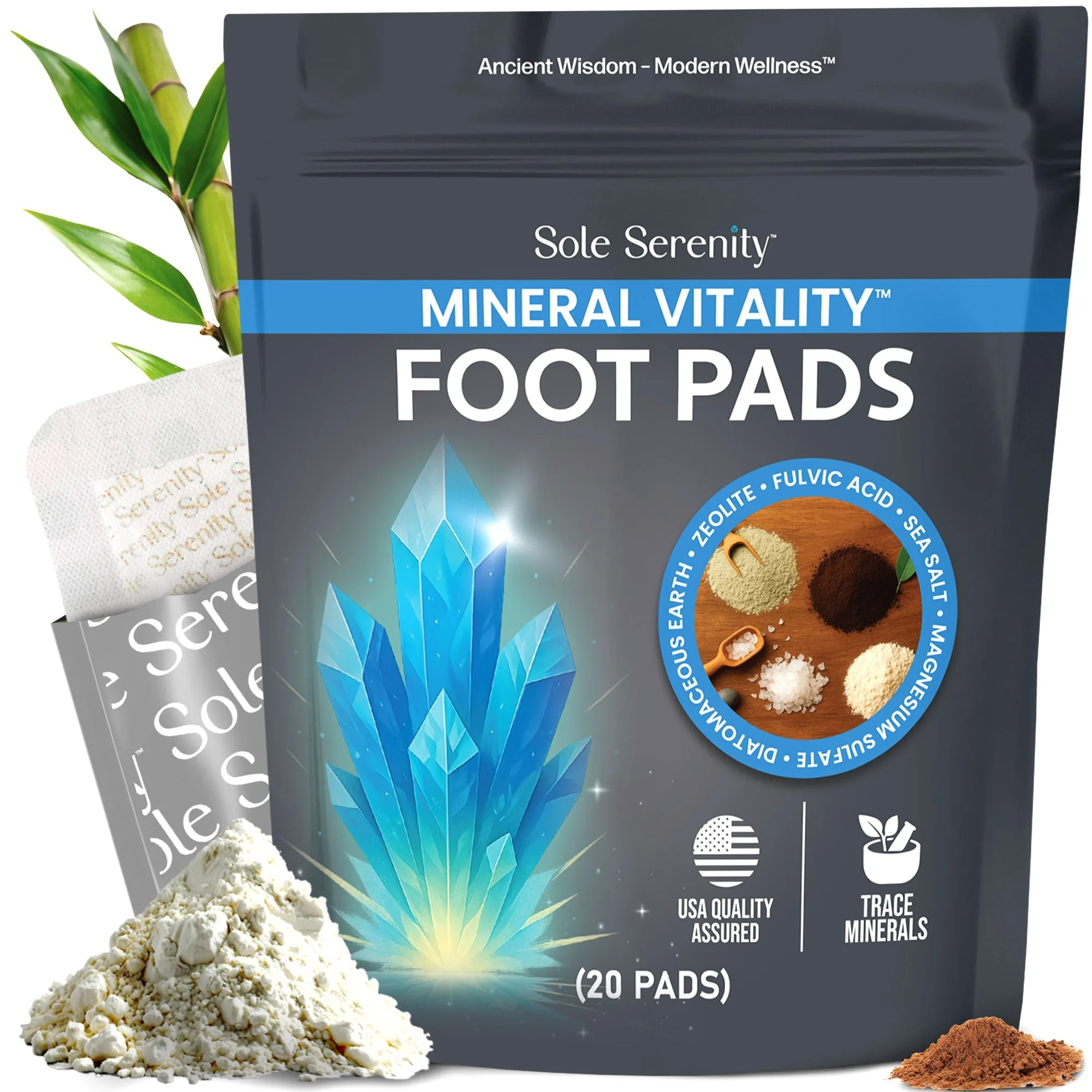
- Mineral Vitality Detox Foot Pads with Fulvic Acid, Sea Salt, Magnesium: These foot pads work while you sleep to help restore mineral balance, support natural detoxification, and promote deep relaxation. Pair your diffuser's nighttime scent with these pads for a comprehensive evening wellness routine.
Finding Your Perfect Diffuser Match
Best for
- Ultrasonic diffusers are best for everyday home use, adding gentle fragrance and humidity to bedrooms, living rooms, and offices.
- Nebulizers are best for aromatherapy enthusiasts who want a strong, pure scent for therapeutic sessions without water dilution.
Not for
- Ultrasonic diffusers are not for those who need a very intense aroma or who dislike any water-based mist.
- Nebulizers are not for budget-conscious buyers or those who prefer silent operation and minimal cleaning.
Choosing the right essential oil diffuser comes down to your space, scent preferences, and lifestyle. Use the decision rules above to narrow your options, and don't forget to factor in maintenance and noise. With the right diffuser, you'll enjoy a consistent, pleasant aroma that enhances your well-being. Explore Spa & Bodywork Market for complementary products to elevate your aromatherapy routine.