Quick answer
Always dilute essential oils with a carrier oil before applying to skin; typical concentrations are 1–2% for adults. Store oils in dark glass bottles away from heat and light to preserve potency. Perform a patch test on your inner forearm 24 hours before first use. Never ingest essential oils without professional guidance.
How to dilute essential oils for skin use
Dilution means mixing essential oil with a carrier oil such as jojoba, almond, or fractionated coconut oil. For adults, start with a 1% dilution (about 6 drops per ounce of carrier) for sensitive areas or daily use, and 2% (12 drops per ounce) for targeted spot treatment. Children, pregnant women, and elderly users should use lower concentrations, typically 0.5–1%. Never apply undiluted essential oil to skin unless a qualified aromatherapist advises otherwise.
Essential oil storage: keep them fresh
Essential oils degrade with exposure to light, heat, and oxygen. Store bottles tightly closed in a cool, dark place—a cupboard away from the stove is better than a sunny windowsill. Citrus oils oxidize fastest (6–12 months), while resins and woods can last several years. If a oil smells sharply different or looks cloudy, discard it. Refrigeration can extend shelf life but may cause some oils to thicken; let them return to room temperature before use.
How to do a skin patch test
A patch test checks for allergic reaction or irritation. Dilute one drop of essential oil in 1/4 teaspoon of carrier oil. Apply a small amount to the inside of your forearm or behind your ear. Cover with a bandage and wait 24 hours. If you see redness, itching, or swelling, wash the area and do not use that oil. Even if a oil is generally considered safe, individual sensitivities vary.
Tea tree oil safety specifics
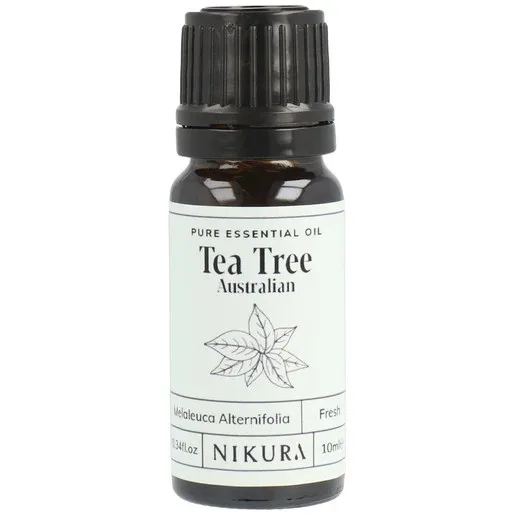
Tea tree oil is often used for blemishes and minor skin issues, but it must be diluted. A common ratio is 1–2 drops of tea tree oil per teaspoon of carrier oil. Do not apply to broken skin or mucous membranes. If you have eczema or sensitive skin, test with a 0.5% dilution first. Tea tree oil is for topical use only; swallowing it can be toxic.
Peppermint oil dilution and precautions
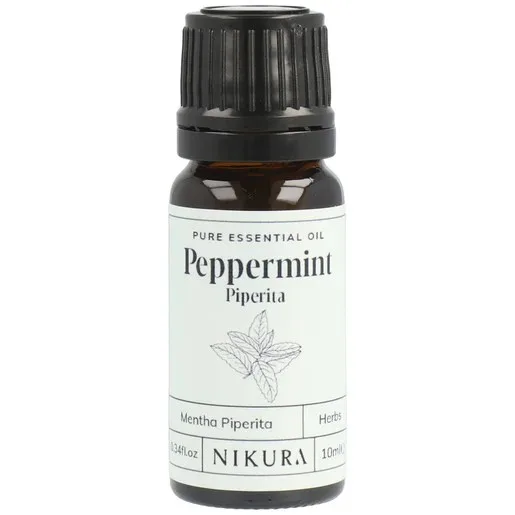
Peppermint oil gives a cooling sensation but can irritate skin if used undiluted. For adults, dilute to 1–2% for muscle massage or headache blends. Avoid applying peppermint oil near the face of infants and young children, as it can cause breathing problems. Do not use peppermint oil on broken skin or in the bath without dispersing it first with a carrier oil or solubilizer.
Essential oil safety FAQ
Can I use essential oils undiluted?
No. Undiluted essential oils can cause burns, irritation, and sensitization. Always mix with a carrier oil for skin application. Dilute to 1–2% for adults.
How long do essential oils last?
Shelf life varies: citrus oils 6–12 months, floral oils 1–2 years, woods and resins 2–3 years. Proper storage extends freshness. Store in dark glass, away from heat and light.
What if I react to a patch test?
Wash the area with soap and water. Do not use that oil again. If reaction is severe, seek medical advice. Always patch test before first use.
Are essential oils safe for children?
Children are more sensitive. Use only gentle oils like lavender or chamomile, and dilute to 0.5% or less. Consult a doctor for children under 2. Avoid peppermint and eucalyptus near young children's faces.
Product facts
- Nikura Tea Tree Essential Oil 10ml - Botanical Glow: 100% pure tea tree essential oil, steam-distilled from Melaleuca alternifolia leaves. Known for purifying and cleansing properties. Tea tree oil is a common choice for blemish-prone skin, but it must be diluted to avoid irritation.
- Nikura Peppermint Essential Oil 10ml - Botanical Glow: 100% pure peppermint essential oil, steam-distilled from Mentha Piperita leaves. Cooling and invigorating scent. Peppermint oil is versatile for home and wellness routines, but dilution is key to prevent skin sensitivity.
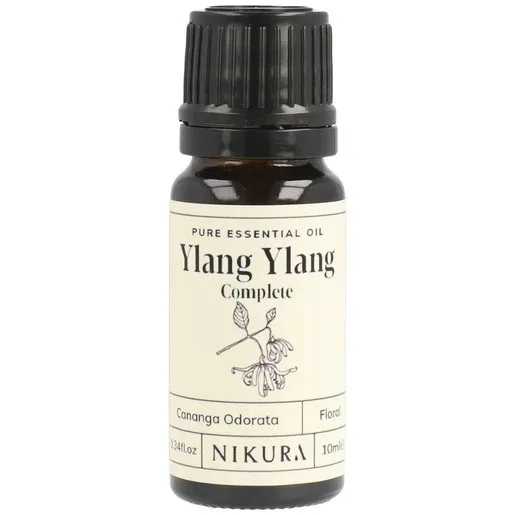
- Nikura Ylang Ylang Essential Oil 10ml - Botanical Glow: 100% pure ylang ylang essential oil, steam-distilled from Cananga odorata blossoms. Sweet floral aroma used in aromatherapy for relaxation. Ylang ylang is often used for its calming scent; dilute it for skin application to avoid sensitization.