Quick Answer
For your first candle, start with a single essential oil like lavender or eucalyptus in a soy or beeswax base. Use about 30 drops per 4 ounces of wax, and always test the scent throw before scaling up. If you want variety, a pre-blended set like the TOLEVITA Essential Oils Set is a budget-friendly way to experiment.
Making your own candles is a satisfying way to fill your home with natural scents, but the essential oils you choose can make or break the result. Unlike synthetic fragrance oils, essential oils are volatile and can behave differently when heated, so a little knowledge goes a long way.
This guide covers the basics of choosing and blending essential oils for candle making, including scent strength, safety, and how to test your creations. Whether you're a hobbyist or a small-batch seller, these tips will help you craft candles that smell great and burn clean.
Why Essential Oils Are Different from Fragrance Oils
Essential oils are natural plant extracts, while fragrance oils are often synthetic. This difference matters in candle making because essential oils have lower flash points and evaporate more quickly when heated. They also tend to have lighter scent throws than their synthetic counterparts, so you may need to use more oil or choose oils with strong aromatic profiles.
Another consideration is cost. Essential oils are usually more expensive per ounce than fragrance oils, but many crafters prefer them for their natural appeal and aromatherapy benefits. If you're making candles for relaxation or wellness, essential oils can align better with your intention.
- Start with a small batch to test scent strength before committing to a large pour.
- Keep a record of the oil-to-wax ratio you used for each candle.
How to Choose the Best Essential Oils for Candles
Not all essential oils are created equal when it comes to candle making. Some, like citrus oils, are prone to fading when exposed to heat and light, while others like patchouli and sandalwood are known for their staying power. For a beginner, it's wise to start with oils that are widely used and forgiving, such as lavender, eucalyptus, or sweet orange.
If you're drawn to aromatherapy oils for candles, consider the mood you want to create. Lavender and chamomile are calming, while peppermint and eucalyptus are invigorating. Blending a top note (like citrus) with a base note (like cedarwood) can create a more complex and balanced scent.
- Top notes: citrus, bergamot, lemongrass – fresh but fade quickly.
- Middle notes: lavender, rosemary, geranium – the heart of the blend.
- Base notes: patchouli, sandalwood, vanilla – long-lasting and grounding.
Scent Blending Basics for Candles
Candle making scent blending is both an art and a science. A simple rule is to use a 2:1:1 ratio of top, middle, and base notes. For example, 2 parts sweet orange, 1 part lavender, and 1 part patchouli can create a warm, inviting scent. But don't be afraid to trust your nose – your favorite combination might break the rules.
When blending, keep in mind that some oils are stronger than others. A drop of peppermint can overpower a blend, while a drop of vanilla might barely register. Start with small amounts and add gradually, smelling as you go. Always let the blend sit for a few hours to allow the scents to meld before making a final judgment.
- Write down your blend recipes and label them clearly.
- Use a glass dropper or pipette for precise measuring.
How Much Essential Oil to Use in Candles
A common rule of thumb is to use about 30 drops (roughly 1.5 ml) of essential oil per 4 ounces (about 113 grams) of wax. This translates to roughly a 6% fragrance load, which is a safe starting point for most essential oils. However, some waxes hold scent better than others, so you may need to adjust.
If you're using a pre-blended set like the TOLEVITA Essential Oils Set, you can experiment with different oils without committing to full bottles. The set includes six 10 ml bottles, which is enough for multiple test batches. Remember that more oil doesn't always mean a stronger scent – too much can cause the candle to smoke or the scent to become muddled.
- Always measure by weight when possible, as drops can vary in size.
- Test your candle after 24-48 hours of curing for the true scent throw.
Safety and Practical Tips for Beginners
Safety is non-negotiable when working with essential oils and hot wax. Always work in a well-ventilated area, and never leave melting wax unattended. Essential oils are flammable, so keep them away from open flames until the candle is fully set. Also, be cautious with citrus oils, which can increase photosensitivity if they come into contact with skin – though this is less of a concern in candles.
Another tip is to add essential oils to the wax when it's just above the melting point, around 180°F (82°C), but not boiling. Adding oil to overly hot wax can cause the scent to evaporate quickly. Stir gently and thoroughly to ensure even distribution before pouring.
- Use a thermometer to monitor wax temperature.
- Clean your equipment thoroughly between batches to avoid scent contamination.
Decision Rules for Choosing Essential Oils for Candles
- Single scent or blend?: If you're a beginner, start with a single essential oil to learn how it behaves in wax. Once you're comfortable, move to blends to create more complex aromas. Start simple, then experiment.
- Scent throw priority: If you want a strong scent throw, choose oils known for their staying power, like patchouli or cedarwood. If you prefer a subtle aroma, lighter oils like lavender or lemon are better. Match oil choice to your desired intensity.
- Budget and variety: A pre-blended set offers multiple oils at a lower cost per bottle, letting you test different scents without a large upfront investment. Individual larger bottles are more economical if you already know your favorite. Use a set to explore; buy singles when you're sure.
Products to Consider
- Essential Oils Set, Aromatherapy Oils for Diffusers, Humidifiers, Massage, Candle Making & Soap Making, 6 x 10 ml: The TOLEVITA Essential Oils Set includes six versatile essential oils designed for aromatherapy and DIY projects like candle making and soap making. This set gives you a variety of scents to experiment with without buying full-size bottles, making it ideal for beginners who want to try different blends.
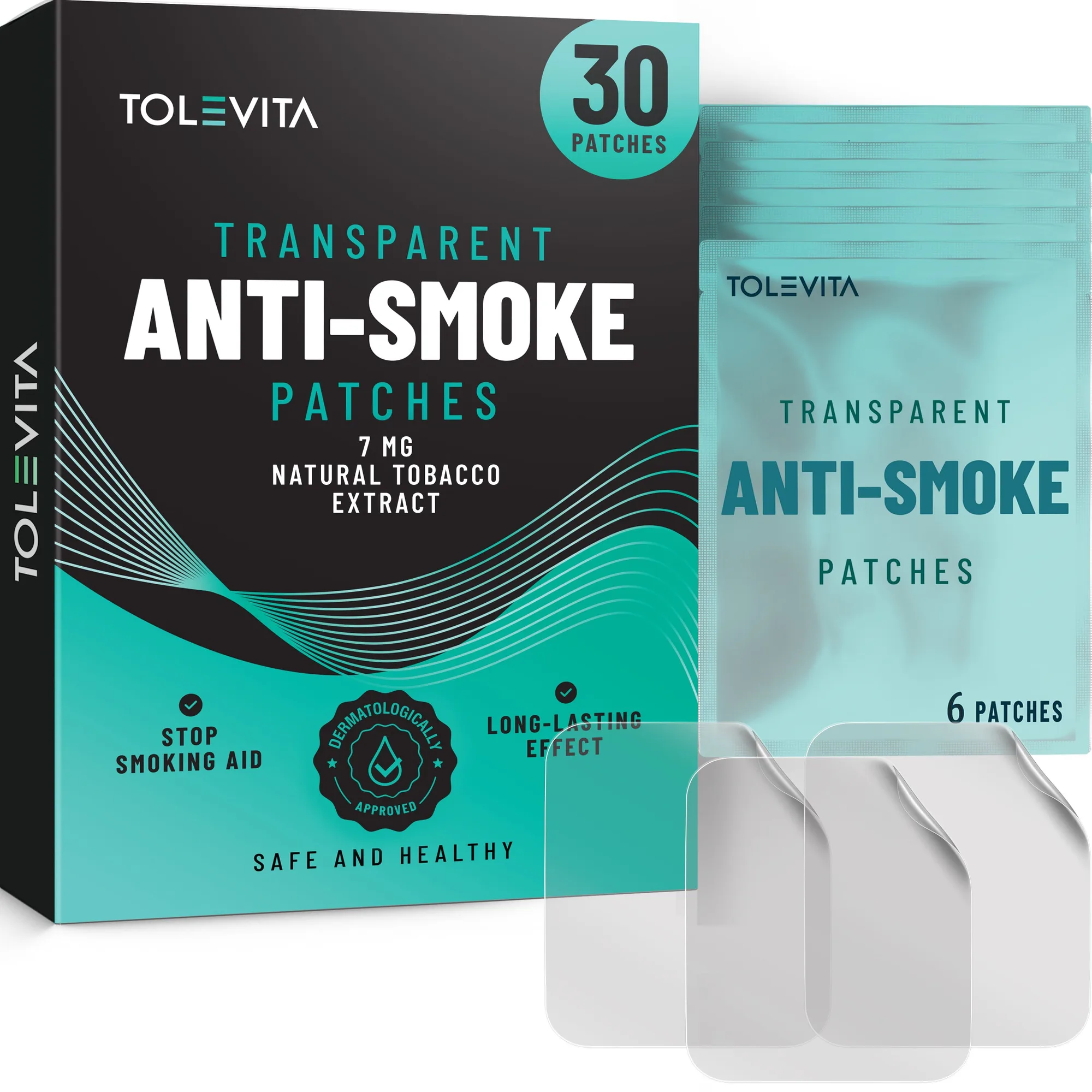
- Anti-Smoke Herbal Patches Transparent, Quit Smoking Aid to Reduce Cravings, 30 Patches: These transparent patches are formulated with a blend of herbal ingredients to help reduce smoking cravings and support a healthier lifestyle. If you're making candles to create a relaxing environment while trying to quit smoking, pairing your aromatherapy with these patches can support your wellness routine.
Who This Guide Is For
Best for
- Hobbyists making their first candles at home and wanting natural scents
- Small-batch crafters looking to expand their scent library affordably
Not for
- Professional candle makers who need precise, consistent scent formulations
- Those seeking synthetic fragrance oils for maximum scent throw
With the right essential oils and a bit of practice, you can create candles that fill your home with natural, personalized scents. Start with a simple blend, test your results, and don't be afraid to adjust your ratios. Whether you're crafting for relaxation or as a gift, these tips will help you make candles you're proud of.