Home canning and preserving have seen a remarkable resurgence in recent years, driven by a desire for sustainable living, seasonal eating, and the satisfaction of crafting your own jams, pickles, and sauces. Whether you are a seasoned preserver or a curious beginner, having the right tools can make the process safer, more efficient, and far more enjoyable. From sturdy jars and reliable lids to specialized ladles and kitchen helpers, each tool plays a vital role in ensuring your preserved goods are both delicious and shelf-stable.
In this guide, we will walk you through the essential equipment for canning and preserving at home, with practical tips on what to look for and how to use each item. We will also highlight a few standout products from East Fork that can elevate your preserving game, including the versatile Little Garden Snips and the flavorful Ramp Salt. By the end, you will feel confident assembling your own canning toolkit and ready to fill your pantry with homemade treasures.
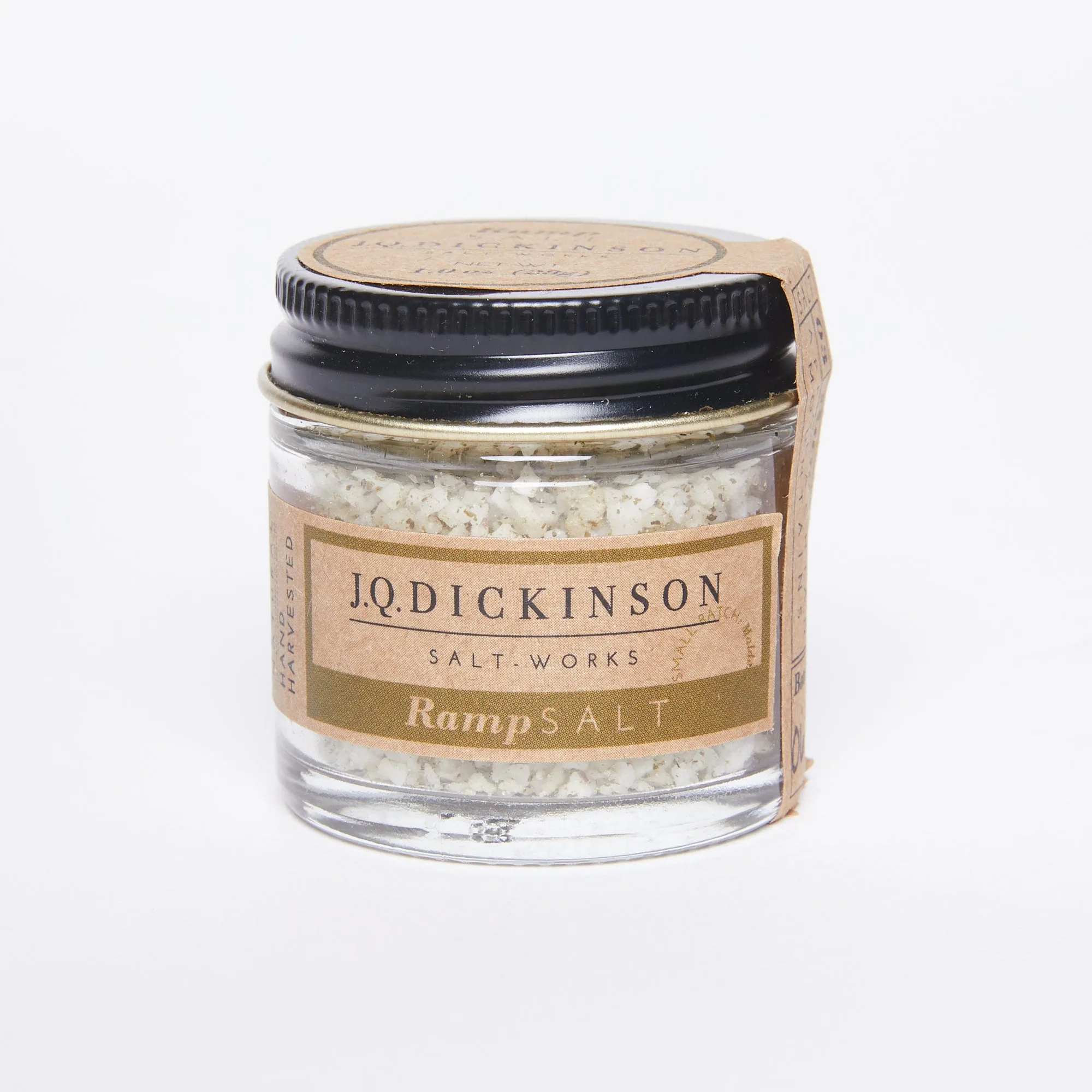
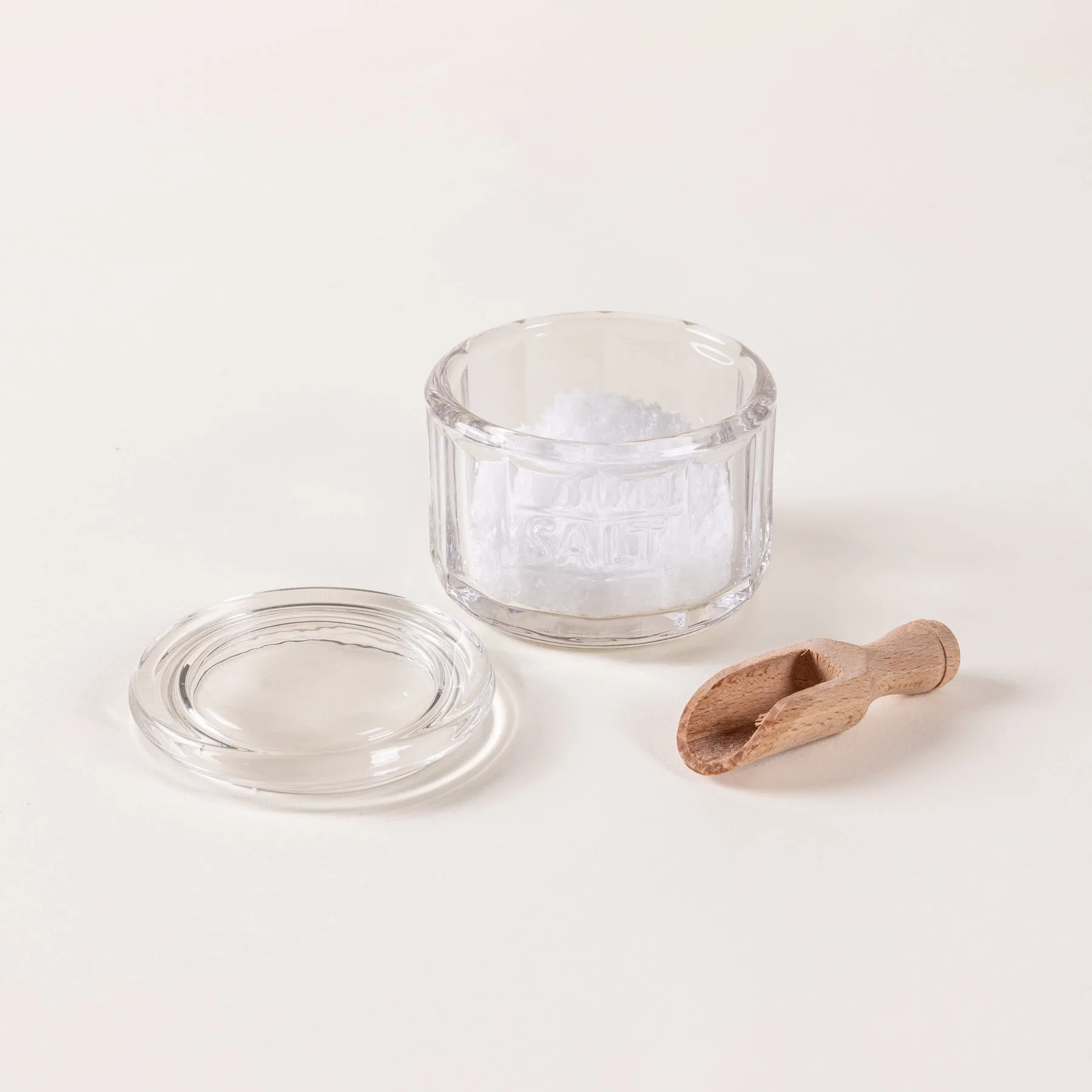
Ramp Salt
The Foundation: Canning Jars, Lids, and Bands
The cornerstone of any canning operation is a reliable set of jars. Mason jars, available in various sizes from half-pints to quarts, are the industry standard. Look for jars made of tempered glass that can withstand high heat during water bath or pressure canning. The two-piece lid system—a flat metal lid with sealing compound and a screw band—ensures an airtight seal. Always inspect jars for cracks or chips before use, and never reuse lids intended for single use to guarantee a proper seal.
When selecting jars, consider what you plan to preserve. Wide-mouth jars are easier to fill with chunky salsas or pickles, while regular mouths work well for jams and jellies. It is wise to start with a mixed set of sizes so you can experiment with different recipes. Remember to leave the recommended headspace—usually 1/4 to 1/2 inch—to allow for expansion during processing.
- Choose tempered glass jars designed for canning to avoid breakage.
- Always use new lids for each batch to ensure a proper vacuum seal.
- Wide-mouth jars are ideal for chunky preserves; regular mouths suit jams and liquids.
Essential Tools for Filling and Handling
Beyond jars, a few specialized tools make the canning process smoother and safer. A jar funnel with a wide rim helps transfer hot liquids and solids into jars without spills. A canning ladle, often with a built-in hook to rest on the pot edge, allows precise pouring. Jar lifters with rubber grips are indispensable for safely lowering and raising hot jars in boiling water. A bubble remover and headspace tool—often a thin plastic or metal stick—helps release trapped air and measure headspace.
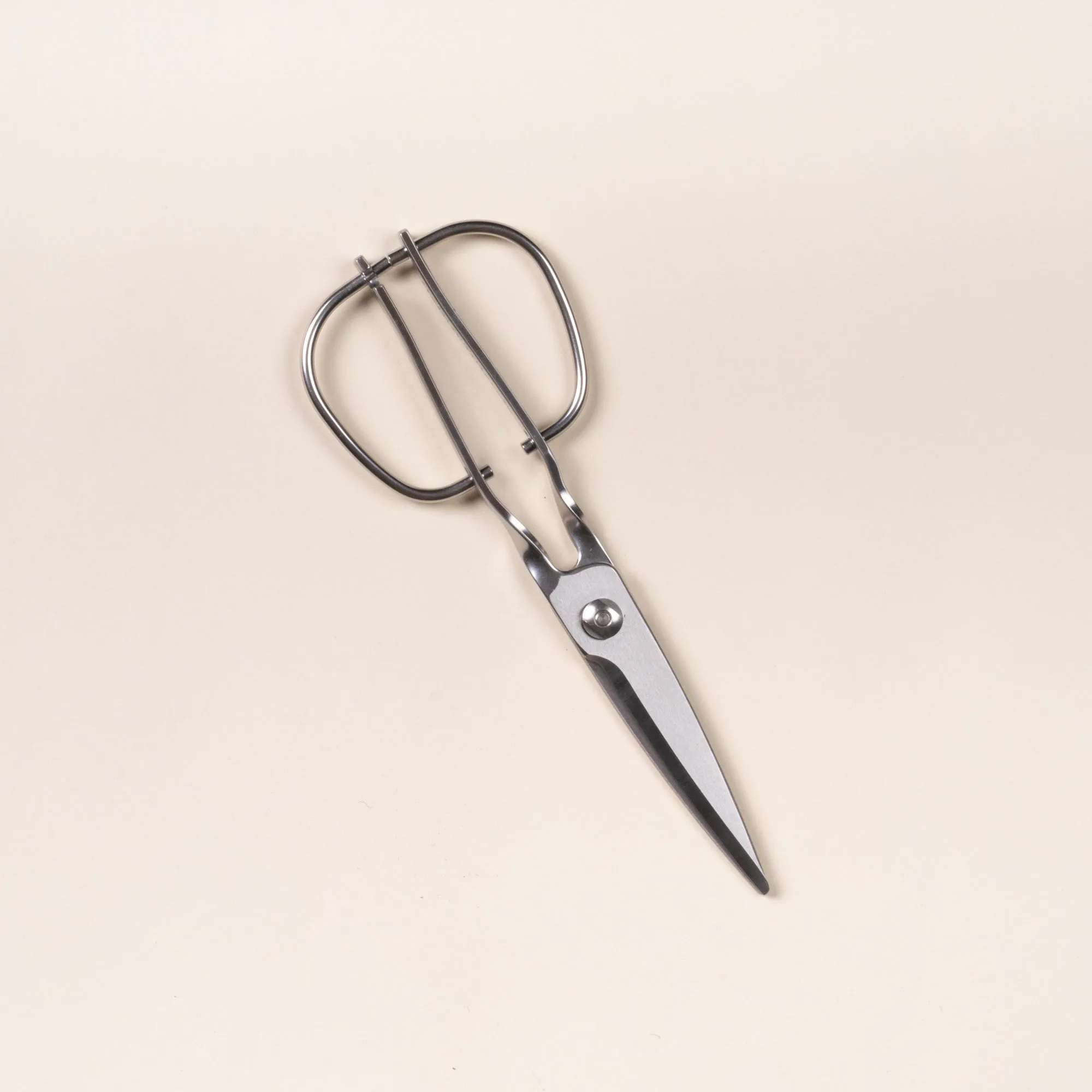
These tools are relatively inexpensive and can be found at most kitchen supply stores or online. Investing in a quality set will save you from burned fingers and messy countertops. For those who enjoy gardening, the Little Garden Snips are perfect for snipping fresh herbs or trimming produce before preserving, making them a handy companion in the kitchen.
- A jar funnel prevents spills and keeps jar rims clean for sealing.
- Use a jar lifter with rubber grips to avoid burns when handling hot jars.
- A bubble remover tool ensures even packing and proper headspace.
Prepping Produce and Adding Flavor
Great preserves start with fresh, high-quality ingredients. Having the right prep tools can speed up your workflow and improve results. A sharp chef's knife and a sturdy cutting board are essentials, but specialized items like a vegetable peeler, cherry pitter, or apple corer can make short work of large batches. For gardeners, the Little Garden Snips are excellent for harvesting herbs, trimming stems, or cutting twine for tying herb bundles.
Flavor is just as important as technique. While sugar and vinegar are classic preserving agents, creative seasonings can set your creations apart. Ramp Salt, made from wild ramps and sea salt, adds a savory, garlicky note to pickled vegetables or fermented condiments. A pinch can transform a simple cucumber pickle into a gourmet treat. Similarly, Momofuku Tingly Salt brings a unique blend of Sichuan peppercorn and salt that can elevate pickled radishes or green beans with a numbing, citrusy kick.
- Use fresh, in-season produce for the best flavor and texture.
- Specialty salts like Ramp Salt or Momofuku Tingly Salt add distinctive flavor profiles.
- Little Garden Snips are ideal for harvesting and trimming herbs right before preserving.
Processing Equipment: Pots and Racks
Proper heat processing is critical for safe preservation. A water bath canner—essentially a large pot with a fitted rack—is used for high-acid foods like fruits, jams, and pickles. For low-acid vegetables, meats, and soups, a pressure canner is required to reach temperatures high enough to kill harmful bacteria. Both types of canners come with racks that keep jars off the bottom of the pot, allowing water to circulate evenly.
If you are just starting, a water bath canner is more accessible and less expensive. Many home cooks already own a large stockpot that can double as a canner with the addition of a rack. For those who want to invest in a dedicated setup, look for enameled or stainless steel pots that resist rust and are easy to clean. Always follow manufacturer instructions for processing times and altitudes to ensure safety.
- A water bath canner works for high-acid foods; a pressure canner is needed for low-acid items.
- Use a rack to prevent jars from touching the pot bottom and cracking.
- Adjust processing times based on your altitude—check local guidelines.
Labeling, Storing, and Enjoying Your Preserves
Once your jars are processed and cooled, check the seals by pressing the center of each lid—it should not pop back. Label each jar with the contents and date, then store them in a cool, dark place. Properly sealed canned goods can last up to a year, though flavors may peak within a few months. Avoid storing jars in direct sunlight or near heat sources, as this can degrade quality.
When it is time to enjoy your preserves, serve them with pride. A beautiful tablecloth like the Soho Plaid Tablecloth can set the stage for a brunch featuring your homemade jams and pickles. Pair your creations with crusty bread, cheese, and perhaps a drizzle of Ginger Syrup over fruit for a simple dessert. The satisfaction of opening a jar of your own handiwork is unmatched, and the right tools make the journey from garden to pantry both rewarding and delicious.
- Test seals after cooling—lids should be concave and not flex when pressed.
- Label jars with content and date for easy inventory management.
- Store in a cool, dark place to maximize shelf life and flavor.
Whether you are putting up summer tomatoes, fermenting spicy pickles, or crafting fruit preserves, having the right canning tools transforms a daunting task into a joyful ritual. East Fork offers a curated selection of kitchen and garden essentials to support your preserving journey. Explore the Little Garden Snips and Ramp Salt to enhance your next batch, and discover how thoughtful tools can make home preserving a lasting tradition.