Quick answer
Choose Ethiopia Sakicha if you prefer bright, tea-like, citrusy coffees; choose China Fuyan if you enjoy heavier, fruity, and sweet naturals. Both are excellent single-origin options, but their flavor profiles and processing set them apart.
Processing difference: washed vs natural
The most significant difference between these two coffees is their processing method. Ethiopia Sakicha is washed, which typically produces a cleaner, more tea-like cup with bright acidity. China Fuyan is natural, meaning the coffee cherries are dried with the fruit intact, resulting in a heavier body and pronounced fruity, fermented notes.
This processing difference directly influences the flavor notes you'll experience. Washed coffees like Sakicha highlight the variety's intrinsic character, while naturals like Fuyan amplify sweetness and fruit intensity. If you're new to specialty coffee, understanding this can help you predict which profile you'll enjoy.
Altitude and origin impact
Altitude plays a key role in coffee flavor development. Ethiopia Sakicha is grown at 1,980–2,150 masl, which is high enough to promote slower cherry maturation and more complex acidity. China Fuyan is at 1,600 masl, a moderate altitude that often yields a rounder, sweeter cup with less sharp acidity.
Both origins are known for distinctive profiles: Guji, Ethiopia, is celebrated for vibrant, complex coffees, while Yunnan, China, is gaining recognition for its clean, sweet naturals. These regional characteristics are evident in the tasting notes.
How to choose between them
- Flavor preference: Pick Ethiopia Sakicha if you like bright, citrusy, tea-like notes. Pick China Fuyan if you prefer sweet, fruity, and liqueur-like flavors. Consider your go-to fruit flavors: melon and citrus vs. cherry and grape.
- Processing style: Washed processing (Sakicha) gives a cleaner, more delicate cup. Natural processing (Fuyan) delivers a heavier body and more pronounced fruit. If you're new to naturals, be ready for a more intense, wine-like aroma.
- Brewing method: Both work for pour-over and espresso, but Sakicha's brightness shines in pour-over, while Fuyan's body suits espresso or French press. Match your brewing gear to the profile you want to highlight.
Product facts at a glance
-
Ethiopia, Sakicha: Ethiopia Sakicha is a washed coffee from Guji, Oromia, grown at 1,980–2,150 masl, with notes of Clementine, Melon, and Black Tea. If you enjoy bright, citrusy, and tea-like coffees with a clean finish, this washed Ethiopian is a great match.
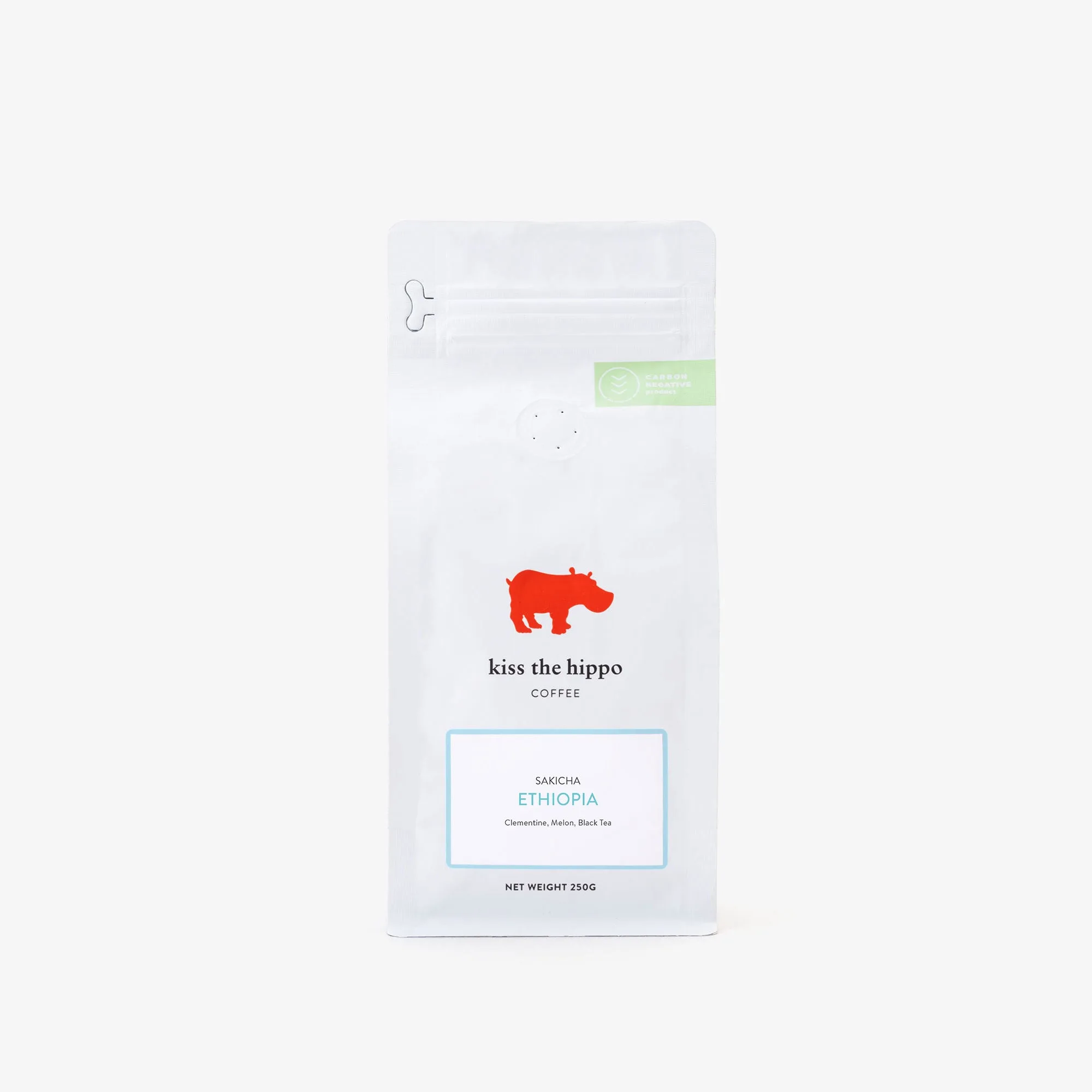
Ethiopia, Sakicha
-
China, Fuyan: China Fuyan is a natural-processed coffee from Yunnan at 1,600 masl, with notes of Cherry Liqueur, Red Grape, and Brown Sugar. If you prefer full-bodied, sweet, and fruity coffees with a boozy complexity, this natural Chinese coffee will satisfy your palate.
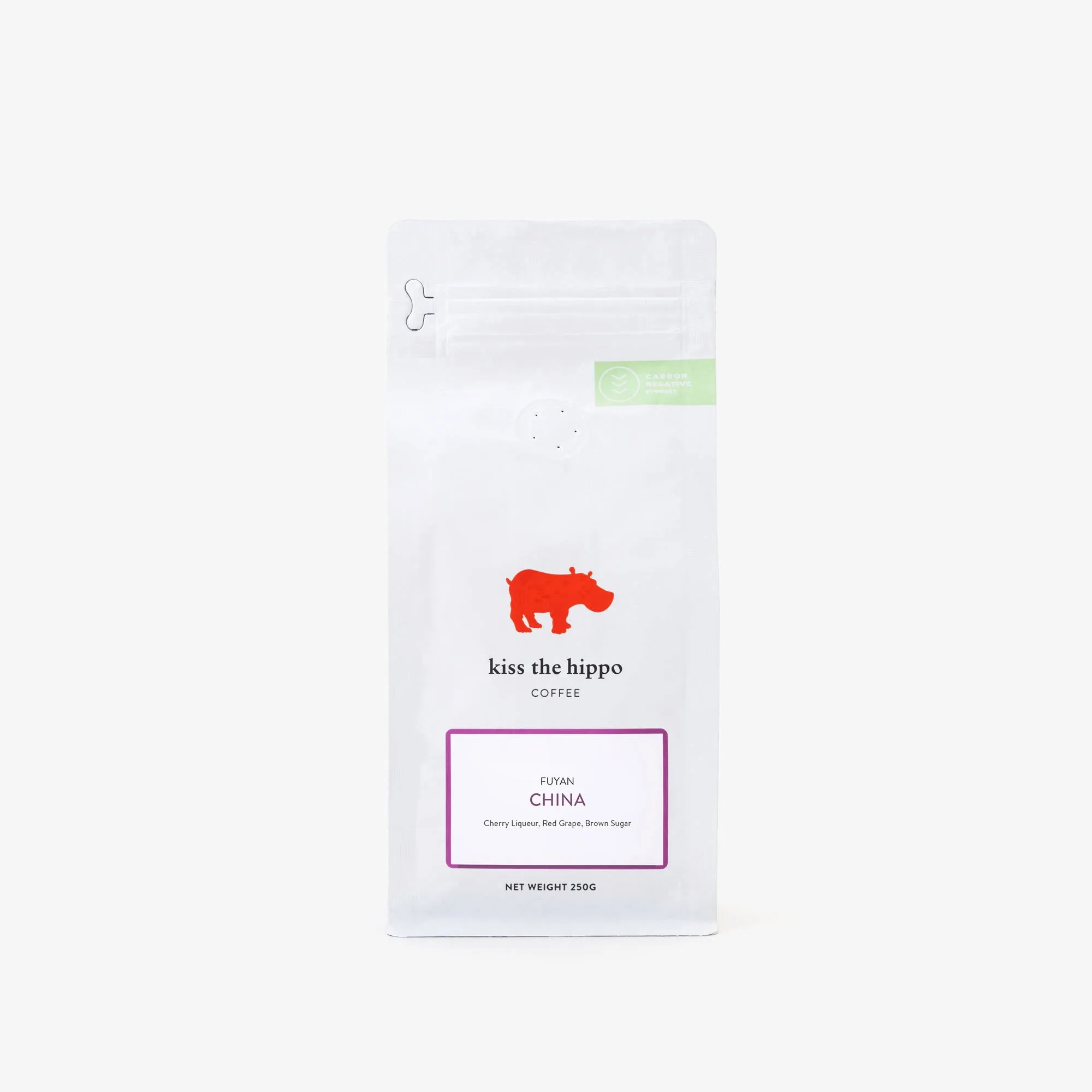
China, Fuyan
Which one fits you?
Best for
- Ethiopia Sakicha: those who enjoy bright, tea-like coffees with citrus and melon notes, and prefer a clean, washed cup.
- China Fuyan: those who like bold, sweet, and fruity coffees with a heavier body, and enjoy natural-processed flavors.
Not for
- If you dislike fermented or wine-like flavors, China Fuyan may be too intense; choose Sakicha instead.
- If you prefer low-acidity, chocolatey coffees, neither may be ideal; consider a Brazilian or Sumatran option.