The M1 carbine, a lightweight semi-automatic rifle issued to support troops and paratroopers during World War II, is one of the most iconic firearms of the conflict. Yet, its sling—a seemingly simple accessory—underwent a fascinating evolution that mirrored the changing needs of the U.S. military. From the early web slings to the later leather designs, the M1 carbine sling history is a story of adaptation, standardization, and battlefield necessity.
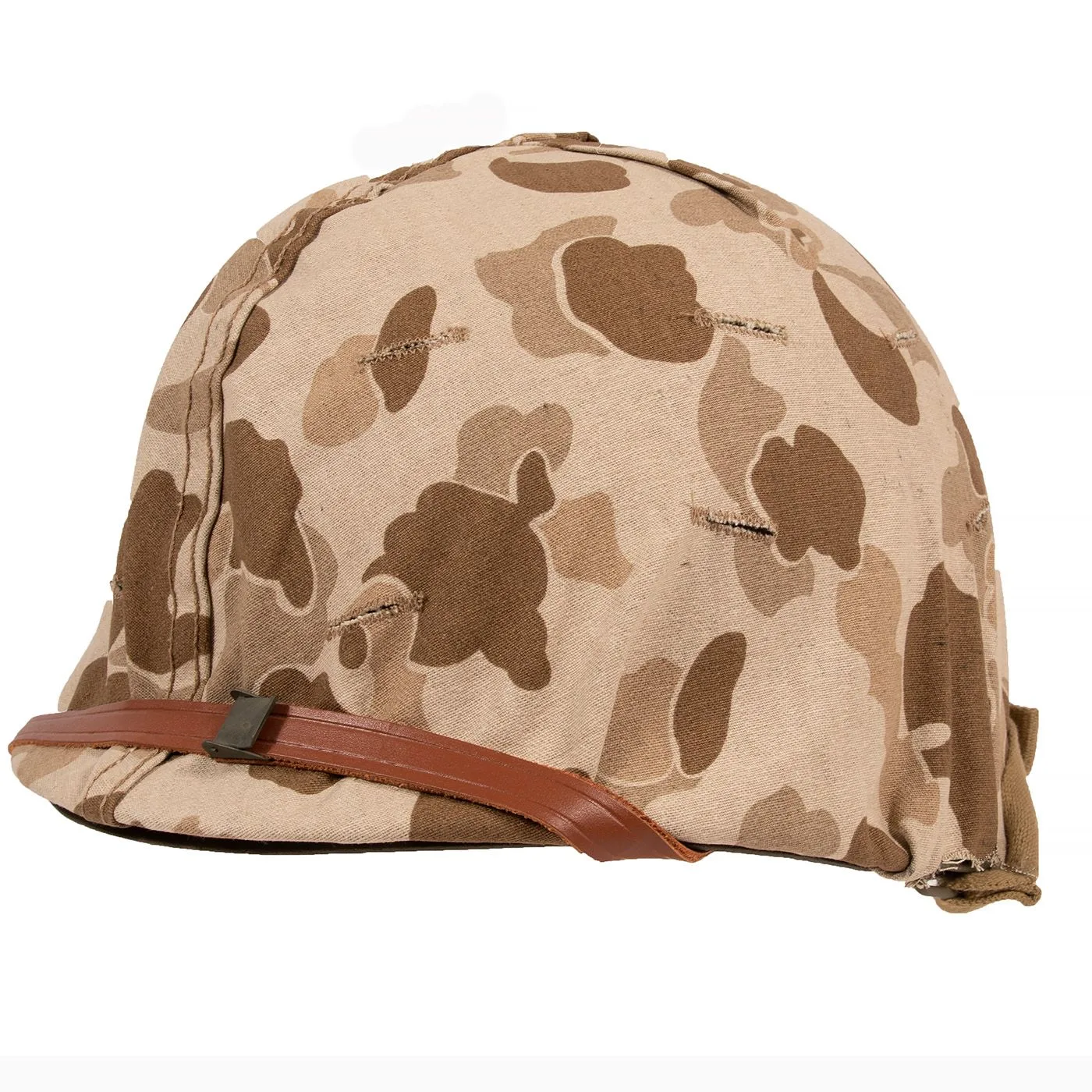
In this article, we’ll trace the development of the M1 carbine sling through WWII, examining the materials, designs, and regulations that shaped it. We’ll also highlight related gear that collectors and reenactors should know, including the USMC Musette Bag and the https://wildernessworks.shop/products/marsh-helmet-cover-original-material-99332https://wildernessworks.shop/products/marsh-helmet-cover-original-material-99345Marsh Helmet Cover, Original Material, which complement any period-correct impression.
The Early Web Slings: 1941–1942
When the M1 carbine was first introduced in 1941, it was issued with a simple cotton web sling, similar to those used on the M1 Garand but narrower. These early slings were 1 inch wide and featured a metal buckle for adjustment. They were lightweight and inexpensive to produce, but soldiers quickly found them lacking in durability. The web material frayed under heavy use, and the buckles could rust in humid conditions.
The initial design was a direct adaptation from the M1907 rifle sling, but the carbine’s shorter length and lighter weight demanded a different approach. By 1942, the U.S. Ordnance Department began experimenting with leather slings, which offered better longevity and a more secure grip. However, leather was more expensive and required careful treatment to prevent cracking. This period saw a mix of web and leather slings in the field, depending on unit and availability.
- Early web slings were 1-inch wide cotton with metal buckles.
- Leather slings began replacing web versions by late 1942.
The M1 Carbine Sling in the Pacific Theater
In the Pacific, the humid jungle environment posed unique challenges for slings. Web slings absorbed moisture and mildew, while leather could rot if not properly maintained. Troops often improvised, using parachute cord or canvas straps from other equipment. The USMC Musette Bag, a standard-issue pack for Marines, was frequently carried with the carbine, and its shoulder strap sometimes doubled as a sling in a pinch.
The need for a standardized sling became critical. By 1943, the Ordnance Department approved a new leather sling specifically for the M1 carbine. It was 1.25 inches wide, with a brass buckle and a leather keeper. This design remained in production through the end of the war and was also used on the M1A1 paratrooper carbine with its folding stock. Collectors today prize these late-war slings for their authenticity.
- Pacific conditions accelerated the shift to leather slings.
- The 1943 leather sling became the standard for the rest of WWII.
Key Accessories for the M1 Carbine Collector
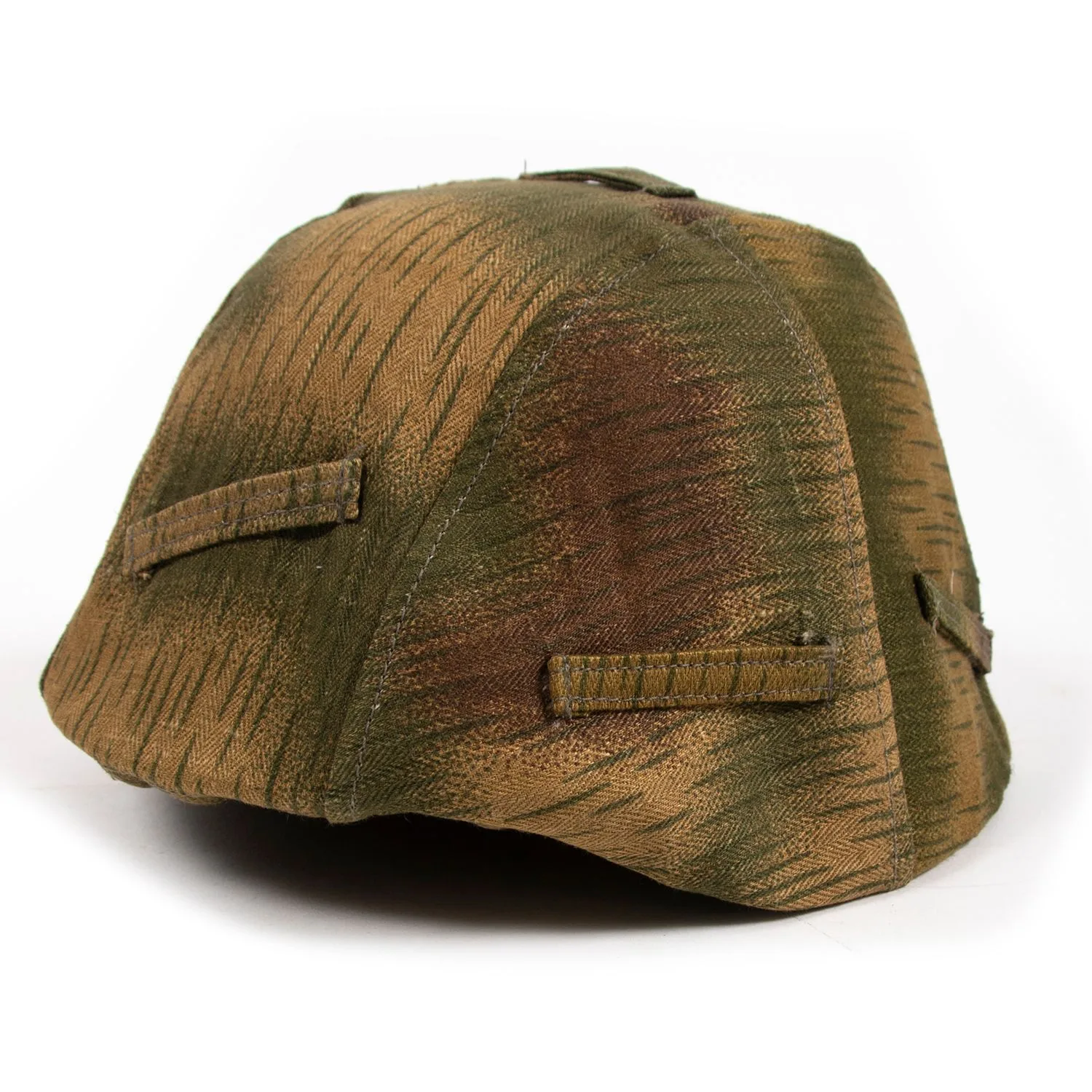
Beyond the sling, several accessories enhance the authenticity of an M1 carbine impression. The Marsh Helmet Cover, Original Material, is a must-have for reenactors portraying late-war or Pacific theater troops. It mimics the original camouflage covers used by Marines and Army units. Similarly, the USMC Musette Bag is perfect for carrying carbine magazines, cleaning kits, and personal items.
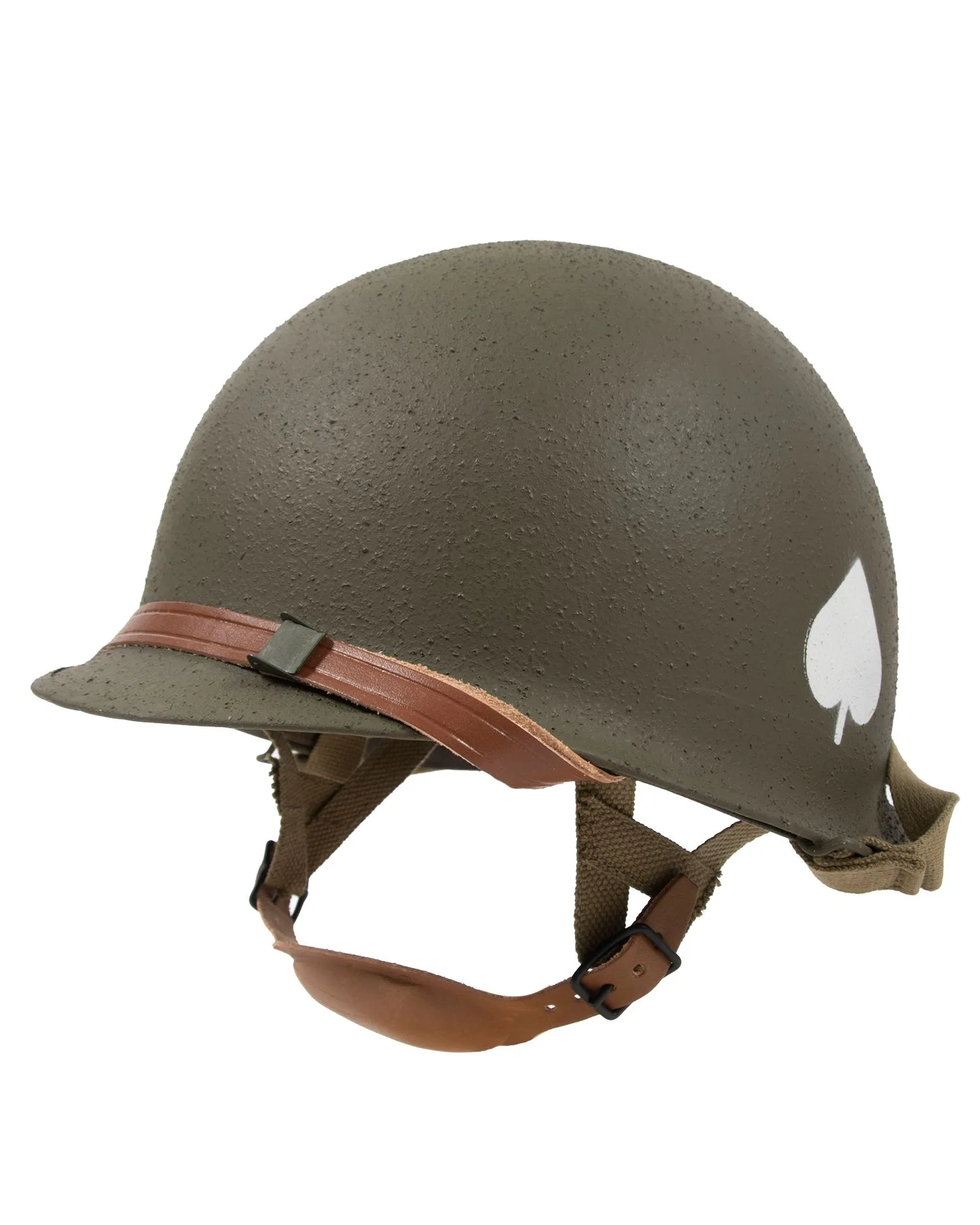
For those restoring original carbines, small hardware like the Helmet Split Pin Set is essential for securing helmet liners, but it also reflects the overall attention to detail that collectors value. And don’t overlook the Embroidered EM Sleeve Eagle, which adds the correct rank insignia to your uniform. These items, paired with a correct sling, complete a historically accurate kit.
- The Marsh Helmet Cover is ideal for late-war impressions.
- The USMC Musette Bag complements the carbine for field use.
- Small hardware like split pins ensures authenticity in restoration.
Caring for Your WWII Carbine Sling
Whether you own an original or reproduction sling, proper care extends its life. Leather slings should be treated with a conditioner like Huberd’s Shoe Grease, which protects against drying and cracking. Apply a small amount with a soft cloth, let it soak in, and buff off excess. Web slings can be gently hand-washed in cold water and air-dried, but avoid machine washing.
For collectors, storing slings in a cool, dry place away from direct sunlight prevents fading and material degradation. If you’re assembling a full kit, consider adding a Medic Equipment Package, Made in USA, to your display—it’s a great companion piece that showcases the broader medical support gear of the era.
- Use Huberd’s Shoe Grease to condition leather slings.
- Store web slings away from sunlight to prevent fading.
The evolution of the M1 carbine sling during WWII reflects the broader story of American military adaptation—from early web designs to durable leather standards. Whether you’re a reenactor, collector, or historian, understanding this progression adds depth to your impression. Explore our selection of authentic reproduction gear, including the USMC Musette Bag, to complete your kit.