Clean beauty has transformed from a niche movement into a global phenomenon, reshaping how we think about makeup and skincare. Once dismissed as a trend for the ultra-conscious, it now sits at the forefront of the beauty industry, influencing everything from ingredient sourcing to packaging. But how did we get here, and where are we headed? In this article, we’ll trace the evolution of clean beauty—from its early roots in natural remedies to today’s science-backed formulations—and explore the beauty trends that are defining the future of cosmetics.
For decades, the beauty industry prioritized performance over safety, using synthetic chemicals without much scrutiny. However, as consumers became more educated about what they put on their skin, the demand for transparency grew. Clean beauty emerged as a response, promising products free from potentially harmful ingredients while still delivering results. Today, brands like Kosas are leading the charge, proving that natural cosmetics can be both effective and luxurious. Let’s dive into the journey of clean beauty and see what lies ahead.
The Past: Origins of Clean Beauty
The concept of clean beauty isn’t new—it dates back centuries to ancient civilizations that used plant-based ingredients for skincare and cosmetics. Cleopatra famously bathed in milk and honey, while Egyptian women used kohl made from natural minerals. However, the modern clean beauty movement began in the 1970s and 1980s, alongside the rise of environmentalism and holistic health. Early pioneers focused on avoiding parabens, sulfates, and synthetic fragrances, but their products often lacked the sophistication of mainstream cosmetics.
In the 2000s, the internet accelerated awareness. Blogs and forums allowed consumers to share ingredient lists and call out questionable additives. This grassroots activism pressured brands to reformulate. By the 2010s, clean beauty had entered the mainstream, with retailers like Sephora creating dedicated 'Clean at Sephora' sections. Yet, early clean products sometimes fell short—they had shorter shelf lives, less vibrant colors, and fewer performance benefits. The challenge was to marry purity with performance, a gap that innovative brands like Kosas began to fill.
- Key milestones: The 1970s natural beauty boom, the 2000s ingredient transparency movement, and the 2010s retail clean beauty sections.
The Present: Clean Beauty Today
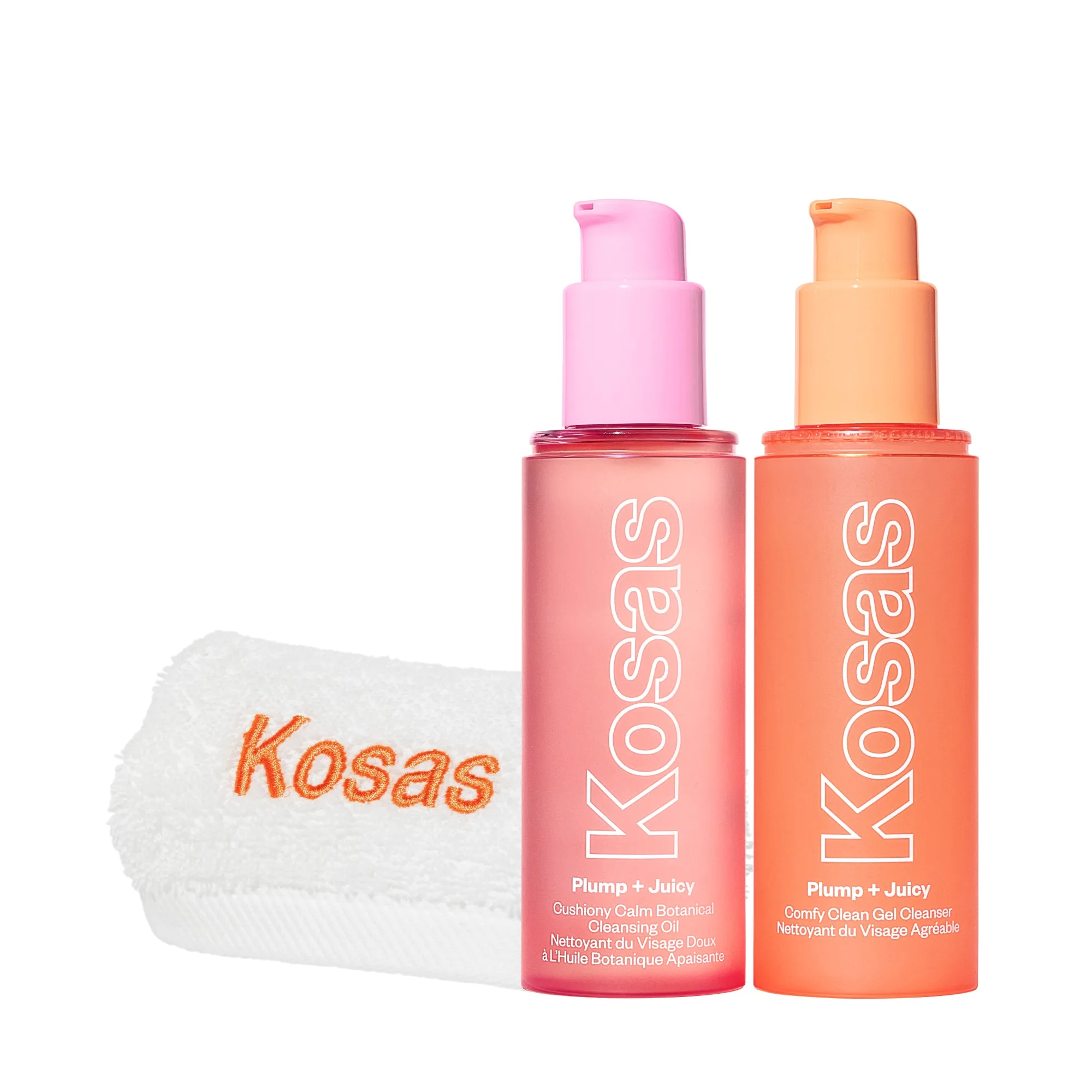
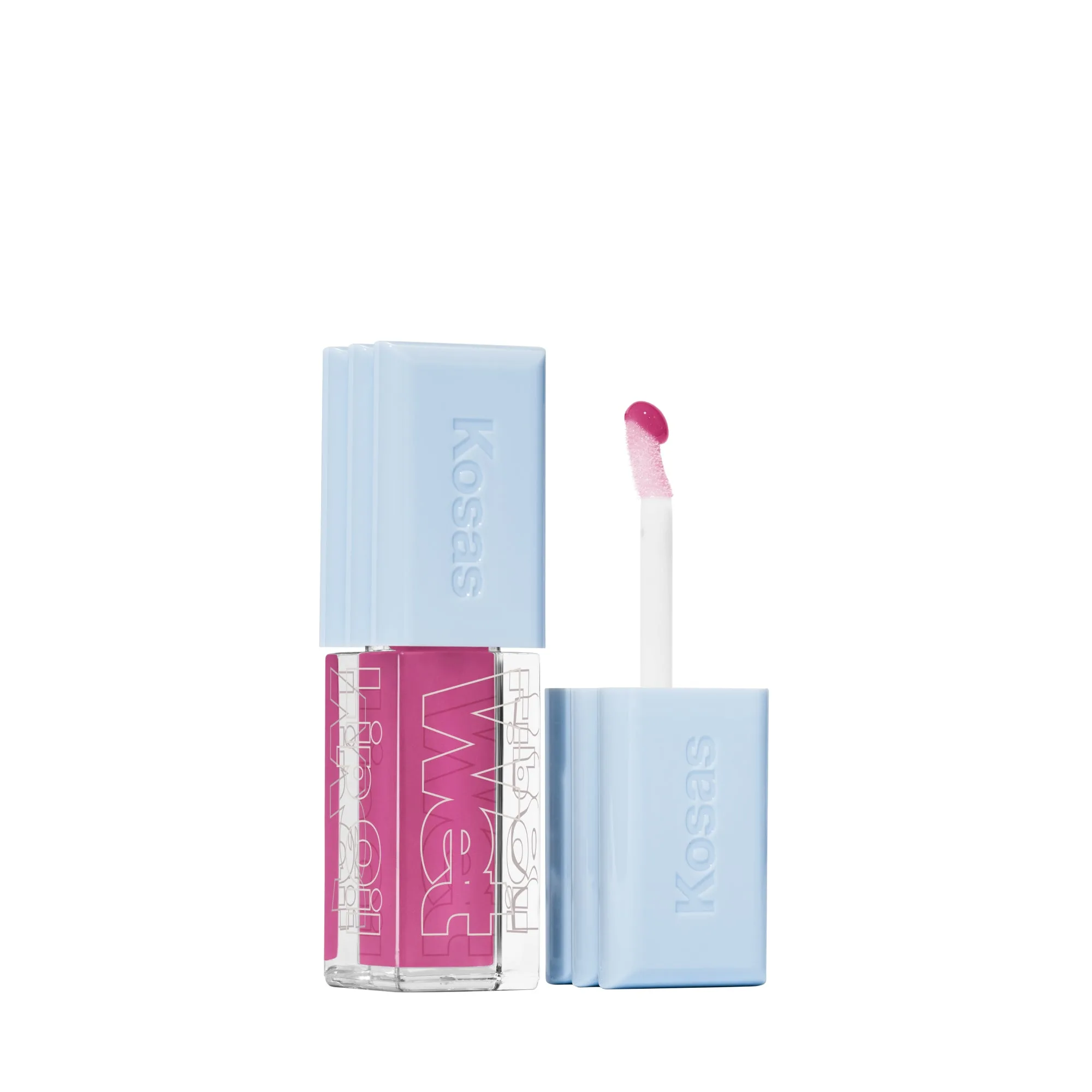
Today, clean beauty is more than a label—it’s a standard. Consumers expect products that are non-toxic, sustainable, and effective. Brands have responded by investing in research to create high-performance natural cosmetics. For example, the Revealer Concealer uses skin-loving ingredients like caffeine and peptides to brighten and treat the under-eye area, while the Plump + Juicy Lip Booster combines hyaluronic acid with peptides for hydrated, fuller-looking lips. These products prove that clean doesn’t mean compromising on results.
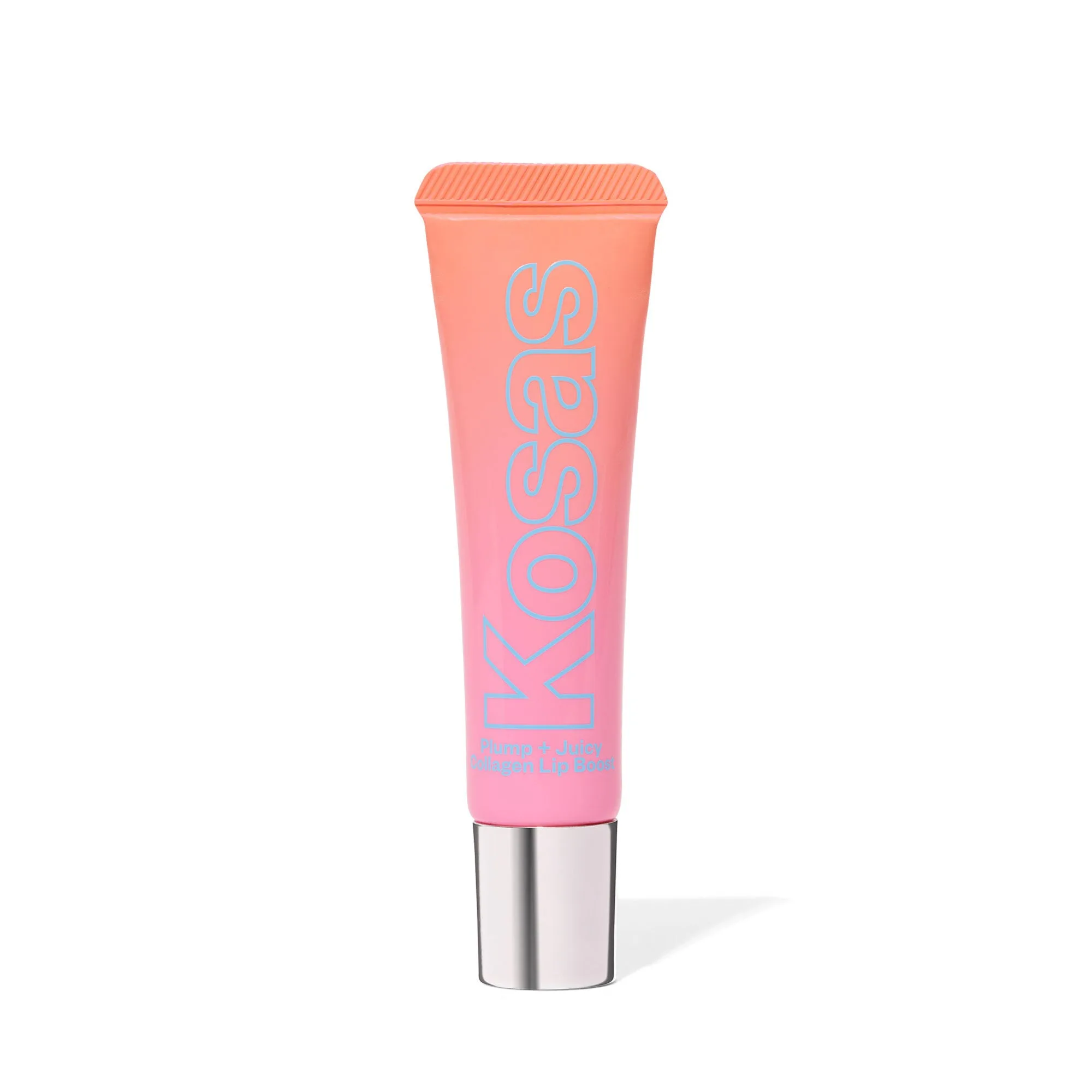
Plump + Juicy Lip Booster
Another major trend is the blurring line between makeup and skincare. Foundations now include SPF, serums are infused into concealers, and lip products offer hydration alongside color. This 'skinification' of makeup reflects a deeper understanding that healthy skin is the best canvas. Additionally, sustainability has become a priority—from refillable packaging to carbon-neutral shipping. Brands are also embracing inclusivity, offering diverse shade ranges and catering to all skin types. The present-day clean beauty landscape is vibrant, innovative, and deeply consumer-driven.
- Current beauty trends: Skinification of makeup, sustainable packaging, inclusive shade ranges, and transparency in ingredient sourcing.
The Future: What’s Next for Clean Beauty
The future of clean beauty looks bright, with several exciting developments on the horizon. One key area is biotechnology—using lab-grown ingredients that are both sustainable and potent. For instance, fermented botanicals and bio-identical actives can mimic natural compounds without depleting resources. Another frontier is personalized beauty, where AI and skin analysis tools help create custom formulations tailored to individual needs. Imagine a foundation that adjusts to your skin’s pH or a moisturizer that changes with the seasons.
Regulation will also play a bigger role. As clean beauty becomes the norm, governments may tighten standards for what constitutes 'clean,' reducing greenwashing. In addition, we’ll see more integration of wellness and beauty—products that not only look good but also support mental health through aromatherapy or adaptogens. The rise of waterless formulations and solid beauty bars will further reduce environmental impact. Ultimately, the future of clean beauty is about holistic health, innovation, and responsibility, with brands like Kosas continuing to lead by example.
- Emerging trends: Biotech ingredients, personalized beauty, stricter regulations, waterless products, and wellness-infused cosmetics.
As clean beauty continues to evolve, it’s clear that this movement is here to stay. By embracing the past’s wisdom, the present’s innovation, and the future’s possibilities, we can make mindful choices that benefit both our skin and the planet. Ready to update your routine with clean, effective products? Explore the Kosas collection, including the Revealer Concealer and Plump + Juicy Lip Booster, and experience the difference that thoughtful formulation makes.