Quick Answer
Handheld gaming has evolved from simple single-game devices to compact systems that pack multiple classics into your pocket. If you want a nostalgic hit without spending much, start with a Pixel Pocket Pro like the Data East or Ms. PAC-MAN model at $15. For a step up with a larger screen and more titles, the All-Star Stadium Nano Player at $17.50 is a solid choice. The right pick depends on whether you value portability, variety, or a specific game library.
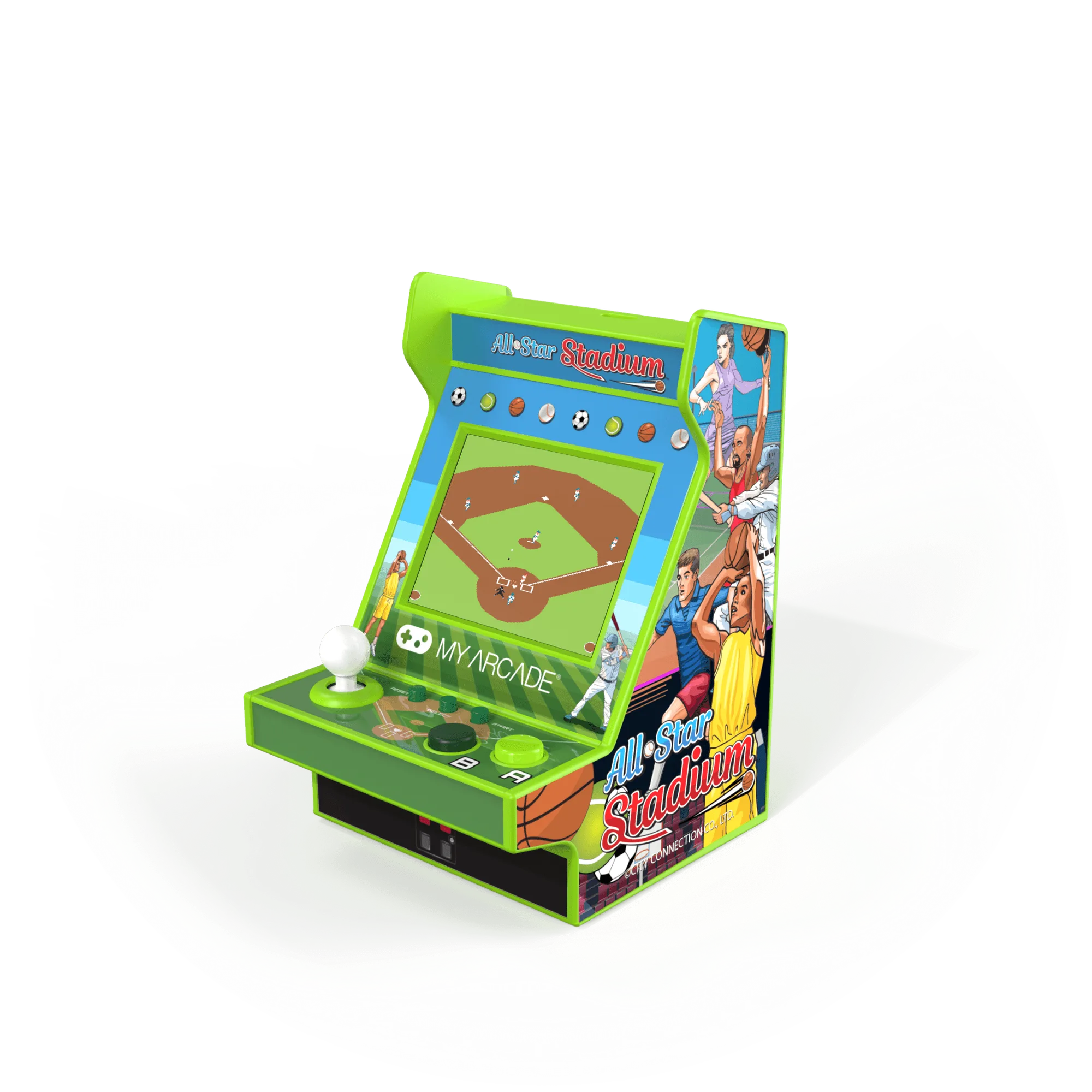
All-Star Stadium Nano Player
The evolution of handheld gaming is a story of shrinking hardware and growing libraries. What began as dedicated devices with a single game has become a category where you can carry dozens of arcade classics in your pocket. That shift matters because it changes how you buy: you are no longer limited to one title per device, and you can choose a system based on the games you actually want to replay.
This guide walks through the history of handheld gaming and then gives you concrete rules for picking a modern retro handheld. We will look at real options from My Arcade, including the Data East Pixel Pocket Pro, Ms. PAC-MAN Pixel Pocket Pro, Data East Hits Pocket Player, Atari Nano Player Pro, Atari Pixel Pocket Pro, and All-Star Stadium Nano Player. Each has a different mix of price, screen size, and game library, so the decision rules below will help you match one to your habits.
From Single-Game Devices to Multi-Title Handhelds
Early handhelds were built around one game. You bought the device for that game, and that was the entire experience. The classic handheld consoles that followed added interchangeable cartridges and built-in libraries, but the core idea stayed the same: a small screen, a control pad, and a battery. The modern retro handheld reverses that trend by putting multiple games into a single, often very affordable device. The Data East Pixel Pocket Pro, for example, brings together Data East classics like BurgerTime and Bad Dudes in one $15 unit.
That change in format is the most important part of the handheld gaming evolution for buyers today. You are no longer choosing a single game; you are choosing a curated library. The Ms. PAC-MAN Pixel Pocket Pro focuses on one iconic title, while the Data East Hits Pocket Player and Atari Nano Player Pro offer a broader set of games from their respective publishers. Knowing whether you want a focused nostalgia trip or a sampler platter is the first decision you will make.
- Check the game list first. A device is only worth it if you actually want to play the titles included.
- A lower price often means a smaller screen or fewer games, not lower quality.
What Changed in Modern Handheld Gaming
Modern handheld gaming has moved toward better ergonomics, brighter screens, and more thoughtful design. The All-Star Stadium Nano Player, for instance, features a full-color 2.4-inch screen and is fine-tuned for hours of play through an emphasis on ergonomics and compact design. That is a meaningful step up from the tiny, cramped controls of early handhelds. It also includes seven fully playable titles such as Bases Loaded 1-4, Goal!, Racket Attack, and Hoops, so you get variety without carrying extra cartridges.
Another shift is the range of formats. You can find pocket-sized devices like the Pixel Pocket Pro line, slightly larger Pocket Players, and Nano Players that sit between the two. The Atari Nano Player Pro and Atari Pixel Pocket Pro both draw on Atari's history, including PONG, Breakout, and Asteroids, but they differ in size and price. That variety is good for buyers, but it also means you need to decide how much screen real estate you want and how much you are willing to spend.
- A larger screen like the 2.4-inch display on the All-Star Stadium Nano Player makes a real difference for longer sessions.
- If you mostly play in short bursts, a smaller Pixel Pocket Pro may be enough.
Classic Handheld Consoles vs. Modern Retro Handhelds
Classic handheld consoles required you to buy games separately, and those games could be hard to find and expensive. Modern retro handhelds solve that by including a set library at a low price. The Data East Hits Pocket Player, for example, is a collectible Pocket Player packed with memorable Data East titles for $20. That is less than the cost of many single classic cartridges, and you get multiple games immediately. The trade-off is that you cannot expand the library beyond what is built in.
Modern handhelds also tend to be more consistent in build and availability. You do not have to hunt for a working used unit or worry about aging batteries and screens. The Atari Nano Player Pro at $17.50 is a new device with a known game list, and the Atari Pixel Pocket Pro at $15 offers a similar library in a smaller form. For most people getting back into retro gaming, that reliability is worth more than the flexibility of a cartridge-based system.
- If you already own classic cartridges, a modern handheld will not play them; it is a self-contained system.
- If you want a specific game that is not included, check the product's game list before buying.
Retro Handheld Trends and What They Mean for You
One clear retro handheld trend is publisher-specific collections. My Arcade has partnered with Data East and Atari to create devices that celebrate those companies' histories. The Data East Pixel Pocket Pro and Data East Hits Pocket Player both focus on Data East classics, while the Atari Pixel Pocket Pro and Atari Nano Player Pro focus on Atari's iconic titles. This trend is helpful because it lets you choose a device based on the publisher whose games you remember most fondly.
Another trend is price segmentation. You can spend $15 on a Pixel Pocket Pro, $17.50 on a Nano Player, or $20 on a Pocket Player. Each step up generally adds screen size, game count, or both. The All-Star Stadium Nano Player sits at $17.50 with seven sports titles and a 2.4-inch color screen, while the Data East Hits Pocket Player at $20 emphasizes a collectible form factor and a Data East library. Understanding these tiers helps you avoid overpaying for features you will not use.
- Publisher collections are ideal if you have a strong attachment to one company's arcade era.
- Price tiers are consistent: expect to pay a little more for a larger screen or more games.
How to Choose Your First Retro Handheld
Start with the games. If you want BurgerTime and Bad Dudes, the Data East Pixel Pocket Pro or Data East Hits Pocket Player are your options. If you want Ms. PAC-MAN, the Ms. PAC-MAN Pixel Pocket Pro is the direct choice. If you want PONG, Breakout, and Asteroids, look at the Atari Pixel Pocket Pro or Atari Nano Player Pro. If you want a sports mix, the All-Star Stadium Nano Player includes seven titles. Making a list of two or three must-have games will narrow the field immediately.
Next, decide on screen size and budget. The Pixel Pocket Pro line is the most portable and the least expensive at $15. The Nano Player line, including the Atari Nano Player Pro and All-Star Stadium Nano Player, sits at $17.50 and typically offers a bit more screen or a different game mix. The Data East Hits Pocket Player at $20 is the most expensive of this group but offers a collectible Pocket Player format. None of these are huge investments, so if you are torn, pick the one with the games you will actually play.
- Write down your must-have games before comparing prices.
- If you play for long stretches, prioritize the 2.4-inch screen on the All-Star Stadium Nano Player.
Decision Rules for Buying a Retro Handheld
- If you want the lowest price and maximum portability: Choose a Pixel Pocket Pro model such as the Data East Pixel Pocket Pro, Ms. PAC-MAN Pixel Pocket Pro, or Atari Pixel Pocket Pro. All are $15 and pocket-sized. Best for short play sessions and tight budgets.
- If you want a larger screen for longer play: Choose a Nano Player such as the All-Star Stadium Nano Player or Atari Nano Player Pro. Both are $17.50, and the All-Star Stadium model has a 2.4-inch full-color screen. Best for comfortable sessions and sports or Atari libraries.
- If you want a collectible format with a broader library: Choose the Data East Hits Pocket Player at $20. It is a collectible Pocket Player packed with memorable Data East titles. Best for Data East fans who want a display-worthy device.
- If you are unsure, start with the games: List the two or three titles you most want to replay. Then match them to the product that includes them. Every device here has a fixed library, so the game list is the deciding factor. Do not buy a device for a game it does not include.
Product Facts
- Data East Pixel Pocket Pro: MY ARCADE has teamed up with legendary game developer Data East to bring you some of your favorite Data East classics, including BurgerTime and Bad Dudes. If you grew up with Data East arcade games, this $15 device gives you a focused nostalgia hit without a big commitment.
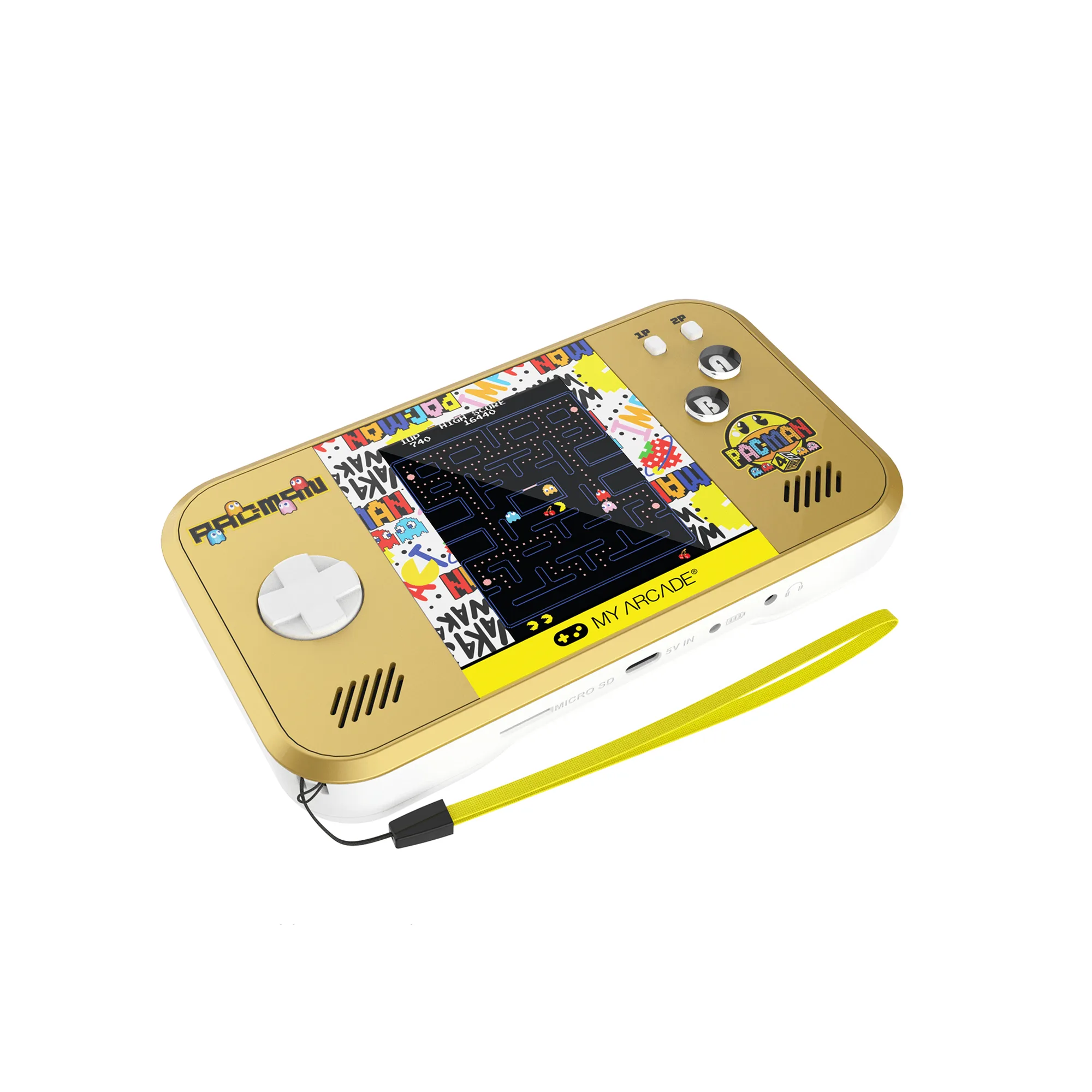
- Ms. PAC-MAN Pixel Pocket Pro: A timeless classic, Ms. PAC-MAN pays homage to female games that helped make the original PAC-MAN a success, and has been dubbed one of the most successful arcade games of all time. This is the pick for anyone whose main goal is to play Ms. PAC-MAN on a dedicated, portable device.
- Data East Hits Pocket Player: Collectible Pocket Player packed full of memorable Data East titles, including BurgerTime and Bad Dudes. At $20, it is the most expensive of the group but offers a collectible format and a broader Data East library than the Pixel Pocket Pro.
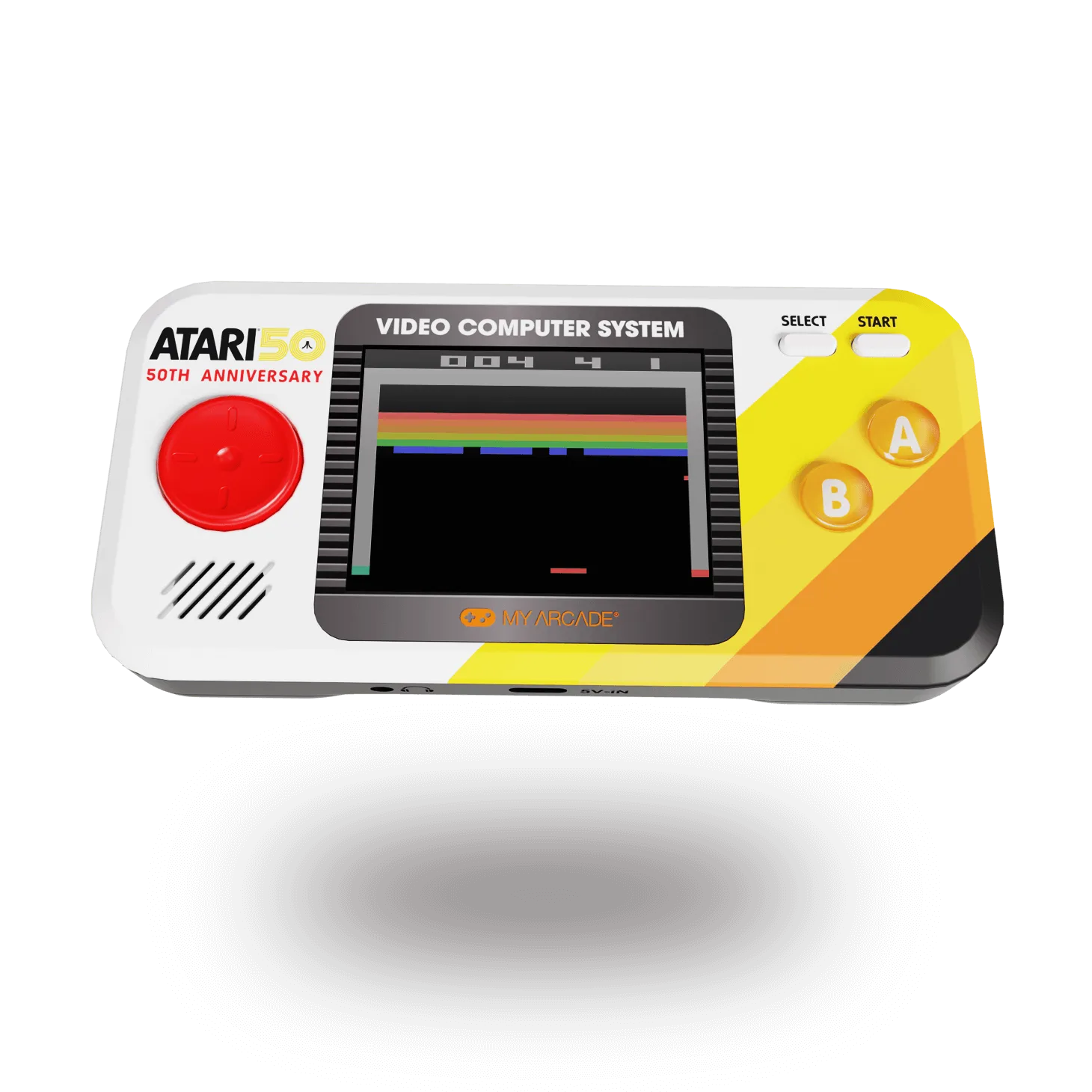
- Atari Nano Player Pro: Atari is a pioneer in the video game industry, responsible for iconic games including PONG, Breakout, and Asteroids, and was founded in 1972. If you want Atari's foundational titles in a compact Nano Player format, this $17.50 device covers the essentials.
Who Should Buy Which
Best for
- Nostalgic players who want a specific publisher's classics, such as Data East or Atari, in a dedicated device.
- Budget-conscious buyers who want a working retro handheld for $15 to $20 without hunting for used hardware.
- Parents looking for a simple, self-contained gaming device for short car rides or waiting rooms.
Not for
- Players who want to expand their game library with new cartridges or downloads; these devices have fixed built-in libraries.
- Anyone seeking modern 3D games, online play, or high-resolution graphics; these are retro-focused handhelds.
- Collectors who only want original vintage hardware; these are new devices, not antiques.
The evolution of handheld gaming has given us affordable, well-designed devices that pack classic arcade titles into your pocket. Whether you choose a $15 Pixel Pocket Pro for pure portability or a $20 Data East Hits Pocket Player for a collectible format, the key is to start with the games you actually want to play. Pick the library that matches your memories, and you will get the most out of your retro handheld.