Home organization has come a long way from the days of overflowing closets and mismatched storage bins. Today, it is not just about tidying up—it is about curating a space that promotes calm, efficiency, and personal style. The shift from clutter to minimalist design reflects a broader cultural move toward intentional living, where every item in your home serves a purpose and brings joy.
In 2025, the trend is accelerating. Homeowners are embracing clean lines, neutral palettes, and multifunctional accessories that blend seamlessly into their decor. This article explores the key milestones in the evolution of home organization, offers practical decluttering tips, and highlights how minimalist design can transform your living spaces.
From Maximalism to Minimalism: A Brief History
For much of the 20th century, home organization was about accumulation. People collected furniture, decor, and gadgets, often storing them in bulky cabinets or hidden closets. The rise of consumerism in the 1980s and 1990s led to even more stuff, with homes becoming repositories for items that were rarely used. Clutter was the norm, and organization meant shoving things out of sight.
The minimalist movement, inspired by Scandinavian and Japanese design philosophies, began to gain traction in the early 2000s. Marie Kondo's decluttering method and the popularity of tiny homes pushed people to question their relationship with possessions. By the 2020s, minimalism had become a lifestyle, and home organization evolved into a design discipline focused on simplicity, functionality, and beauty.
- The KonMari Method sparked a global decluttering wave in 2019.
- Scandinavian design principles—clean lines, natural materials, and neutral colors—became mainstream.
- The pandemic accelerated the desire for calm, organized spaces as homes doubled as offices and sanctuaries.
Key Principles of Modern Minimalist Organization
Modern minimalist organization is not about living with nothing—it is about living with intention. The core principles include: reduce before you organize, choose quality over quantity, and design for function and aesthetics. Every item should have a designated home, and that home should be as visually pleasing as the item itself.
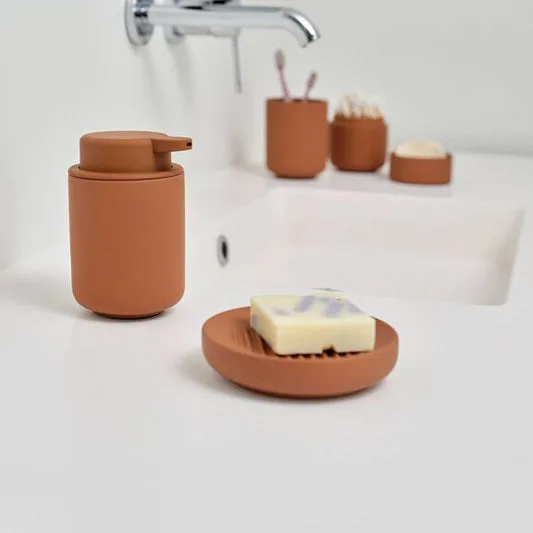
For example, in the bathroom, a sleek https://marketkind.shop/products/nova-one-toilet-brush-118598https://marketkind.shop/products/nova-one-toilet-brush-118599https://marketkind.shop/products/nova-one-toilet-brush-118600https://marketkind.shop/products/nova-one-toilet-brush-118601Nova One Toilet Brush replaces bulky plastic alternatives, while a Ume Soap Dispenser adds a touch of ceramic elegance to the sink. These accessories are not just tools—they are design statements that elevate the entire room. By investing in well-designed pieces, you create a cohesive look that reduces visual noise.
- Start by decluttering: donate, sell, or recycle items you have not used in a year.
- Use vertical space with wall-mounted shelves and hooks to keep floors clear.
- Choose accessories in matching finishes (e.g., matte black, brushed brass) for a unified look.
2025 Home Organization Trends: What’s In and What’s Out
As we move through 2025, several trends are shaping how people organize their homes. Open shelving continues to dominate, but with a twist: curated displays that mix functional items with decor. Hidden storage solutions, such as built-in cabinets and pull-out drawers, are also popular for maintaining a clutter-free appearance.
Sustainability is another major driver. Consumers are choosing durable, eco-friendly materials like bamboo, recycled stainless steel, and ceramic over plastic. The Nova One Soap Dispenser, for instance, is refillable and designed to last, reducing single-use plastic waste. Similarly, the Ume Laundry Basket Small offers a natural, breathable alternative to synthetic bins.
Smart organization is also on the rise. While not every home needs a fully automated system, simple innovations like motion-sensor lights in closets or compartmentalized drawer inserts can make daily routines more efficient. The key is to integrate technology subtly, without disrupting the minimalist aesthetic.
- In: Natural materials like bamboo, ceramic, and linen.
- In: Multifunctional furniture (e.g., ottomans with storage, nesting tables).
- Out: Plastic bins and mismatched containers.
- Out: Overly themed decor (e.g., seashell bathrooms, sports-themed rooms).
Practical Decluttering Tips for Every Room
Decluttering is the foundation of any organization project. Start with one room at a time to avoid feeling overwhelmed. In the kitchen, clear countertops of small appliances and store them in cabinets or on open shelves. Use clear containers for pantry items so you can see what you have at a glance.
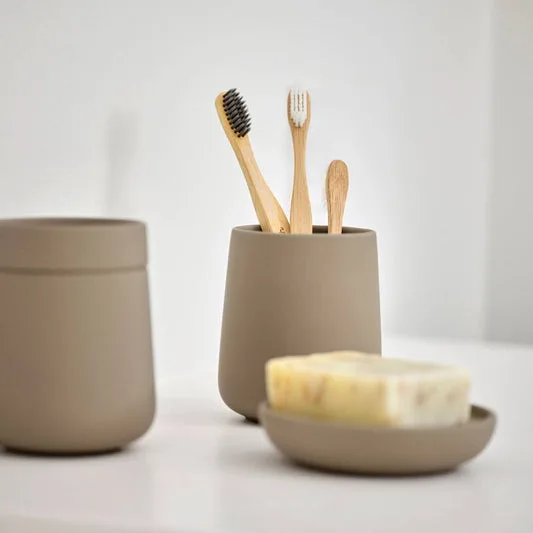
In the bathroom, limit countertop items to daily essentials like a soap dispenser and a toothbrush holder. Store extra toiletries in a medicine cabinet or under-sink organizer. A Nova One Jar and Lid can keep cotton balls or bath salts neatly contained while adding a decorative touch.
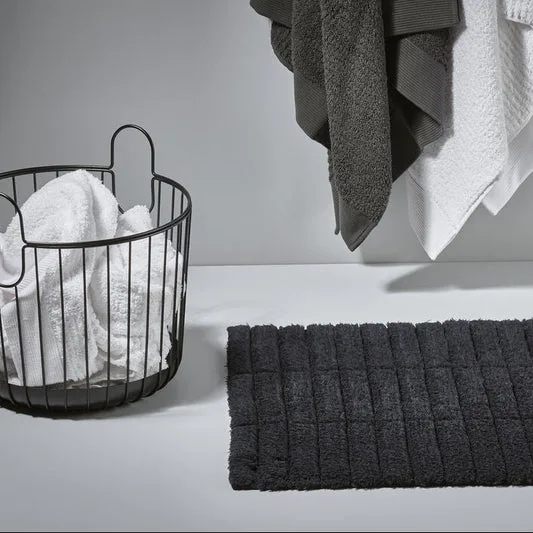
For the laundry room, invest in a dedicated laundry basket that fits your space and style. The Ume Laundry Basket Small is perfect for smaller loads or as a hamper for delicates. Pair it with a Solo Shower Squeegee to keep tiles dry and mold-free—a simple habit that prevents clutter from moisture damage.
- Use the "one in, one out" rule to maintain balance.
- Label shelves and bins to make it easy to put things back.
- Schedule a 15-minute daily tidy-up to prevent accumulation.
How to Choose Accessories That Support Minimalist Design
When selecting accessories for a minimalist home, prioritize form and function. Look for pieces with clean lines, neutral colors, and high-quality materials. Avoid overly ornate designs that can make a space feel busy. Instead, opt for items that blend into the background while serving a clear purpose.
The Nova Step Trash Can is a great example: its sleek stainless steel body and soft-close lid make it a discreet addition to any kitchen or bathroom. Similarly, the Harvest Moon Lamp adds warmth without visual clutter, thanks to its simple globe shape and soft glow. By choosing accessories that are both beautiful and practical, you can create a home that feels serene and intentional.
- Stick to a cohesive color palette (e.g., white, black, beige, grey).
- Choose accessories with hidden or integrated handles for a streamlined look.
- Invest in fewer, higher-quality pieces rather than many cheap ones.
The evolution of home organization from clutter to minimalist design is a journey toward more intentional living. By embracing decluttering habits, selecting well-designed accessories, and staying attuned to 2025 trends, you can create a space that is both functional and beautiful. Start your transformation today with a piece that embodies this philosophy—like the Ume Soap Dispenser, which combines ceramic craftsmanship with everyday utility. Explore the full collection at Zone Denmark to find accessories that help you live with less and enjoy more.