Maternity fashion has come a long way from the days of shapeless sacks and oversized smocks. Today, expectant mothers have access to stylish, figure-flattering options that celebrate their changing bodies. But how did we get here? The evolution of maternity clothes reflects broader social changes, from women's liberation to the rise of fast fashion and body positivity.
In this article, we take a decade-by-decade journey through the history of maternity fashion. You'll see how vintage pregnancy style has influenced modern designs, and how brands like PinkBlush Maternity continue to blend comfort with contemporary trends. Whether you're a fashion history buff or simply curious about your wardrobe's roots, this guide will give you a new appreciation for the maternity clothes you wear today.
1920s-1930s: The Era of Concealment
In the early 20th century, pregnancy was still largely hidden from public view. Maternity fashion consisted of loose-fitting, high-waisted dresses that camouflaged the baby bump. These garments were often homemade or altered from regular clothing, as ready-to-wear maternity wear was virtually nonexistent. Fabrics were heavy and modest, reflecting the conservative attitudes of the time.
By the 1930s, a few specialty catalogs began offering 'maternity frocks' with empire waists and drop waists. The style prioritized modesty over comfort, and most women still relied on sewing patterns to create their own wardrobe. The silhouette remained boxy, with little attention to the pregnant form.
1940s-1950s: The Birth of Ready-to-Wear Maternity
World War II brought about practical changes in women's fashion, and maternity wear was no exception. With more women working outside the home, there was a growing need for functional, comfortable clothing. The first mass-produced maternity dresses appeared, featuring adjustable waistbands and simple designs that could be worn throughout pregnancy.
The 1950s introduced a more feminine aesthetic, with full skirts and fitted bodices that emphasized the bust while still accommodating the bump. Iconic styles included the shirtwaist dress and the 'baby doll' silhouette. These designs were often made from cotton or rayon, and they offered a glimpse of the stylish possibilities that lay ahead.
- Tip: Look for modern takes on vintage styles, like the Light Denim Chambray Dolman Sleeve Maternity Shirt Dress, which echoes the shirtwaist dress of the 1950s.
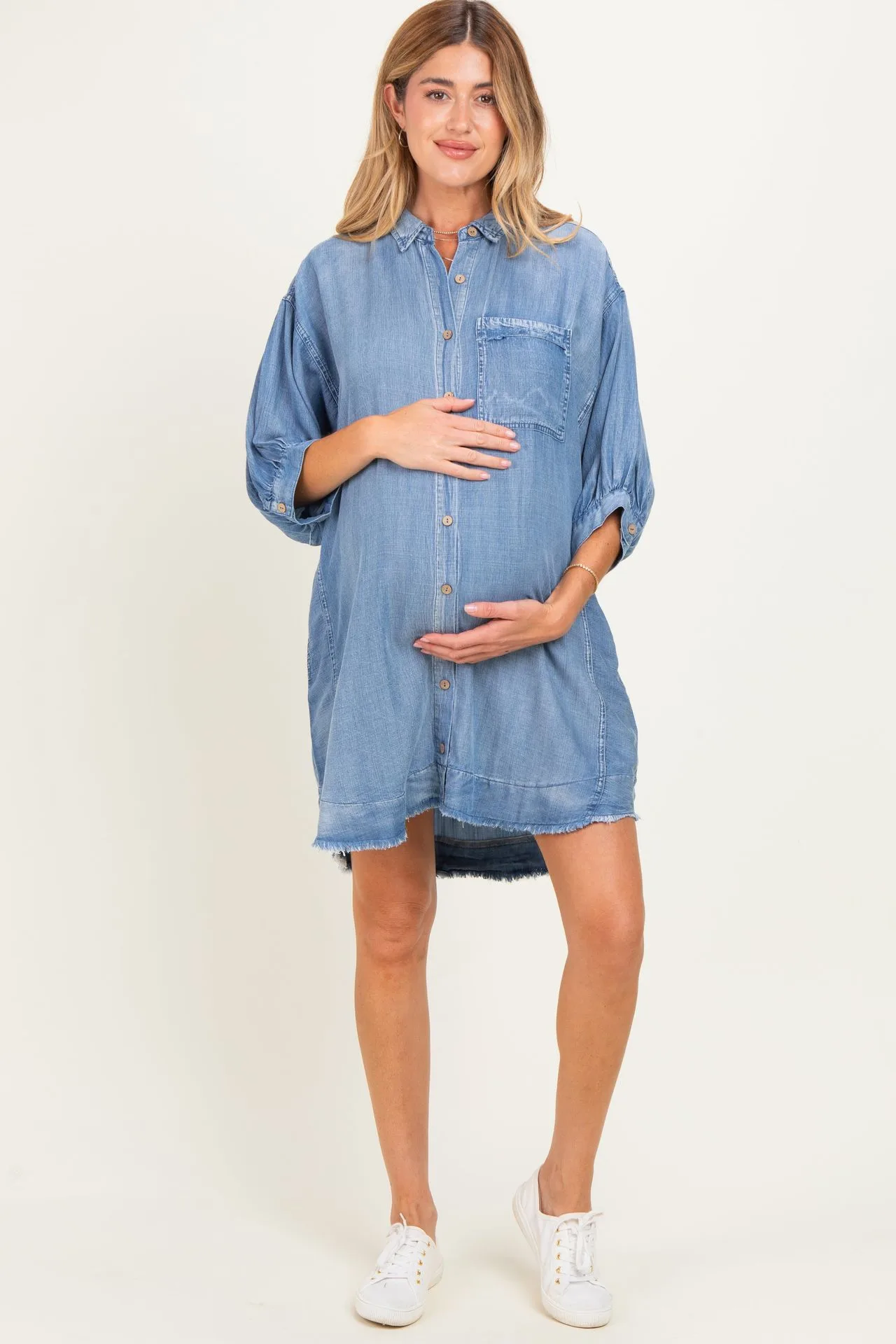
Light Denim Chambray Dolman Sleeve Maternity Shirt Dress
1960s-1970s: Bold Prints and Body Consciousness
The 1960s revolutionized fashion with bold prints, bright colors, and a new focus on the body. Maternity wear followed suit, with designers introducing A-line dresses, shift dresses, and empire waistlines that celebrated the bump rather than hiding it. The 'pregnancy as fashion' concept began to take hold.
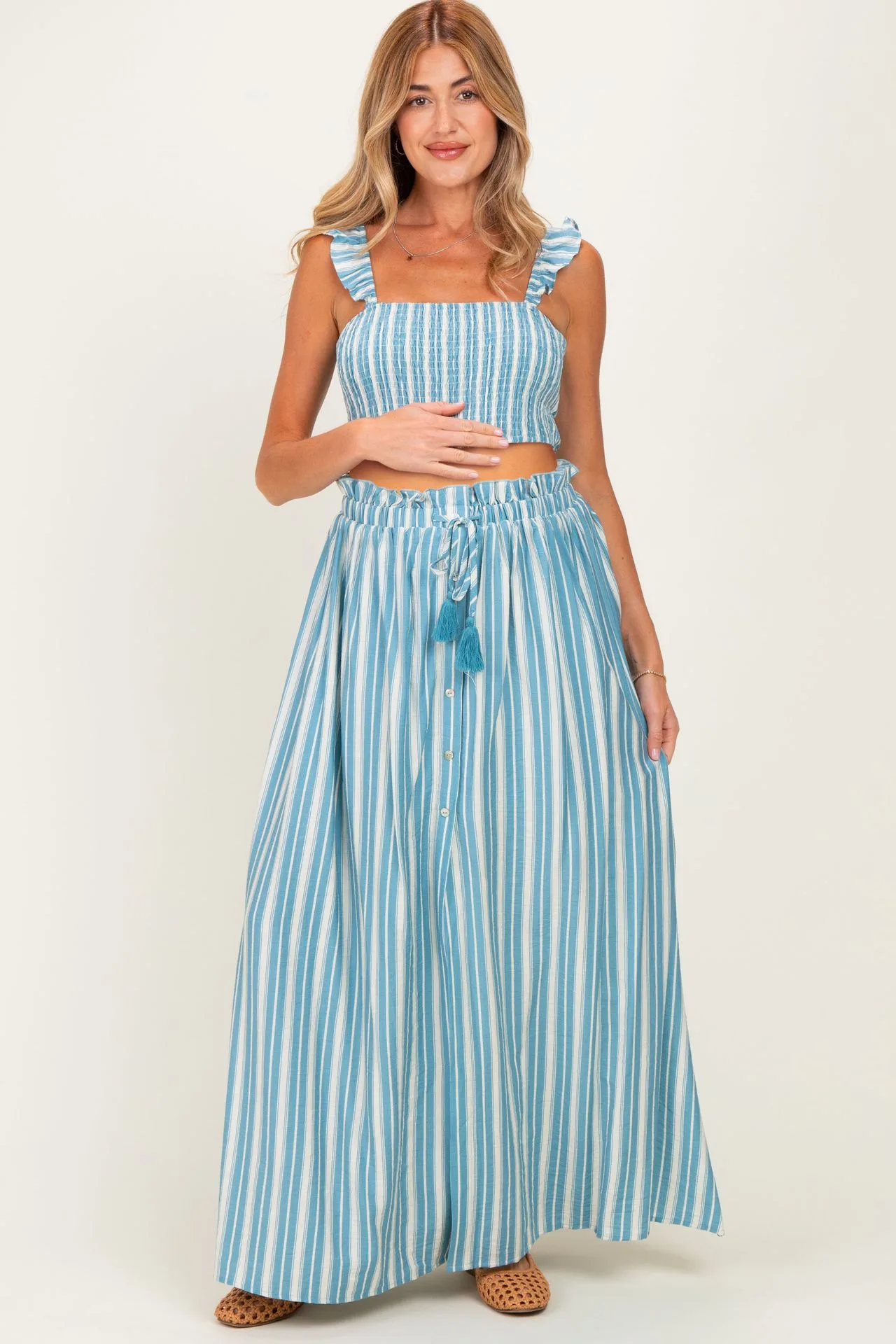
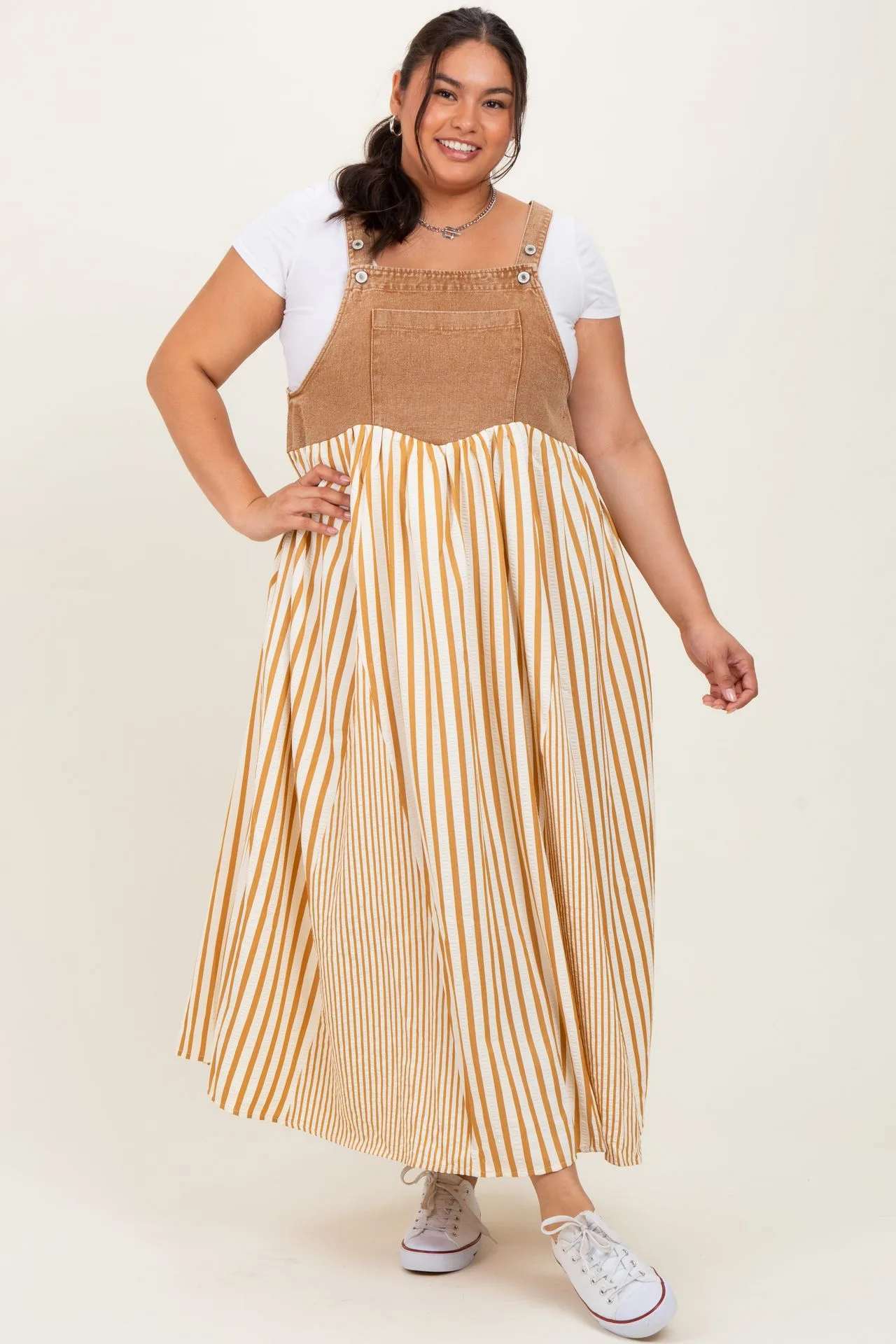
The 1970s brought even more freedom, with bohemian influences and the rise of the 'maxi dress.' Maternity clothes featured floral patterns, smocking, and soft, flowing fabrics. Women began to embrace their pregnant bodies, and fashion became a form of self-expression. The iconic 'maternity smock' became a staple, often paired with wide-legged pants or denim overalls.
- Tip: Channel the 1970s vibe with a modern piece like the Sage Smocked Polka Dot Tulle Maternity Midi Dress, which combines smocking with a playful polka dot print.
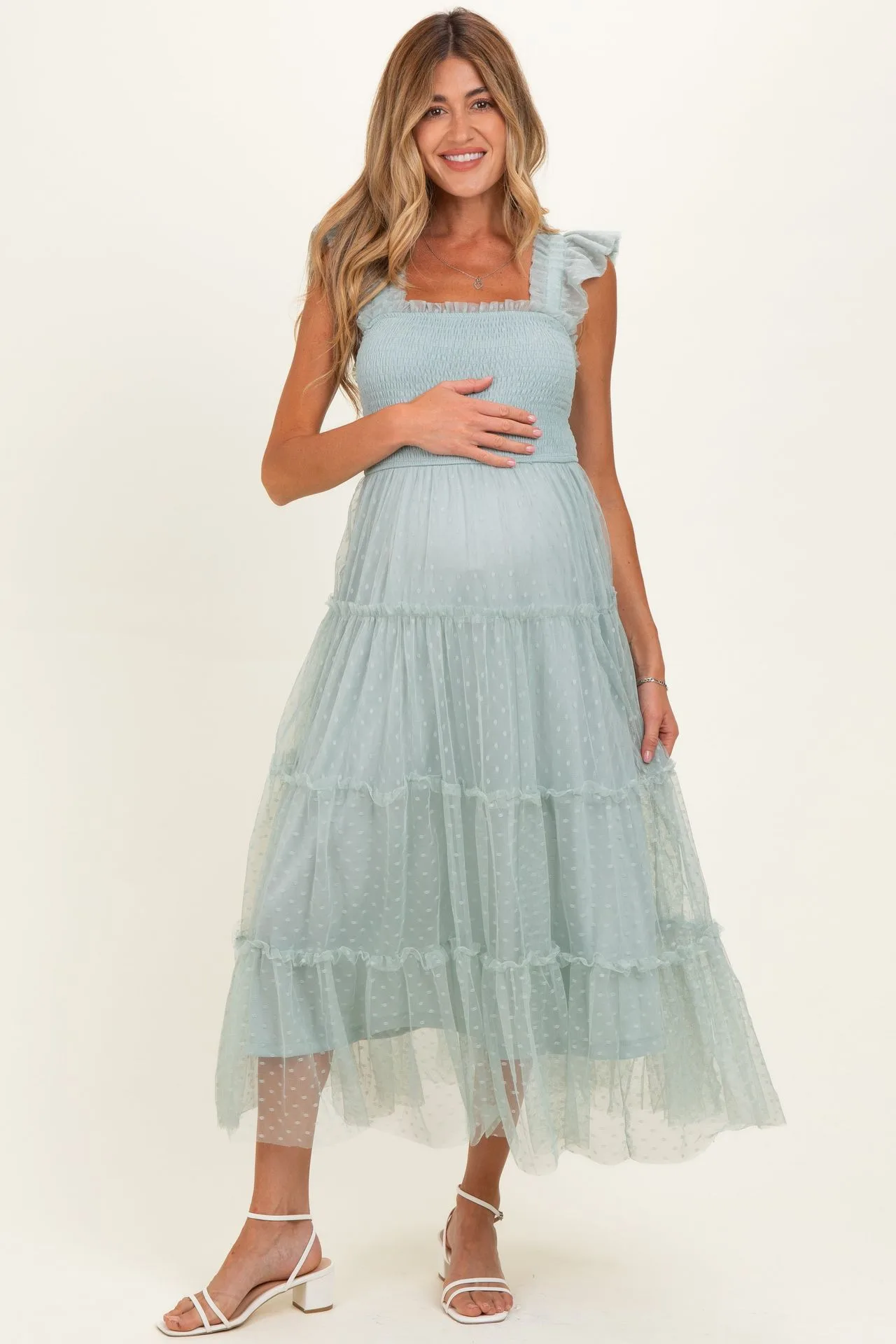
Sage Smocked Polka Dot Tulle Maternity Midi Dress
1980s-1990s: The Rise of Maternity as a Category
The 1980s saw maternity fashion explode as a distinct category. Designers created dedicated lines for expectant mothers, featuring oversized blazers, shoulder pads, and stretchy knit dresses. The 'pregnancy silhouette' became more defined, with ruched sides and elastic waistbands that allowed for growth.
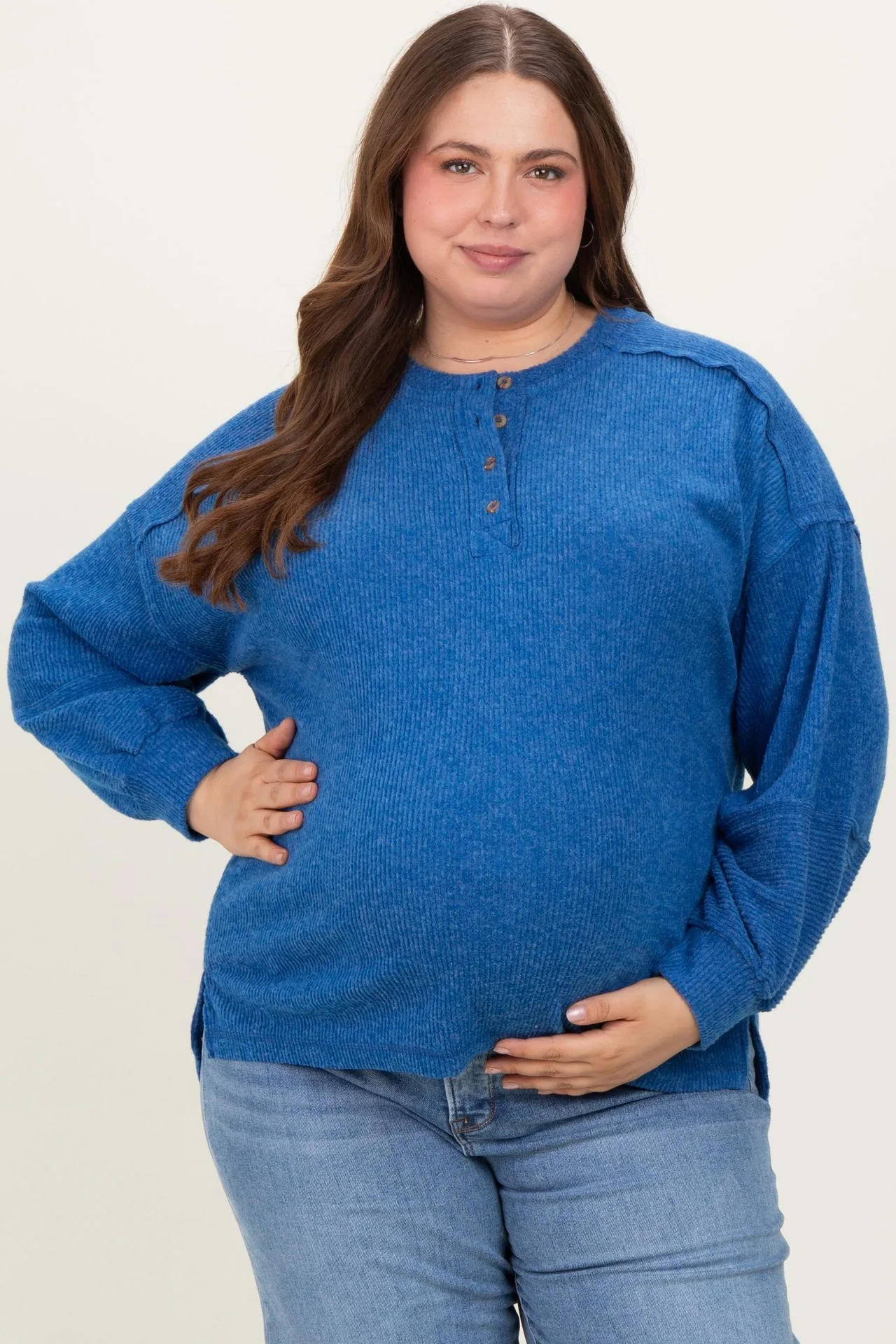
By the 1990s, casual comfort took center stage. Maternity leggings, oversized sweaters, and denim overalls became must-haves. The 'baby bump' was now openly celebrated, and fashion magazines began featuring celebrity moms-to-be. This era laid the groundwork for the body-positive movement that would define the 2000s.
- Tip: For a modern take on 1990s comfort, try the Navy Basic Short Sleeve Maternity Sweater Top — a cozy, versatile piece that pairs perfectly with maternity jeans or shorts.
2000s-Present: Inclusivity, Sustainability, and Style
The 21st century has transformed maternity fashion into a vibrant, inclusive industry. Brands now offer everything from activewear to formal wear, with an emphasis on fit, fabric, and fashion-forward design. The rise of online shopping and social media has democratized style, allowing moms-to-be to find clothes that reflect their personal taste.
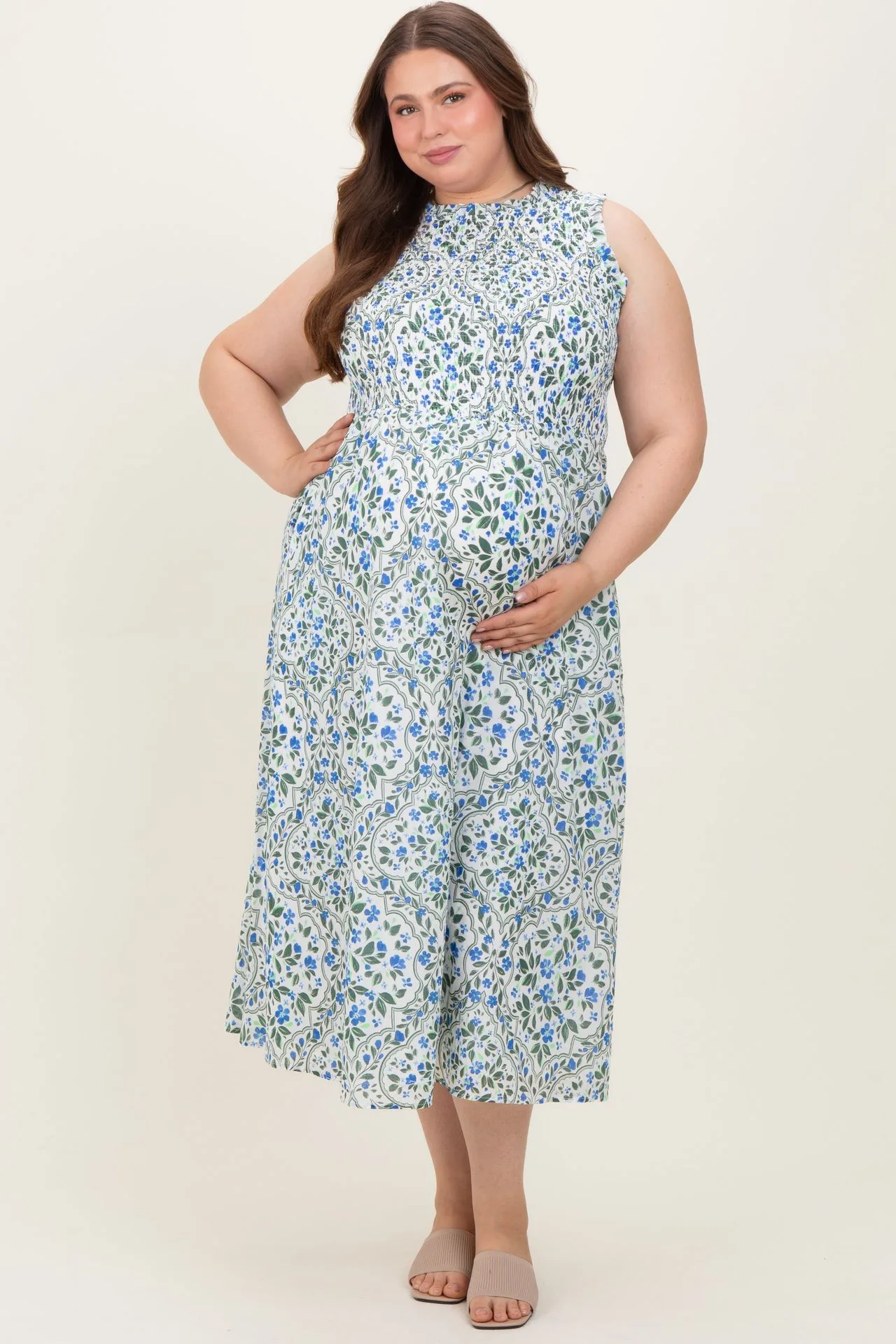
Today's maternity clothes prioritize comfort without sacrificing style. Innovations include stretchy knits, adjustable waistbands, and nursing-friendly features. The body positivity movement has also encouraged designers to create pieces that flatter all body types, from petite to plus size. Vintage-inspired details like smocking, tulle, and puff sleeves remain popular, blending nostalgia with modern functionality.
- Trend alert: The CreamTulle Puff Sleeve Smocked Maternity Midi Dress is a perfect example of how vintage elements are reimagined for today's mom.
Maternity fashion has evolved from a hidden necessity to a celebrated expression of style. Today, you can honor the past while embracing the present with pieces that are both comfortable and chic. Explore the full collection at PinkBlush Maternity to find your own timeless look.