Long before the glossy tubes and minty gels of today, humans were already obsessed with keeping their teeth clean. From crushed bones and eggshells to charcoal and herbal pastes, the quest for a brighter smile is as old as civilization itself. But it wasn't until the last century that toothpaste became the mass-produced staple we know—and only recently have we circled back to the natural ingredients our ancestors relied on.
In this article, we trace the fascinating journey of natural toothpaste, from ancient Egyptian tooth powders to the modern Australian-made formulas that are redefining oral care. We'll explore how traditional remedies paved the way for today's clean, effective, and sustainable options—and why the evolution of natural toothpaste is far from over.
Ancient Beginnings: The First Toothpastes
The history of toothpaste begins around 5000 BC, when ancient Egyptians created a powder from crushed pumice, ashes, and myrrh to scrub their teeth. The Greeks and Romans later added crushed bones, oyster shells, and even charcoal—ingredients that might sound harsh by today's standards but were surprisingly effective at removing plaque and polishing enamel.
In ancient China and India, herbal remedies were favored. Neem twigs, miswak sticks, and mixtures of salt, pepper, and mint were used to freshen breath and support gum health. These early formulas were purely natural, relying on the antibacterial and abrasive properties of plants and minerals. Interestingly, many of these ingredients—like charcoal and neem—are making a comeback in modern natural toothpaste.
- Ancient Egyptians used pumice and ashes as abrasives.
- Chinese and Indian cultures favored neem and miswak for oral hygiene.
- Charcoal has been used for teeth cleaning for centuries—and is still popular today.
The Rise of Commercial Toothpaste and the Natural Backlash
The 19th century saw the birth of commercial toothpaste, with chalk, soap, and later fluoride becoming standard ingredients. By the mid-20th century, synthetic toothpaste dominated the market, offering consistent texture, foaming action, and cavity protection. However, these benefits came with a cost: artificial flavors, preservatives, and harsh detergents like sodium lauryl sulfate (SLS) that can irritate sensitive mouths.
As consumers became more ingredient-conscious in recent decades, a natural backlash emerged. People began questioning the long-term effects of synthetic chemicals and sought alternatives that align with a healthier, more sustainable lifestyle. This shift has driven the evolution of natural toothpaste from niche to mainstream, with brands like Grants of Australia leading the charge in creating effective, plant-based formulas.
- Commercial toothpaste introduced fluoride for cavity prevention but also added synthetic additives.
- SLS, a common foaming agent, can cause mouth ulcers in some people.
- The natural movement prioritizes plant-based ingredients and eco-friendly packaging.
Modern Natural Toothpaste: What's Inside and Why It Works
Today's natural toothpaste is a far cry from the abrasive powders of ancient times. Modern formulas combine gentle abrasives like hydrated silica or calcium carbonate with natural antibacterial agents such as tea tree oil, propolis, and coconut oil. These ingredients work together to remove plaque, freshen breath, and support gum health—without the need for synthetic chemicals.
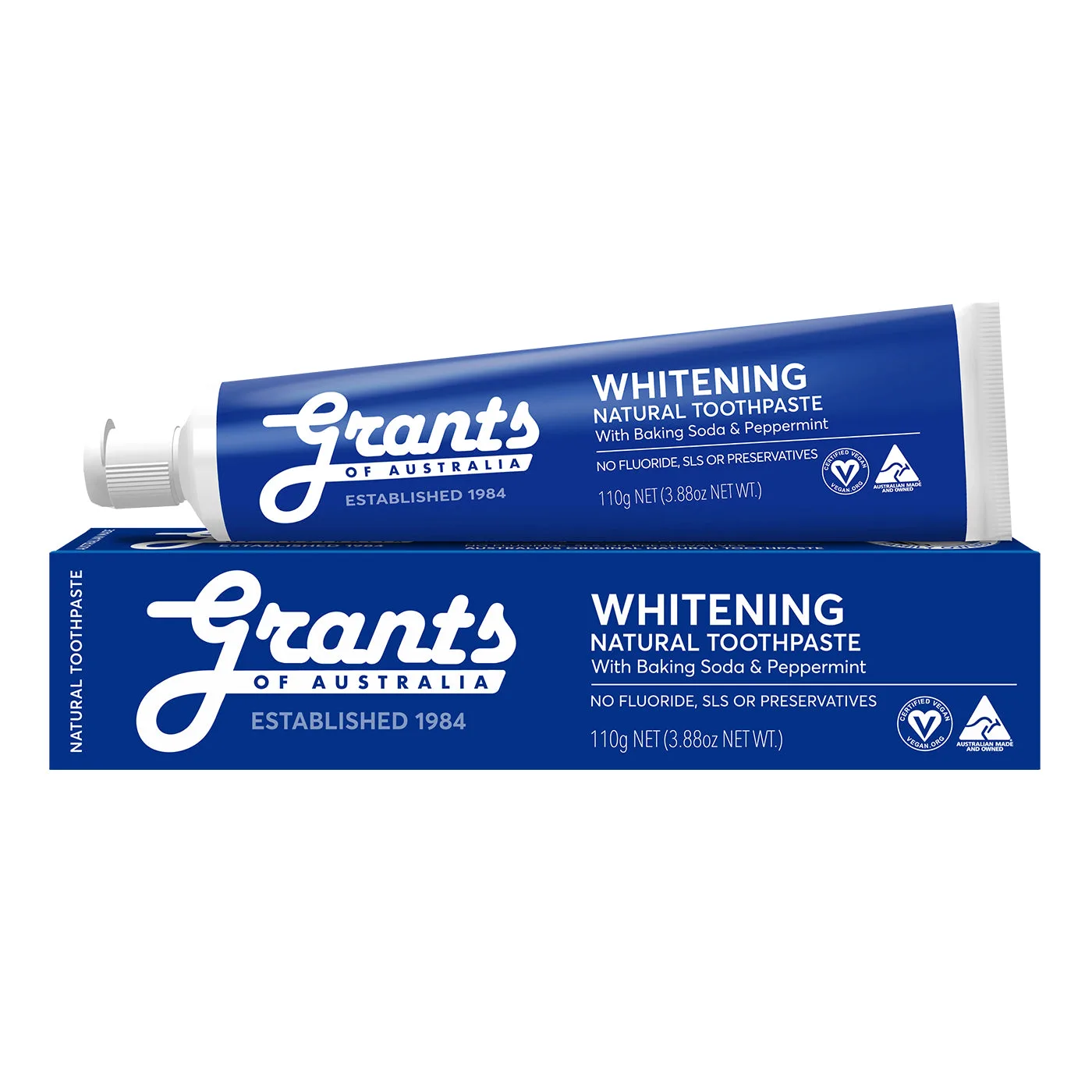
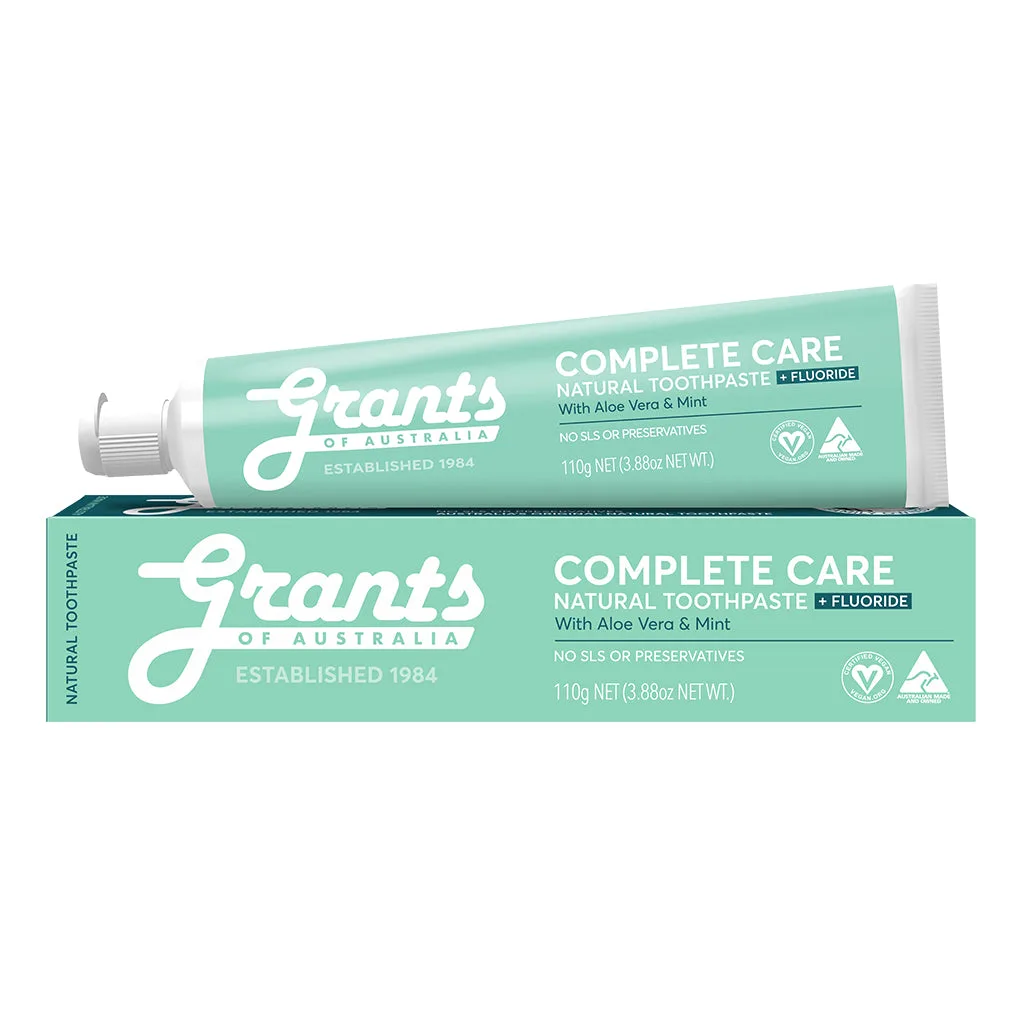
For example, Grants of Australia offers a range of natural toothpastes that harness the power of Australian botanicals. The Whitening Peppermint Natural Toothpaste uses the refreshing kick of peppermint oil to leave your mouth feeling clean and invigorated, while the Propolis Natural Toothpaste leverages the natural antibacterial properties of propolis to support gum health. These products prove that natural doesn't mean compromising on effectiveness.
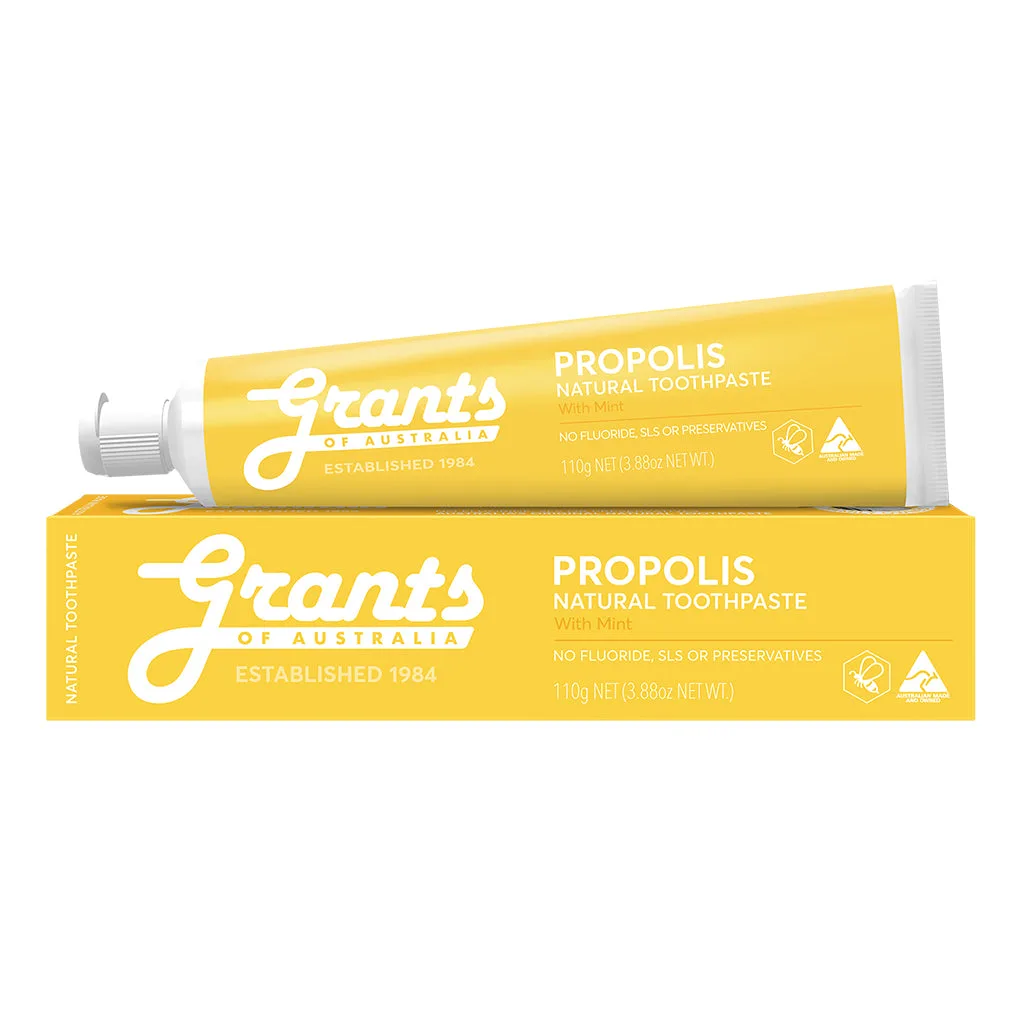
Propolis Natural Toothpaste
- Hydrated silica provides gentle polishing without damaging enamel.
- Tea tree oil and propolis offer natural antibacterial benefits.
- Essential oils like peppermint and spearmint deliver fresh breath without artificial flavors.
The Australian Connection: Local Innovation in Oral Care
Australia has a rich history of using native plants for medicinal purposes, and this heritage is now being applied to oral care. Australian-made natural toothpaste brands like Grants of Australia are tapping into native ingredients such as tea tree oil, eucalyptus, and lemon myrtle, which are known for their antimicrobial and anti-inflammatory properties. This local focus not only supports Australian farmers but also ensures a smaller carbon footprint.
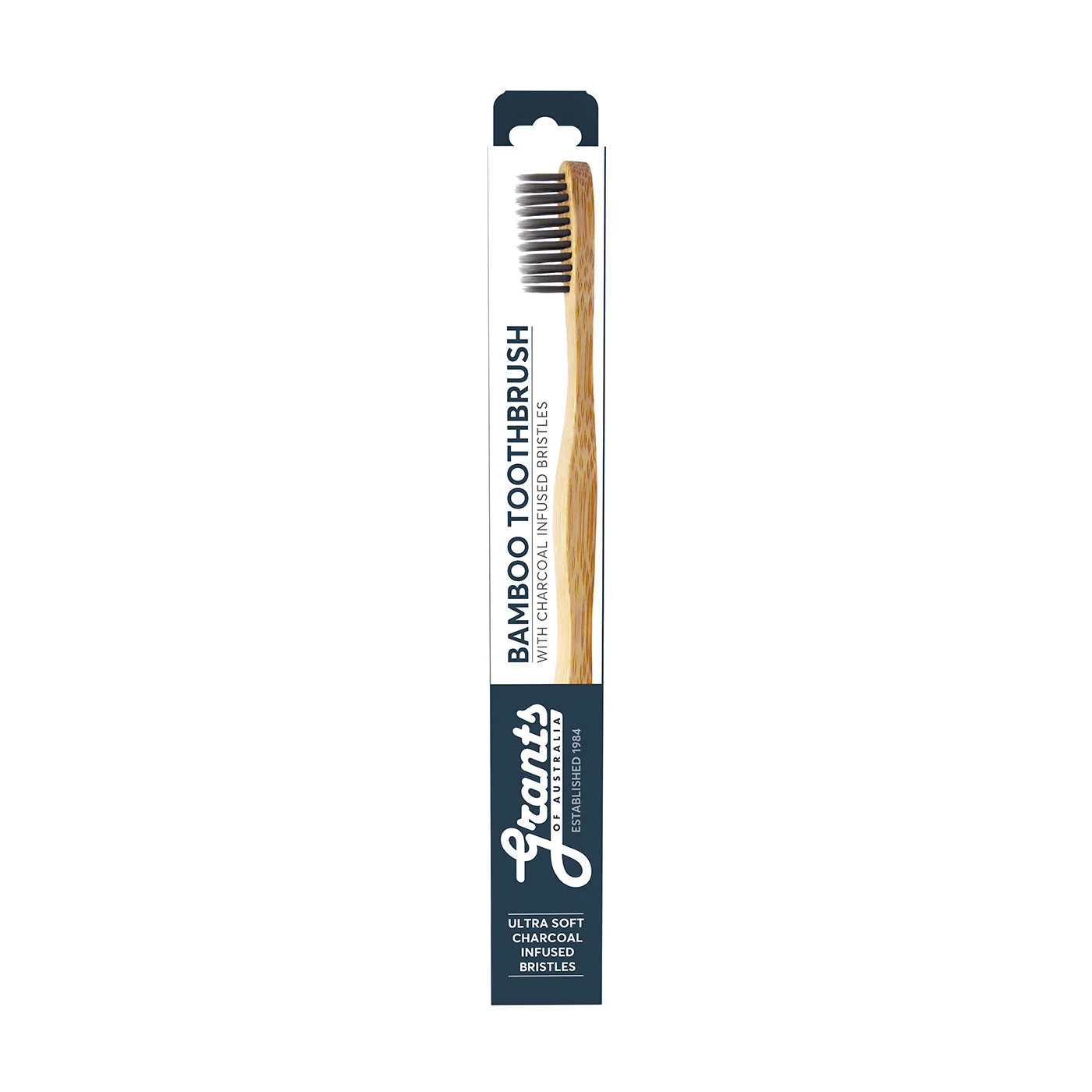
The evolution of natural toothpaste in Australia reflects a broader trend toward sustainability and transparency. Consumers are increasingly reading labels and choosing products that are cruelty-free, vegan, and packaged in recyclable materials. Grants of Australia, for instance, pairs its natural toothpastes with bamboo toothbrushes, offering a complete eco-friendly oral care routine. The Adult Bamboo Toothbrush - Ultra Soft Charcoal is a perfect example of how modern natural oral care combines functionality with sustainability.
- Native Australian ingredients like tea tree oil have powerful antibacterial properties.
- Australian-made products reduce transport emissions and support local economies.
- Bamboo toothbrushes are biodegradable and reduce plastic waste.
What the Future Holds for Natural Toothpaste
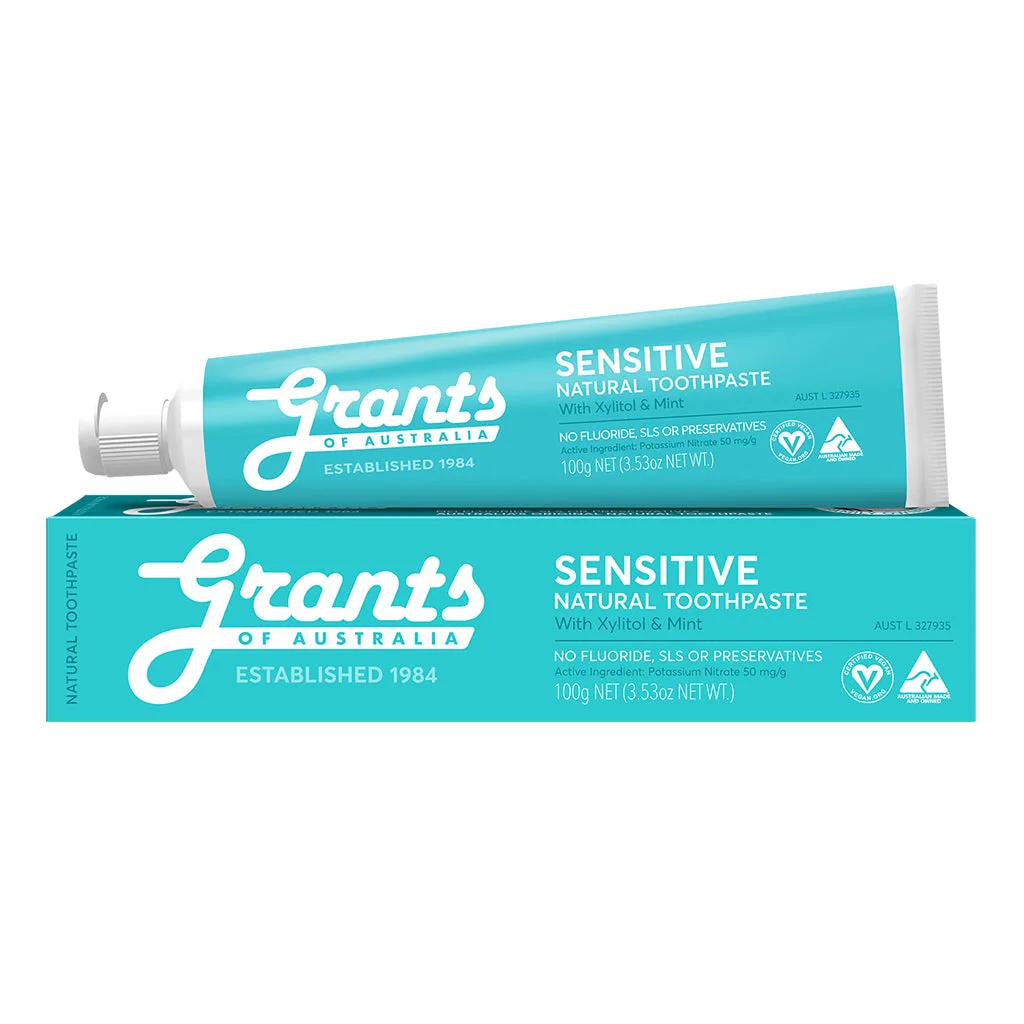
As research continues to validate the benefits of natural ingredients, the future of natural toothpaste looks bright. We can expect more personalized formulas tailored to specific needs—such as sensitivity, whitening, or kids' flavors—and even greater emphasis on refillable packaging and zero-waste options. The line between 'natural' and 'conventional' will blur as mainstream brands adopt cleaner ingredients.
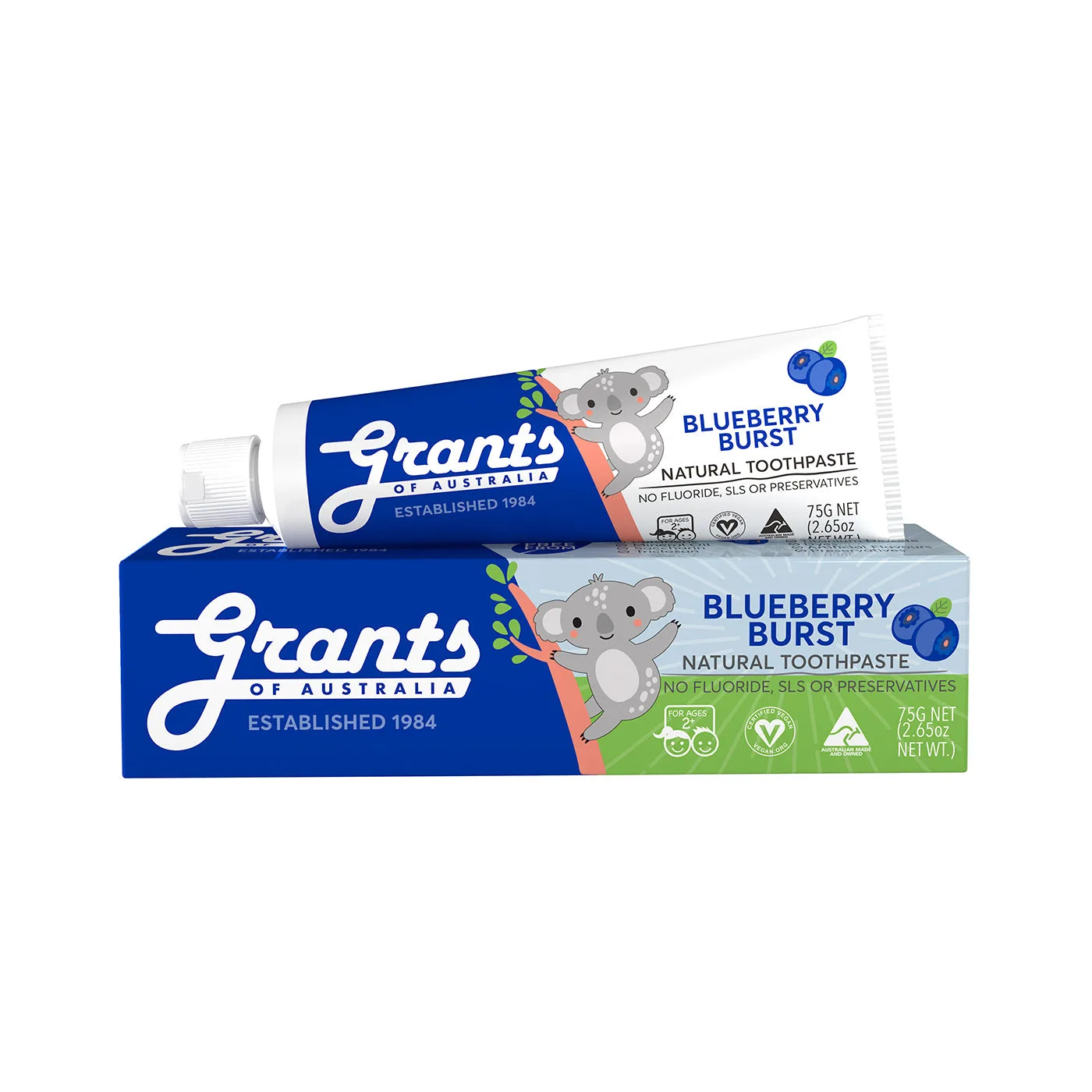
For families, the evolution means more choices for children, like the Blueberry Burst Kids Natural Toothpaste, which makes brushing fun with a delicious flavor and safe, natural ingredients. As we look ahead, the principles of traditional oral care—simplicity, effectiveness, and respect for nature—will continue to guide innovation.
- Expect more targeted natural formulas for specific oral health concerns.
- Refillable and zero-waste packaging will become the norm.
- Kids' natural toothpastes will continue to grow in popularity and variety.
The evolution of natural toothpaste is a story of rediscovery—ancient wisdom meeting modern science. From crushed shells to Australian botanicals, we've come full circle, embracing natural ingredients that are kind to both our bodies and the planet. If you're ready to make the switch, explore Grants of Australia's range of natural toothpastes and bamboo toothbrushes to find the perfect fit for your smile.