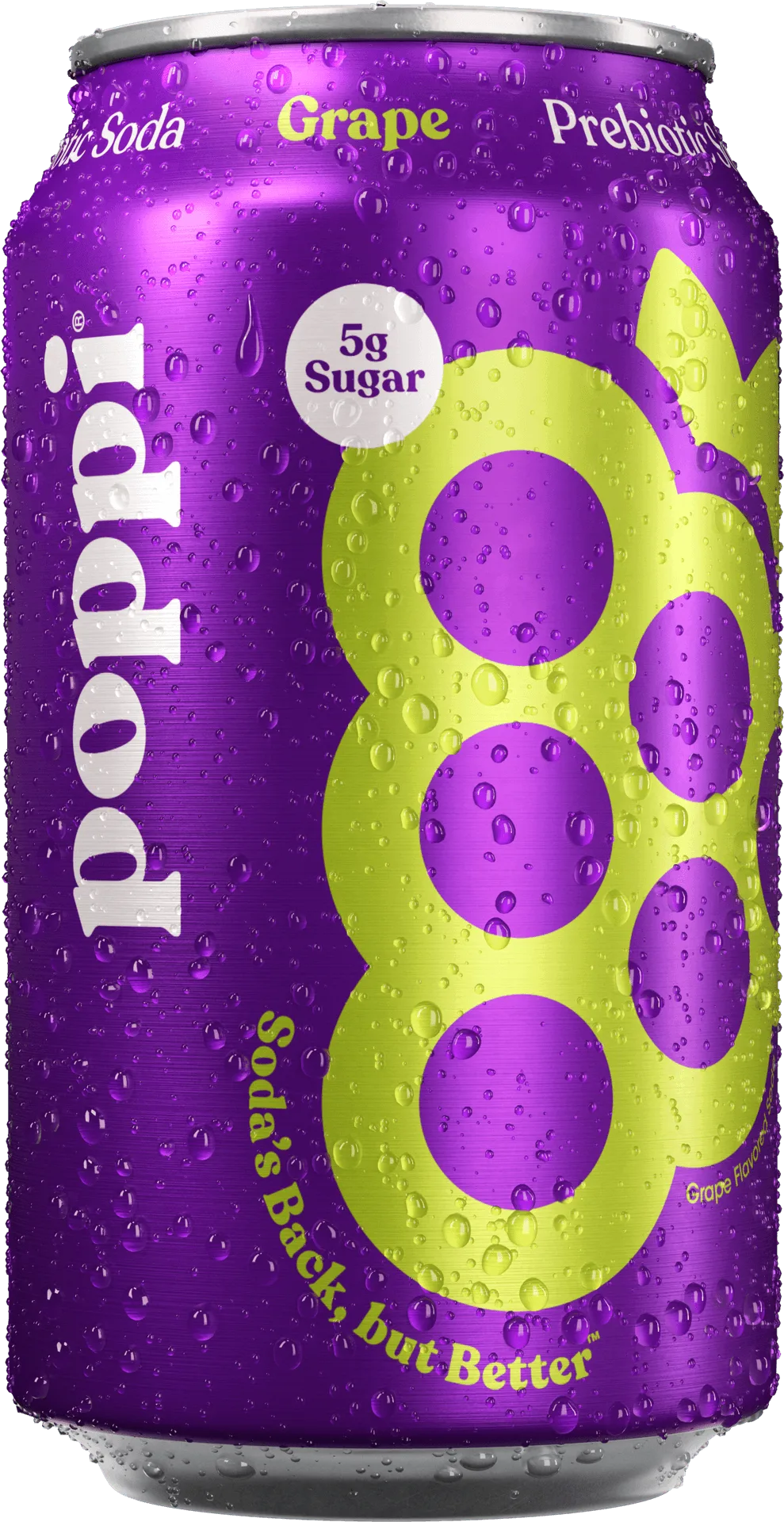
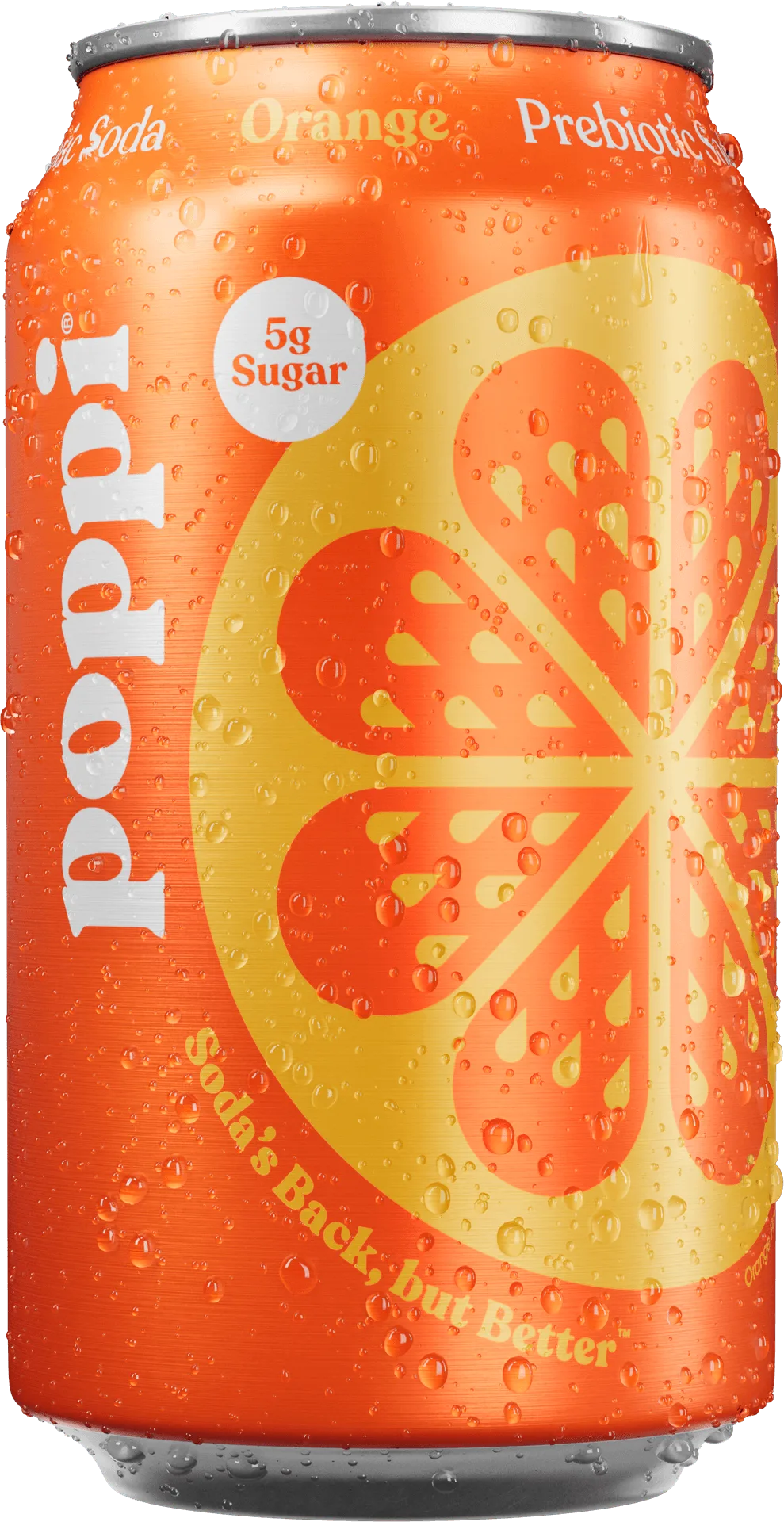
Soda has been a beloved beverage for over a century, evolving from simple medicinal tonics to a vibrant world of flavors that reflect cultural shifts, technological advances, and changing consumer tastes. The journey of soda flavors is a fascinating story of innovation, nostalgia, and reinvention. From the first fizzy concoctions in apothecaries to today's artisanal craft sodas, each era has left its mark on what we sip today.
Understanding the evolution of soda flavors helps us appreciate not just the drinks we enjoy, but the trends that drive the beverage industry. Whether you're a fan of timeless classics or eager to try bold new combinations, the history of soda is as effervescent as the drinks themselves. In this article, we'll take a decade-by-decade look at how soda flavors have changed, and how brands like Poppi continue to honor tradition while embracing innovation.
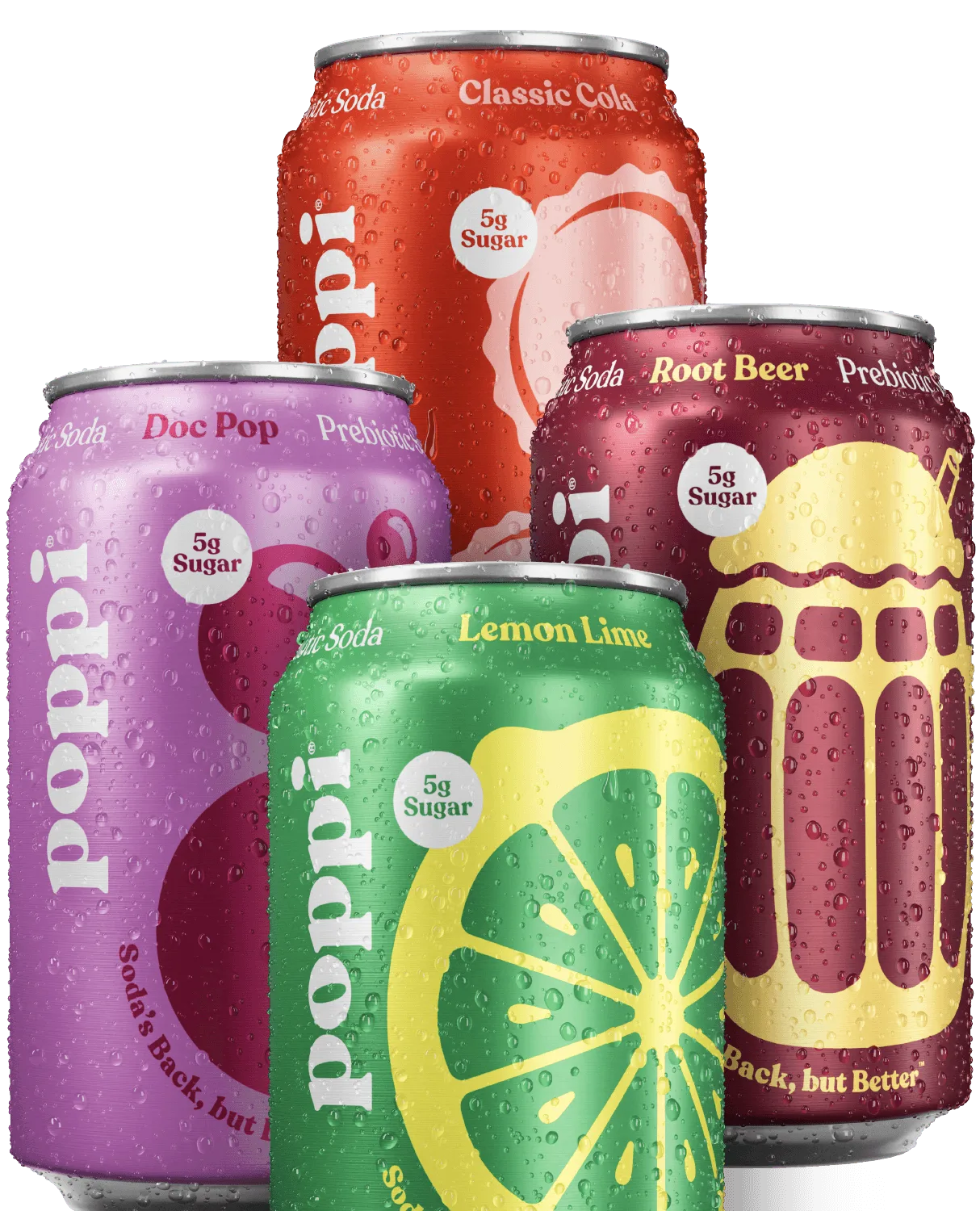
classics
The 1800s: Medicinal Beginnings and Root Beer Roots
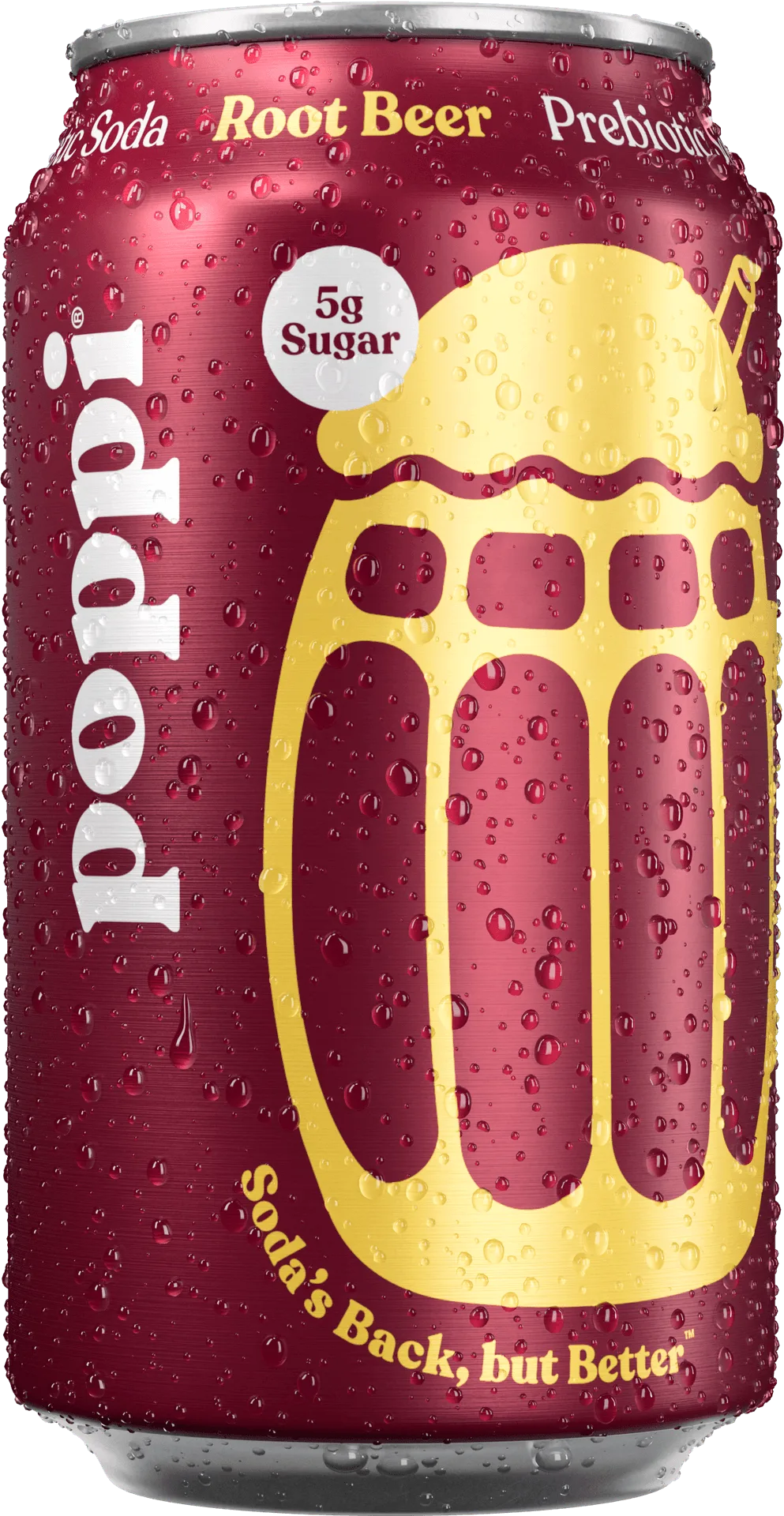
Root Beer
Soda's origins date back to the late 18th and early 19th centuries, when carbonated water was first created by scientists like Joseph Priestley. By the 1800s, pharmacies and soda fountains began mixing carbonated water with syrups made from herbs, roots, and fruits, believing these drinks had medicinal properties. Root beer, for instance, was brewed from sassafras root and other botanicals, marketed as a health tonic. Ginger ale emerged as a popular digestive aid, while early lemon-lime flavors were used to mask the bitter taste of quinine in tonic water. These early sodas were often sold as "health tonics" before becoming recreational treats.
The first flavored sodas were simple: sarsaparilla, birch beer, and cream soda. Cream soda, a vanilla-based sweet drink, became a favorite in the late 1800s and remains a nostalgic classic today. The era laid the foundation for the soda industry, with flavors rooted in natural ingredients and perceived wellness benefits—a trend that resonates strongly with modern consumers seeking clean, natural options.
- Root beer and ginger ale were originally marketed as medicinal tonics
- Soda fountains became social hubs in pharmacies and drugstores
- Early flavors relied on natural extracts like sassafras, vanilla, and ginger
The 1900s–1920s: The Rise of Iconic Colas and Fruit Sodas
The early 20th century saw the birth of some of the most iconic soda brands and flavors that still dominate today. Coca-Cola was invented in 1886, but it was in the 1900s that cola drinks exploded in popularity, becoming the defining soda flavor of the century. Pepsi followed in 1898, and by the 1920s, cola was a staple across America. Meanwhile, fruit-flavored sodas like orange, grape, and lemon-lime gained traction, offering refreshing alternatives. The invention of mass production and bottling allowed these flavors to reach a national audience.
During this period, soda flavors were often sweet and straightforward, appealing to a broad palate. Brands experimented with fruit blends, but the focus remained on single-note flavors. The popularity of root beer and cream soda continued, while new entries like ginger ale and lemon soda became mixers for cocktails during Prohibition. This era established the blueprint for soda flavor categories: colas, fruit sodas, and creamy classics.
- Cola became the dominant soda flavor of the 20th century
- Fruit sodas like orange and grape emerged as popular alternatives
- Prohibition boosted soda sales as non-alcoholic mixers
The 1930s–1950s: Innovation and the Birth of Citrus Classics
The mid-20th century brought a wave of citrus-flavored sodas that would become timeless favorites. In 1929, the first lemon-lime soda was introduced, and by the 1930s, brands like 7Up were marketing their clear, crisp drinks as a way to lift spirits during the Great Depression. The 1940s and 1950s saw the rise of orange soda, with brands like Fanta leading the way in Europe and later worldwide. These citrus flavors offered a bright, zesty alternative to the sweetness of cola and root beer.
This era also saw the introduction of diet sodas and the first attempts at sugar-free versions, though they were not yet mainstream. The post-war boom led to increased advertising and brand loyalty, with flavors becoming deeply tied to American culture. The 1950s also saw the rise of soda fountains in diners, where milkshakes and floats made with root beer or cola became iconic treats. The popularity of lemon-lime and orange sodas set the stage for future citrus innovations.
- Lemon-lime sodas became a refreshing staple during the Great Depression
- Orange soda gained global popularity after World War II
- Soda fountains and diners popularized floats and mixed drinks
The 1960s–1980s: The Era of Bold Flavors and Diet Trends
The 1960s through the 1980s marked a period of bold experimentation in soda flavors. The 1960s introduced grapefruit and berry sodas, while the 1970s saw the launch of fruit punch flavors and the rise of Mountain Dew, which combined citrus with a higher caffeine content. The 1980s brought a wave of novelty flavors like cherry cola, vanilla cola, and even bubblegum-flavored sodas aimed at younger audiences. This era also saw the rise of diet sodas, with aspartame and saccharin becoming common, though consumer backlash later pushed brands toward natural sweeteners.
During this time, soda companies began creating limited-edition flavors tied to movies, holidays, and promotions. The 1980s also saw the introduction of clear colas and the infamous New Coke debacle, which taught brands the importance of consumer loyalty to classic flavors. Despite the push for novelty, classic flavors like cola, root beer, and lemon-lime remained the backbone of the industry. This period demonstrated that while consumers enjoy variety, they also crave familiarity.
- Bold flavors like cherry cola and fruit punch emerged in the 1970s and 1980s
- Diet sodas gained popularity but faced criticism over artificial sweeteners
- Limited-edition and promotional flavors became a marketing staple
The 1990s–2010s: The Craft Soda Revolution and Natural Ingredients
The late 20th and early 21st centuries witnessed a seismic shift in the soda industry as consumers began demanding healthier, more natural options. The craft soda movement emerged, inspired by the craft beer trend, with small-batch producers using real sugar, natural flavors, and unique ingredient combinations. Flavors like ginger beer, lavender soda, and hibiscus lemonade became popular, offering sophisticated alternatives to mass-market sodas. This period also saw a resurgence of classic flavors made with premium ingredients, such as cream soda made with vanilla bean or root beer brewed with real herbs.
Brands like Poppi have embraced this evolution by offering sodas that combine nostalgic flavors with modern health benefits. For instance, their Short List and Trend Setters collections feature carefully curated flavors that appeal to both traditionalists and adventurous drinkers. The focus on natural ingredients, lower sugar content, and functional benefits like prebiotics has redefined what soda can be. This era proved that soda doesn't have to be a guilty pleasure—it can be a wholesome, enjoyable beverage.
- Craft soda brands use real sugar and natural ingredients
- Unique flavors like lavender, hibiscus, and ginger beer gained popularity
- Functional sodas with health benefits (prebiotics, low sugar) entered the mainstream
2020s and Beyond: The Future of Soda Flavors
Today, the soda landscape is more diverse than ever. Consumers are seeking out flavors that are bold, nostalgic, and functional. The trend toward wellness has driven the popularity of sodas with added benefits like probiotics, vitamins, and adaptogens. Meanwhile, classic flavors are being reimagined with a modern twist—think cherry limeade made with real fruit juice or grape soda sweetened with stevia. The rise of e-commerce has made it easier for consumers to explore niche and craft sodas from around the world.
Looking ahead, we can expect even more innovation in flavor combinations, such as spicy-sweet blends, floral notes, and savory profiles. Sustainability will also play a key role, with brands using eco-friendly packaging and ethically sourced ingredients. The evolution of soda flavors is far from over—it's entering an exciting new chapter where tradition meets creativity. Whether you're a fan of timeless classics or eager to try the latest trends, there's never been a better time to be a soda lover.
- Functional ingredients like prebiotics and adaptogens are trending
- Classic flavors are being reinvented with natural sweeteners and real fruit
- Sustainability and ethical sourcing are becoming consumer priorities
The evolution of soda flavors over the decades tells a story of innovation, cultural change, and enduring appeal. From medicinal tonics to craft creations, soda has adapted to meet the tastes and values of each generation. As you explore the rich history of these fizzy drinks, consider trying a modern classic that honors the past while embracing the future—like the refreshing and thoughtfully crafted options available at Poppi. Whether you're drawn to the nostalgia of a Cream Soda or the boldness of a Wild Berry, there's a flavor waiting to become part of your own story.