The tactical vest has undergone a remarkable transformation over the decades. What began as a simple load-bearing harness has evolved into a sophisticated modular platform that adapts to diverse missions. This evolution reflects broader changes in military and law enforcement needs, as well as advancements in materials and manufacturing.
In this article, we trace the history of tactical vests, from the early load-bearing equipment of the 20th century to the modular systems used today. We'll explore the key design changes that have shaped modern vests and how these innovations have improved performance for professionals and enthusiasts alike.
Early Load-Bearing Equipment: The Foundation
The origins of the tactical vest can be traced back to World War II, when soldiers used canvas and webbing harnesses to carry ammunition, grenades, and other essentials. These load-bearing equipment (LBE) systems were simple and functional but offered little in terms of comfort or weight distribution. The focus was on capacity, not ergonomics.
During the Vietnam War, the need for more practical gear became evident. The U.S. military introduced the M1956 and later the ALICE system, which used belts, suspenders, and pouches to distribute weight more evenly. These designs laid the groundwork for the load-bearing vest history, emphasizing modularity even in their early forms.
- Early LBE systems prioritized capacity over comfort, leading to fatigue during long missions.
The Rise of the Assault Vest: A Shift in Design
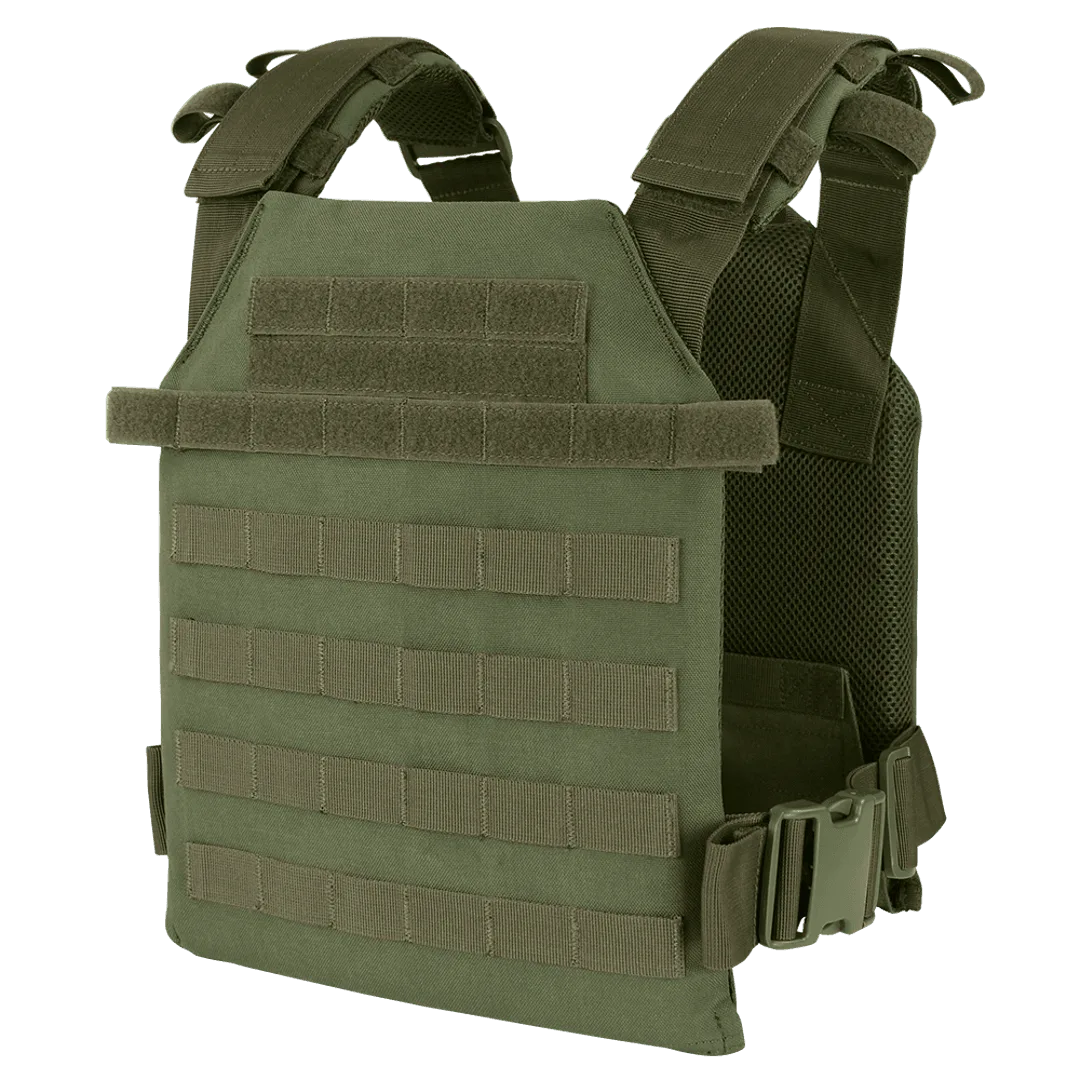
The 1990s saw a significant shift with the introduction of the Improved Load Bearing System (ILBE) and the Modular Lightweight Load-carrying Equipment (MOLLE). The MOLLE system was a game-changer, featuring a PALS (Pouch Attachment Ladder System) webbing that allowed users to attach pouches and accessories anywhere on the vest. This modular vest development enabled customization like never before.
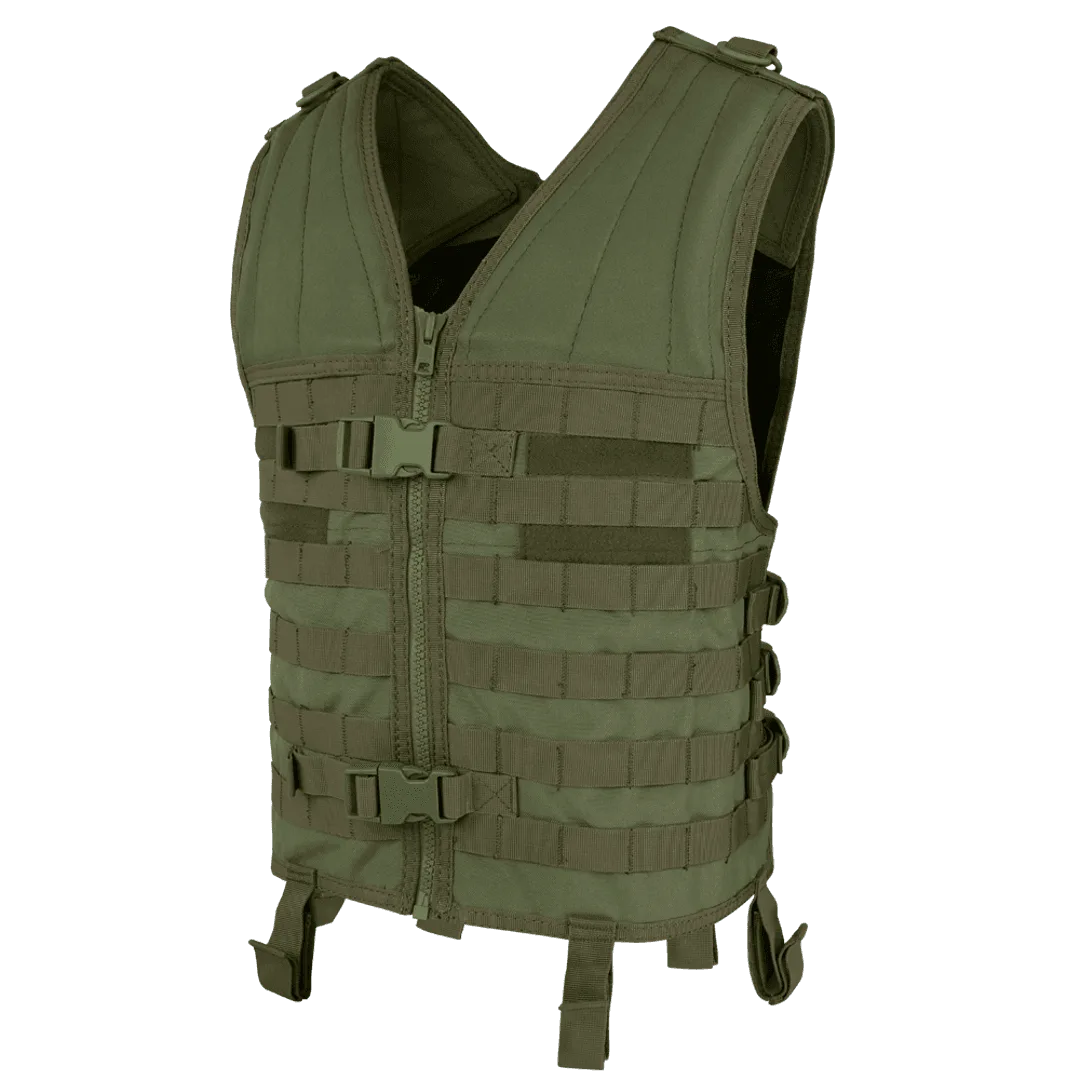
modular vest
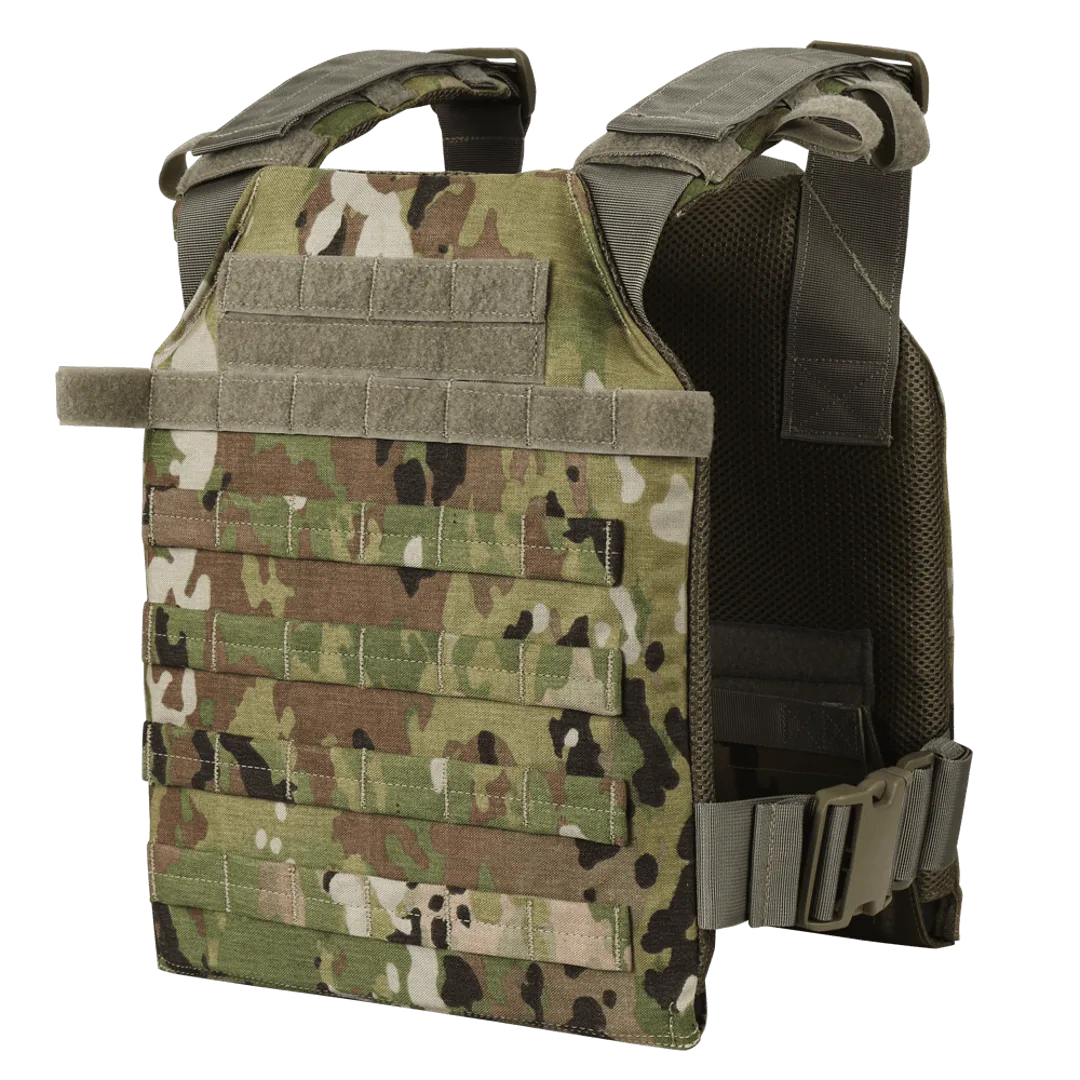
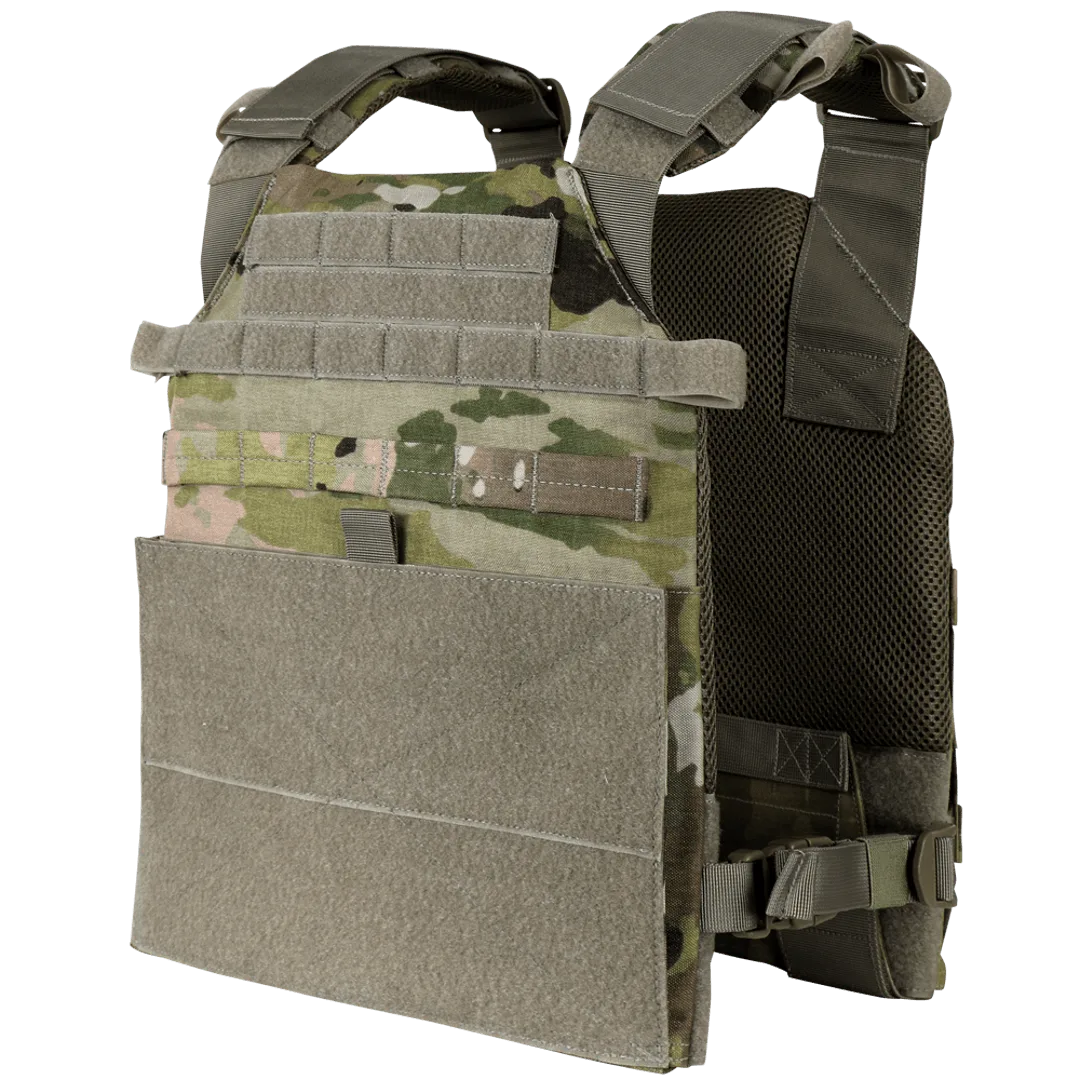
Assault vests, such as the ones used in special operations, began to integrate body armor plates. This combination of protection and load carriage was a major leap forward. The design changes in tactical vests during this era focused on balancing weight, mobility, and protection, leading to more streamlined and functional gear.
- MOLLE's PALS webbing revolutionized customization, allowing users to configure their loadout for specific missions.
Modern Modular Systems: Adaptability and Comfort
Today's tactical vests are built around modularity and adaptability. They feature lightweight yet durable materials like Cordura and laminate composites. Modern vests often include integrated plate carriers, quick-release systems, and padded shoulder straps for enhanced comfort. The emphasis is on distributing weight evenly to reduce fatigue and improve mobility.
Products like the Ops Chest Rig exemplify this modern approach. It offers a streamlined platform that can be configured with various pouches, such as the GPS Pouch or the Double Frag Grenade Pouch, to suit specific mission requirements. This level of customization ensures that each user can optimize their gear for maximum efficiency.
- Modern vests prioritize comfort and weight distribution, reducing the risk of injury during prolonged wear.
The Future of Tactical Vests: Technology and Integration
As technology advances, tactical vests are becoming more integrated with electronic devices. We're seeing the integration of communication systems, power sources, and even health monitoring sensors. These innovations are driven by the need for enhanced situational awareness and connectivity on the battlefield.
The future will likely bring even lighter materials and more intelligent load-bearing solutions. While the core function remains the same, the design changes in tactical vests will continue to evolve, offering greater protection and functionality for users in various fields, from military to law enforcement to outdoor enthusiasts.
- Look for vests with integrated cable management and battery compartments to support modern electronics.
The evolution of tactical vests is a testament to the ongoing innovation in tactical gear. From simple load-bearing harnesses to advanced modular systems, these changes have greatly improved mission effectiveness and user comfort. As you consider your own gear, remember that a modern vest like the Ops Chest Rig can be tailored to your needs, ensuring you're prepared for any challenge. Explore our selection to find the perfect vest for your operations.