Water bottles have come a long way from their humble beginnings as basic containers for carrying liquids. Over the decades, they have transformed into sophisticated accessories that blend style, functionality, and sustainability. This evolution reflects broader changes in technology, culture, and environmental awareness, making the water bottle a symbol of modern hydration habits.
In this article, we trace the fascinating journey of water bottle design from the early 20th century to today. We’ll explore the key milestones, materials, and trends that have shaped the bottles we use daily. Whether you’re a design enthusiast or simply curious about the history of your favorite hydration companion, this deep dive will reveal how form and function have merged over time.
Early Beginnings: The Utility Era (1900s–1950s)
In the early 1900s, water bottles were primarily utilitarian objects. Made from metal or glass, they were designed for durability rather than aesthetics. Soldiers, hikers, and workers used canteens and glass bottles that were heavy and prone to breakage. The focus was purely on function: keeping water accessible and safe to drink. These early designs often featured simple screw caps or cork stoppers, and personalization was rare.
During this era, glass bottles dominated home use, while metal canteens were preferred for outdoor activities. The lack of insulation meant drinks quickly warmed up or cooled down, limiting their practicality. However, these designs laid the groundwork for future innovations, proving that portable hydration was a necessity worth improving.
The Plastic Revolution (1960s–1980s)
The introduction of plastic in the 1960s revolutionized water bottle design. Lightweight, shatterproof, and inexpensive, plastic bottles became the go-to choice for everyday use. Brands like Nalgene popularized wide-mouth designs that were easy to clean and fill with ice. The 1970s and 1980s saw the rise of disposable plastic bottles, which offered convenience but also sparked environmental concerns that would later reshape the industry.
During this period, design began to incorporate ergonomic features such as ridges for grip and curved shapes that fit car cup holders. Colorful plastics and branding turned bottles into fashion accessories, especially among athletes and outdoor enthusiasts. However, the durability of early plastics was limited, and many bottles developed odors or stains over time, prompting a search for better materials.
- Tip: Look for BPA-free plastics or consider upgrading to stainless steel or glass for a longer-lasting, healthier option.
The Rise of Stainless Steel and Insulation (1990s–2000s)
The 1990s marked a shift toward premium materials as consumers demanded durability and temperature retention. Stainless steel bottles emerged as a durable, non-reactive alternative to plastic and glass. Double-wall vacuum insulation became a game-changer, keeping beverages cold for 24 hours or hot for 12. Brands like Hydro Flask and Klean Kanteen set new standards, and the design focus expanded to include sleek, minimalist aesthetics.
This era also saw the birth of the modern reusable bottle movement. Environmental awareness grew, and consumers began rejecting single-use plastics. Designers responded with bottles that featured wide mouths for easy cleaning, leak-proof lids, and powder-coated finishes that resisted scratches. The bottle became a statement piece, reflecting personal values of sustainability and health.
For those seeking a versatile insulated option, the All-Purpose Thermo · Straw Lid offers a perfect balance of style and function, with a built-in straw for easy sipping and excellent temperature retention.
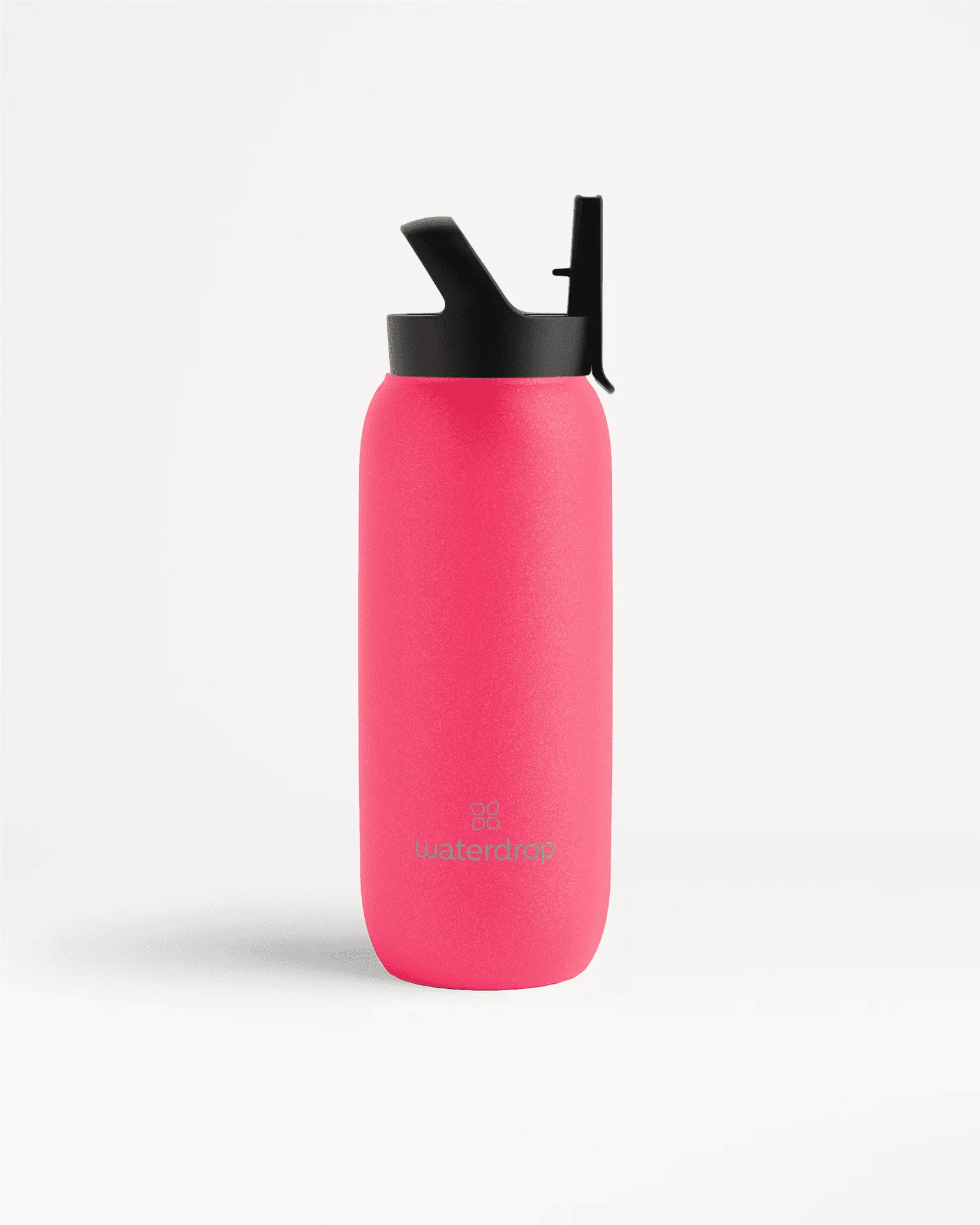
All-Purpose Thermo · Straw Lid
Smart Bottles and Tech Integration (2010s–Present)
The last decade has witnessed the integration of technology into water bottle design. Smart bottles equipped with sensors track water intake, remind users to hydrate, and sync with fitness apps. LED displays show consumption levels, while self-cleaning UV-C lights kill bacteria. These innovations cater to the health-conscious consumer who values data-driven hydration.
Design trends have also embraced personalization and modularity. Interchangeable lids, straws, and infusers allow users to customize their bottles for different activities—from gym workouts to office desks. Materials like Tritan copolyester offer clarity and durability, while eco-friendly options like bamboo and recycled plastics reduce environmental impact. The bottle is no longer just a container; it’s a lifestyle accessory.
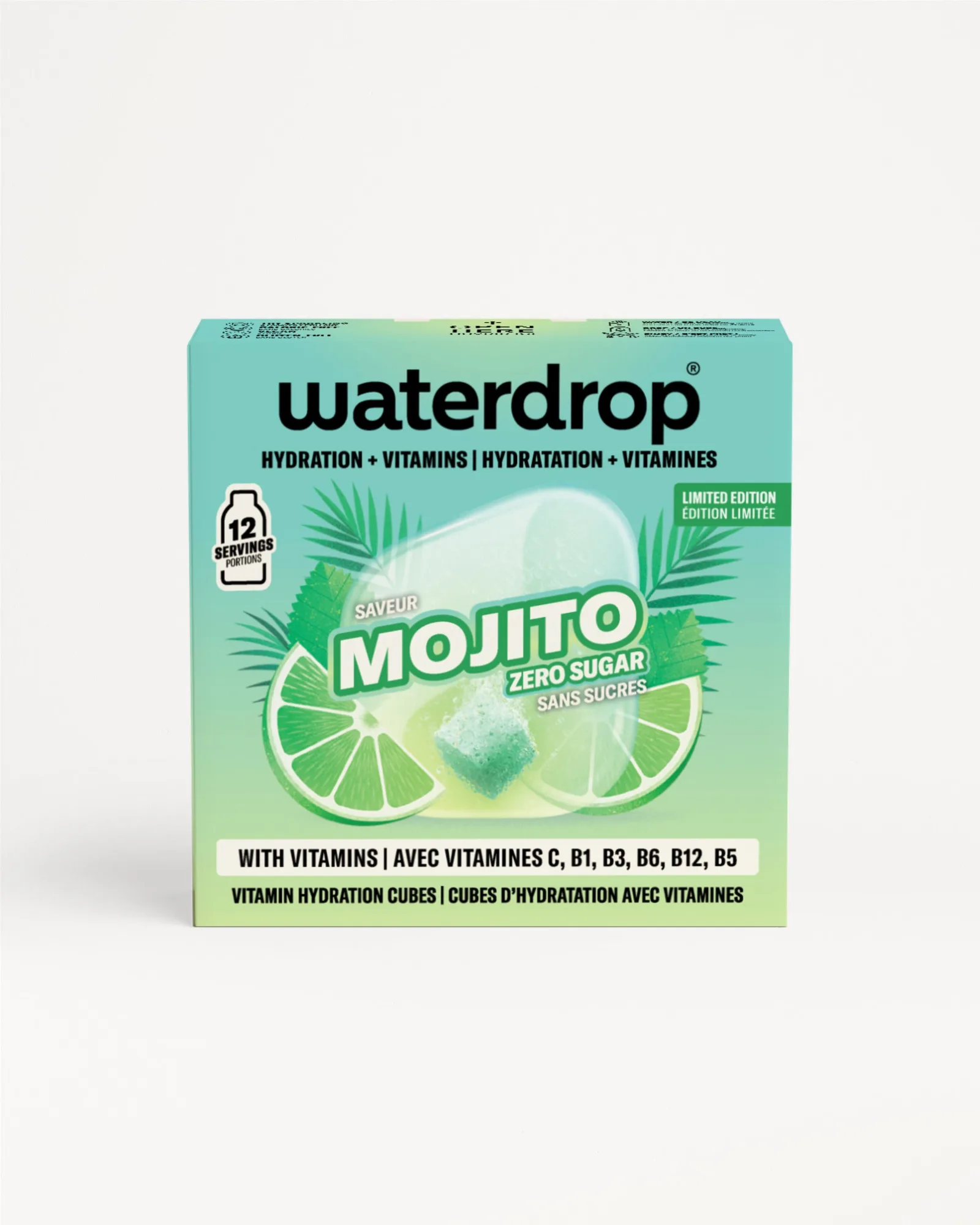
For those who enjoy variety, the mojito-rainbow-glass-set-96644">Mojito Rainbow Glass Set brings a vibrant, colorful twist to home hydration, combining durable borosilicate glass with playful design.
- Tip: Choose a bottle with a built-in straw or flip lid for one-handed hydration during workouts or commutes.
Sustainability and Material Innovation (2020s and Beyond)
Today, sustainability drives water bottle design more than ever. Consumers demand bottles made from recycled materials, biodegradable components, and renewable resources. Brands are experimenting with plant-based plastics, stainless steel with lower carbon footprints, and glass that is infinitely recyclable. The focus is on creating products that last a lifetime, reducing waste and encouraging reuse.
Design aesthetics have shifted toward minimalism and timelessness, with neutral colors and clean lines that transcend trends. Ergonomic shapes that fit comfortably in hand and cup holders are standard. Additionally, modular systems that allow users to swap lids and accessories extend the life of the bottle and reduce the need for multiple products. The future of water bottle design is circular, where every component is designed for disassembly and recycling.
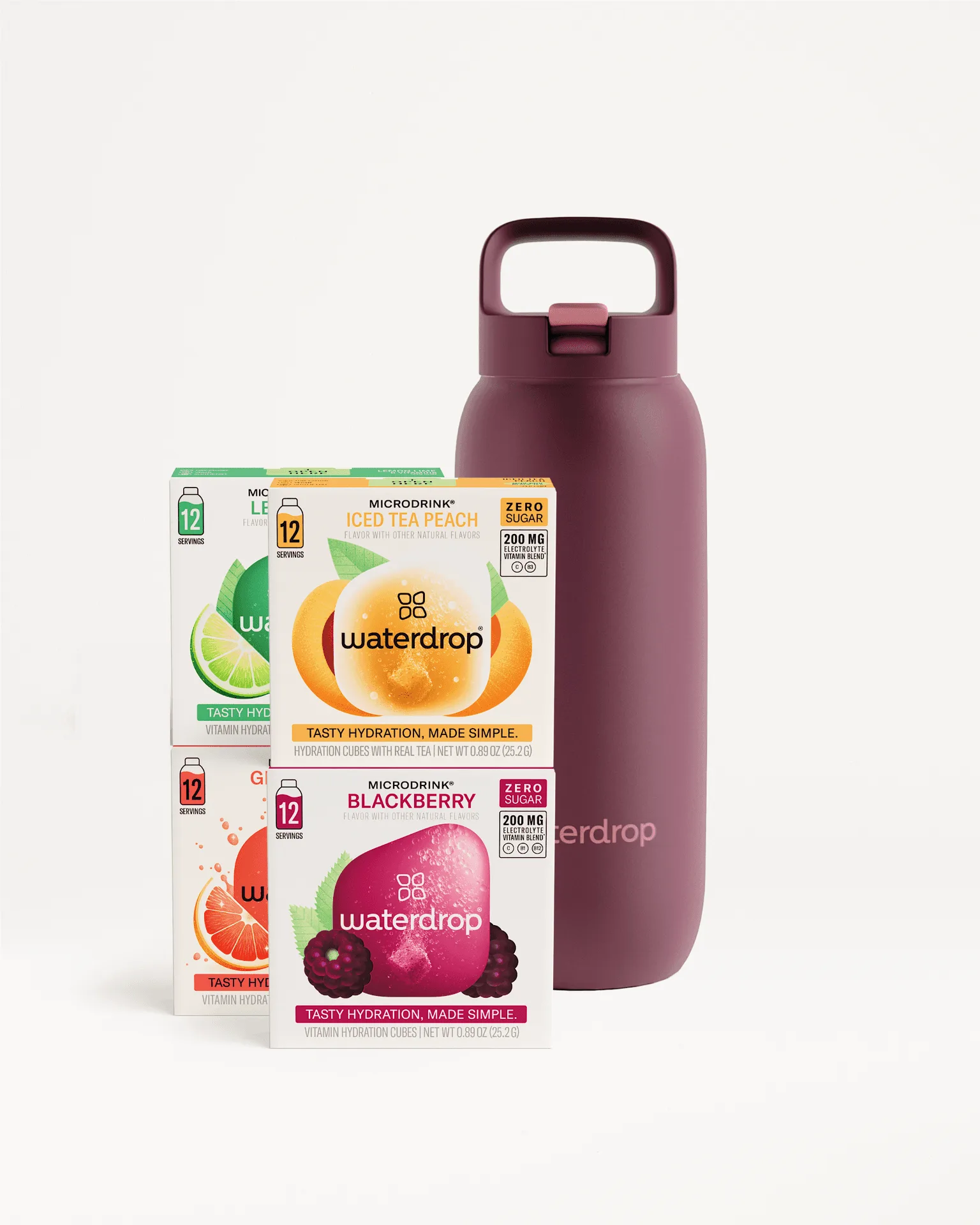
For a complete hydration upgrade, the Deluxe Starter Set includes a premium steel bottle, glass carafe, and a selection of Microdrink flavors, making it easy to stay hydrated in style.
The evolution of water bottle design mirrors our changing relationship with hydration, technology, and the planet. From heavy glass canteens to smart, sustainable bottles, each era has brought innovations that make drinking water more convenient, enjoyable, and eco-friendly. As we look ahead, the trend toward personalization and sustainability will only deepen. Ready to upgrade your hydration game? Explore the Deluxe Starter Set and experience the perfect blend of design and function for your daily water journey.