Quick answer
Replace rubber exhaust isolators as soon as you notice sagging, rattling, or visible cracks. Worn rubber loses its ability to hold the exhaust firmly, which lets pipes swing into the frame or driveshaft. Catching it early is a cheap fix; ignoring it can crack hangers, stress welds, and lead to a full exhaust replacement.
Symptoms that point to worn isolators
A failing rubber isolator rarely announces itself with a single dramatic event. Instead, you get a cluster of small annoyances that get worse over time. The most common is a rattle or clunk when you go over bumps, accelerate, or shut the engine off. You might also hear a metallic buzz at certain RPMs because the exhaust is now touching the frame or a heat shield. A visual check often shows the rubber stretched, cracked, or separated from the metal bracket.
- Rattle or clunk over bumps or during engine shutdown
- Exhaust tip visibly lower on one side or bouncing
- Rubber isolator cracked, swollen, or missing chunks
- Shiny wear marks on pipes or frame where they rub
Why rubber isolators fail and what happens next
Rubber isolators are designed to absorb vibration and allow slight movement as the exhaust expands with heat. Over time, exposure to ozone, road salt, oil, and constant flexing hardens the rubber. Once it hardens, it can crack and tear. When an isolator fails, the exhaust system no longer has proper support. That extra movement puts stress on the hangers, welds, and flange connections. In the worst case, a sagging pipe can contact the driveshaft or fuel lines, which is a safety concern.
How to inspect and replace rubber mounts
Park on a level surface and let the exhaust cool completely. Support the exhaust with a jack stand or a strap before removing any isolator. Inspect each rubber mount for cracks, missing pieces, or excessive stretch. Also check the metal hangers for bends or rust. Replacement is straightforward: unbolt or pry the old isolator off, clean the hanger rod, and slip on a new rubber isolator. A little silicone spray or soapy water helps it slide on. Never use oil-based lubricants, which degrade rubber.
- Support the exhaust before removing any isolator
- Replace isolators in pairs if one side is worn
- Use silicone spray or soapy water for installation
- Check hanger rods for rust and straighten if needed
When to stop and consider a different fix
If the hanger rod itself is rusted through or bent, a new rubber isolator alone won't solve the problem. You may need to replace the hanger or the entire exhaust section. Similarly, if the rattle comes from internal muffler failure or a loose heat shield, isolators won't help. If you find that the exhaust pipe is cracked or heavily corroded near the hanger, replacing the whole direct-fit kit is often more cost-effective than patching. For performance exhaust systems, a worn isolator can also cause drone or alignment issues, so upgrading to a polyurethane mount may be worth considering if you drive aggressively.
Diagnosis: symptom, cause, action, and stop point
- Rattle over bumps: Rubber isolator has hardened or cracked, allowing metal-to-metal contact between exhaust and frame. Replace the isolator. If the rattle persists, check for a loose heat shield or internal muffler damage.
- Exhaust tip sagging on one side: One or more isolators have stretched or torn, causing the exhaust to hang unevenly. Replace isolators in pairs. If the hanger rod is bent, straighten or replace it before installing new rubber.
- Visible cracks or missing rubber chunks: Rubber has aged and failed due to heat, ozone, and road chemicals. Replace immediately. If the exhaust pipe is also cracked or heavily rusted, consider a direct-fit replacement kit instead of just isolators.
Replacement options that include new hardware
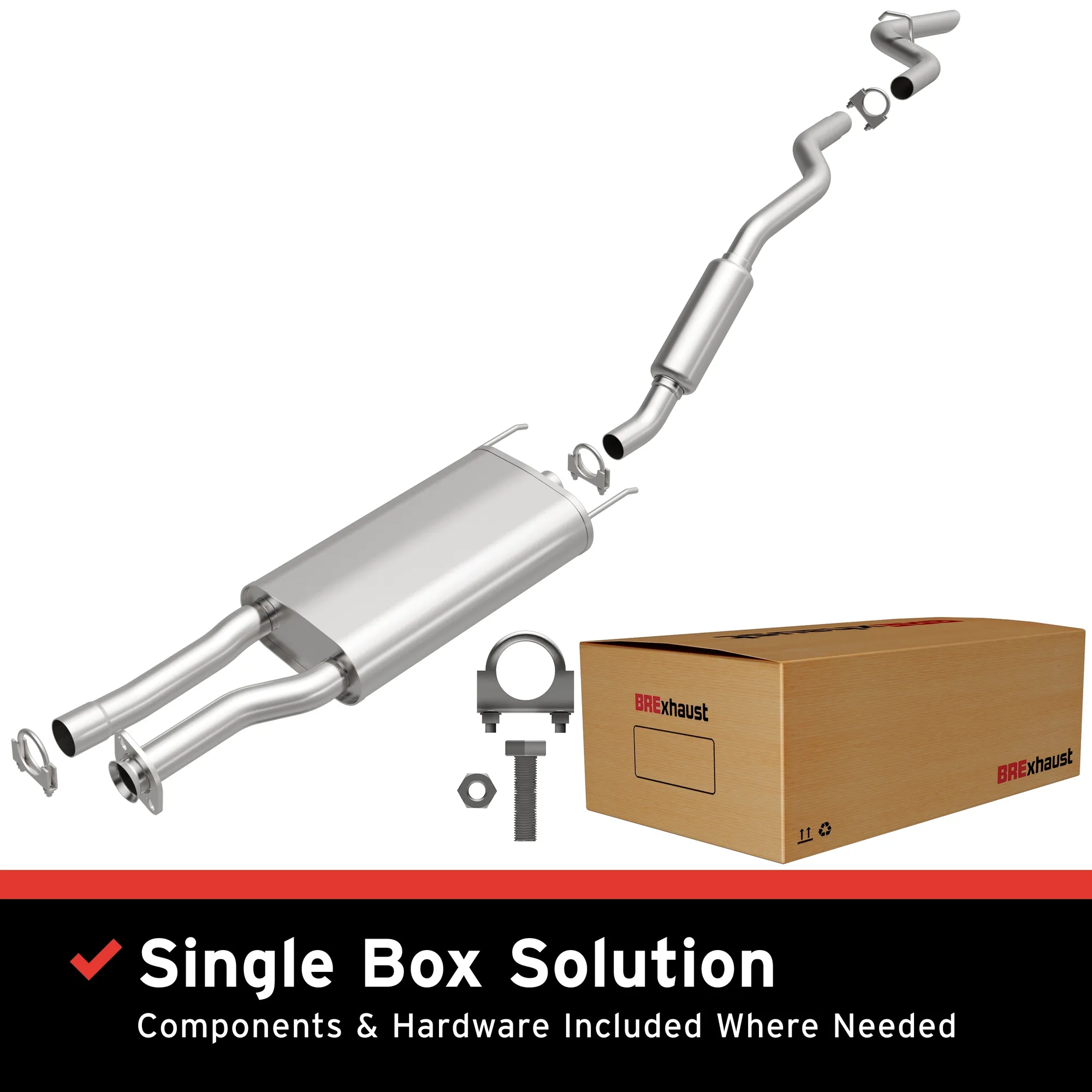
- BRExhaust 1997-2000 Ford Explorer 4.0L / 1998-2000 Mercury Mountaineer 4.0L Direct-Fit Exhaust System Kit 106-0260: BRExhaust Direct-Fit Replacement Exhaust Kit 106-0260 includes all gaskets and clamps needed for installation and uses precision mandrel bent pipes for superior exhaust flow compared to crush-bent pipes. If your current exhaust is corroded or you want to eliminate multiple worn components at once, this kit provides a complete, bolt-on solution with new hardware.
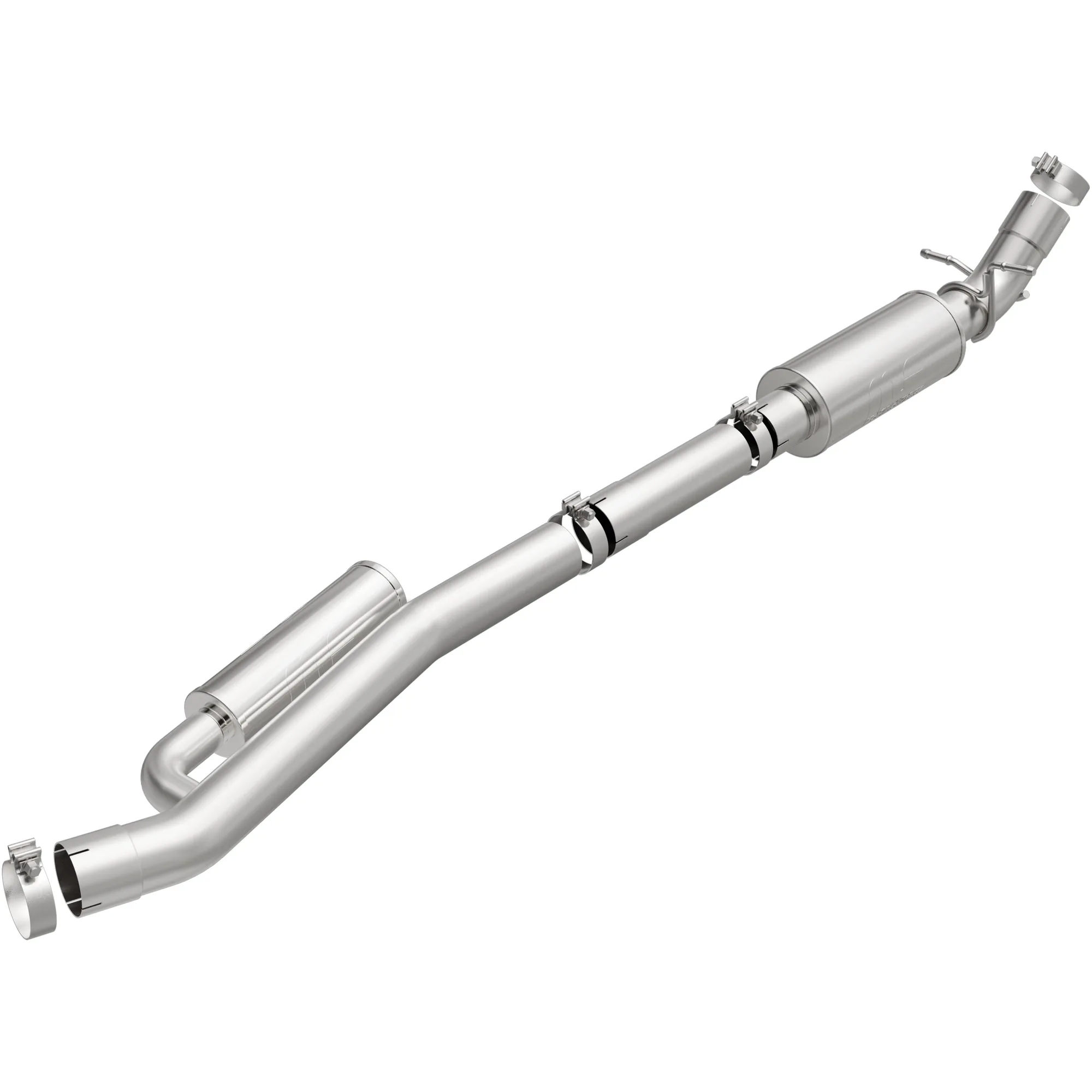
- MagnaFlow D-Fit Series Performance Exhaust Muffler Replacement Kit Direct-Fit with Muffler 19534: MagnaFlow D-Fit Performance Exhaust Muffler Replacement Kit 19534 replaces the restrictive factory muffler with fast-flowing mandrel bent 4in. tubing while maintaining the OEM piping and tailpipe, and is produced using CNC precision robotic manufacturing. For drivers who want improved exhaust flow without replacing the entire system, this direct-fit kit is a targeted upgrade that can work alongside new isolators.