Quick Answer
For most direct-fit replacement exhaust and catalytic converter jobs, DIY is the better value if you have a second vehicle, jack stands, and hand tools, because direct-fit parts install without cutting or welding. Choose a shop when the vehicle is your only transportation, the fasteners are rusted solid, or the job requires a lift and torch.
A direct-fit exhaust or catalytic converter replacement is one of the few repair jobs where the part itself does most of the work. When the replacement is modeled on the factory geometry, the install is mostly unbolting and bolting, which is why so many owners weigh the DIY exhaust replacement vs shop decision on time and tools rather than skill.
The honest trade-off is that DIY saves the exhaust labor cost but costs you a weekend, a set of ramps or jack stands, and the risk of a seized bolt turning a two-hour job into a two-day one. A shop removes that risk but adds a labor line to the bill. This comparison lays out both paths using real direct-fit parts and the facts that actually decide the call.
What You Are Actually Comparing
The comparison is not simply money versus convenience. On a direct-fit replacement, the part is designed to bolt to factory hanger locations and flanges, so the labor is removal and installation rather than fabrication. That is why exhaust labor cost for a direct-fit job is usually quoted in hours, not in custom pipe work.
On the DIY side, your costs are tools, consumables like penetrating oil and new gaskets, and your own time. On the shop side, you pay for those hours plus disposal and any incidental hardware. The gap between the two is the real number to compare, and it shrinks as the job gets more complex.
- Direct-fit parts remove the welding and cutting that drive up shop labor.
- Rusted factory hardware is the most common reason a DIY job runs long.
- Ask a shop for an hours estimate, not just a total, so you can compare fairly.
Tools and Space: The Real DIY Gate
You do not need a lift for most direct-fit exhaust work, but you do need safe access. Jack stands or ramps, a good penetrating oil, a breaker bar, and a socket set cover the majority of jobs. An oxygen sensor socket and a torque wrench matter when the job touches a converter or sensor bung.
Cold, cramped, or shared parking changes the math. If you cannot safely raise the car and leave it raised overnight, a shop becomes the practical choice even when you have the skills. This is a space decision, not a talent decision.
- Ramps are easier for exhaust access; jack stands give you more room to swing a breaker bar.
- Soak flange bolts with penetrating oil the day before, not the hour before.
- Never work under a car supported only by a jack.
Where a Shop Earns Its Labor
A shop earns its fee on the jobs where rust, heat, or access turns simple into stubborn. Seized flange nuts, corroded hangers, and oxygen sensors fused into a manifold are the usual culprits. A shop has the torch, the lift, and the replacement hardware on hand when a bolt snaps.
A professional exhaust install also includes a check for leaks and cleared codes after the work. If you are not comfortable chasing a check engine light, paying for that verification is reasonable. The trade-off is straightforward: you trade money for reduced risk and time.
- Ask whether the quote includes new gaskets, clamps, and hardware.
- Confirm the shop will scan and clear codes after the install.
- Get the old converter back if it has core value in your area.
Catalytic Converter Install DIY: The Compliance Question
A catalytic converter install DIY is more sensitive than a muffler swap because the part must match your emissions requirements. Federal and EPA-compliant converters and California CARB-compliant converters are not interchangeable in every state. Buying the wrong one wastes the savings from doing it yourself.
Direct-fit converters from MagnaFlow are built to install without cutting or welding, which keeps the DIY path realistic. The catch is that you must confirm the compliance grade for your vehicle and state before you order. That check takes five minutes and prevents the most expensive mistake in this job.
- Match the converter grade to your state before ordering, not after.
- Direct-fit means no fabrication, but you still need the correct flanges and gaskets.
- Keep the receipt; emissions paperwork may be requested later.
Time, Risk, and the Honest Trade-Off
DIY wins on cost when the hardware cooperates and you have a backup vehicle. Shop wins when the vehicle is your daily driver, when rust is visible at the flanges, or when the job involves a manifold-mounted converter with limited access. Neither option is universally cheaper once you price your own time and risk.
A practical middle path exists: buy the direct-fit part yourself and pay a shop only for installation. That keeps parts pricing transparent while offloading the rust risk. It is often the best of both, especially on older vehicles.
- If you have a second car and a free weekend, DIY is usually worth it.
- If rust is heavy or access is tight, budget for a shop from the start.
- Buying your own direct-fit part and paying for labor is a valid hybrid.
DIY vs Shop Trade-Offs at a Glance
- Cost: DIY removes the exhaust labor cost but adds tools and your time. A shop adds labor hours but includes disposal and often hardware. Compare quoted hours against your real free time, not an ideal weekend.
- Risk: Rusted flange bolts and seized oxygen sensors are the main failure points. A shop absorbs that risk with a torch and spare hardware. If you see heavy rust at the flanges, lean toward a shop.
- Fitment: Direct-fit parts install without cutting or welding, which favors DIY. Compliance grade, not fitment, is the part that most often goes wrong. Verify Federal/EPA or CARB compliance for your state before ordering.
Direct-Fit Parts That Change the DIY Math
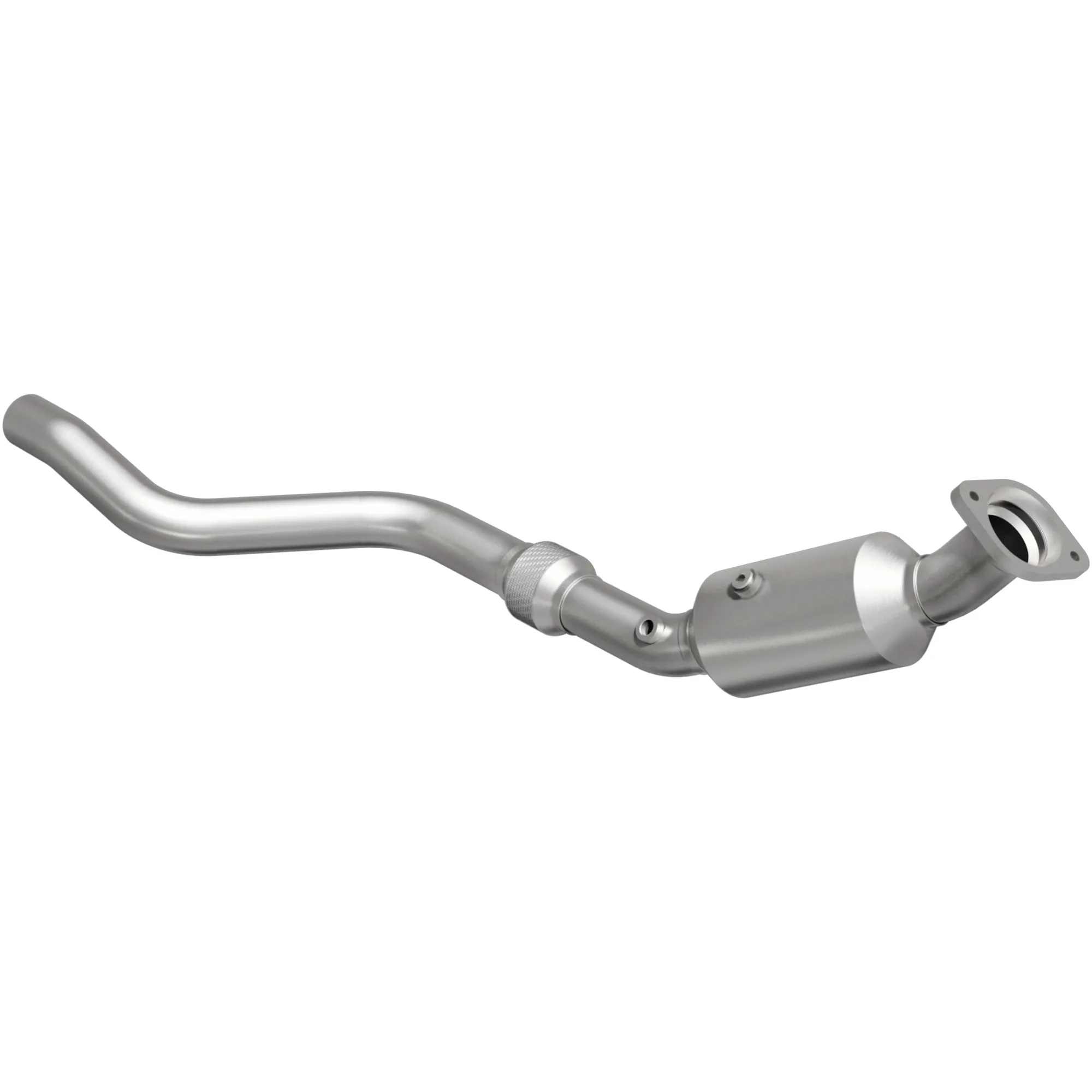
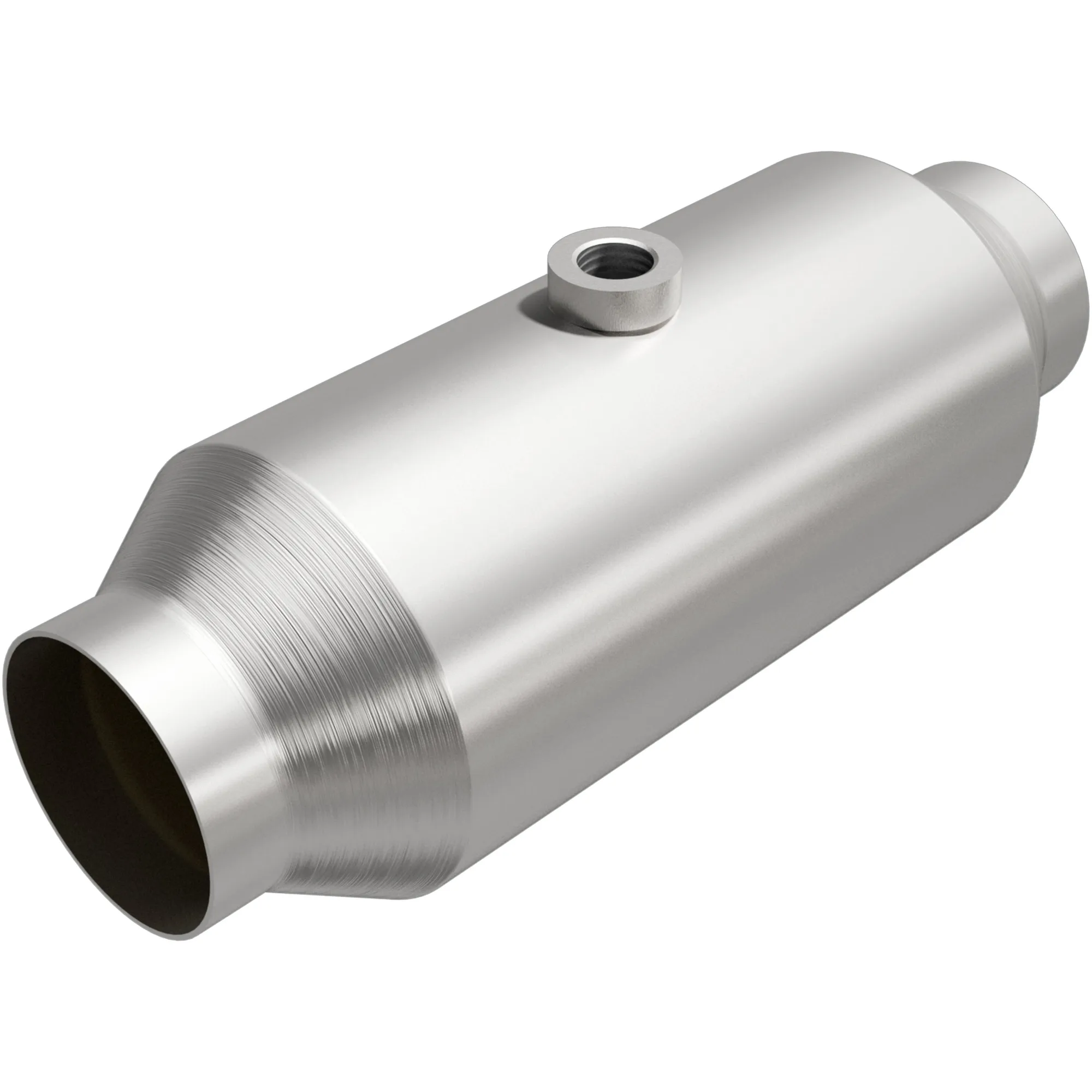
- MagnaFlow OEM Grade Federal / EPA Compliant Direct-Fit Catalytic Converter 49243: Free-flowing mandrel-bent tubing and corrosion-resistant stainless steel construction, with a direct-fit design that installs using proper tools and requires no cutting or welding. No cutting or welding is what makes a DIY converter install realistic in a driveway instead of a fabrication shop.
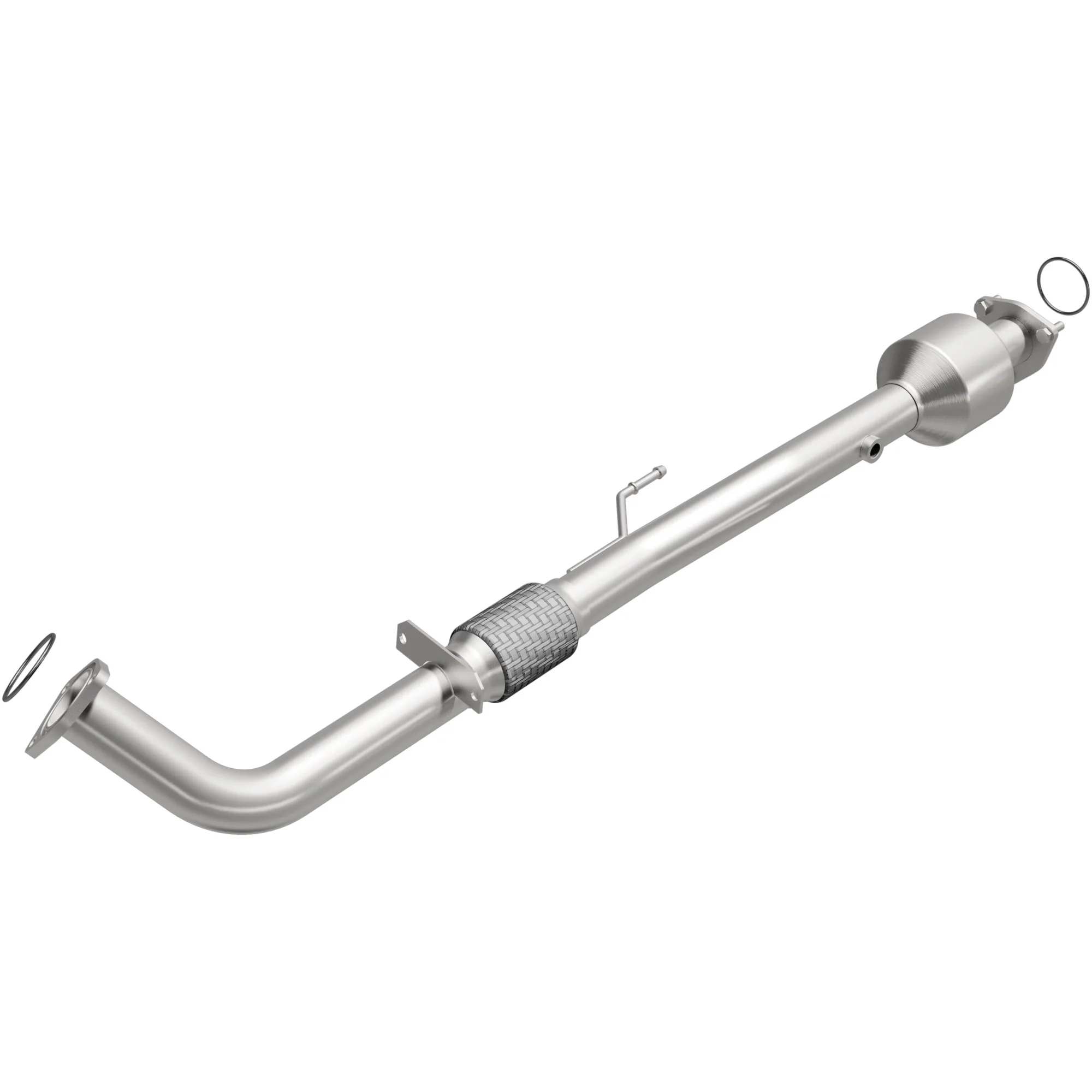
- MagnaFlow 2013-2014 Honda Accord 2.4L California Grade CARB Compliant Direct-Fit Catalytic Converter 5671023: California Grade CARB Compliant direct-fit converter with mandrel-bent tubing and stainless steel construction, installable without cutting or welding. If you register in a CARB state, the compliance grade is the deciding factor, not the install method.
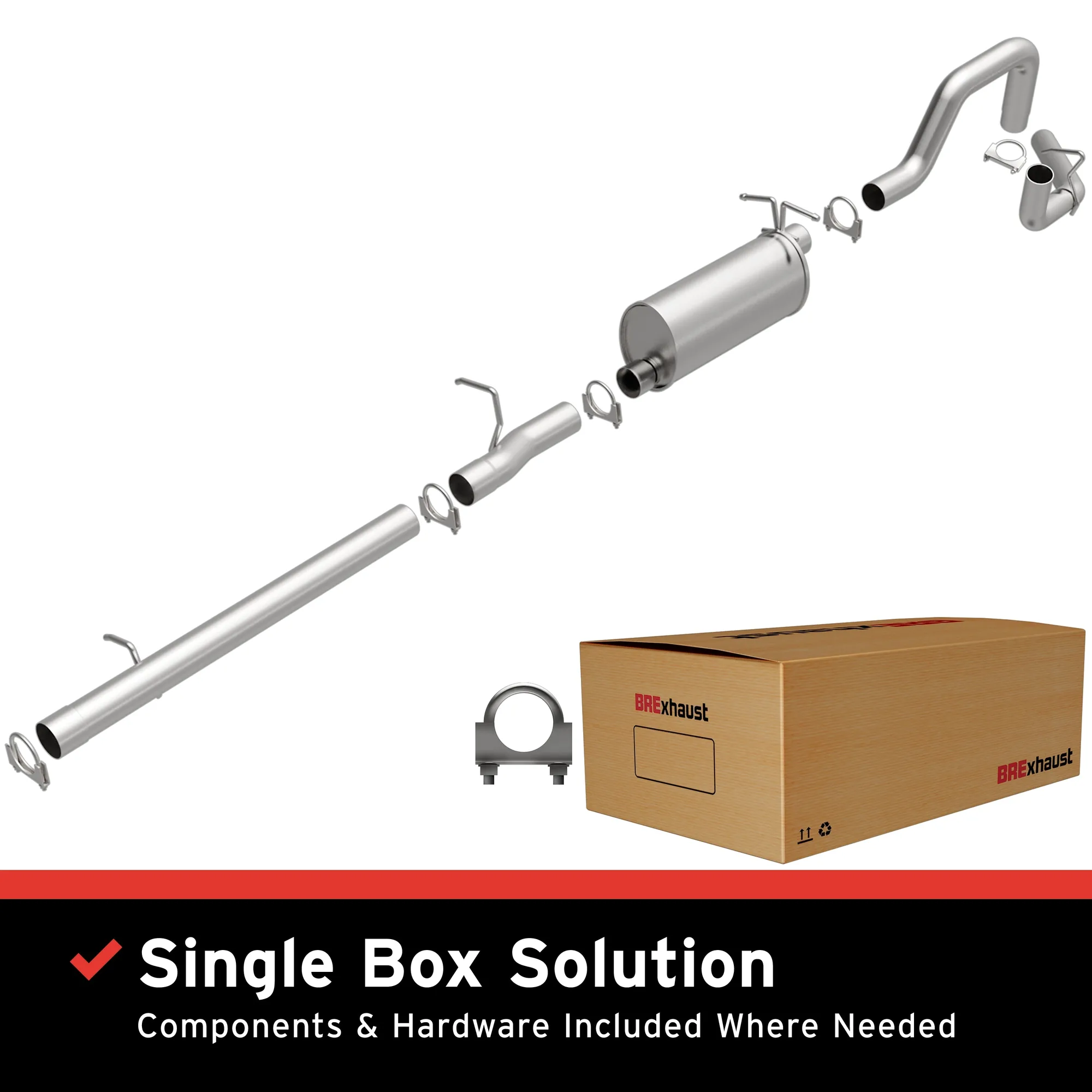
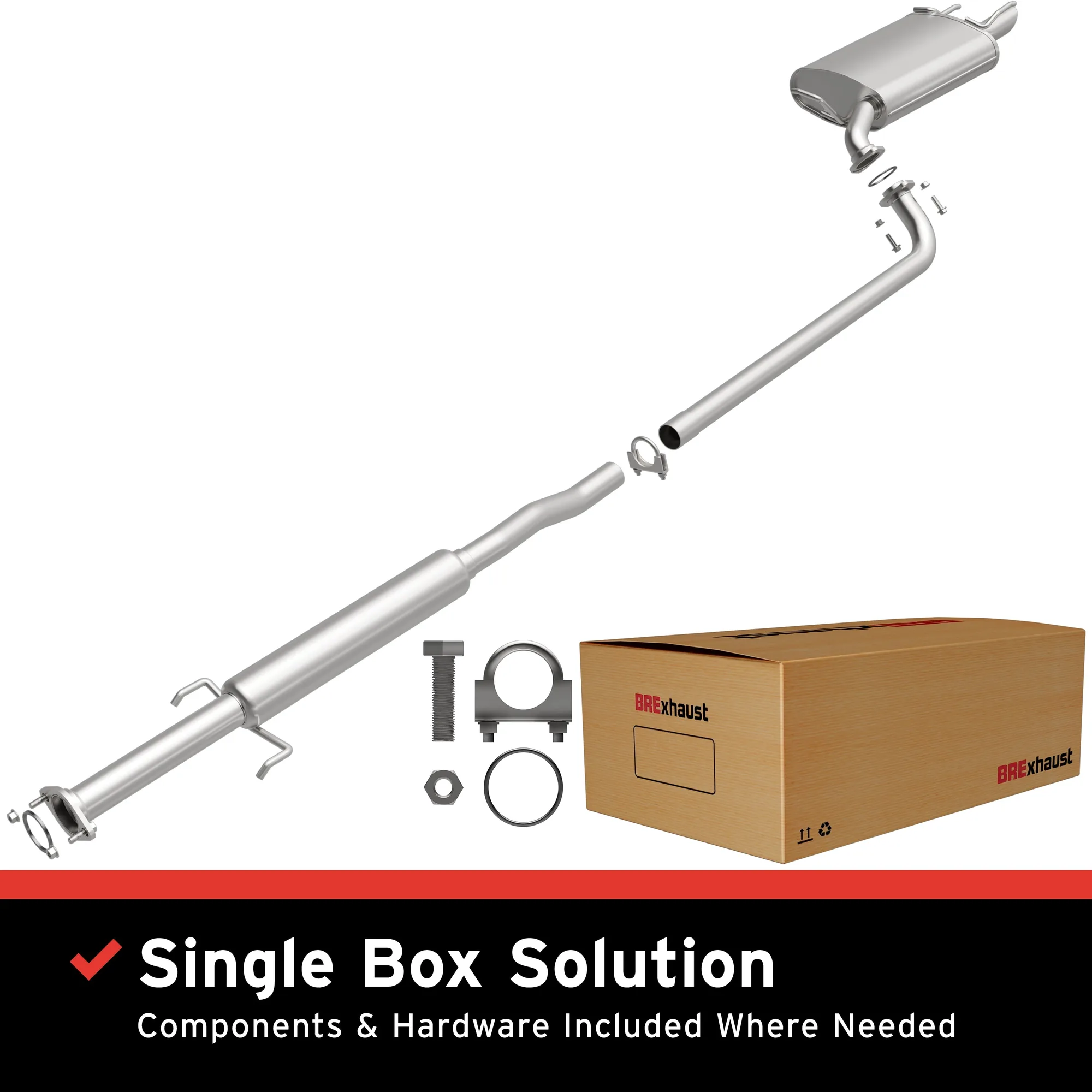
- https://magnafloweb.com/products/106-0280-brexhaust-direct-fit-exhaust-system-kit-106-02-2c5e281510402cb843dc8419-2681882https://magnafloweb.com/products/brexhaust-direct-fit-exhaust-system-kit-2-73fd2fa124aab8b8c8cdc546-2677833BRExhaust Direct-Fit Exhaust System Kit 106-0280: A direct-fit replacement exhaust kit that includes the gaskets and clamps needed, with precision mandrel-bent pipes for better flow than crush-bent pipes. Included gaskets and clamps remove a common mid-job parts run and make a weekend DIY replacement more predictable.
Which Route Fits You
DIY is best for
- Owners with a second vehicle, safe jack stands or ramps, and basic hand tools
- Direct-fit exhaust or converter jobs on vehicles with clean, rust-free flanges
- Drivers who want to keep parts pricing transparent and save the labor cost
A shop is better for
- Vehicles that are the only means of transportation
- Jobs with heavy rust, seized hardware, or a manifold-mounted converter with tight access
- Owners who do not want to chase codes or verify emissions compliance themselves
There is no universal winner in the DIY vs shop decision. Match the route to your access, your rust, and your compliance requirements, and either path can get the job done correctly.