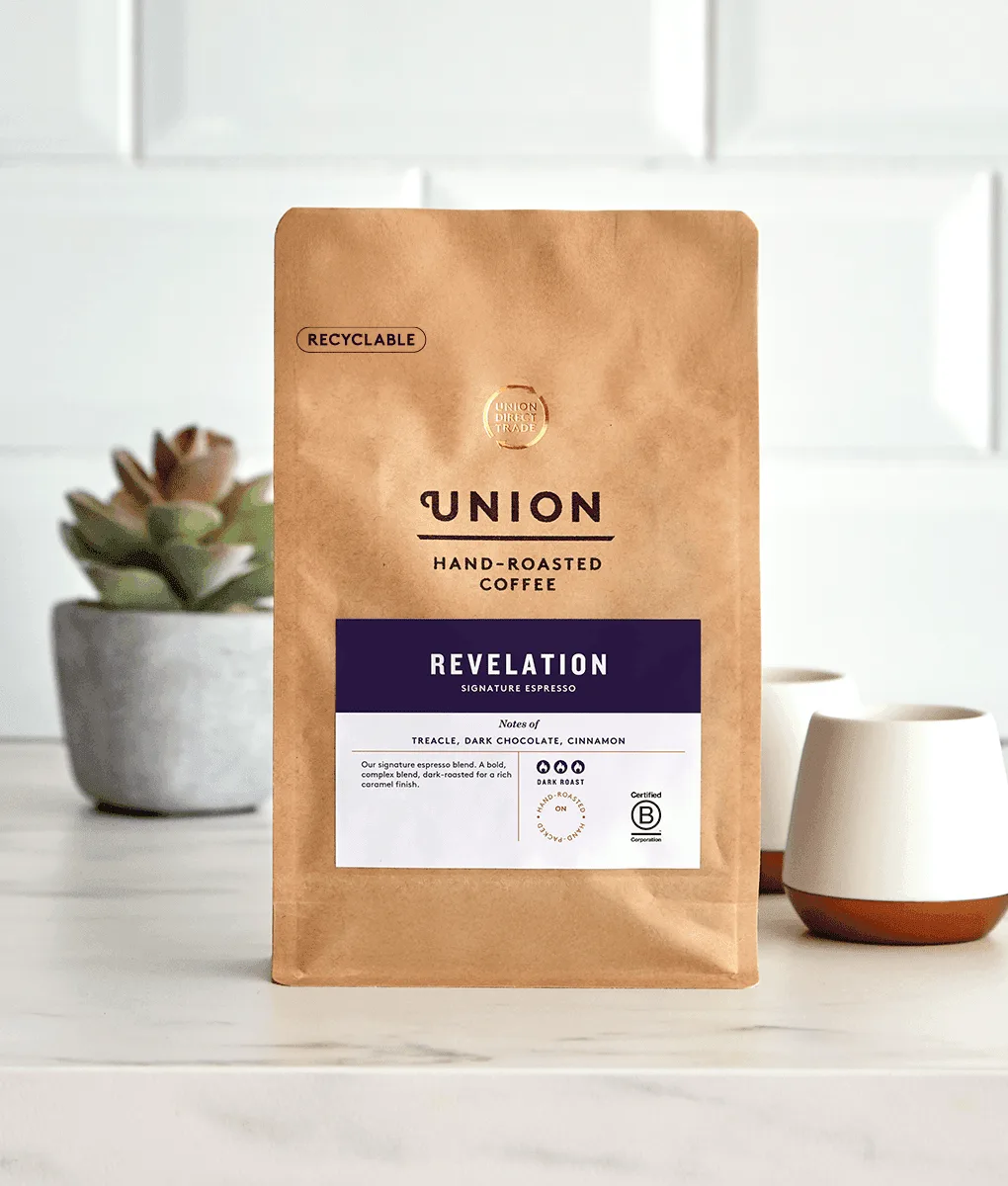
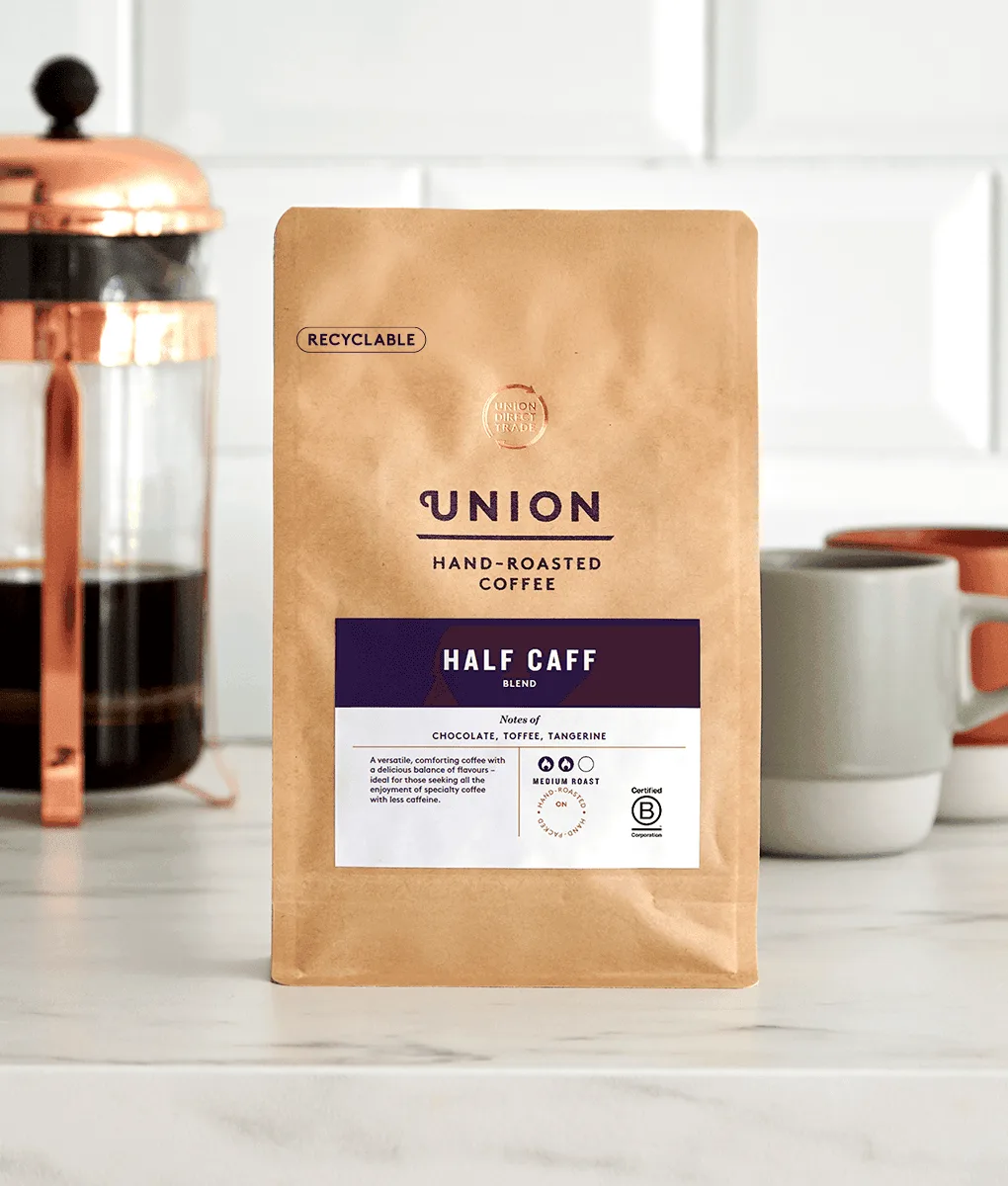
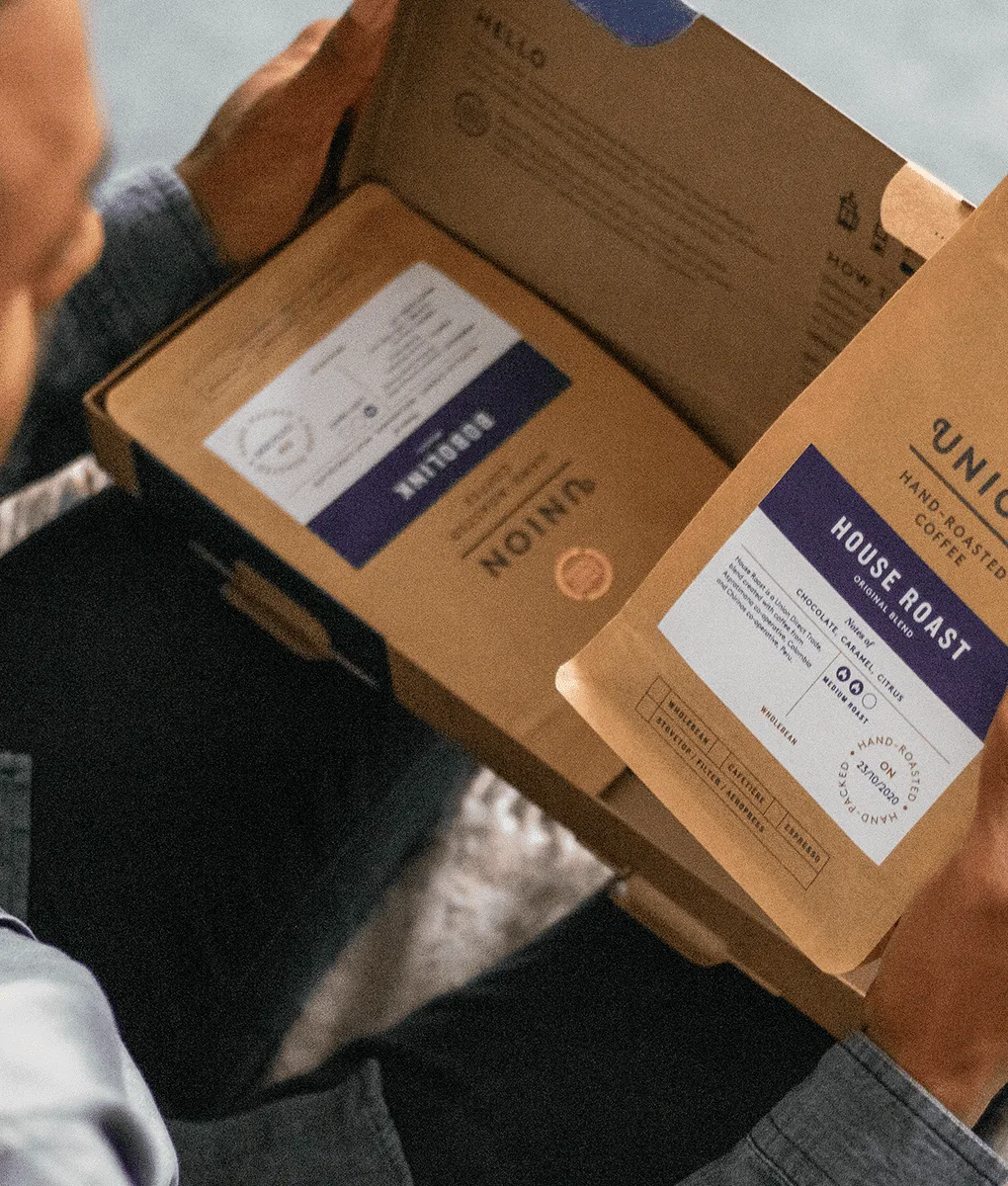
Single origin coffee offers a direct window into the terroir, processing methods, and unique characteristics of a specific region. Unlike blends that aim for balance and consistency, single origin beans showcase the distinct flavors that make each coffee-growing area special. Whether you're a seasoned coffee enthusiast or just beginning to explore specialty coffee, understanding flavor profiles can transform your daily cup into a sensory adventure.
At Union Coffee, we take pride in sourcing exceptional single origin coffees that highlight the best of their origins. In this guide, we'll explore two of our standout single origin offerings: Banko Dhadhato, Ethiopia and Timana, Colombia. We'll break down their tasting notes, ideal brewing methods, and what makes them truly special. By the end, you'll have the tools to appreciate and describe the complexity in every sip.
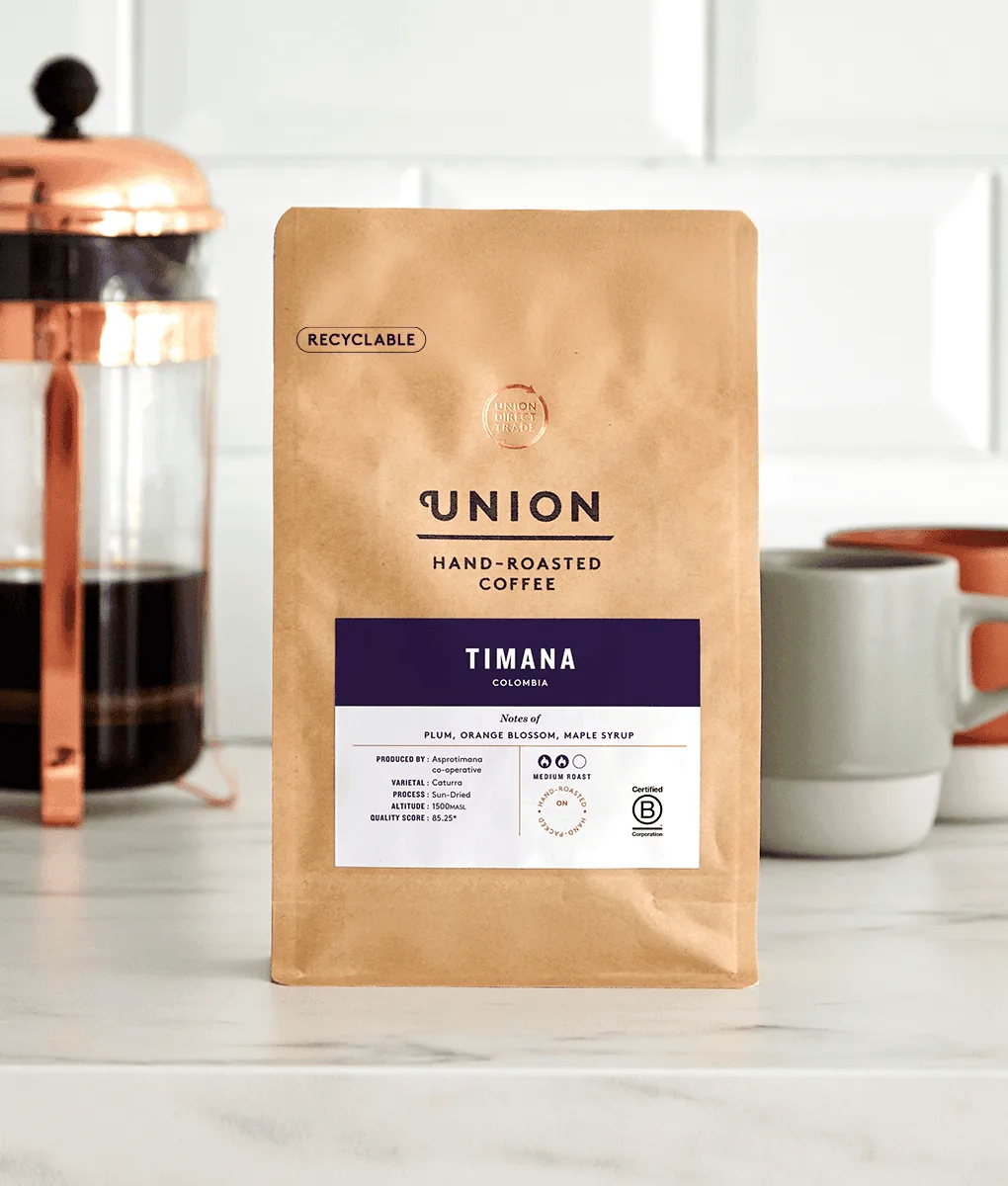
Timana, Colombia
What Makes Single Origin Coffee Unique?
Single origin coffee refers to beans sourced from a single farm, cooperative, or region within a specific country. This traceability allows coffee lovers to experience the pure expression of the land—its altitude, soil composition, rainfall, and even the local processing traditions. For example, Ethiopian coffees are often known for their floral and fruity notes, while Colombian beans tend to offer a balanced, nutty sweetness with bright acidity.
The flavor profile of a single origin coffee is influenced by several factors: the variety of the coffee plant, the altitude at which it's grown, the processing method (washed, natural, or honey), and the roast level. Lighter roasts preserve more of the bean's intrinsic character, making them ideal for single origin exploration. When you brew a single origin coffee, you're tasting the story of that specific harvest.
- Tip: Use a pour-over method like the Clever Dripper to highlight the delicate notes of single origin coffees.
Banko Dhadhato, Ethiopia: A Floral and Fruity Delight
Our Banko Dhadhato, Ethiopia single origin coffee is a shining example of what makes Ethiopian coffee world-renowned. Grown in the Yirgacheffe region, this coffee is processed using the washed method, which enhances its clarity and brightness. Expect a vibrant cup with notes of jasmine, bergamot, and stone fruit—think ripe peach or apricot. The body is light to medium, with a silky mouthfeel and a clean, tea-like finish.
This coffee is best enjoyed as a pour-over or with a brewer that allows the delicate flavors to shine. We recommend using a medium-fine grind and water just off the boil (around 93°C) to extract the full spectrum of aromatics. Pair it with a light pastry or fresh fruit for a delightful breakfast experience. For those who appreciate complexity, this Ethiopian single origin is a must-try.
- Flavor notes: Jasmine, bergamot, peach, apricot
- Best brewing methods: Pour-over, Aeropress, Clever Dripper
Timana, Colombia: Balanced and Sweet with Bright Acidity
Colombian coffee is celebrated for its smooth, well-rounded profile, and our Timana, Colombia single origin is no exception. Sourced from the Huila region, this coffee is grown at high altitudes, which contributes to its bright acidity and complex sweetness. Expect tasting notes of red apple, caramel, and a hint of milk chocolate. The body is medium, with a creamy mouthfeel and a lingering, pleasant finish.
Timana is incredibly versatile and works beautifully across various brewing methods. It shines as a drip coffee, in a French press, or even as an espresso. For a full-flavored cup, try a medium grind and a slightly longer extraction time. This coffee pairs wonderfully with chocolate desserts or a simple buttered toast. Its balance makes it an excellent daily driver for those who want a reliable, flavorful cup.
- Flavor notes: Red apple, caramel, milk chocolate
- Best brewing methods: Drip, French press, espresso
How to Taste and Describe Single Origin Coffee Like a Pro
To fully appreciate single origin coffee, practice mindful tasting. Start by smelling the dry grounds—note any floral, fruity, or earthy aromas. After brewing, take a moment to inhale the steam. Then, take a small sip and let the coffee coat your tongue. Pay attention to the acidity (brightness), body (weight), and finish (aftertaste). Try to identify specific flavors: is it citrusy, berry-like, nutty, or chocolatey?
Use a coffee tasting wheel to expand your vocabulary. Common descriptors for single origin coffees include floral (jasmine, lavender), fruity (berry, stone fruit), nutty (almond, hazelnut), and sweet (caramel, honey). Don't be afraid to compare different origins side by side. This practice not only enhances your palate but also helps you choose the perfect coffee for your mood or brewing method.
- Step 1: Smell the dry grounds
- Step 2: Observe the aroma after brewing
- Step 3: Sip and identify acidity, body, and finish
Brewing Tips for Single Origin Coffees
To get the most out of your single origin coffee, pay attention to water quality and temperature. Use filtered water and aim for 92-96°C depending on the roast level. Grind size matters: finer for pour-over, coarser for French press. A good starting ratio is 60 grams of coffee per liter of water. Experiment with these variables to find your perfect cup.
Investing in quality equipment can elevate your experience. For example, the Clever Dripper Brewer, with 100 filters is an excellent choice for single origin coffees because it combines immersion and pour-over techniques, allowing for even extraction and clean flavors. Similarly, a precise grinder ensures consistency. Remember, freshness is key—buy whole beans and grind just before brewing.
- Recommended equipment: Clever Dripper, gooseneck kettle, burr grinder
Exploring single origin coffees is a rewarding journey that deepens your appreciation for specialty coffee. Whether you're drawn to the floral complexity of Banko Dhadhato, Ethiopia or the balanced sweetness of Timana, Colombia, each cup tells a story of origin and craftsmanship. We invite you to browse our single origin selection and discover your new favorite. Start your tasting adventure today with our Banko Dhadhato, Ethiopia single origin coffee.