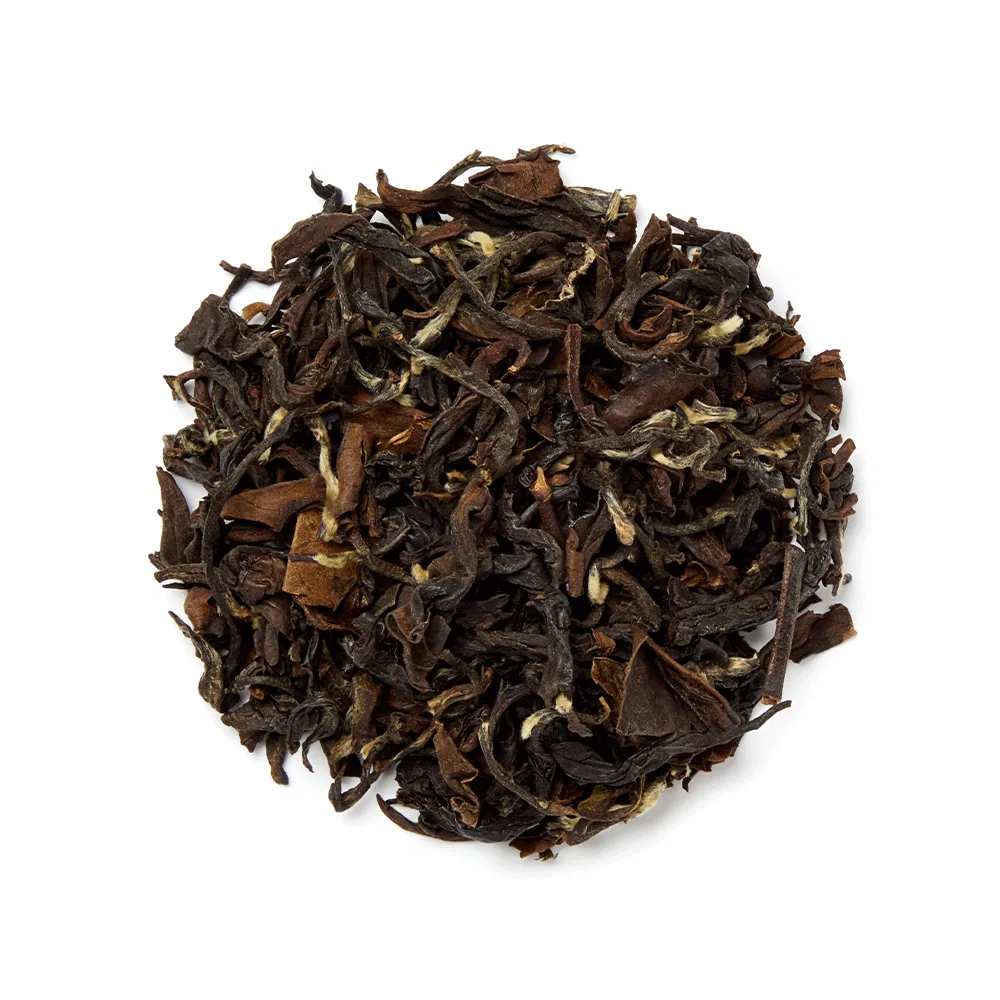
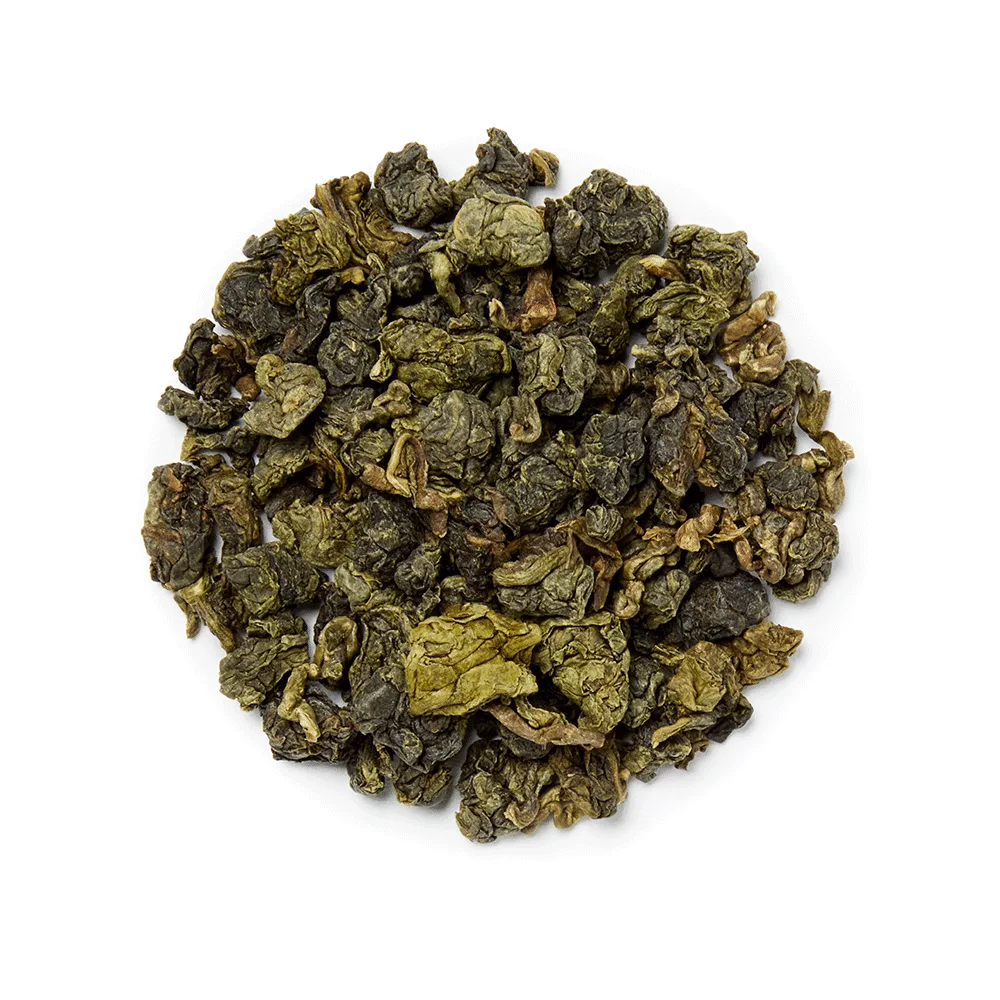
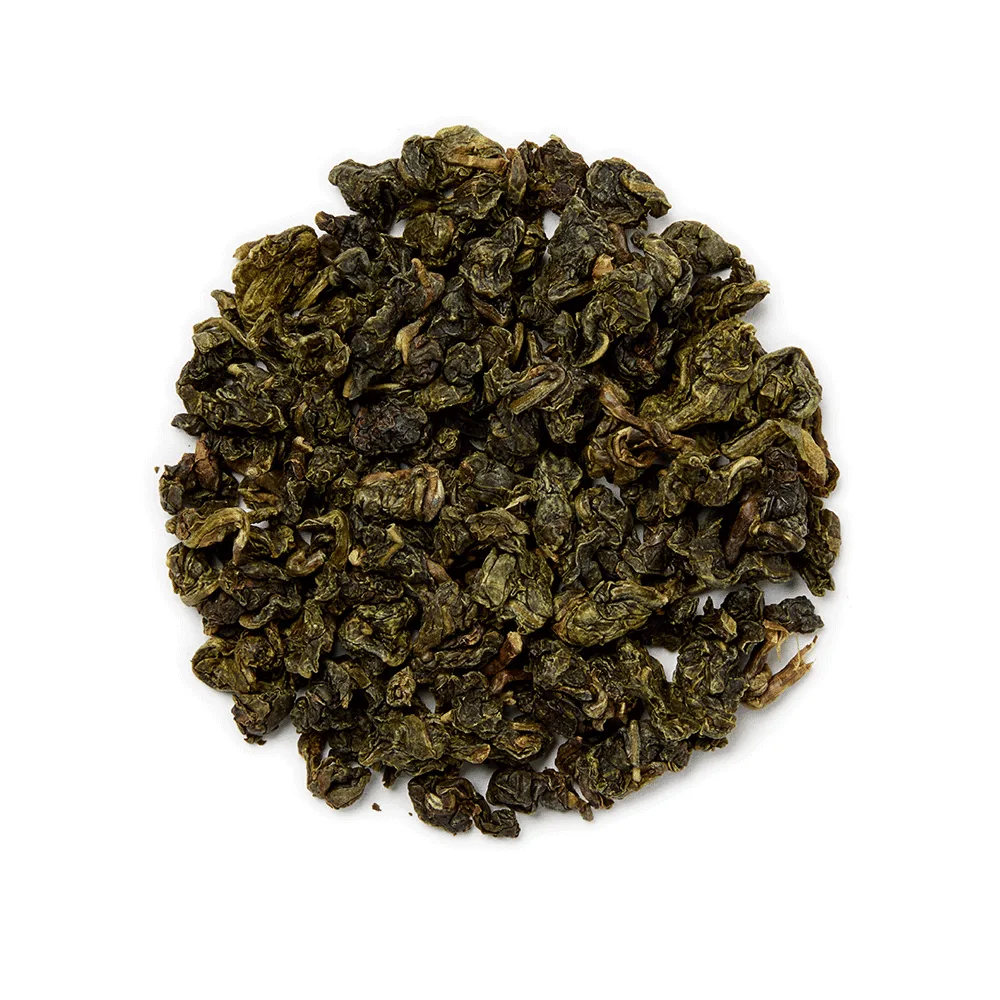
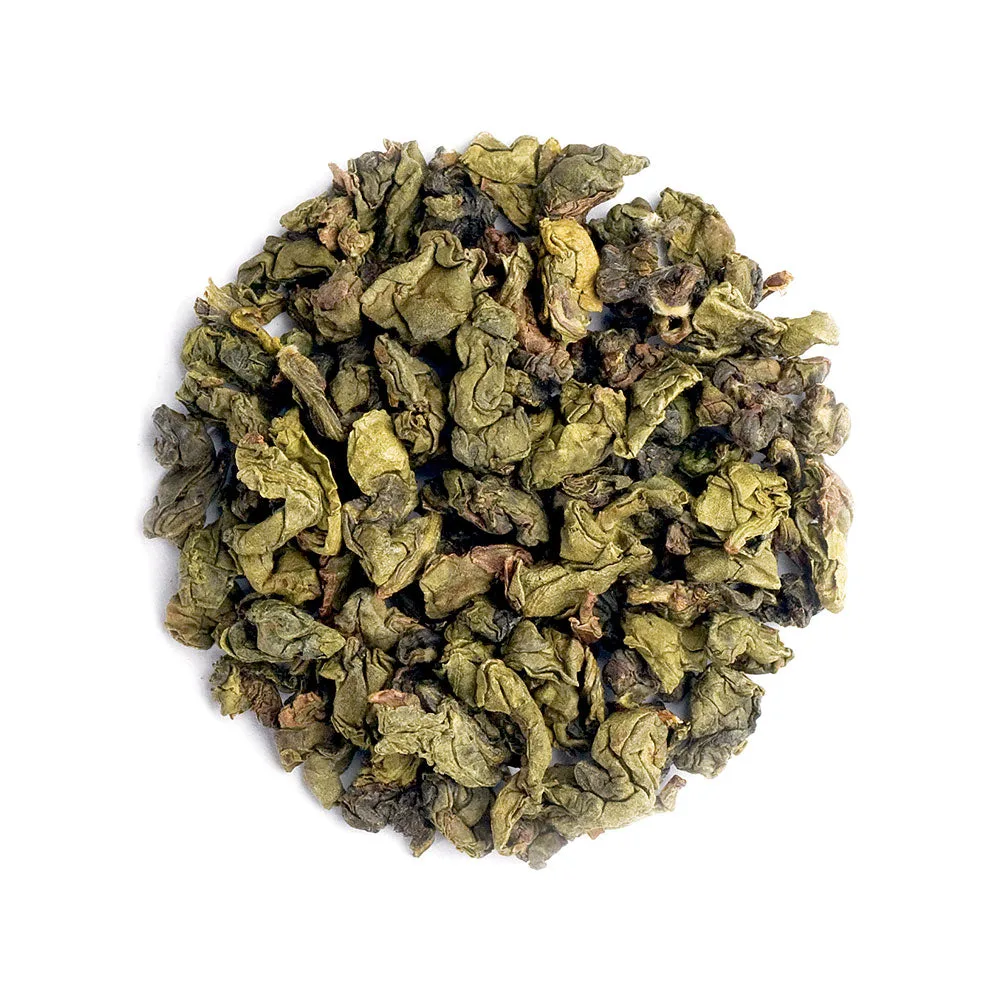
High mountain oolong tea is one of the most revered categories in the world of premium tea. Grown at elevations above 1,000 meters in the misty mountains of Taiwan, these teas offer a remarkable complexity of flavor, aroma, and mouthfeel that sets them apart from any other oolong. For tea lovers seeking a truly transcendent experience, high mountain oolong represents the pinnacle of craftsmanship and terroir.
In this article, we explore what makes high mountain oolong so special—from the unique growing conditions that shape its character to the careful processing that preserves its delicate notes. Whether you are a seasoned tea connoisseur or a curious newcomer, understanding the magic behind these Taiwanese treasures will deepen your appreciation for every sip.
The Terroir of High Mountain Oolong
The term 'high mountain oolong' refers to teas grown at elevations typically between 1,000 and 2,600 meters in Taiwan’s central mountain ranges. The high altitude creates a microclimate of cool temperatures, frequent fog, and abundant rainfall. These conditions slow the growth of the tea plant, allowing leaves to develop a denser concentration of amino acids, sugars, and aromatic compounds. The result is a tea that is naturally sweet, smooth, and layered with floral and creamy notes.
The mist that often blankets these mountains also filters sunlight, producing a softer light spectrum that encourages the development of complex volatile compounds. This is why high mountain oolongs are famous for their rich orchid-like fragrance and a lingering, buttery finish. The soil, rich in minerals from volcanic rock, adds another dimension to the flavor profile. Each region—such as Alishan, Li Shan, or Da Yu Ling—imparts its own subtle signature, making exploration a rewarding journey.
- Look for teas labeled with specific mountain origins like Alishan or Li Shan for authentic high mountain character.
Aroma and Flavor Profile: What to Expect
High mountain oolong is celebrated for its exquisite balance of floral, creamy, and vegetal notes. Upon first infusion, you may detect a sweet orchid or lilac aroma, followed by a smooth, almost buttery texture on the palate. The flavor often evolves through multiple infusions, revealing hints of honey, fresh grass, and a subtle mineral undertone. Unlike darker oolongs, high mountain varieties are lightly oxidized, preserving the tea’s natural vibrancy and freshness.
The finish is clean and lingering, with a gentle sweetness that coats the throat—a quality known as 'hui gan' in Chinese tea culture. This complexity makes high mountain oolong a favorite for gongfu brewing, where short, repeated steeps unlock new layers with each pour. For a premium example, the Muskani Gourmet Caddy 50g offers a refined expression of high mountain character, while the Special Formosa Gourmet Caddy 50g showcases the classic Taiwanese oolong profile with its rich floral notes and creamy finish.
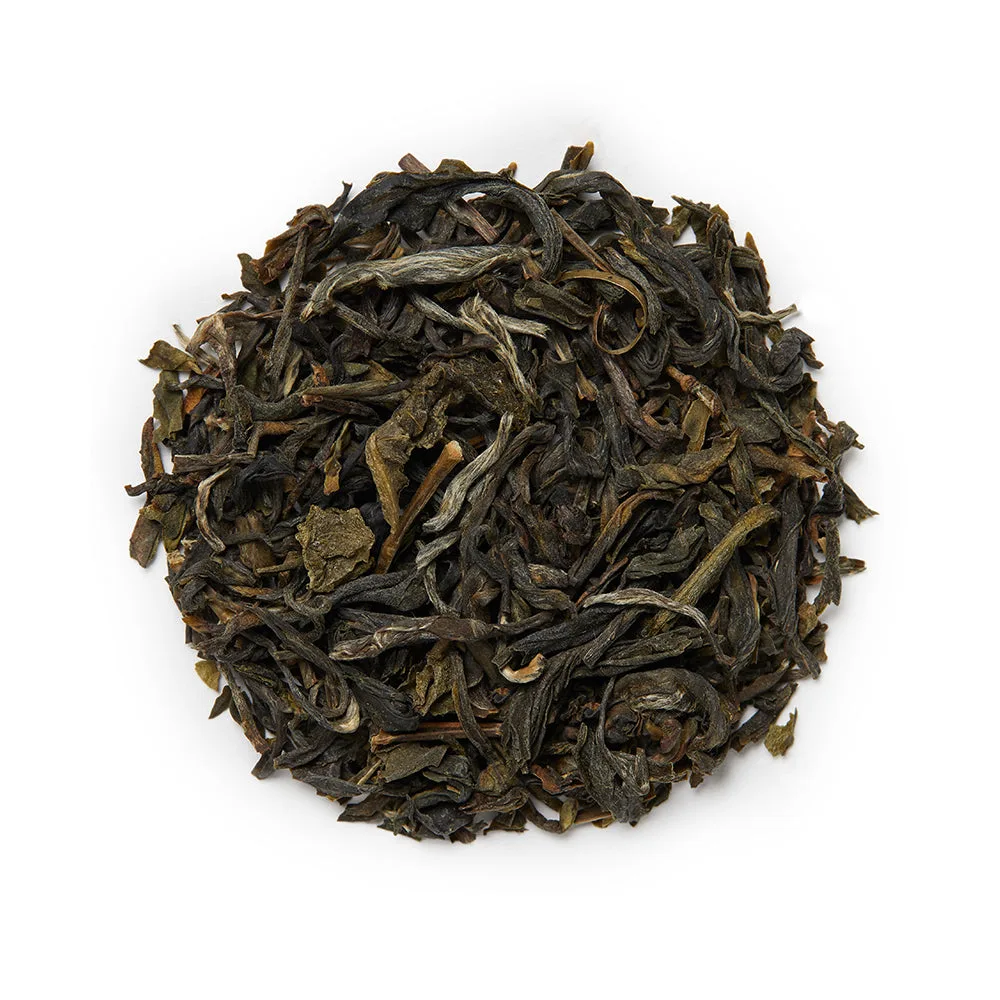
Special Formosa Gourmet Caddy 50g
Processing: The Art Behind the Leaves
The magic of high mountain oolong lies not only in its origin but also in the meticulous processing that follows harvest. After plucking, the leaves are withered under the sun to reduce moisture, then gently tossed to bruise the edges, initiating partial oxidation. This step is crucial: the oxidation level is kept low—typically between 10% and 30%—to preserve the tea’s green character while developing its signature floral and fruity notes.
Next comes the 'kill-green' step, where heat stops oxidation, followed by rolling the leaves into tight, semi-ball shapes. The final drying process locks in the flavor. Skilled tea masters monitor every stage, adjusting timing and temperature based on the leaf quality and weather. This artisanal approach ensures that each batch of high mountain oolong is a unique reflection of its harvest season and terroir.
- When brewing high mountain oolong, use water around 85–90°C (185–195°F) and steep for 30–60 seconds for the first infusion.
How to Brew High Mountain Oolong for Maximum Enjoyment
To fully appreciate the nuances of high mountain oolong, proper brewing is essential. Start with fresh, filtered water heated to about 85–90°C—boiling water can scorch the delicate leaves and produce bitterness. Use a gaiwan or a small teapot to allow multiple infusions. A good rule of thumb is to use 3–5 grams of leaves per 150 ml of water.
Begin with a quick rinse (10 seconds) to awaken the leaves, then steep for 30–45 seconds for the first infusion. Increase the steeping time by 10–15 seconds with each subsequent infusion. High mountain oolong can typically be brewed 5–7 times, with each cup revealing a different facet of its character. The Muskani Gourmet Caddy 50g is an excellent choice for this style of brewing, as its tightly rolled leaves unfurl beautifully over multiple steeps.
Why Choose Premium High Mountain Oolong?
Investing in a premium high mountain oolong is about more than just flavor—it is an experience of craftsmanship, tradition, and nature. These teas are produced in limited quantities, often hand-picked and processed by family-run farms. The care and expertise involved result in a cup that is both complex and harmonious, offering a moment of calm and connection.
For those new to this category, starting with a well-regarded option like the Special Formosa Gourmet Caddy 50g provides a reliable introduction to the floral and creamy notes that define high mountain oolong. As you explore further, you may discover regional variations that speak to your personal palate. Whether enjoyed alone or shared with friends, high mountain oolong elevates any tea moment.
High mountain oolong is a gift from Taiwan’s misty peaks, offering a sensory journey that rewards patience and curiosity. If you are ready to experience its elegance firsthand, explore the Muskani Gourmet Caddy 50g for a refined taste of high mountain perfection.