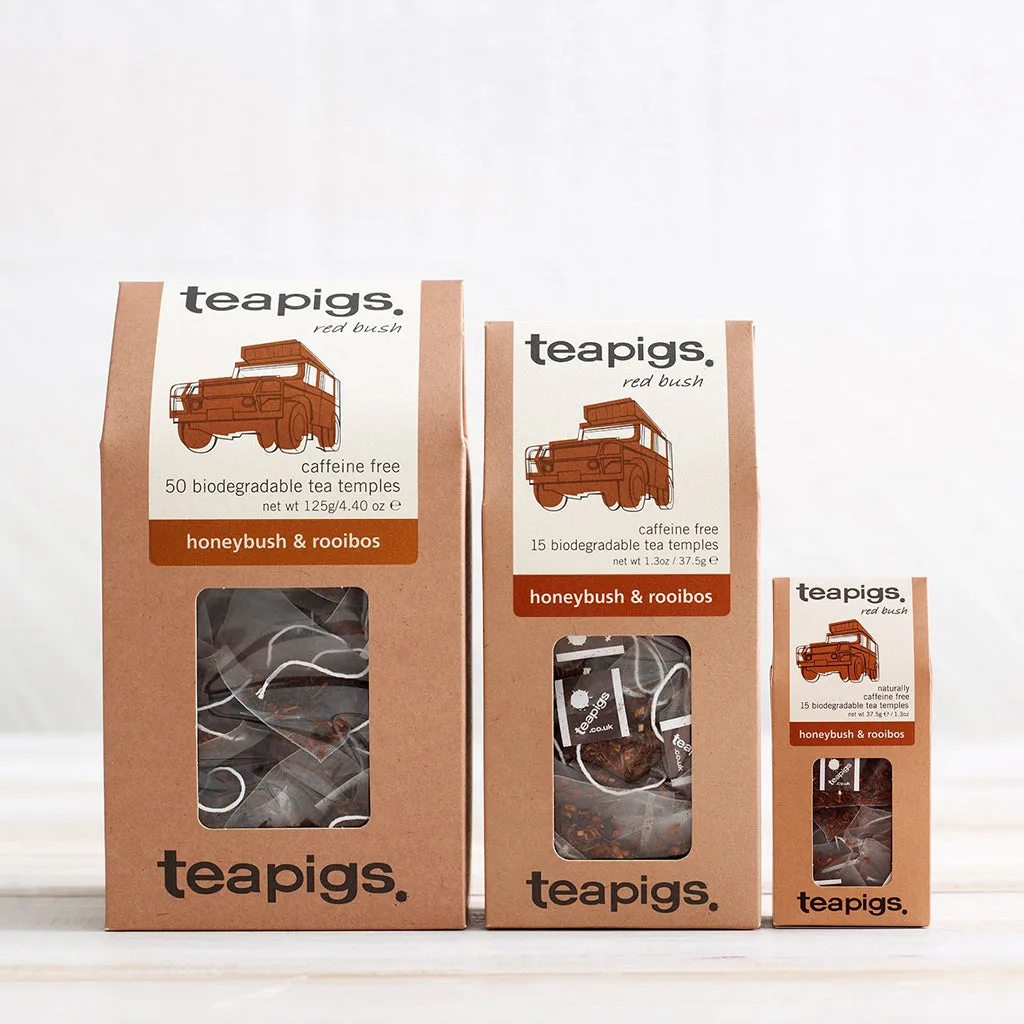
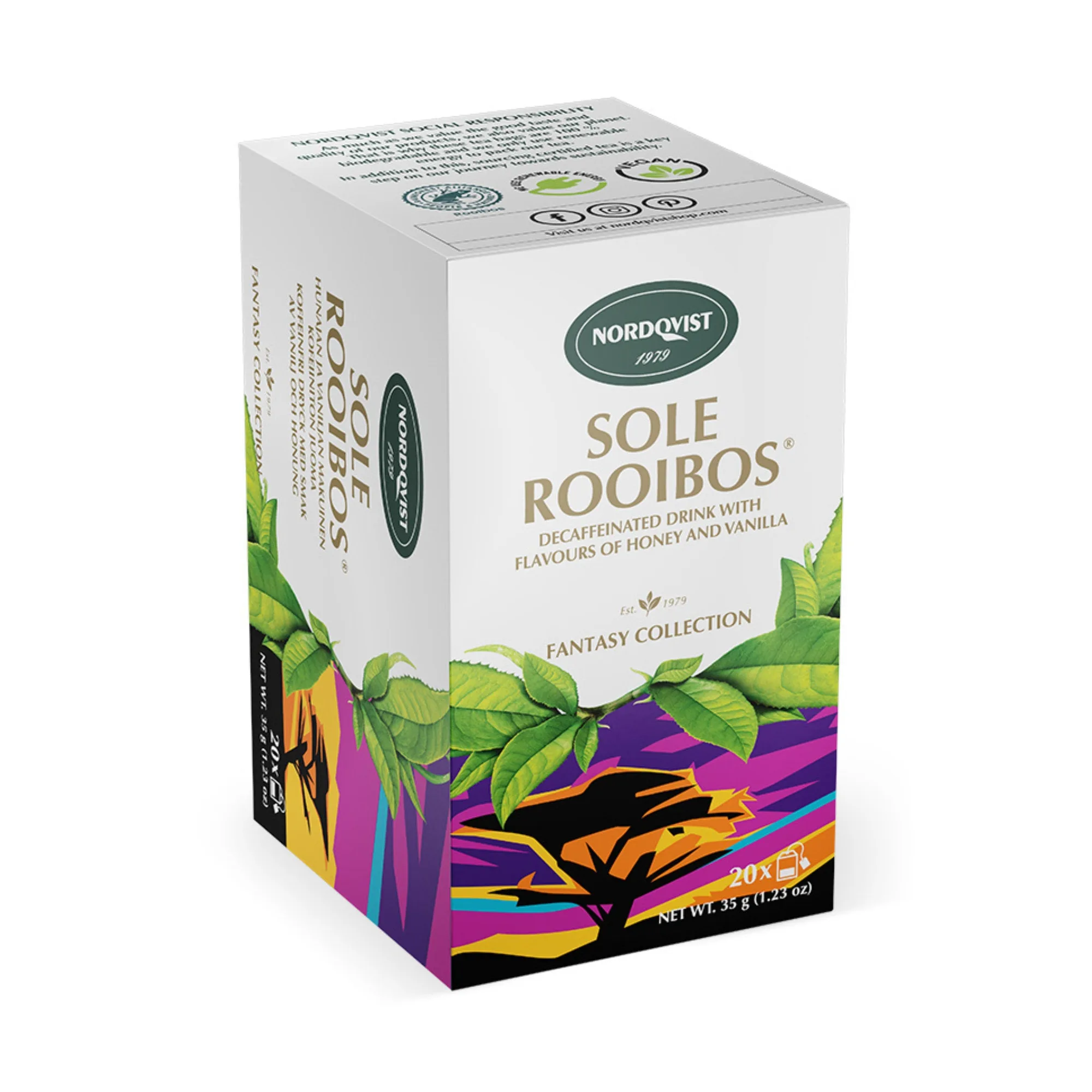
When it comes to herbal teas, most tea lovers are familiar with classics like chamomile, peppermint, and rooibos. But there is a lesser-known gem from South Africa that deserves just as much attention: honeybush tea. With its naturally sweet, honey-like flavor and complete absence of caffeine, honeybush offers a unique drinking experience that is both comforting and invigorating. Whether you are looking for a soothing evening brew or a flavorful alternative to traditional teas, honeybush is a wonderful choice.
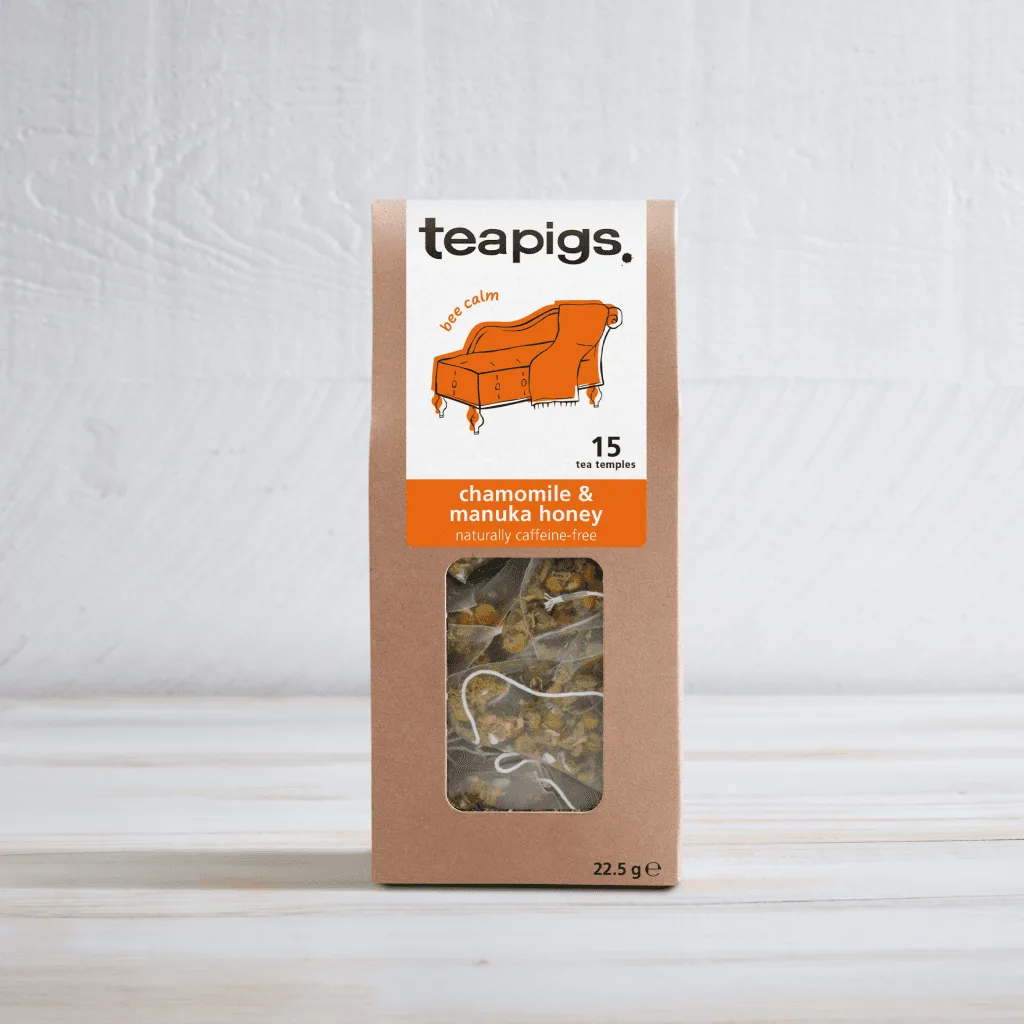
In this article, we will explore the taste profile of honeybush tea, compare it to its cousin rooibos, discuss its health benefits, and share tips on how to enjoy it. We will also highlight some complementary products from our store, such as the calming chamomile and manuka honey tea and the refreshing green tea with mint, to help you expand your herbal tea horizons.
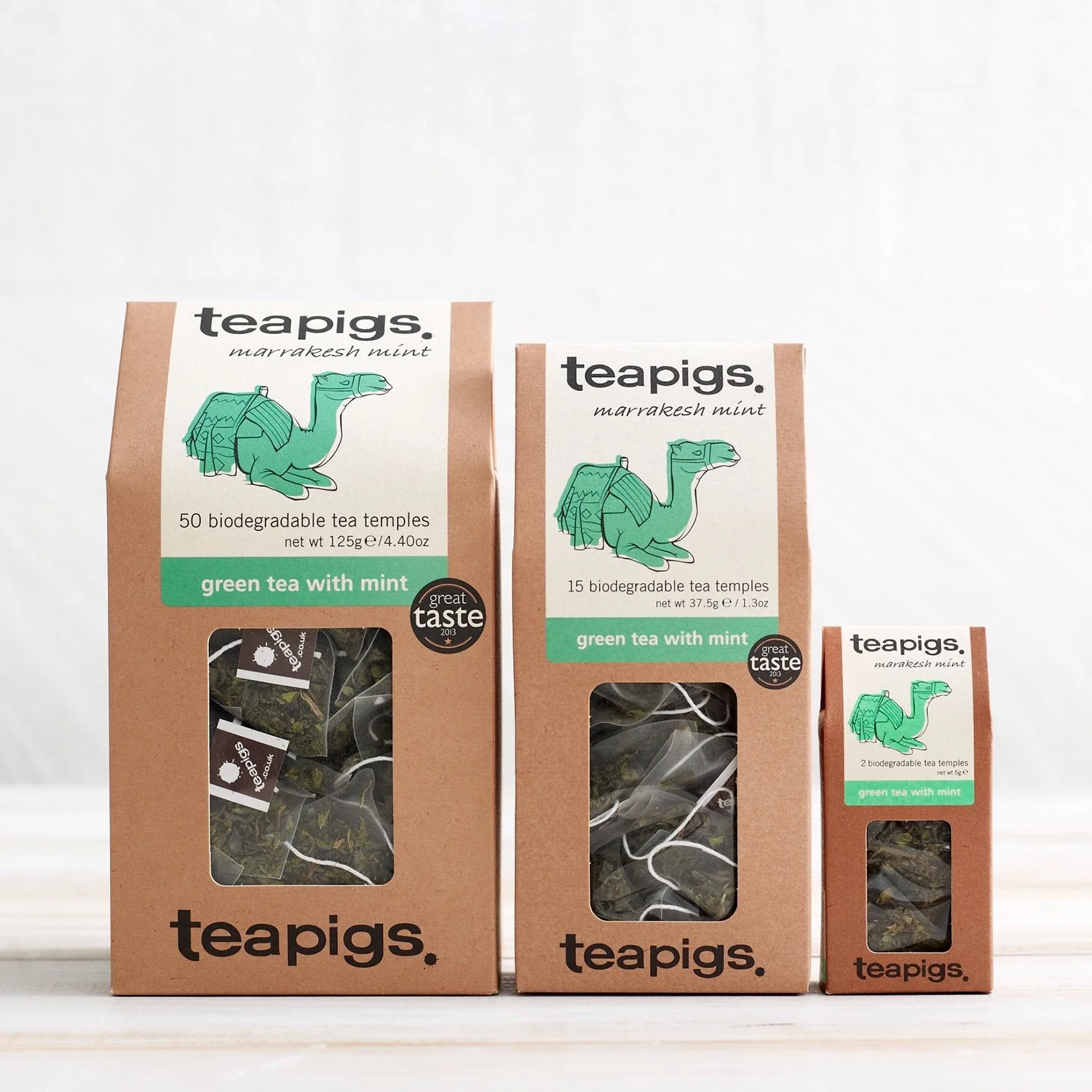
green tea with mint
What Is Honeybush Tea?
Honeybush tea is an herbal infusion made from the leaves and stems of the Cyclopia plant, which grows exclusively in the fynbos region of South Africa. The plant gets its name from the sweet, honey-like aroma of its yellow flowers. Unlike true teas (Camellia sinensis), honeybush is naturally caffeine-free, making it an excellent choice for any time of day. The leaves are typically fermented after harvesting, which deepens its color and enhances its naturally sweet flavor. Some varieties are also left unfermented, resulting in a lighter, greener infusion with a more delicate taste.
The production process of honeybush is similar to that of rooibos, but honeybush has a distinct flavor profile that sets it apart. It is often described as having notes of honey, apricot, and a hint of floral sweetness. Because it is naturally sweet, many people enjoy it without any added sugar or sweeteners. This makes honeybush a great option for those looking to reduce their sugar intake while still enjoying a flavorful beverage.
- Honeybush is naturally caffeine-free, perfect for evening relaxation.
- Its sweet flavor comes from natural compounds, not added sugars.
Honeybush vs Rooibos: What's the Difference?
Honeybush and rooibos are often mentioned together because they both come from South Africa and share a similar production process. However, their flavor profiles are quite different. Rooibos has a nutty, earthy, and slightly woody taste with a hint of vanilla. Honeybush, on the other hand, is sweeter and more floral, with distinct notes of honey and apricot. If rooibos is the robust, comforting cup you reach for on a cold day, honeybush is the delicate, sunny brew that feels like a warm spring morning.
Another difference lies in their caffeine content: both are caffeine-free, so they are equally suitable for those avoiding stimulants. However, honeybush contains a different set of antioxidants, including compounds like mangiferin and hesperidin, which have been studied for their anti-inflammatory and neuroprotective properties. Some people find honeybush easier to digest than rooibos, making it a gentle choice for sensitive stomachs. Whether you prefer the earthy richness of rooibos or the sweet floral notes of honeybush, both are excellent additions to any tea collection.
- Honeybush is naturally sweeter than rooibos with honey and apricot notes.
- Both teas are caffeine-free, but honeybush offers unique antioxidants like mangiferin.
Health Benefits of Honeybush Tea
Beyond its delightful taste, honeybush tea offers a range of health benefits that make it a smart choice for wellness enthusiasts. It is rich in antioxidants, which help combat oxidative stress and reduce inflammation in the body. Studies have shown that honeybush may support immune function, aid digestion, and even have mild expectorant properties, making it a soothing choice during cold season. Its natural sweetness also means you can enjoy it without adding sugar, which is beneficial for blood sugar management.
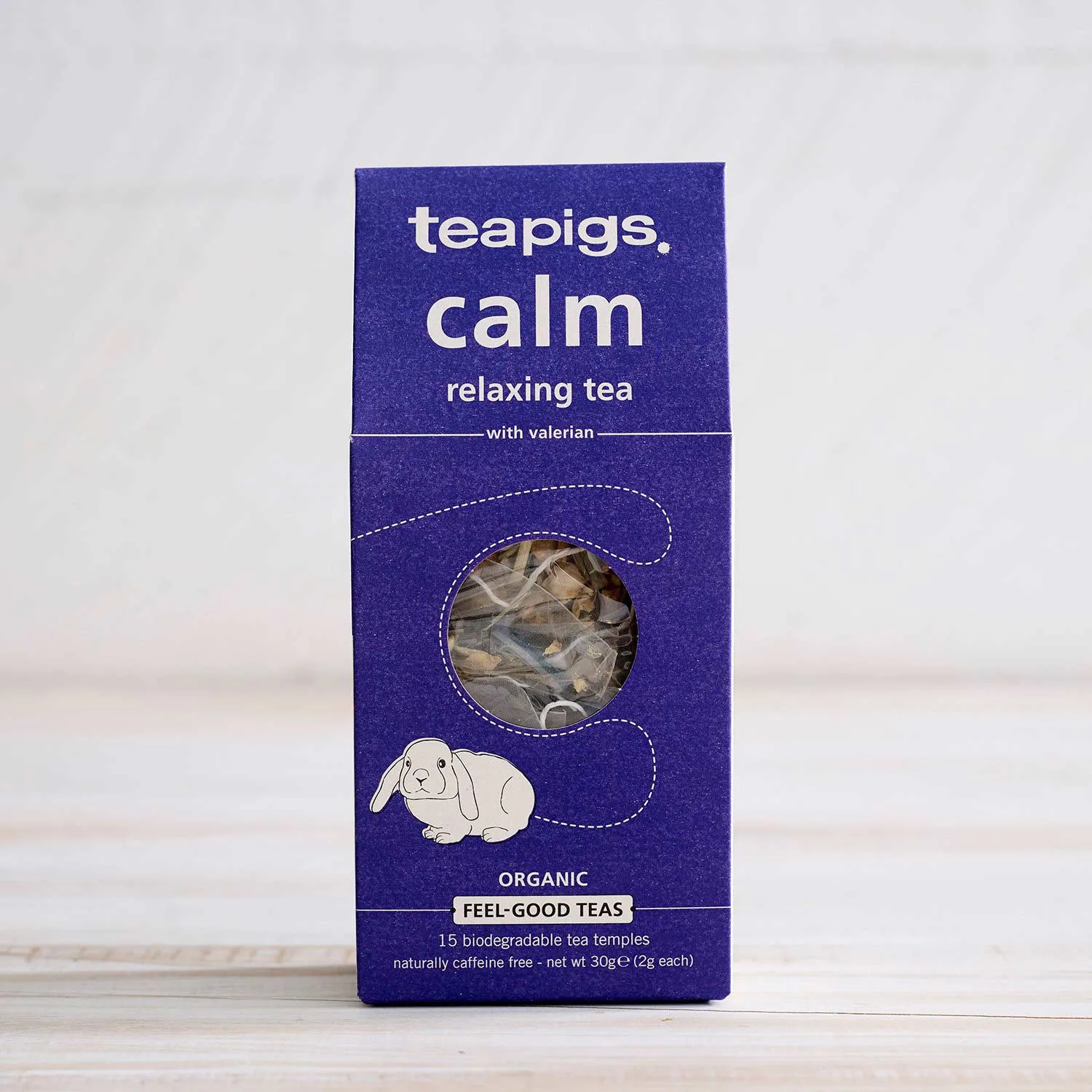
For those who struggle with sleep or anxiety, honeybush is a wonderful caffeine-free alternative to black or green tea. Its calming properties can help promote relaxation without the drowsiness sometimes associated with stronger herbal sedatives like valerian root. If you are looking for a gentle evening tea, you might also enjoy our calm with valerian blend, which combines valerian with other soothing herbs. However, honeybush stands on its own as a delicious and healthful beverage that can be enjoyed at any hour.
- Rich in antioxidants that reduce inflammation and support immune health.
- Naturally caffeine-free, making it ideal for evening relaxation.
How to Brew the Perfect Cup of Honeybush Tea
Brewing honeybush tea is simple, but a few tips can help you extract its full flavor. Start with fresh, cold water and bring it to a rolling boil (around 212°F or 100°C). Use about one teaspoon of loose honeybush per cup, or one tea bag if you prefer convenience. Pour the hot water over the leaves and let it steep for 5 to 7 minutes. Unlike green tea, honeybush can handle longer steeping without becoming bitter, so feel free to adjust the time to your taste. The longer you steep, the richer and sweeter the flavor becomes.
Honeybush is delicious on its own, but you can also experiment with additions. A slice of lemon or a dash of cinnamon can complement its natural sweetness. For a creamy treat, try adding a splash of milk or a non-dairy alternative. Some people enjoy honeybush iced, especially during warmer months. Simply brew a strong pot, let it cool, and pour it over ice with a sprig of mint. If you enjoy blended teas, our green tea with mint offers a refreshing contrast to honeybush's sweetness.
- Steep honeybush for 5-7 minutes for optimal flavor without bitterness.
- Try adding lemon, cinnamon, or milk for a twist on the classic brew.
Where to Find Quality Honeybush Tea
Finding high-quality honeybush tea is key to experiencing its true flavor. Look for teas that are sourced directly from South Africa and processed with care to preserve their natural sweetness and aroma. Loose leaf honeybush often provides a more robust flavor than tea bags, but high-quality bagged versions are also available. When shopping for honeybush, check the packaging for information about the harvest date and origin. Fresh honeybush should have a strong, sweet fragrance and a rich amber color when brewed.
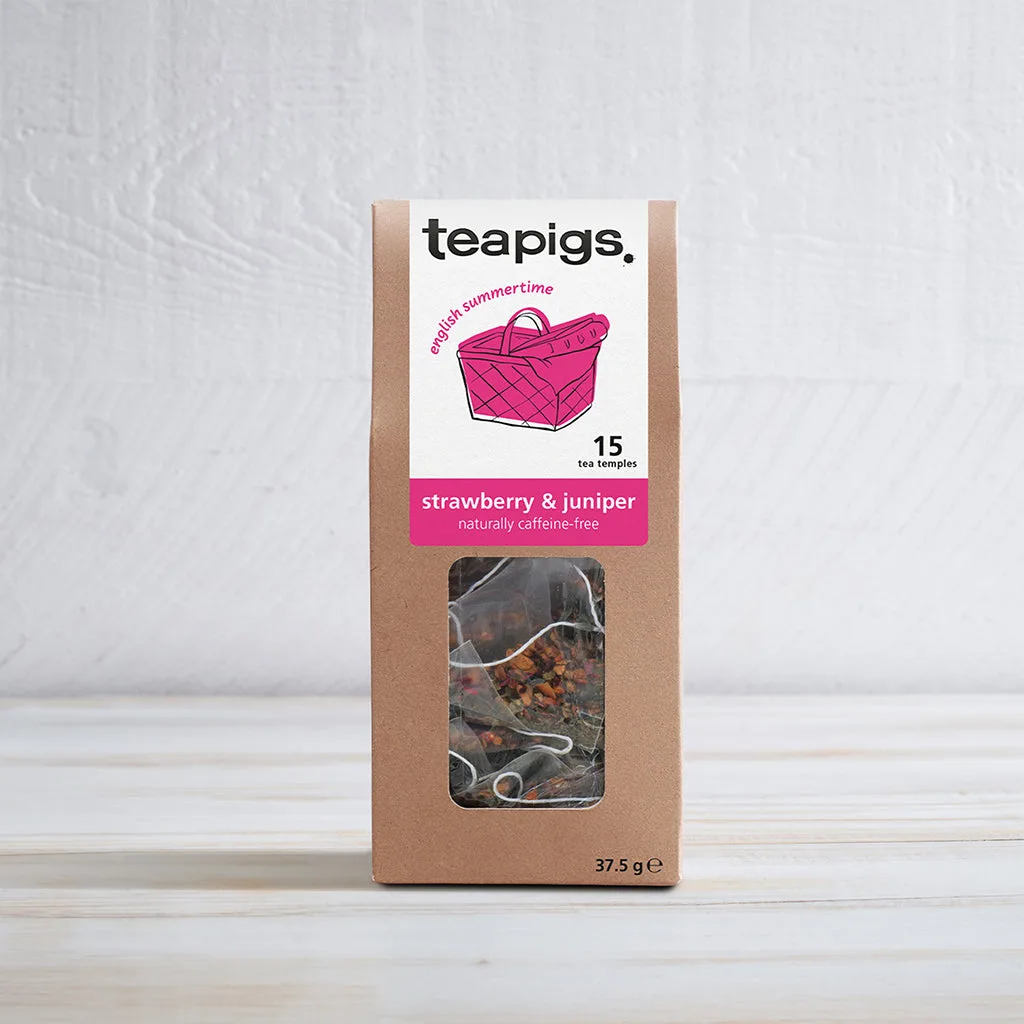
At our online tea shop, we are passionate about offering a diverse selection of herbal teas from around the world. While honeybush is a standout on its own, we also encourage you to explore other caffeine-free options like our chamomile and manuka honey tea, which combines the soothing properties of chamomile with the natural sweetness of manuka honey. For a fruity twist, try our strawberry and juniper tea, which offers a unique blend of berry and botanical notes. Each of these teas brings something special to your cup.
- Choose loose leaf honeybush for a more intense flavor experience.
- Pair honeybush with other herbal teas like chamomile or strawberry blends.
Honeybush tea is a delightful and healthful addition to any tea lover's pantry. Its naturally sweet, floral flavor makes it a versatile beverage that can be enjoyed hot or iced, plain or with additions. Whether you are new to South African teas or a seasoned enthusiast, honeybush offers a unique taste that stands apart from rooibos and other herbals. We invite you to explore our selection of herbal teas and discover your new favorite brew. For a calming and naturally sweet experience, try our chamomile and manuka honey tea, which pairs beautifully with the gentle notes of honeybush.