Your key organizer is more than just a tool—it's an everyday carry essential that saves you from bulky keychains and jangling pockets. Whether you use a compact key holder from KeySmart or another brand, regular maintenance is crucial to ensure it stays tight, smooth, and rust-free. Neglecting care can lead to loose screws, scratched keys, or even a broken organizer, forcing an early replacement. With just a few minutes of upkeep each month, you can double or triple the life of your organizer, saving money and keeping your EDC streamlined.
In this guide, we'll walk you through the best practices for cleaning, lubricating, and inspecting your key organizer. You'll learn how to prevent common issues like stripped threads, corrosion, and wear on moving parts. We'll also highlight some KeySmart accessories that can enhance durability and convenience. By following these simple steps, you'll keep your key holder performing like new for years to come.
Why Regular Maintenance Matters for Your Key Organizer
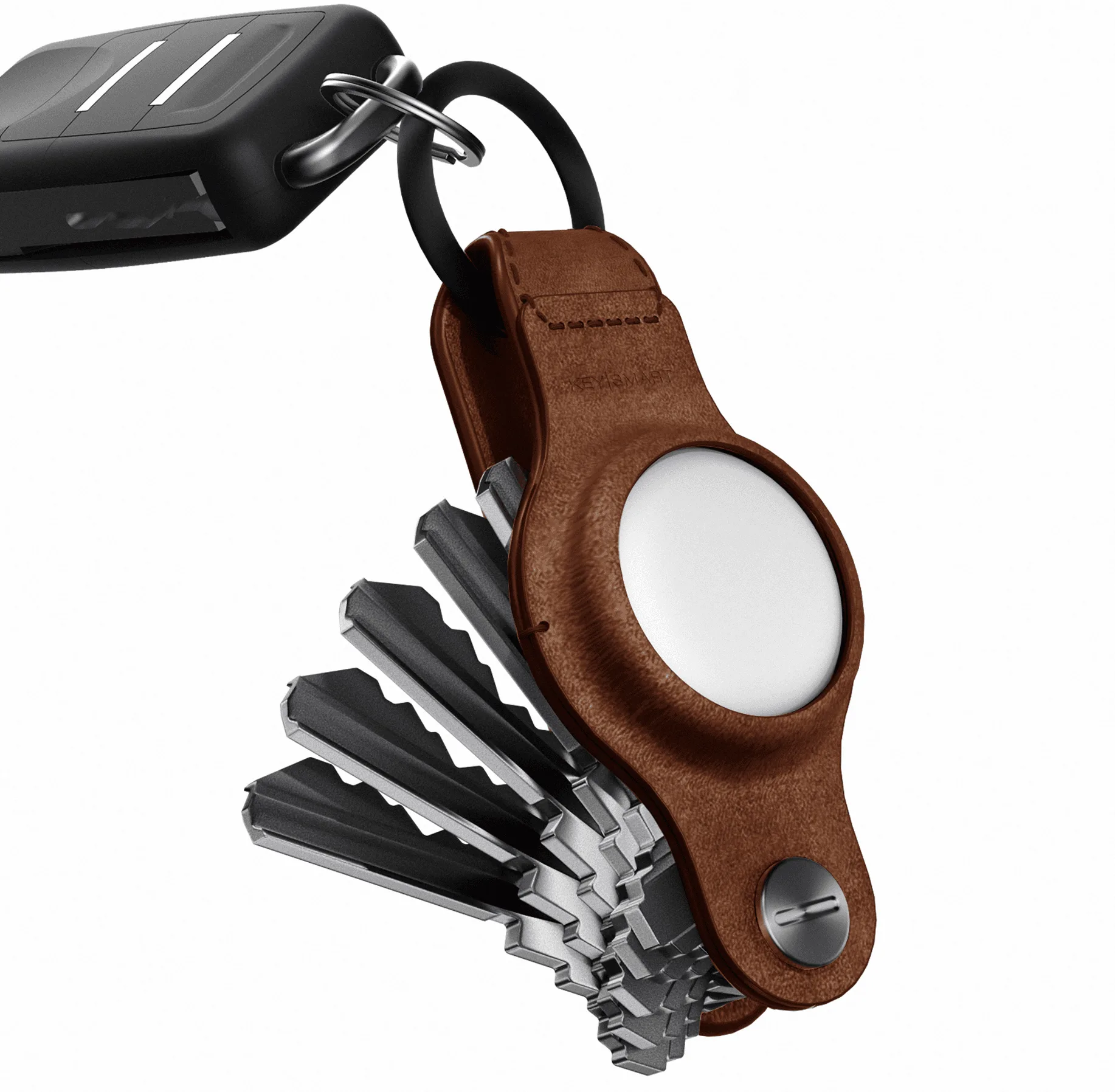
Key organizers endure daily abuse: they're tossed into bags, pulled from pockets, exposed to moisture, and bumped against other items. Over time, dirt, lint, and metal filings accumulate in the screw threads and between plates, causing friction that wears down components. If you own a KeySmart iPro or similar model that holds up to 14 keys, the added weight can stress the central screw and spacers. Without proper care, you might notice the organizer loosening or keys becoming hard to fold.
Routine maintenance not only extends the physical life of your organizer but also preserves its functionality. A well-maintained key holder opens and closes smoothly, keeps keys secure, and prevents annoying rattles. It also protects your keys from scratches and reduces wear on the screw threads. For those who rely on smart trackers like the KeySmart iPro with Apple Find My, keeping the organizer clean ensures the tracker stays firmly attached and doesn't get lost. Investing a few minutes each month can save you from the hassle of a broken organizer mid-week.
- Prevents rust and corrosion from moisture and sweat
- Maintains smooth folding action for easy key access
- Reduces risk of losing screws or spacers over time
- Protects the finish of your organizer and keys
Step-by-Step Cleaning Guide for Your Key Organizer
Cleaning your key organizer is straightforward and requires only basic household items. Start by removing all keys and accessories from the organizer. If you have a KeySmart model, unscrew the central bolt carefully—use the included tool or a small screwdriver. Separate the plates and spacers, and lay them out on a clean cloth. This is a great time to inspect each component for damage or excessive wear.
For metal parts, use a soft brush (like an old toothbrush) and mild soapy water to scrub away grime. Pay special attention to the screw threads and the holes where keys sit—lint and dust often accumulate there. Rinse with clean water and dry thoroughly with a lint-free cloth. Avoid using harsh chemicals or abrasives, as they can strip the anodized coating or scratch the surface. For stubborn residue, a drop of isopropyl alcohol on a cotton swab works well. Once everything is dry, reassemble the organizer, ensuring all spacers are correctly positioned. If you use spacers to adjust key spacing, check that they are not cracked or deformed.
- Use a soft brush and mild soap—no bleach or abrasives
- Dry all parts completely to prevent rust
- Inspect spacers and screws for wear during cleaning
- Clean every 2-3 months for best results
Lubrication: When and How to Apply It
Lubrication is the secret to a smooth-operating key organizer. Over time, the friction between metal plates and screws can cause stiffness or squeaking. However, not all lubricants are safe for EDC gear. Avoid WD-40 or heavy oils that attract dust and gum up the mechanism. Instead, use a dry lubricant like graphite powder or a silicone-based spray. These reduce friction without leaving a sticky residue.
To lubricate, apply a small amount to the screw threads and the pivot points where the plates rotate. Work the lubricant in by opening and closing the organizer several times. Wipe away any excess with a clean cloth. For organizers with smart trackers, like the KeySmart iPro, be careful not to get lubricant on the tracker's contacts or battery compartment. A light application every six months is usually sufficient, but if you live in a humid or dusty environment, you may need to lubricate more often. Proper lubrication also prevents the screw from seizing, making future disassembly easier.
- Use dry lubricant (graphite or silicone) not wet oils
- Apply sparingly to threads and pivot points
- Wipe excess to avoid attracting dirt
- Lubricate every 6 months or as needed
Inspecting and Replacing Worn Components
Regular inspection can catch small problems before they become big ones. Check the central screw for stripped threads or bending. If the screw no longer tightens securely, it's time for a replacement. Similarly, examine the spacers—if they are cracked or flattened, they won't hold keys properly. KeySmart offers replacement spacers and screws, so you can keep your organizer in top shape without buying a whole new unit.
Also inspect the keys themselves. Over time, keys can develop sharp edges from rubbing against the metal plates. A quick file or sandpaper touch-up can smooth them out. If you carry a SafeBlade on your organizer, ensure the blade is still sharp and the locking mechanism works. For those using the Deep Carry Pocket Clip, check that the clip hasn't bent or loosened. Replacing a worn clip ensures your organizer stays securely in your pocket. By swapping out small parts as needed, you can extend the life of your organizer indefinitely.
- Check screw threads for stripping or bending
- Replace cracked or deformed spacers
- Smooth sharp key edges with a file
- Inspect pocket clip and blade for wear
Storage and Daily Habits to Protect Your Organizer
How you store and handle your key organizer daily has a big impact on its lifespan. Avoid tossing it into a bag with loose coins, keys, or sharp objects that can scratch the surface. If you carry it in a pocket, keep it in a dedicated pocket away from heavy items. The Deep Carry Pocket Clip is an excellent accessory for secure pocket carry—it prevents the organizer from sliding out and reduces stress on the screw.
When not in use, store your organizer in a dry place. Humidity is the enemy of metal components, so avoid leaving it in a damp gym bag or near a bathroom. If you live in a coastal area, consider using a silica gel packet in your storage drawer. Also, avoid exposing the organizer to extreme temperatures, which can warp plastic spacers or damage electronic trackers. For those with a KeySmart iPro, keep the battery contacts clean and replace the battery annually. Simple daily habits like these can prevent premature wear and keep your organizer looking and working great.
- Use a dedicated pocket or the Deep Carry Pocket Clip
- Store in a dry, cool place away from humidity
- Avoid mixing with sharp or heavy objects
- Replace tracker batteries yearly for smart organizers
Extending the life of your key organizer is easy with regular cleaning, lubrication, and inspection. By adopting these simple maintenance habits, you'll keep your EDC gear reliable and looking new for years. Ready to upgrade your key organizer or replace worn parts? Explore the range of KeySmart accessories, from spacers to pocket clips, and keep your everyday carry optimized. Visit the KeySmart store to find everything you need for long-lasting organization.