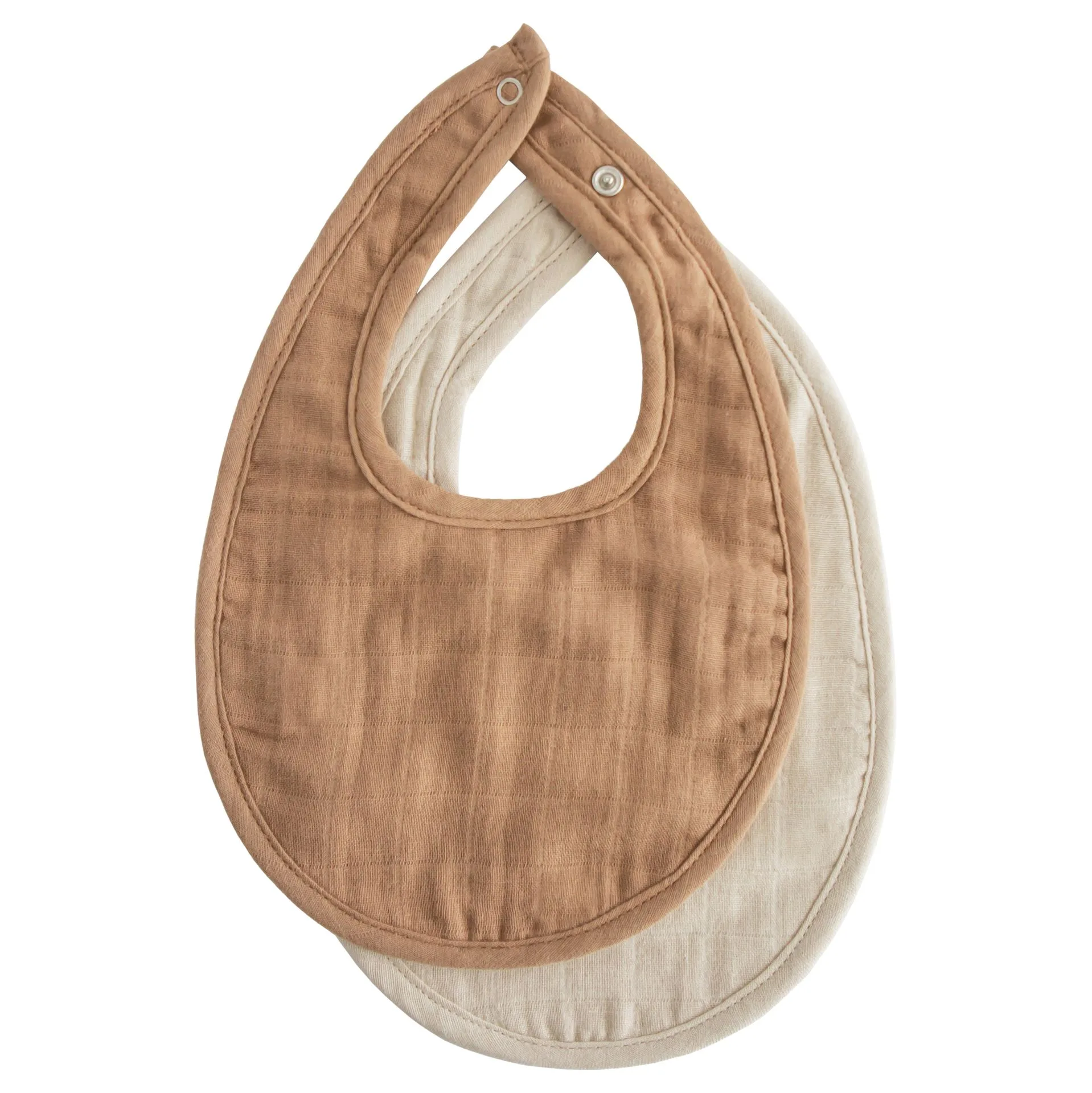
An extra soft muslin crib sheet is a nursery staple, prized for its breathability and gentle feel against a baby's delicate skin. But to keep that cozy softness wash after wash, you need to handle it with a bit of care. Muslin is a lightweight, loosely woven cotton that can shrink, wrinkle, or lose its drape if treated harshly. The good news is that with the right washing and drying routine, your sheet can stay supple and comfortable for years.
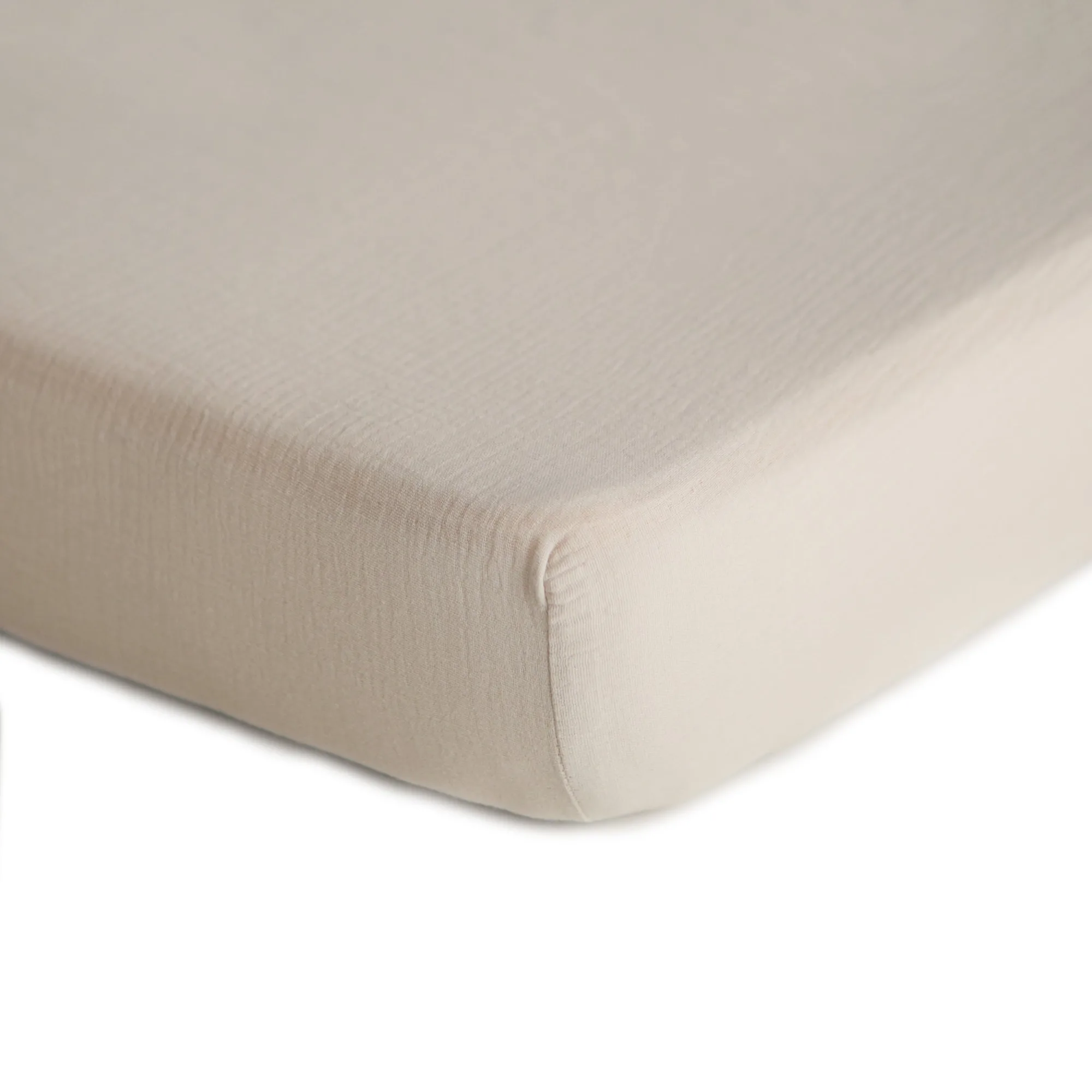
extra soft muslin crib sheet
Whether you're new to muslin fabric care or just looking to refresh your routine, these simple steps will help you preserve the fit, feel, and integrity of your extra soft muslin crib sheet. From choosing the right detergent to mastering the drying process, here's everything you need to know.
How to Wash Your Muslin Crib Sheet for Best Results
Start by turning the sheet inside out before washing. This protects the edges and reduces friction on the fabric. Use cold or lukewarm water on a gentle cycle—hot water can shrink muslin and weaken the fibers over time. Choose a mild, fragrance-free liquid detergent, as powders can leave residue and strong fragrances may irritate a baby's skin. Avoid bleach, fabric softener, and dryer sheets; these coat the fibers and reduce breathability, which defeats the purpose of muslin.
For heavily soiled sheets (think spit-up or diaper leaks), you can add a half-cup of white vinegar to the rinse cycle to naturally deodorize and soften. Wash similar colors together to prevent any dye transfer. Muslin crib sheets are usually pre-shrunk, but a gentle wash cycle is still your best bet for longevity. If you're also laundering baby accessories like the Bluey x Mushie Silicone Training Cup + Straw, wash them separately to avoid any Velcro or hard parts snagging the fabric.
- Always check the care label first—some muslin blends may have specific instructions.
Drying Muslin Baby Bedding: Air Dry vs. Machine Dry
Air drying is the gentlest method for drying muslin baby bedding, as it minimizes shrinkage and preserves the soft hand feel. Hang the sheet flat or over a drying rack, out of direct sunlight to prevent fading. If you're short on time, tumble dry on low or an air-fluff setting. Remove the sheet while it's still slightly damp to avoid over-drying, which can make the fabric feel stiff.
Never dry muslin on high heat—it can cause uneven shrinkage and weaken the weave. If you do use a dryer, toss in a couple of wool dryer balls to speed up drying and keep the fabric fluffy. You can also add a damp (not wet) towel to the load for 10 minutes to create steam and relax wrinkles. Once dry, fold or store the sheet loosely; avoid cramming it into a tight drawer, as muslin needs to breathe to stay soft.
- To reduce wrinkling without ironing, smooth the sheet while still warm from the dryer.
Everyday Muslin Fabric Care Tips for Long-Lasting Softness
Muslin becomes softer with each wash—it's one of its best qualities. To speed up the softening process without damaging the fibers, wash new sheets twice before first use. This removes any manufacturing residues and preps the fabric for maximum absorbency and comfort. Between washes, spot-clean small stains with a dab of gentle soap and cool water, rather than laundering the whole sheet.
Store spare muslin sheets in a cool, dry place away from humidity. Avoid storing them in plastic bins, as trapped moisture can lead to mildew. Instead, use a breathable cotton storage bag or a shelf. And if you're building a complete nursery that includes other essentials like the Rainbow Teething Mitten for teething relief, keeping all fabric items in similar conditions ensures they last as long as your baby needs them.
- Rotate between at least two crib sheets to reduce wear on any single one.
When to Replace Your Extra Soft Muslin Crib Sheet
Even with the best care, all crib sheets eventually show signs of wear. Look for thinning areas, persistent pilling, loose threads, or stretched elastic that no longer fits snugly around the mattress. A worn-out sheet not only looks tired but may also pose a safety risk if it becomes loose or torn. As a rule of thumb, evaluate your sheets every six months—sooner if you wash them more than once a week.
When you do replace, consider investing in high-quality 100% cotton muslin sheets that are pre-washed for extra softness. Pairing a fresh sheet with a consistent care routine will keep your baby's sleep space cozy and safe through every stage.
Caring for your extra soft muslin crib sheet doesn't have to be complicated. With cool washes, gentle drying, and a few mindful habits, you can keep that buttery-soft feel intact while ensuring a clean, safe sleep environment for your little one. A little attention to fabric care goes a long way—and your baby will thank you for it with sweeter dreams.